
Nutrition comparison
Red Rice vs Barley: Which Whole Grain is Healthier?
Compare Red Rice and Barley to find out which grain is better for blood sugar, cholesterol, and weight loss. Discover the surprising truth about gluten and fiber.
Overall winner · Barley
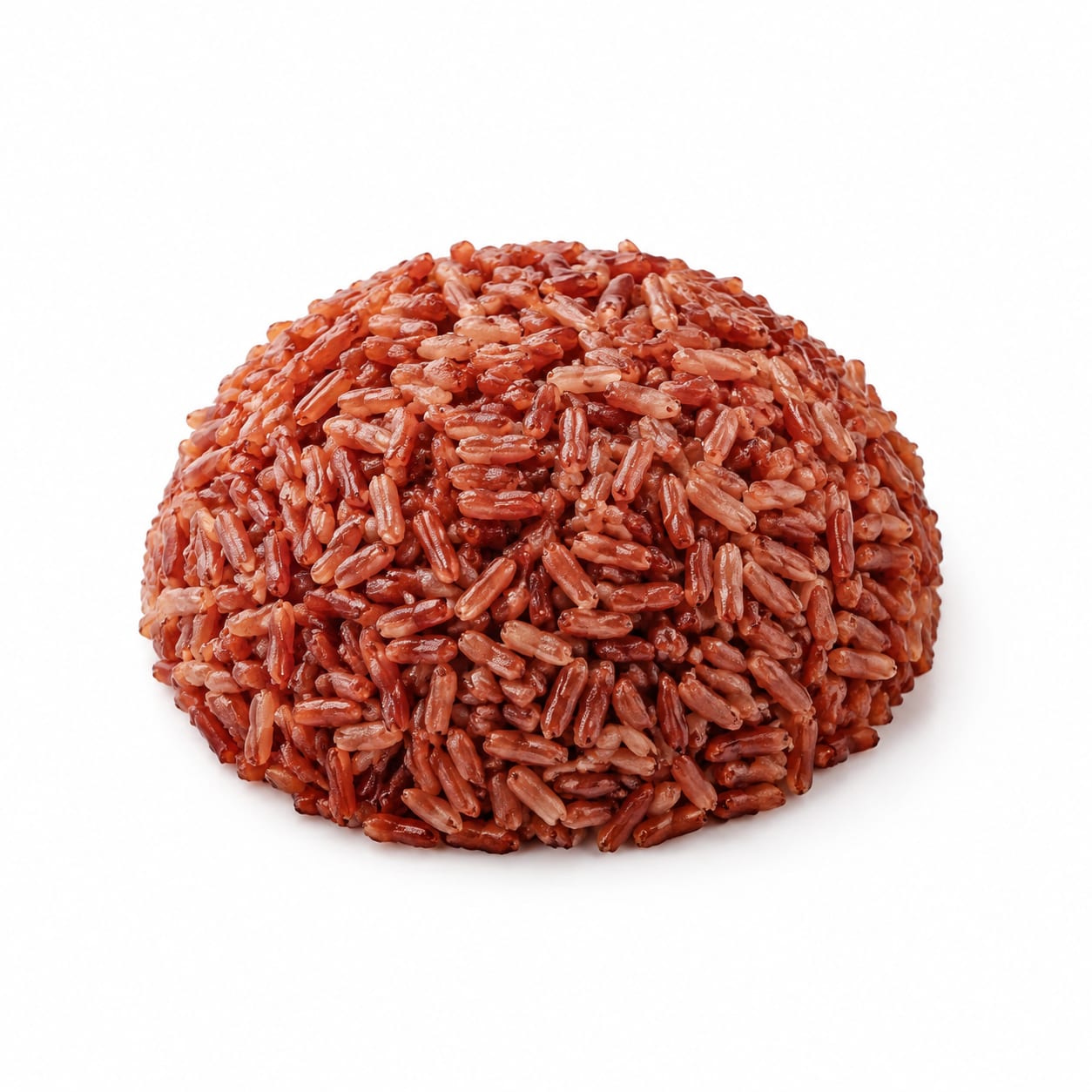
Red Rice
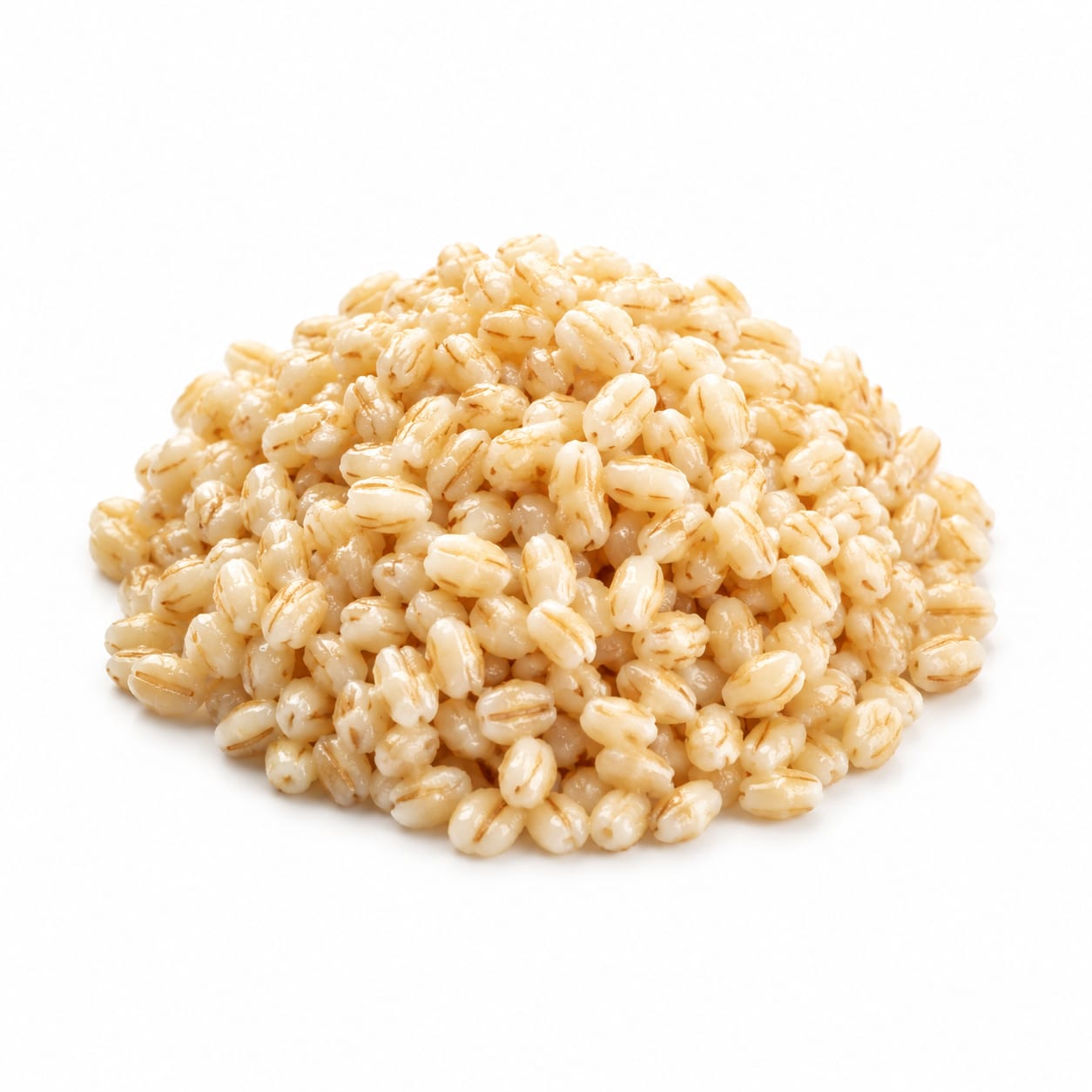
Barley
Barley edges out Red Rice for metabolic and heart health thanks to its legendary fiber, but Red Rice wins for gluten-free diets and antioxidant power.
Barley scores higher due to its superior fiber profile and proven metabolic benefits. Red Rice remains a strong choice but lacks the same clinical backing for chronic disease management.
You trade Barley's unmatched blood sugar and cholesterol benefits for Red Rice's gluten-free digestibility and antioxidant richness.
At a glance
Executive summary
Overall
Barley
Healthier
Barley
More practical
Red Rice
Daily use
Barley
Key comparison lenses
Blood sugar management
Barley's beta-glucan is clinically proven to blunt blood sugar spikes better than almost any other grain.
Heart health and cholesterol
Barley is famously effective at lowering LDL cholesterol, while Red Rice offers antioxidant protection instead.
Digestive tolerance and gluten avoidance
Red Rice is naturally gluten-free, making it a clear winner for those with celiac or gluten sensitivity, whereas Barley contains gluten.
Antioxidant intake
Red Rice gets its color from anthocyanins, offering cellular protection that Barley lacks.
Best choice for
Red Rice
- People with celiac disease or gluten intolerance
- Those seeking antioxidant-rich whole grains
- Anyone wanting a visually appealing, nutty side dish
Barley
- People managing type 2 diabetes or insulin resistance
- Those actively trying to lower cholesterol
- Anyone needing long-lasting satiety to prevent overeating
Least suitable for
Red Rice
- People monitoring arsenic intake
- Those needing a massive fiber boost for constipation relief
Barley
- Anyone with celiac disease or gluten sensitivity
- People prone to bloating from high fiber
Deep comparison
Dimension by dimension
Each lens scores both foods and breaks down who each option suits.
- Dimension 1 · Priority 95Barley
Blood Sugar Control
Red Rice · 70Barley · 95Barley is a powerhouse for steady energy. Its beta-glucan forms a gel in the gut that slows sugar absorption dramatically.
Tradeoff
Red Rice provides moderate blood sugar stability, but cannot match the post-meal crash prevention Barley offers.
Why it matters
Avoiding energy crashes means fewer cravings and better focus throughout the afternoon.
Real-world impact
Eating Barley at lunch makes that 3 PM vending machine temptation far easier to resist.
Red Rice
- Moderate carb needs without extreme fiber
Better for
- Sensitive to carb spikes
Worse for
Barley
- Preventing post-meal energy crashes
- Managing insulin resistance
Better for
- Need quick energy after intense exercise
Worse for
- Dimension 2 · Priority 90Barley
Heart Health
Red Rice · 72Barley · 94Barley's soluble fiber actively binds to cholesterol in the digestive tract and removes it from the body.
Tradeoff
Red Rice supports heart health indirectly through antioxidants, but lacks the direct cholesterol-lowering action of Barley.
Why it matters
Lowering LDL cholesterol is one of the most impactful things you can do for long-term heart health.
Real-world impact
Regularly choosing Barley over other grains is a proven way to improve blood work at your annual checkup.
Red Rice
- Reducing oxidative stress on blood vessels
Better for
- Needing direct cholesterol management
Worse for
Barley
- Actively lowering LDL cholesterol
- Improving overall lipid panels
Better for
- Looking for antioxidant cardiovascular support
Worse for
- Dimension 3 · Priority 85Red Rice
Digestive Tolerance
Red Rice · 90Barley · 60Red Rice is naturally gluten-free and gentler on the gut. Barley contains gluten and heavy fiber that can cause bloating.
Tradeoff
You sacrifice Barley's cholesterol benefits if you have gluten sensitivity, making Red Rice the safer bet.
Why it matters
Eating a food that inflames your gut negates any nutritional advantages it might offer.
Real-world impact
For someone with gluten sensitivity, a Barley salad leads to bloating and brain fog, while Red Rice feels comforting and light.
Red Rice
- Gluten-free diets
- Sensitive stomachs
Better for
- Severe constipation requiring bulk
Worse for
Barley
- Sluggish digestion needing a high-fiber push
Better for
- Celiac disease or non-celiac gluten sensitivity
Worse for
- Dimension 4 · Priority 75Red Rice
Antioxidant Profile
Red Rice · 88Barley · 55Red Rice is rich in anthocyanins, the same antioxidants found in blueberries, which fight cellular damage.
Tradeoff
Barley offers some antioxidants but is primarily valued for fiber, missing the deep pigment compounds of Red Rice.
Why it matters
Antioxidants protect your cells from daily wear and tear, aging, and environmental stressors.
Real-world impact
Choosing Red Rice gives your body extra defenses against inflammation, similar to eating colorful berries.
Red Rice
- Anti-aging benefits
- Fighting chronic inflammation
Better for
- Prioritizing fiber over phytonutrients
Worse for
Barley
- Focus is strictly on metabolic health
Better for
- Need broad-spectrum antioxidant support
Worse for
- Dimension 5 · Priority 80Barley
Satiety and Fullness
Red Rice · 75Barley · 92Barley's unique fiber expands in your stomach, keeping you full for hours. Red Rice is filling but digests faster.
Tradeoff
Barley keeps you fuller longer, but that heavy feeling can be uncomfortable if you eat too much.
Why it matters
Staying full between meals is the easiest way to naturally eat less without feeling deprived.
Real-world impact
A bowl of Barley soup at noon will easily keep you satisfied until dinner, while Red Rice might have you snacking by 4 PM.
Red Rice
- Lighter meals before exercise
Better for
- Struggling with constant hunger
Worse for
Barley
- Long workdays with no snack breaks
- Appetite control
Better for
- Prefer feeling light after meals
Worse for
Timeline
Health impact over time
Short-term
Hours to days
Red Rice
- Provides steady, moderate energy
- Gentle on the digestive system
- Satisfying without feeling overly heavy
Barley
- Significantly reduces post-meal sugar spikes
- Can cause gas or bloating if you aren't used to high fiber
- Keeps hunger at bay for extended periods
Long-term
Months to years
Red Rice
- Antioxidants help protect against cellular aging
- Supports healthy inflammation levels
- Consistent safe option for gluten-free lifestyles
Barley
- Clinically proven to lower heart disease risk via cholesterol reduction
- Greatly improves long-term blood sugar stability
- Supports a healthy gut microbiome through prebiotic fiber
Risk profile
Safety & processing
Both Red Rice and hulled Barley are whole grains with minimal processing. Watch out for pearled Barley, which strips away the valuable bran layer.
Red Rice
Arsenic contamination
mediumLike all rice, Red Rice can accumulate arsenic from soil and water. Rinsing thoroughly and cooking in excess water reduces this risk significantly.
Barley
Gluten exposure
highBarley contains gluten, making it strictly unsafe for anyone with celiac disease or a diagnosed gluten intolerance.
Pesticide residue
lowConventionally grown barley may carry pesticide residues, but washing and cooking mitigate most concerns.
Who wins for whom
Audience fit
Same foods, different winners depending on your goal.
children
Red RiceRed Rice is easier for smaller digestive systems to handle, gluten-free, and has a fun color that appeals to kids.
daily consumption
BarleyFor the general population without gluten issues, Barley's metabolic and heart benefits make it the superior daily staple.
diabetes
BarleyThe beta-glucan in Barley is one of the most effective natural agents for blunting blood sugar spikes.
elderly
BarleyBarley's cholesterol-lowering and blood sugar benefits are crucial for older adults, provided they tolerate gluten.
muscle gain
It dependsNeither is a primary protein source, but both provide quality carbs for fueling workouts. Choose based on digestion preference.
weight loss
BarleyBarley's extreme satiety factor makes it much easier to maintain a calorie deficit without feeling hungry.
Your move
Decision guide
Choose Red Rice
- You are gluten-free or have celiac disease
- You want a lighter grain that still offers whole-grain benefits
- You prioritize antioxidant-rich, colorful foods
- You are concerned about arsenic and prefer rotating your rice sources
Choose Barley
- You want to lower your cholesterol naturally
- You struggle with blood sugar spikes or insulin resistance
- You need a grain that keeps you full for hours
- You want to improve your gut microbiome with prebiotic fiber
Either works if
- You simply want a nutritious whole grain to replace white rice or pasta
- You are meal-prepping healthy grain bowls for the week
Avoid both if
- You are on a strict low-carb or ketogenic diet
- You have severe digestive disorders that require a low-fiber diet
Final recommendation
Make Barley your go-to grain if you tolerate gluten, especially for metabolic and heart health. Keep Red Rice in rotation for gluten-free days and an antioxidant boost.
Practical
Consumer tips
- 1
If buying Barley, choose hulled over pearled. Pearled Barley cooks faster but loses the bran where most fiber and nutrients live.
- 2
Reduce arsenic in Red Rice by rinsing it well and cooking it in a 6:1 water ratio, draining the excess like pasta.
- 3
Introduce Barley slowly into your diet to give your gut time to adjust to the high fiber and avoid bloating.
- 4
Both grains freeze beautifully after cooking. Make a large batch and portion them out for quick, healthy weeknight dinners.