
Nutrition comparison
Red Rice vs Jasmine Rice: Which is Healthier?
Compare Red Rice vs Jasmine Rice for nutrition, blood sugar impact, and cooking time. Find out which rice is better for weight loss, diabetes, and daily meals.
Overall winner · Red Rice
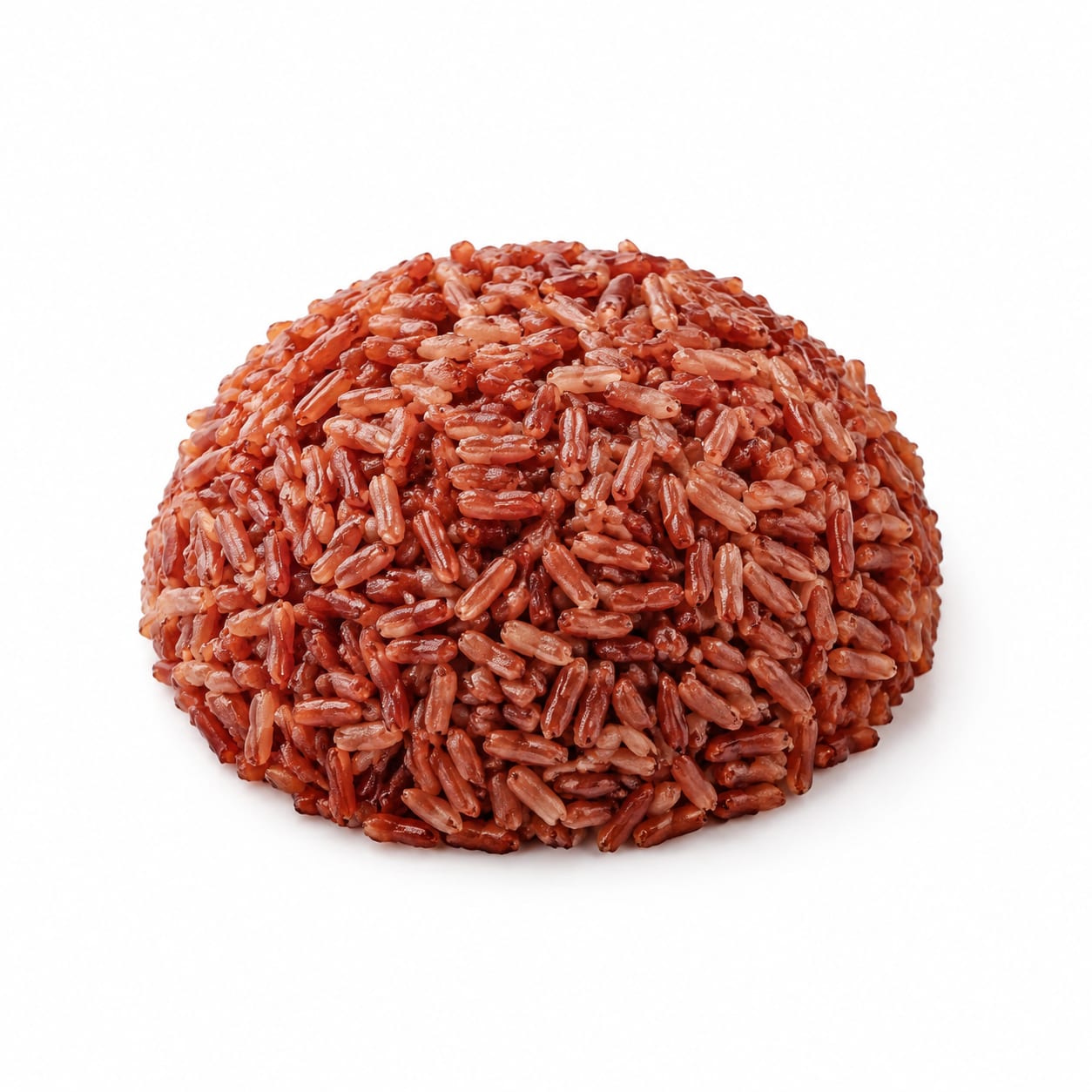
Red Rice
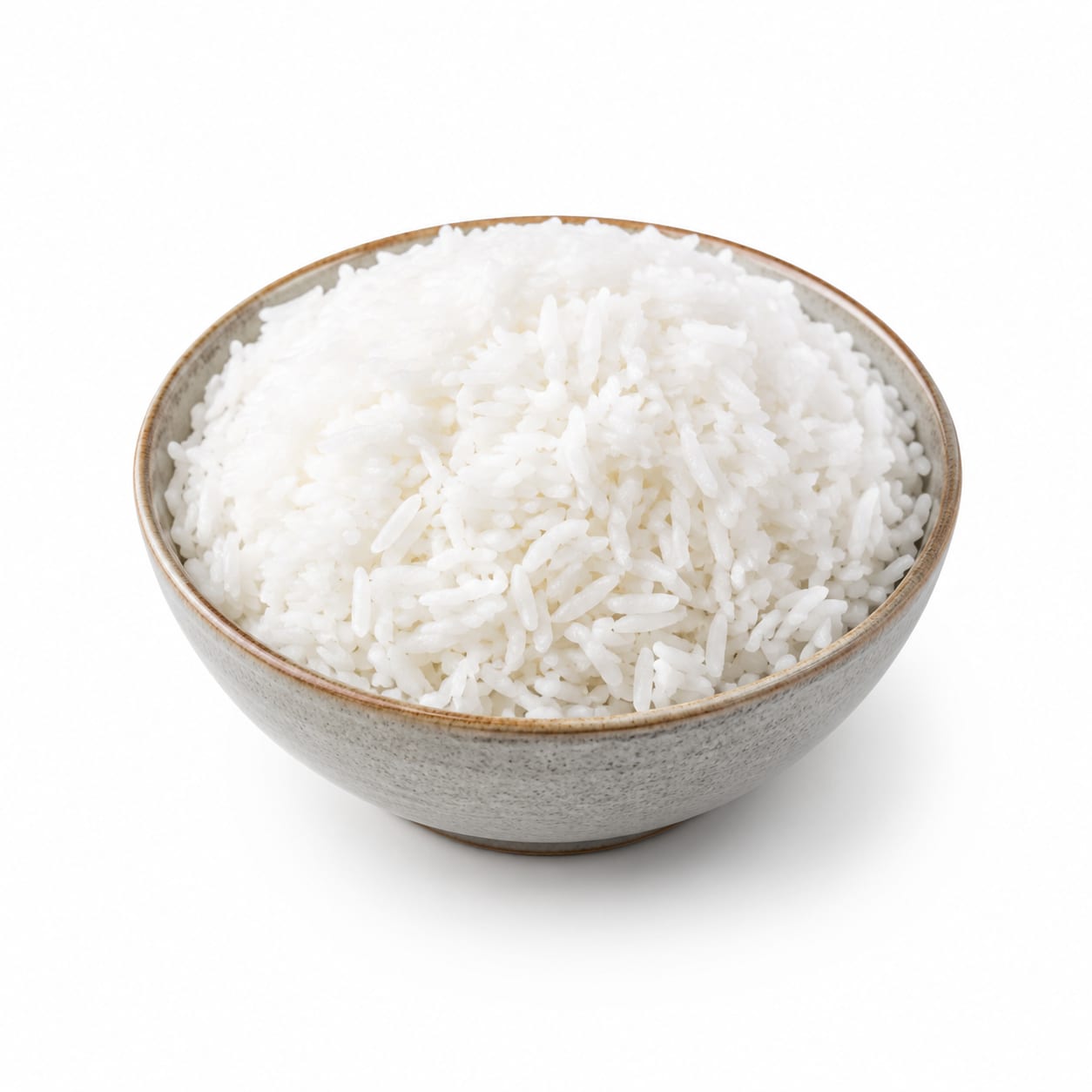
Jasmine Rice
Red Rice wins on nutrition and blood sugar stability, but Jasmine Rice offers superior convenience and digestibility.
Red Rice scores significantly higher due to its whole-grain benefits, fiber, and lower glycemic impact. Jasmine Rice scores lower nutritionally but remains relevant for its convenience and digestibility.
You trade quick cooking and a soft texture for sustained energy and higher fiber.
At a glance
Executive summary
Overall
Red Rice
Healthier
Red Rice
More practical
Jasmine Rice
Daily use
Red Rice
Key comparison lenses
Blood sugar management
Red Rice is a whole grain with a lower glycemic index, while Jasmine Rice is a refined carbohydrate that spikes blood sugar quickly.
Nutrient density
Red Rice retains its bran and germ, offering significantly more fiber, vitamins, and minerals than milled Jasmine Rice.
Digestive comfort and tolerance
Jasmine Rice is gentle on the digestive system and often recommended for upset stomachs, whereas Red Rice's high fiber can be harder to digest for some.
Convenience and cooking time
Jasmine Rice cooks much faster and is more convenient for quick meals compared to the longer cooking time of Red Rice.
Best choice for
Red Rice
- Managing diabetes
- Weight loss
- Increasing daily fiber
- Sustained energy
Jasmine Rice
- Quick weeknight dinners
- Sensitive stomachs
- Post-workout carb reload
- Picky eaters
Least suitable for
Red Rice
- People with severe IBS flare-ups
- Rushed weeknight cooking
Jasmine Rice
- Blood sugar management
- Low-carb or keto diets
Deep comparison
Dimension by dimension
Each lens scores both foods and breaks down who each option suits.
- Dimension 1 · Priority 95Red Rice
Blood Sugar Stability
Red Rice · 85Jasmine Rice · 30Red Rice provides steady energy without the crash, while Jasmine Rice causes rapid blood sugar spikes.
Tradeoff
Choosing Jasmine Rice means accepting a quicker energy spike and subsequent crash.
Why it matters
Stable blood sugar prevents afternoon slumps and reduces cravings.
Real-world impact
Eating Red Rice at lunch keeps you full until dinner; Jasmine Rice might leave you reaching for a snack by 3 PM.
Red Rice
- Diabetics
- Steady energy seekers
Better for
- Acute hypoglycemia recovery
Worse for
Jasmine Rice
- Post-workout recovery
- Quick energy needs
Better for
- Insulin resistance
- Metabolic syndrome
Worse for
- Dimension 2 · Priority 90Red Rice
Nutritional Value & Fiber
Red Rice · 92Jasmine Rice · 35Red Rice is packed with fiber, iron, and B vitamins, whereas Jasmine Rice is mostly empty starch.
Tradeoff
You sacrifice significant nutritional value for a softer, fluffier bite with Jasmine Rice.
Why it matters
Fiber keeps you full and supports gut health, which white rice simply doesn't do well.
Real-world impact
A bowl of Red Rice contributes meaningfully to your daily fiber goal; Jasmine Rice does not.
Red Rice
- Gut health
- Weight management
Better for
- Severe IBS flare-ups
Worse for
Jasmine Rice
- Low-residue diets
Better for
- Constipation prevention
Worse for
- Dimension 3 · Priority 75Jasmine Rice
Digestive Comfort
Red Rice · 55Jasmine Rice · 88Jasmine Rice is incredibly gentle on the stomach, making it a go-to for digestive issues, while Red Rice's bran can irritate a sensitive gut.
Tradeoff
Red Rice's fiber is great for a healthy gut, but can be too rough during a stomach flare-up.
Why it matters
When your stomach is upset, low-fiber foods are easier to tolerate and less likely to cause bloating.
Real-world impact
If you have a stomach bug, Jasmine Rice is comforting; Red Rice might make bloating worse.
Red Rice
- Promoting regular bowel movements
Better for
- Acute gastrointestinal distress
Worse for
Jasmine Rice
- Upset stomachs
- IBS flare-ups
- Easier digestion
Better for
- Sluggish digestion
Worse for
- Dimension 4 · Priority 70Jasmine Rice
Convenience & Cooking Time
Red Rice · 45Jasmine Rice · 90Jasmine Rice cooks in about 15 minutes, while Red Rice can take 40 minutes or more.
Tradeoff
Red Rice requires planning ahead, whereas Jasmine Rice is ready in a flash.
Why it matters
On busy nights, a 40-minute cook time might push you toward less healthy takeout options.
Real-world impact
You can throw Jasmine Rice together after a long workday; Red Rice is better suited for meal prep.
Red Rice
- Batch cooking
- Meal prep
Better for
- Time-crunched cooking
Worse for
Jasmine Rice
- Last-minute meals
- Weeknight dinners
Better for
- Weekend slow cooking
Worse for
- Dimension 5 · Priority 65Red Rice
Antioxidant & Anti-inflammatory Potential
Red Rice · 88Jasmine Rice · 15The red color in Red Rice comes from anthocyanins, powerful antioxidants that Jasmine Rice lacks.
Tradeoff
You miss out on anti-inflammatory benefits when you choose the refined white option.
Why it matters
Antioxidants help combat daily cellular stress and support long-term health.
Real-world impact
Regularly eating Red Rice adds a layer of cellular defense that plain white rice cannot offer.
Red Rice
- Reducing inflammation
- Aging gracefully
Better for
Jasmine Rice
- Needing bland, non-trigger foods
Better for
- Boosting antioxidant intake
Worse for
Timeline
Health impact over time
Short-term
Hours to days
Red Rice
- Feeling fuller for longer
- Steadier energy levels
- Potential slight bloating if not used to fiber
Jasmine Rice
- Quick energy surge
- Rapid blood sugar spike and crash
- Light feeling in the stomach
Long-term
Months to years
Red Rice
- Better blood sugar control
- Improved heart health
- Lower risk of type 2 diabetes
Jasmine Rice
- Increased risk of metabolic issues if eaten frequently
- Potential weight gain from empty calories
- Easier maintenance of a low-residue diet
Risk profile
Safety & processing
Red Rice is a whole grain with only the husk removed, retaining its natural bran. Jasmine Rice is milled and polished, stripping away the bran and germ.
Red Rice
Arsenic contamination
mediumRice can accumulate arsenic; whole grains like Red Rice may retain slightly more than milled white rice, though washing helps.
Jasmine Rice
Arsenic contamination
lowMilling removes some of the arsenic found in the bran, making white Jasmine Rice slightly lower in arsenic than whole grain rice.
Who wins for whom
Audience fit
Same foods, different winners depending on your goal.
children
It dependsJasmine Rice is often easier for kids to chew and accept, but Red Rice offers better nutrition for growth.
daily consumption
Red RiceRed Rice provides sustained energy and essential nutrients, making it a healthier staple for everyday meals.
diabetes
Red RiceThe lower glycemic index and higher fiber in Red Rice prevent dangerous blood sugar spikes.
elderly
It dependsJasmine Rice is easier to chew and digest for those with dental or digestive issues, but Red Rice helps manage blood sugar.
muscle gain
Jasmine RiceJasmine Rice provides fast-digesting carbs that are ideal for post-workout glycogen replenishment.
weight loss
Red RiceRed Rice's high fiber content keeps you full longer, reducing overall calorie intake.
Your move
Decision guide
Choose Red Rice
- You want steady energy without afternoon crashes
- You are watching your blood sugar or weight
- You want to increase your daily fiber intake
- You have time for longer cooking or do meal prep
Choose Jasmine Rice
- You need a quick-cooking side dish on busy nights
- You have an upset stomach or digestive sensitivity
- You need fast carbs after an intense workout
- You prefer a softer, fluffier rice texture
Either works if
- You want a base for a curry or stir-fry
- You are eating a balanced meal with plenty of protein and veggies
Avoid both if
- You are on a strict ketogenic or very low-carb diet
- You have a severe rice allergy
Final recommendation
Make Red Rice your default for its nutritional benefits and blood sugar stability, but keep Jasmine Rice on hand for quick meals, sensitive stomach days, or post-workout refueling.
Practical
Consumer tips
- 1
Soak Red Rice for a few hours before cooking to reduce cooking time and improve texture.
- 2
Mix Red Rice and Jasmine Rice together to get a balance of nutrition, texture, and faster cooking time.
- 3
Always rinse both types of rice before cooking to remove excess surface starch and potential contaminants.
- 4
Cook Jasmine Rice with slightly less water than regular white rice to keep it fluffy, not mushy.