
Nutrition comparison
Black Rice vs Red Rice: Nutrition, Antioxidants, and Which Is Healthier
Compare black rice and red rice side by side. Black rice delivers more antioxidants and fiber. Red rice offers better iron content and affordability. Find which whole grain rice fits your health goals and budget.
Overall winner · Black Rice
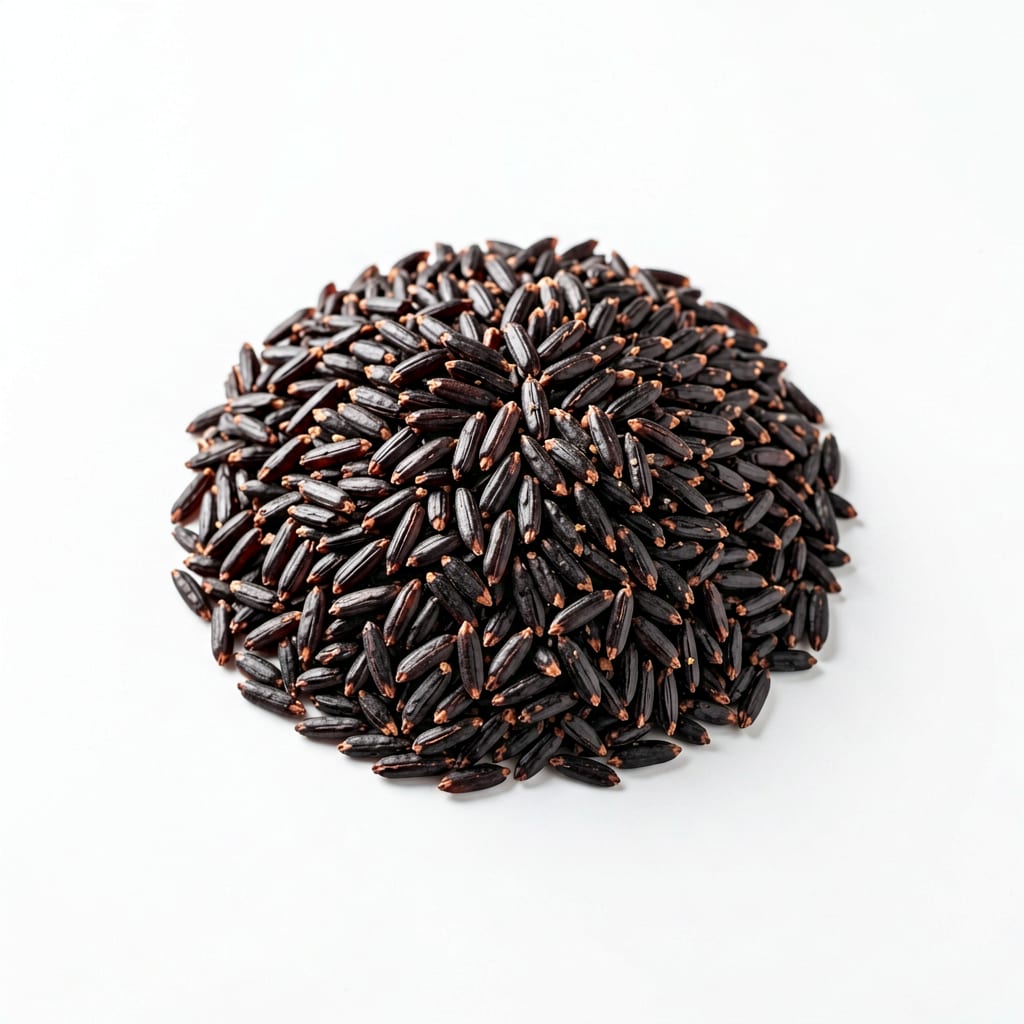
Black Rice
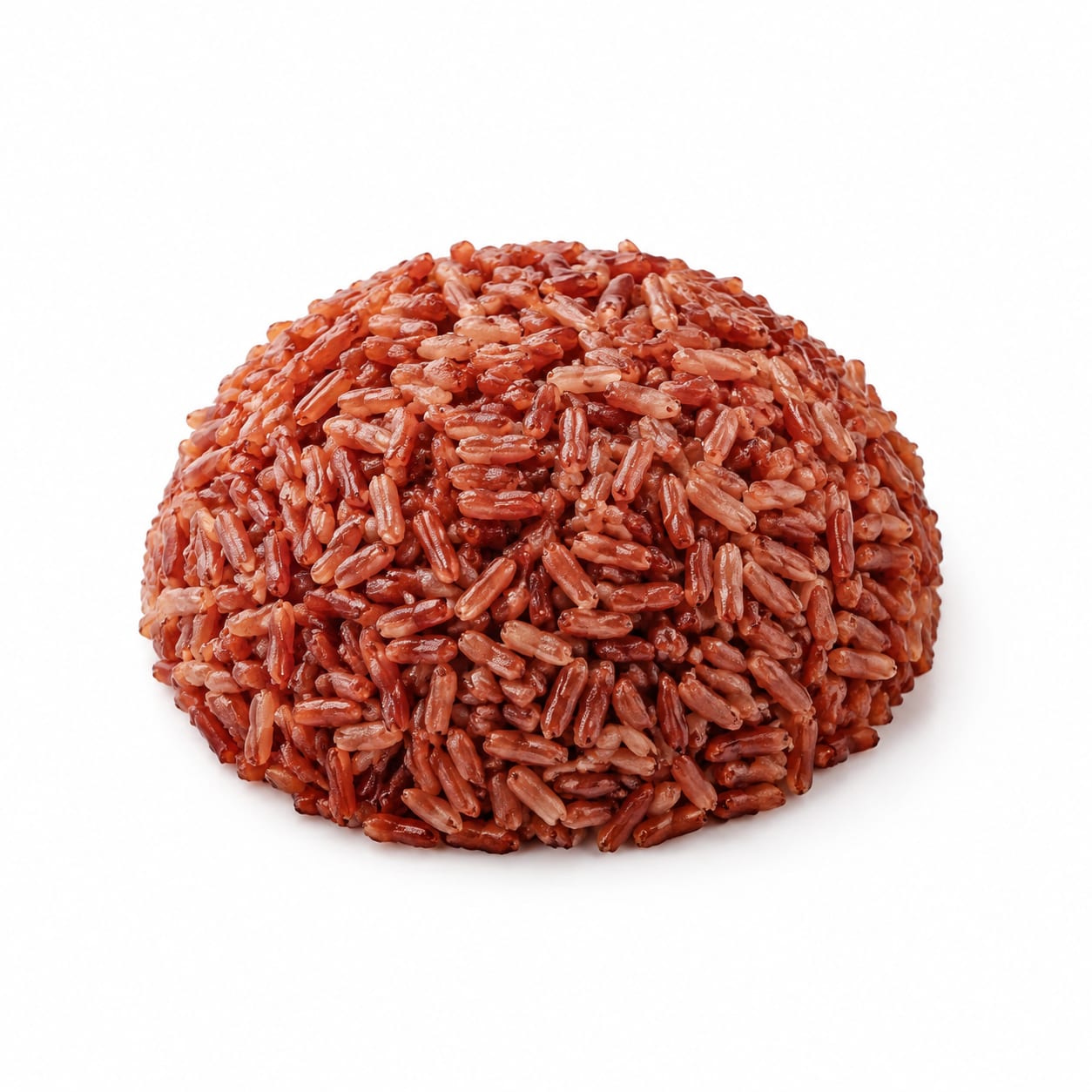
Red Rice
Black rice delivers significantly more antioxidants and slightly more fiber, making it the nutritionally stronger choice. Red rice stays competitive with better iron content and lower cost.
Black rice scores higher due to its exceptional antioxidant density and slightly better fiber and protein content. Red rice remains a strong whole grain choice with practical advantages in cost and iron content, keeping the gap moderate rather than large.
Maximum antioxidant power versus better iron content and easier affordability
At a glance
Executive summary
Overall
Black Rice
Healthier
Black Rice
More practical
Red Rice
Daily use
It depends
Key comparison lenses
antioxidant density
Black rice is famously rich in anthocyanins, making antioxidant comparison the most meaningful differentiator between these two pigmented rices
blood sugar management
Both are whole grain options people choose as alternatives to white rice, so glycemic impact is a primary decision driver
everyday practicality
Cost, availability, and cooking differences often determine which one people actually stick with long-term
mineral nutrition
Red rice has notable iron and manganese content that may matter for certain diets
digestive health
Fiber differences affect satiety and gut health, key reasons people switch from white to colored rice
Best choice for
Black Rice
- People prioritizing antioxidant intake and anti-inflammatory benefits
- Anyone managing blood sugar who wants the lowest glycemic option
- Those willing to invest more in nutrient-dense pantry staples
Red Rice
- Budget-conscious households wanting whole grain benefits
- People with higher iron needs like menstruating women
- Those who prefer a milder, less earthy flavor in everyday meals
Least suitable for
Black Rice
- Tight grocery budgets where cost per serving matters most
- People who dislike strongly flavored or chewier grains
Red Rice
- Those specifically seeking maximum anthocyanin intake
- People wanting the absolute lowest glycemic index rice option
Deep comparison
Dimension by dimension
Each lens scores both foods and breaks down who each option suits.
- Dimension 1 · Priority 95Black Rice
antioxidant_power
Black Rice · 96Red Rice · 68Black rice is one of the most antioxidant-rich grains available, with anthocyanin levels comparable to blueberries. Red rice contains antioxidants too, but at notably lower concentrations.
Tradeoff
You pay more for black rice's anthocyanin density, but the anti-inflammatory payoff is genuinely significant
Why it matters
Anthocyanins combat oxidative stress linked to aging, heart disease, and chronic inflammation. This is the single biggest nutritional gap between the two.
Real-world impact
Regular black rice consumption may meaningfully reduce inflammatory markers over months, similar to eating berries regularly
Black Rice
- Reducing chronic inflammation
- Supporting cardiovascular health long-term
- Adding berry-level antioxidants to savory meals
Better for
- Higher cost per serving for the antioxidant advantage
Worse for
Red Rice
- Still provides decent antioxidants compared to white or brown rice
- More affordable way to get some anthocyanin benefit
Better for
- Significantly less anthocyanin protection than black rice
Worse for
- Dimension 2 · Priority 85Black Rice
blood_sugar_stability
Black Rice · 82Red Rice · 76Both rices have lower glycemic indices than white rice, but black rice edges ahead with slightly more fiber slowing glucose absorption.
Tradeoff
The difference is real but modest. Both are solid choices for blood sugar management compared to most rice options.
Why it matters
Steadier blood sugar means fewer energy crashes and better hunger control throughout the day.
Real-world impact
After a black rice bowl, you may notice slightly longer-lasting fullness and less of an afternoon dip compared to red rice
Black Rice
- More stable post-meal blood sugar
- Slightly longer satiety between meals
Better for
- Neither rice is a low-carb food; portion control still matters
Worse for
Red Rice
- Still a major upgrade over white rice for glucose control
Better for
- Slightly faster glucose rise than black rice
Worse for
- Dimension 3 · Priority 75Red Rice
mineral_content
Black Rice · 70Red Rice · 82Red rice notably excels in iron and manganese content, while black rice provides slightly more copper and zinc. For iron specifically, red rice is the clearer winner.
Tradeoff
Red rice gives you more iron, which many people genuinely need. Black rice offers a broader but less concentrated mineral spread.
Why it matters
Iron deficiency is one of the most common nutrient gaps worldwide, especially for women. Manganese supports bone health and metabolism.
Real-world impact
A serving of red rice can contribute meaningfully toward daily iron needs, while black rice's iron contribution is more modest
Black Rice
- Broader trace mineral diversity including zinc and copper
Better for
- Less helpful for addressing iron deficiency
Worse for
Red Rice
- Higher iron content per serving
- More manganese for bone and metabolic support
Better for
- Lower in zinc and copper compared to black rice
Worse for
- Dimension 4 · Priority 70Black Rice
fiber_and_satiety
Black Rice · 80Red Rice · 74Black rice contains slightly more fiber per serving, leading to marginally better fullness. Both are substantially more filling than white rice.
Tradeoff
The fiber gap is small enough that satiety differences may be barely noticeable in practice
Why it matters
More fiber means better digestion, steadier energy, and easier portion control without feeling deprived.
Real-world impact
Both rices keep you satisfied for hours. Black rice might add 15-30 minutes of extra fullness per meal.
Black Rice
- Slightly more fiber per serving
- Marginally better for digestive regularity
Better for
- Fiber advantage is modest, not dramatic
Worse for
Red Rice
- Still delivers solid fiber compared to most grain options
Better for
- Slightly less effective at keeping hunger at bay long-term
Worse for
- Dimension 5 · Priority 80Red Rice
cost_and_accessibility
Black Rice · 55Red Rice · 78Red rice is generally more affordable and easier to find in standard grocery stores. Black rice often commands a premium price and may require specialty or online shopping.
Tradeoff
Black rice's nutritional edge comes with a real cost difference that adds up over weekly consumption
Why it matters
The healthiest food only matters if you can afford and find it consistently. Budget determines what people actually eat daily.
Real-world impact
Feeding a family of four with black rice daily could cost 30-50% more per month than red rice
Black Rice
- Growing availability in mainstream stores as demand increases
Better for
- Premium pricing limits daily use for many households
- May require specialty store trips or online orders
Worse for
Red Rice
- More budget-friendly for regular consumption
- Easier to find in conventional grocery stores
Better for
- Still pricier than conventional white or brown rice
Worse for
- Dimension 6 · Priority 65It depends
flavor_and_culinary_versatility
Black Rice · 75Red Rice · 75Black rice has a nuttier, earthier flavor with dramatic visual appeal. Red rice offers a milder, slightly sweet taste that pairs more easily with diverse cuisines.
Tradeoff
Black rice makes a stunning plate but can overpower delicate dishes. Red rice plays nicely with almost any flavor profile.
Why it matters
Flavor satisfaction determines whether you actually keep eating a food long-term, which matters more than marginal nutrient differences.
Real-world impact
Black rice turns a simple grain bowl into a visually impressive meal. Red rice disappears supportively into stir-fries and curries.
Black Rice
- Striking purple-black color elevates presentation
- Deep nutty flavor stands up to bold seasonings
Better for
- Strong flavor can clash with delicate sauces
- Color bleeds into other ingredients during cooking
Worse for
Red Rice
- Milder taste works with more cuisines and recipes
- Less likely to dominate a dish's flavor profile
Better for
- Less visually dramatic on the plate
Worse for
Timeline
Health impact over time
Short-term
Hours to days
Black Rice
- Steadier energy after meals due to higher fiber slowing digestion
- Noticeable feeling of fullness that lasts longer than white rice
- Dark pigment may cause mild surprise if unfamiliar with the color
Red Rice
- Good sustained energy without spikes or crashes
- Comforting, mild flavor that feels familiar and satisfying
- Slightly faster digestion than black rice but still steady
Long-term
Months to years
Black Rice
- Consistent anthocyanin intake may reduce inflammatory markers over months
- Better cumulative antioxidant protection comparable to regular berry consumption
- Higher fiber supports long-term digestive health and cholesterol management
Red Rice
- Iron contribution supports energy levels and prevents deficiency over time
- Manganese intake benefits bone density and metabolic function long-term
- Solid whole grain benefits for heart health and diabetes risk reduction
Risk profile
Safety & processing
Both black rice and red rice are whole grains sold with minimal processing. Neither typically contains additives, preservatives, or artificial ingredients. The main concern is verifying you are buying whole grain versions rather than polished or semi-refined options that strip away the bran layer.
Black Rice
arsenic contamination
mediumAll rice can accumulate arsenic from soil and water. Black rice grown in certain regions may have variable levels. Rinsing thoroughly and cooking with excess water reduces exposure significantly.
adulteration with dye
lowCheaper products may occasionally be dyed to mimic black rice color. Buying reputable brands and looking for uniform color through the grain, not just on the surface, helps avoid this.
Red Rice
arsenic contamination
mediumSimilar arsenic concerns as all rice varieties. Region of cultivation matters more than rice color. Washing and cooking with extra water are effective mitigation strategies.
confusion with refined versions
lowSome partially milled red rice products have less bran and fewer nutrients. Check labels to ensure you are getting whole grain red rice.
Who wins for whom
Audience fit
Same foods, different winners depending on your goal.
children
Red RiceRed rice's milder flavor and softer texture are more kid-friendly. Its iron content also supports growing children's higher iron needs.
daily consumption
It dependsBlack rice wins on nutrition for those who can afford it. Red rice wins on practicality and sustainability for most households. The best daily choice depends on budget and access.
diabetes
Black RiceBlack rice has a slightly lower glycemic index and more fiber, making it the marginally better choice for blood glucose management. Both are far superior to white rice.
elderly
Red RiceRed rice's iron content supports common age-related deficiency, and its milder texture may be easier to chew and digest for sensitive stomachs.
muscle gain
It dependsNeither rice is a significant protein source. Black rice has slightly more protein per serving, but the difference is too small to meaningfully affect muscle gain outcomes.
weight loss
Black RiceBlack rice's slightly higher fiber and protein content provides marginally better satiety, helping with portion control and reduced snacking between meals.
Your move
Decision guide
Choose Black Rice
- You want maximum antioxidant and anti-inflammatory benefits from your grains
- Budget is not a primary constraint and you value nutrient density per calorie
- You enjoy bold, nutty flavors and dramatic plate presentation
- Blood sugar management is a top health priority for you
Choose Red Rice
- You need an affordable whole grain rice you can eat daily without budget strain
- Iron intake is a specific concern, especially for women with heavy periods
- You prefer a milder grain that adapts easily to different cuisines and recipes
- You want whole grain benefits without an assertive flavor taking over dishes
Either works if
- You simply want a whole grain rice upgrade from white rice and both are available
- Your main goal is more fiber and better blood sugar control than conventional rice
- You enjoy rotating between different grains for variety and broader nutrient coverage
Avoid both if
- You need a low-carb or ketogenic approach, as both are carbohydrate-dense
- You have severe rice allergy or arsenic sensitivity requiring rice elimination
- You cannot find whole grain versions and only polished options are available
Final recommendation
Choose black rice when antioxidant power and anti-inflammatory benefits are your top priority and cost is manageable. Choose red rice when you need a practical, iron-rich whole grain that fits comfortably into everyday cooking and budgets. Both are excellent upgrades from white rice. If possible, rotate between them to get the antioxidant depth of black rice alongside the iron benefits of red rice.
Practical
Consumer tips
- 1
Always rinse both rices thoroughly before cooking to reduce arsenic and improve texture
- 2
Cook both with a 1:1.5 rice-to-water ratio, then let them rest covered for 10 minutes for fluffier results
- 3
Soaking black rice for 30 minutes before cooking softens its chewier texture and reduces cooking time
- 4
Buy whole grain versions specifically. Avoid any product labeled 'polished' or 'semi-refined' as the bran layer contains most of the nutrients
- 5
Check the grain interior if unsure about quality. Genuine black rice is dark throughout, not just on the surface
- 6
Mix black rice and red rice together for a visually striking blend that captures both nutritional profiles
- 7
Store both in airtight containers away from heat and light. The oils in whole grain rice can go rancid over time, unlike white rice
- 8
Compare cost per serving rather than cost per package, since black rice often comes in smaller bags at premium pricing