
Nutrition comparison
Red Rice vs Quinoa: Nutrition, Protein, and Health Compared
Comparing Red Rice and Quinoa? Discover which grain is better for protein, blood sugar, and weight loss, plus how to cook them safely.
Overall winner · Quinoa
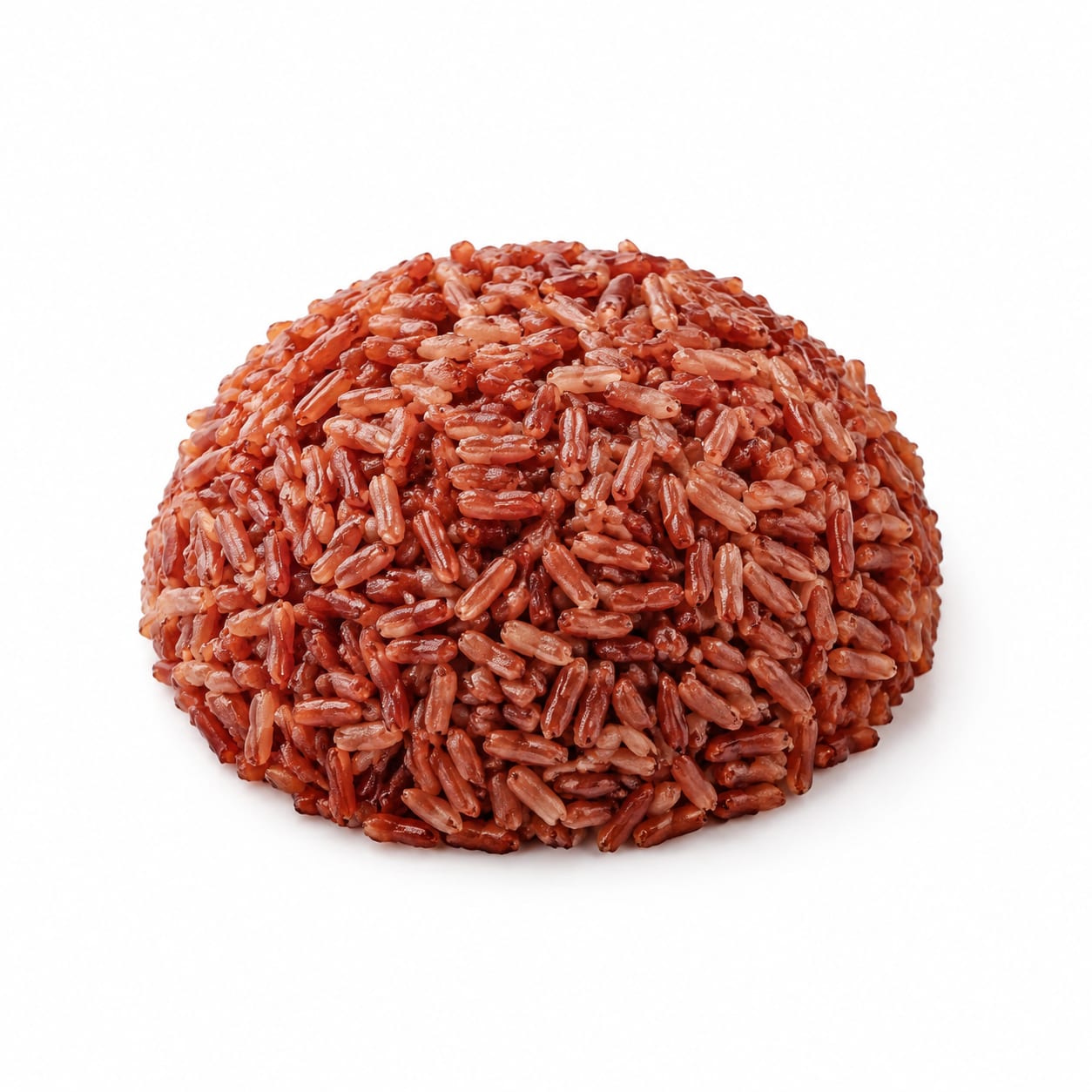
Red Rice
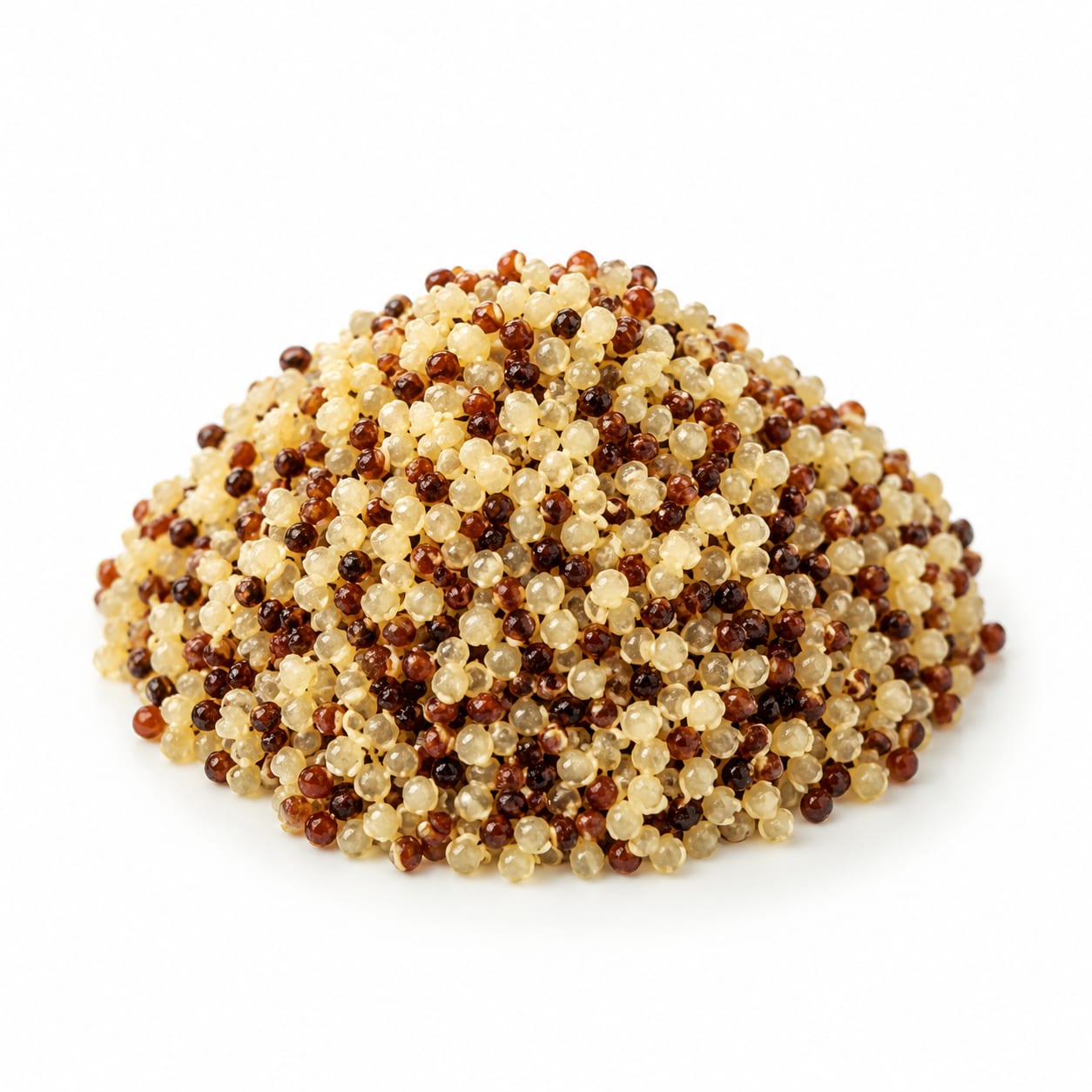
Quinoa
Quinoa wins on protein quality and overall nutrient density, but Red Rice offers superior antioxidants and steadier energy for blood sugar control.
Quinoa scores higher due to its complete protein and richer mineral profile, but Red Rice stays competitive because of its antioxidant edge and lower glycemic impact.
You trade complete protein and faster cooking time for deeper antioxidant protection and slower-digesting carbs.
At a glance
Executive summary
Overall
Quinoa
Healthier
Quinoa
More practical
Quinoa
Daily use
It depends
Key comparison lenses
Complete protein vs. antioxidant benefits
Quinoa is renowned for its complete amino acid profile, while Red Rice offers unique anthocyanins not found in quinoa.
Blood sugar management
Both are whole grains, but their glycemic impacts differ enough to matter for diabetics and energy stability.
Heavy metal and contaminant exposure
Rice is known for arsenic accumulation, a critical safety factor when comparing it to any alternative grain.
Gluten-free carbohydrate alternatives
Both are naturally gluten-free, making them staples for those avoiding wheat, but their cooking convenience differs.
Best choice for
Red Rice
- People managing blood sugar spikes
- Those seeking high antioxidant intake
- Individuals wanting very sustained energy
Quinoa
- Plant-based eaters needing complete protein
- People needing quick-cooking whole grains
- Those looking to boost iron and magnesium intake
Least suitable for
Red Rice
- People needing quick weeknight meals
- Those highly concerned about arsenic exposure
Quinoa
- People with severe saponin sensitivities
- Those on a strict low-calorie diet
Deep comparison
Dimension by dimension
Each lens scores both foods and breaks down who each option suits.
- Dimension 1 · Priority 95Quinoa
Protein Quality & Muscle Support
Red Rice · 55Quinoa · 90Quinoa is a rare plant-based complete protein, containing all essential amino acids. Red Rice lacks sufficient lysine, making its protein less usable for muscle repair.
Tradeoff
You get more total protein and better absorption from Quinoa, while Red Rice provides less protein overall.
Why it matters
Complete proteins are crucial for maintaining muscle mass, especially on plant-based diets.
Real-world impact
Eating Quinoa after a workout gives your muscles the exact building blocks they need, whereas Red Rice would need to be paired with beans or legumes to achieve the same effect.
Red Rice
- Sustained energy during endurance activities
Better for
- Standalone protein source for muscle gain
Worse for
Quinoa
- Post-workout muscle recovery
- Vegan and vegetarian meal balancing
Better for
- Very low-calorie cutting phases
Worse for
- Dimension 2 · Priority 90Red Rice
Blood Sugar Control & Satiety
Red Rice · 85Quinoa · 78Red Rice has a lower glycemic index and digests more slowly, providing steadier energy and keeping you full longer.
Tradeoff
Red Rice keeps blood sugar more stable, but Quinoa digests a bit faster which can be preferable right before or after intense exercise.
Why it matters
Steady blood sugar prevents the afternoon energy crash and reduces cravings.
Real-world impact
A Red Rice lunch bowl will likely keep you full until dinner, while Quinoa might leave you hunting for a snack an hour earlier.
Red Rice
- Preventing afternoon energy crashes
- Managing insulin resistance
Better for
- Pre-workout meals needing fast digestion
Worse for
Quinoa
- Quick replenishment after heavy exertion
Better for
- Late-night snacking where slower digestion is preferred
Worse for
- Dimension 3 · Priority 82Red Rice
Antioxidant Power
Red Rice · 88Quinoa · 70Red Rice gets its color from anthocyanins, the same powerful antioxidants found in blueberries, which Quinoa lacks.
Tradeoff
Red Rice offers deeper cellular protection against oxidative stress, while Quinoa relies more on its vitamin and mineral content.
Why it matters
Anthocyanins reduce inflammation and protect cells from daily wear and tear.
Real-world impact
Regularly eating Red Rice can help combat the cellular aging process similarly to eating dark berries.
Red Rice
- Fighting inflammation
- Supporting cardiovascular health
Better for
- Those who need rapid nutrient absorption over slow antioxidant release
Worse for
Quinoa
- Recovering from mineral-depleting stress
Better for
- Diets specifically targeting high antioxidant intake
Worse for
- Dimension 4 · Priority 85Quinoa
Micronutrient Density
Red Rice · 68Quinoa · 88Quinoa packs significantly more magnesium, iron, and B-vitamins per serving than Red Rice.
Tradeoff
Quinoa delivers more minerals essential for energy and bone health, while Red Rice offers decent nutrients but falls short on iron and magnesium.
Why it matters
Iron and magnesium are common deficiencies that affect energy levels and sleep quality.
Real-world impact
Choosing Quinoa helps fight fatigue and supports better sleep more effectively than Red Rice.
Red Rice
- Diets already rich in meat and leafy greens where extra iron isn't needed
Better for
- Vegans needing to maximize iron intake
Worse for
Quinoa
- Women prone to iron deficiency
- People with muscle cramps needing magnesium
Better for
- Those with hemochromatosis who must limit iron
Worse for
- Dimension 5 · Priority 70It depends
Convenience & Digestive Tolerance
Red Rice · 65Quinoa · 72Quinoa cooks in 15 minutes but contains saponins that can irritate sensitive stomachs. Red Rice takes 40 minutes but is generally very easy on the gut.
Tradeoff
Quinoa saves time on busy weeknights, but requires thorough rinsing to avoid stomach upset. Red Rice takes longer but digests smoothly for almost everyone.
Why it matters
A healthy food only works if you can actually digest it comfortably and have time to cook it.
Real-world impact
If you forget to rinse Quinoa, you might end up with a bitter taste and a mildly upset stomach. Red Rice takes planning but never surprises your digestion.
Red Rice
- People with highly sensitive digestive systems
- Weekend meal prep where cook time doesn't matter
Better for
- Last-minute cooking needs
Worse for
Quinoa
- Quick weeknight dinners
- Meal prep in a time crunch
Better for
- Those who skip rinsing grains
Worse for
Timeline
Health impact over time
Short-term
Hours to days
Red Rice
- Very stable, crash-free energy for hours
- High satiety keeping hunger at bay
Quinoa
- Quick feeling of fullness and satisfaction
- Rapid replenishment of energy stores after activity
Long-term
Months to years
Red Rice
- Reduced oxidative stress and cellular aging from anthocyanins
- Better long-term blood sugar regulation
Quinoa
- Improved muscle maintenance from complete protein
- Better bone density and energy metabolism from higher magnesium
Risk profile
Safety & processing
Both Red Rice and Quinoa are whole, minimally processed foods. Neither contains artificial additives when purchased in their pure form.
Red Rice
Arsenic accumulation
mediumRice naturally accumulates arsenic from soil and water. Red Rice retains its bran layer where arsenic concentrates. Cooking with excess water and draining reduces this significantly.
Quinoa
Saponin irritation
lowQuinoa naturally coats itself in saponins to deter pests. If not rinsed thoroughly, these can cause mild stomach discomfort and a bitter, soapy taste.
Who wins for whom
Audience fit
Same foods, different winners depending on your goal.
children
QuinoaQuinoa cooks faster for busy parents and provides the complete protein and iron crucial for growing bodies.
daily consumption
It dependsRotating both is best: Quinoa for protein and minerals, Red Rice for antioxidants and blood sugar stability.
diabetes
Red RiceRed Rice has a lower glycemic index, resulting in a slower, more manageable blood sugar rise.
elderly
QuinoaQuinoa is softer to chew and provides highly bioavailable magnesium and protein to protect against muscle wasting and bone loss.
muscle gain
QuinoaQuinoa provides a complete protein profile, offering all essential amino acids necessary for muscle repair and growth.
weight loss
Red RiceRed Rice digests slower, keeping you full longer and reducing the urge to snack between meals.
Your move
Decision guide
Choose Red Rice
- You want the steadiest energy without blood sugar spikes
- You prioritize deep antioxidant protection
- You are meal prepping on weekends and cook time isn't an issue
Choose Quinoa
- You need a complete plant protein for muscle maintenance
- You want a quick-cooking grain for busy weeknights
- You need to boost your iron or magnesium intake
Either works if
- You are gluten-free and need healthy carb alternatives
- You want a nutrient-dense base for grain bowls
Avoid both if
- You are on a strict ketogenic or very low-carb diet
Final recommendation
Keep both in your pantry. Use Quinoa on busy days and after workouts for its protein and speed. Rely on Red Rice when you need sustained energy and antioxidant power. Rotating them gives you the best of both worlds while minimizing arsenic risk from eating too much rice.
Practical
Consumer tips
- 1
Always rinse Quinoa under cold water for 30 seconds to wash off bitter saponins.
- 2
Cook Red Rice using the pasta method with plenty of extra water, then drain, to reduce arsenic levels by up to 50%.
- 3
Mix Red Rice and Quinoa together in the same pot for a balance of protein, antioxidants, and varied texture.
- 4
Soak Red Rice for a few hours before cooking to cut down the 40-minute cook time significantly.