
Nutrition comparison
Red Rice vs Farro: Which Ancient Grain Is Healthier?
Compare Red Rice and Farro nutrition, protein, fiber, and gluten content. Find out which grain is better for weight loss, diabetes, and daily meals based on real nutritional tradeoffs.
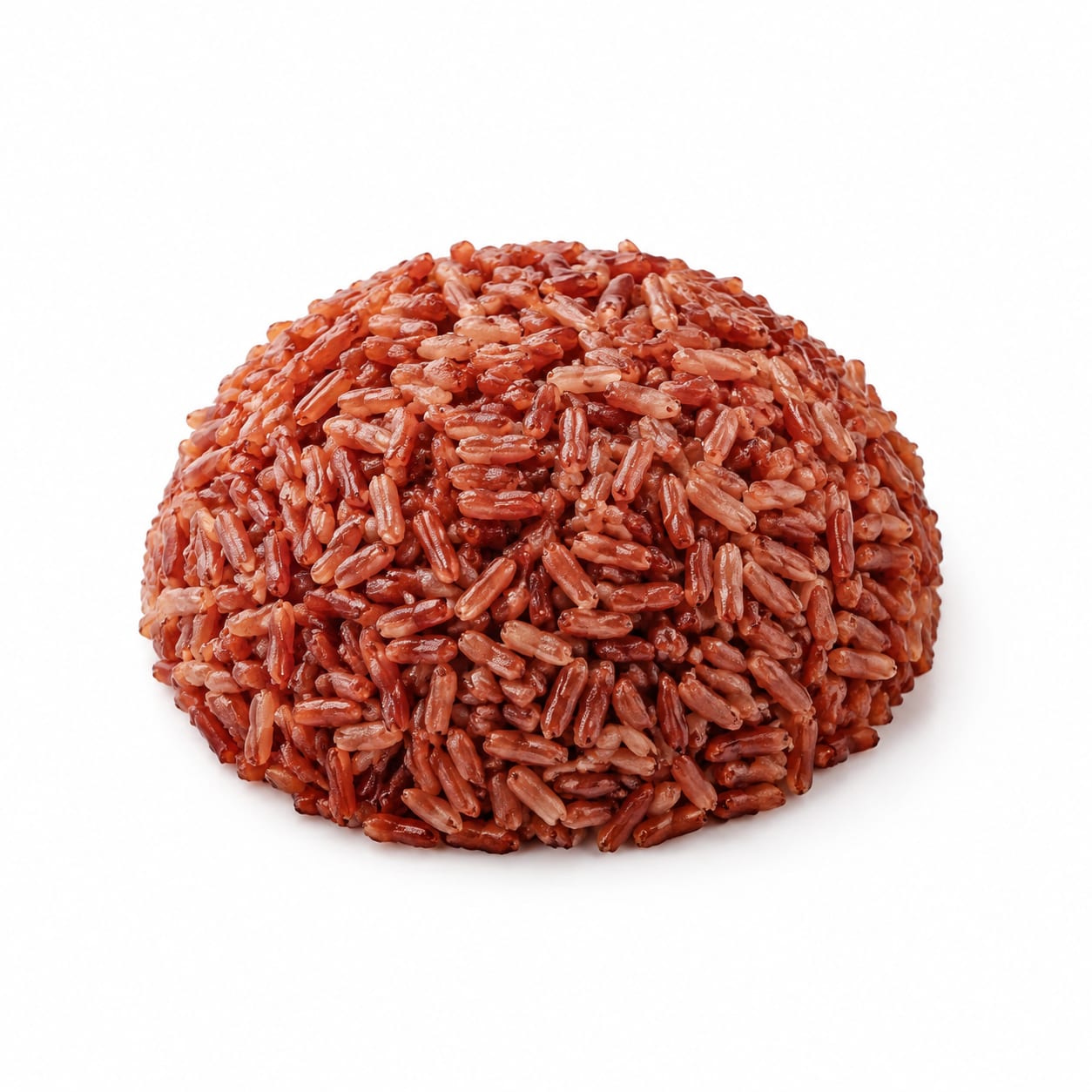
Red Rice
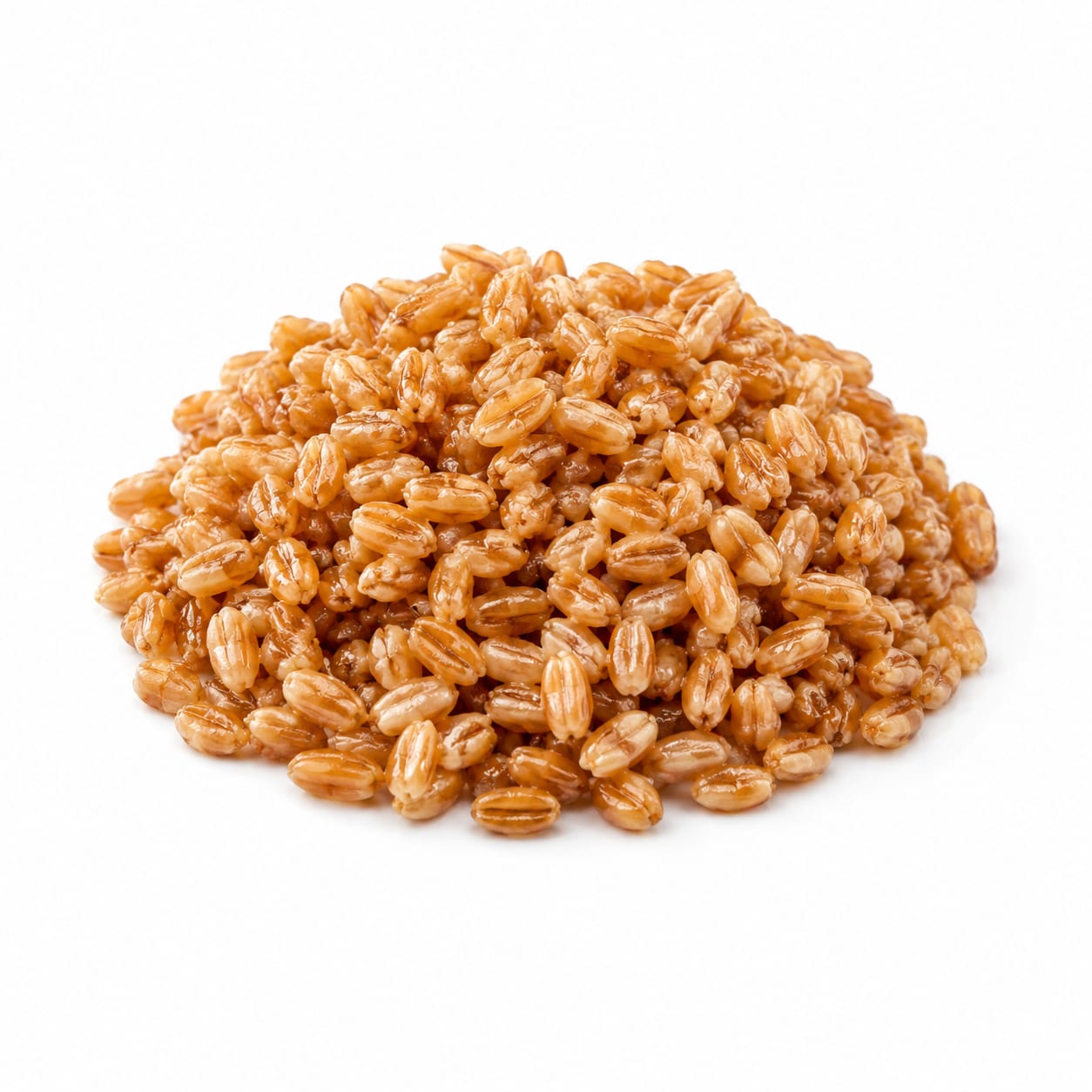
Farro
Farro wins on protein and overall nutrient density, but Red Rice wins for gluten-free diets and antioxidant content. Your choice hinges on gluten tolerance and whether protein or antioxidants matter more to you.
Farro scores higher due to superior protein, fiber, and mineral content. Red Rice remains strong thanks to its antioxidant profile and gluten-free status, but nutritionally it covers fewer bases per serving.
Farro delivers substantially more protein and fiber per serving, while Red Rice offers unique anthocyanin antioxidants and safe consumption for anyone avoiding gluten.
At a glance
Executive summary
Overall
It depends
Healthier
Farro
More practical
It depends
Daily use
Farro
Key comparison lenses
ancient grain nutritional superiority
Both are heritage whole grains prized for nutrient density, so users want to know which delivers more value per bite
gluten-free vs gluten-containing grain decision
Farro contains gluten while Red Rice is naturally gluten-free, a dealbreaker for many consumers
blood sugar management and satiety
Both are whole grains chosen as healthier carb sources, so glycemic impact and staying power matter greatly
protein content for plant-based meals
Farro's notably higher protein makes it attractive for vegetarian and vegan meal planning
cooking convenience and weeknight practicality
Both require longer cook times than white rice, so preparation ease influences real-world use
Best choice for
Red Rice
- Anyone with celiac disease or gluten sensitivity
- People seeking antioxidant-rich carbs for anti-aging benefits
- Those following a gluten-free Mediterranean-style diet
- Households wanting a safer grain for mixed dietary needs
Farro
- Vegetarians and vegans needing plant protein
- Active individuals wanting sustained energy and muscle support
- Meal preppers building hearty grain bowls
- Anyone without gluten concerns seeking maximum nutrition per calorie
Least suitable for
Red Rice
- People prioritizing high protein intake from grains
- Those wanting quick-cooking weeknight staples
- Anyone bored by milder flavors wanting robust taste
Farro
- Anyone with celiac disease or wheat allergy
- People with non-celiac gluten sensitivity
- Those on strict gluten-free protocols for autoimmune conditions
Deep comparison
Dimension by dimension
Each lens scores both foods and breaks down who each option suits.
- Dimension 1 · Priority 90Farro
Protein Content & Quality
Red Rice · 45Farro · 82Farro provides roughly double the protein per serving, making it far more useful for building satisfying, protein-forward meals.
Tradeoff
Red Rice still offers some protein but not enough to meaningfully contribute to daily targets the way Farro can.
Why it matters
Protein from grains helps stabilize blood sugar, keeps you full longer, and reduces the need to add expensive protein sources to every meal.
Real-world impact
A Farro bowl with vegetables feels like a complete meal. A Red Rice bowl often needs added beans, eggs, or chicken to feel equally satisfying.
Red Rice
- Plant-based eaters relying on grains for protein
Worse for
Farro
- Vegetarians counting protein grams
- Athletes recovering from training
- Anyone trying to stay full for 4+ hours after lunch
Better for
- Dimension 2 · Priority 88Farro
Fiber & Digestive Satiety
Red Rice · 62Farro · 84Farro delivers more fiber per serving, leading to better fullness and steadier digestion throughout the day.
Tradeoff
Red Rice still outperforms white or brown rice for fiber, but cannot match Farro's gut-filling bulk.
Why it matters
Higher fiber means slower digestion, fewer cravings between meals, and better long-term gut health.
Real-world impact
Farro eaters often report feeling satisfied until their next meal. Red Rice eaters may find themselves snacking sooner.
Red Rice
- People who need maximum fullness from small portions
Worse for
Farro
- People prone to afternoon energy crashes
- Anyone managing hunger while cutting calories
- Those wanting to improve regularity without supplements
Better for
- Dimension 3 · Priority 82Red Rice
Antioxidant & Anti-inflammatory Value
Red Rice · 88Farro · 55Red Rice contains anthocyanins, the same antioxidant family found in blueberries, giving it a distinct anti-inflammatory edge.
Tradeoff
Farro has some antioxidants but lacks the concentrated pigment compounds that make Red Rice special.
Why it matters
Anthocyanins support heart health, brain function, and cellular aging defense in ways ordinary whole grains cannot replicate.
Real-world impact
Choosing Red Rice is like getting a serving of berries hidden inside your grain bowl, an effortless antioxidant boost with every meal.
Red Rice
- People focused on longevity and healthy aging
- Anyone with chronic inflammation concerns
- Those wanting food-as-medicine benefits beyond basic nutrition
Better for
Farro
- People specifically seeking anti-inflammatory grain choices
Worse for
- Dimension 4 · Priority 86Red Rice
Gluten-Free Compatibility
Red Rice · 100Farro · 0Red Rice is naturally gluten-free, while Farro is a wheat species containing gluten. This is a binary, non-negotiable difference.
Tradeoff
Farro's nutritional advantages become completely irrelevant for anyone who cannot safely consume gluten.
Why it matters
For the roughly 7% of people with gluten-related disorders, Farro is simply not an option regardless of its merits.
Real-world impact
If you have celiac disease, Farro causes real harm. Red Rice lets you enjoy a nutrient-rich whole grain without any risk.
Red Rice
- Anyone with celiac disease
- People with diagnosed gluten sensitivity
- Families cooking for mixed gluten needs
Better for
Farro
- Every person who must avoid gluten for medical reasons
Worse for
- Dimension 5 · Priority 76Farro
Mineral Density (Iron, Magnesium, Zinc)
Red Rice · 58Farro · 80Farro provides more magnesium, zinc, and iron per serving, supporting energy production, immunity, and bone health.
Tradeoff
Red Rice contains decent iron from its bran layer but falls short on magnesium and zinc compared to Farro.
Why it matters
Many people are marginally deficient in magnesium and zinc, and grain choices can meaningfully close that gap over time.
Real-world impact
Regular Farro eaters get a subtle but real mineral insurance policy. Red Rice contributes less toward closing common nutritional gaps.
Red Rice
- Those relying heavily on grains for mineral intake
Worse for
Farro
- People with low magnesium or zinc intake
- Women prone to iron deficiency
- Anyone wanting mineral support without supplements
Better for
- Dimension 6 · Priority 68It depends
Cooking Convenience & Versatility
Red Rice · 60Farro · 65Both require longer cooking than white rice, but pearled Farro cooks faster than whole Red Rice. Semi-pearled Farro offers a middle ground.
Tradeoff
Red Rice needs 30-40 minutes of simmering, while pearled Farro can be ready in 20-25 minutes. However, whole Farro takes just as long as Red Rice.
Why it matters
Grains that take too long get abandoned on busy weeknights, so realistic cook times determine whether you actually eat them.
Real-world impact
If you buy pearled Farro, weeknight dinners feel manageable. Whole Red Rice often requires weekend batch cooking to be practical.
Red Rice
- Slow cooking enthusiasts who batch-prep grains
Better for
- People wanting quick weeknight grain options
Worse for
Farro
- Busy professionals wanting 20-minute grain sides
- Meal preppers who cook once for the whole week
Better for
- Dimension 7 · Priority 80Farro
Blood Sugar Stability
Red Rice · 68Farro · 78Farro's higher fiber and protein combo slows glucose absorption more effectively than Red Rice alone.
Tradeoff
Red Rice still has a lower glycemic index than white or brown rice, but its lower protein content means less blood sugar buffering.
Why it matters
Steadier blood sugar means fewer energy crashes, reduced cravings, and better metabolic health over years of daily eating.
Real-world impact
A Farro lunch keeps you focused through the afternoon. Red Rice may leave you reaching for a snack by 3pm.
Red Rice
- People who need maximum glycemic control from carbs
Worse for
Farro
- People with prediabetes or insulin resistance
- Anyone prone to post-meal energy dips
- Those managing PCOS or metabolic syndrome
Better for
Timeline
Health impact over time
Short-term
Hours to days
Red Rice
- Provides steady energy with moderate satiety due to decent fiber content
- Anthocyanins offer immediate antioxidant activity after consumption
- May feel less filling than Farro-based meals, potentially leading to earlier hunger
Farro
- High protein and fiber create strong fullness that lasts 3-4 hours
- Complex carbohydrates digest slowly, preventing sugar spikes and crashes
- Heavier texture feels more substantial and meal-like compared to rice dishes
Long-term
Months to years
Red Rice
- Consistent anthocyanin intake supports cardiovascular and cognitive health over decades
- Gluten-free nature reduces chronic inflammation risk for sensitive individuals
- Lower protein contribution may require more thoughtful meal planning to maintain muscle mass with age
Farro
- Superior fiber intake supports gut microbiome diversity and reduced colorectal cancer risk
- Higher mineral density helps prevent magnesium and zinc deficiencies common in aging populations
- Gluten exposure is safe for most people but may trigger issues in undiagnosed sensitive individuals over time
Risk profile
Safety & processing
Both Red Rice and Farro are whole, minimally processed ancient grains. Neither typically contains additives, preservatives, or artificial ingredients when purchased in pure form. The main distinction is that pearled Farro has had some bran removed for faster cooking, slightly reducing its whole-grain status compared to fully intact Red Rice.
Red Rice
Arsenic contamination
mediumRice naturally accumulates more arsenic than other grains. Red Rice generally has lower levels than brown or white rice, but rinsing thoroughly and cooking in excess water reduces exposure significantly.
Mislabeled or adulterated products
lowSome Red Rice products may be white rice colored with artificial dyes, especially from less regulated sources. Buy from trusted brands and look for whole grain certification.
Farro
Gluten-related reactions
highFarro is a wheat species containing gluten. For people with celiac disease, even trace exposure causes intestinal damage. Non-celiac gluten sensitivity affects a smaller but meaningful population.
Cross-contamination in processing
lowFarro is often processed on shared equipment with other wheat products. This is only a concern for highly sensitive individuals, as Farro already contains gluten inherently.
Who wins for whom
Audience fit
Same foods, different winners depending on your goal.
children
Red RiceRed Rice is gluten-free, making it safer for children with undiagnosed sensitivities, and its milder flavor and softer texture appeal more to young palates.
daily consumption
FarroFarro's broader nutritional profile makes it a stronger daily staple for people without gluten concerns, delivering more protein, fiber, and minerals per serving.
diabetes
FarroFarro's superior fiber-protein combination slows glucose absorption more effectively, leading to flatter blood sugar responses after meals.
elderly
FarroFarro's higher mineral content supports bone density and immune function, while its fiber helps prevent constipation common in older adults.
muscle gain
FarroFarro provides roughly 7g protein per cooked cup versus Red Rice's 4g, offering more amino acid support for muscle maintenance and growth.
weight loss
FarroFarro's higher protein and fiber create stronger satiety with similar calories, making it easier to eat less overall without feeling deprived.
Your move
Decision guide
Choose Red Rice
- You have celiac disease, gluten sensitivity, or cook for someone who does
- You prioritize antioxidant-rich foods for longevity and anti-aging benefits
- You want a gluten-free grain that still offers more nutrition than white or brown rice
- You have arthritis or chronic inflammation and want food-based anti-inflammatory support
Choose Farro
- You tolerate gluten well and want maximum nutritional return from your grain choices
- You are vegetarian or vegan and need grain-based protein to meet daily targets
- You want a grain that keeps you full for hours without snacking between meals
- You are managing blood sugar, prediabetes, or metabolic syndrome
Either works if
- You simply want a whole grain upgrade from white rice and both are available
- You rotate grains for dietary diversity, which is optimal for gut microbiome health
- You enjoy both flavors and want variety in your weekly meal prep
Avoid both if
- You are on a strict low-carb or ketogenic diet requiring grain elimination
- You have severe digestive conditions requiring a low-fiber temporary diet
- You are allergic to both rice and wheat proteins, which is rare but possible
Final recommendation
If gluten is not a concern, Farro is the nutritionally stronger choice for daily use thanks to its protein, fiber, and mineral advantages. If you need gluten-free or want the antioxidant edge, Red Rice is an excellent whole grain that outperforms most rice varieties. The best approach for most people is rotating both: Farro for protein-heavy meals, Red Rice for anti-inflammatory and gluten-free days.
Practical
Consumer tips
- 1
Rinse Red Rice thoroughly before cooking to reduce arsenic levels by up to 30%
- 2
Buy semi-pearled Farro rather than fully pearled to retain more fiber while still saving cook time
- 3
Soak either grain overnight to cut cooking time in half and improve mineral absorption
- 4
Look for Bhutanese or Himalayan Red Rice varieties, which tend to have lower arsenic levels than Southern US grown rice
- 5
Cook a large batch on Sunday and refrigerate portions for up to 5 days of quick meal assembly
- 6
Add a splash of olive oil and lemon juice to cooked Farro to enhance mineral absorption and flavor
- 7
Mix Red Rice with quinoa for a gluten-free grain bowl with complete protein