
Nutrition comparison
Red Rice vs Brown Rice: Which Whole Grain is Healthier?
Compare Red Rice vs Brown Rice for antioxidants, blood sugar impact, and weight loss. Discover which whole grain is best for your health goals and daily meals.
Overall winner · Red Rice
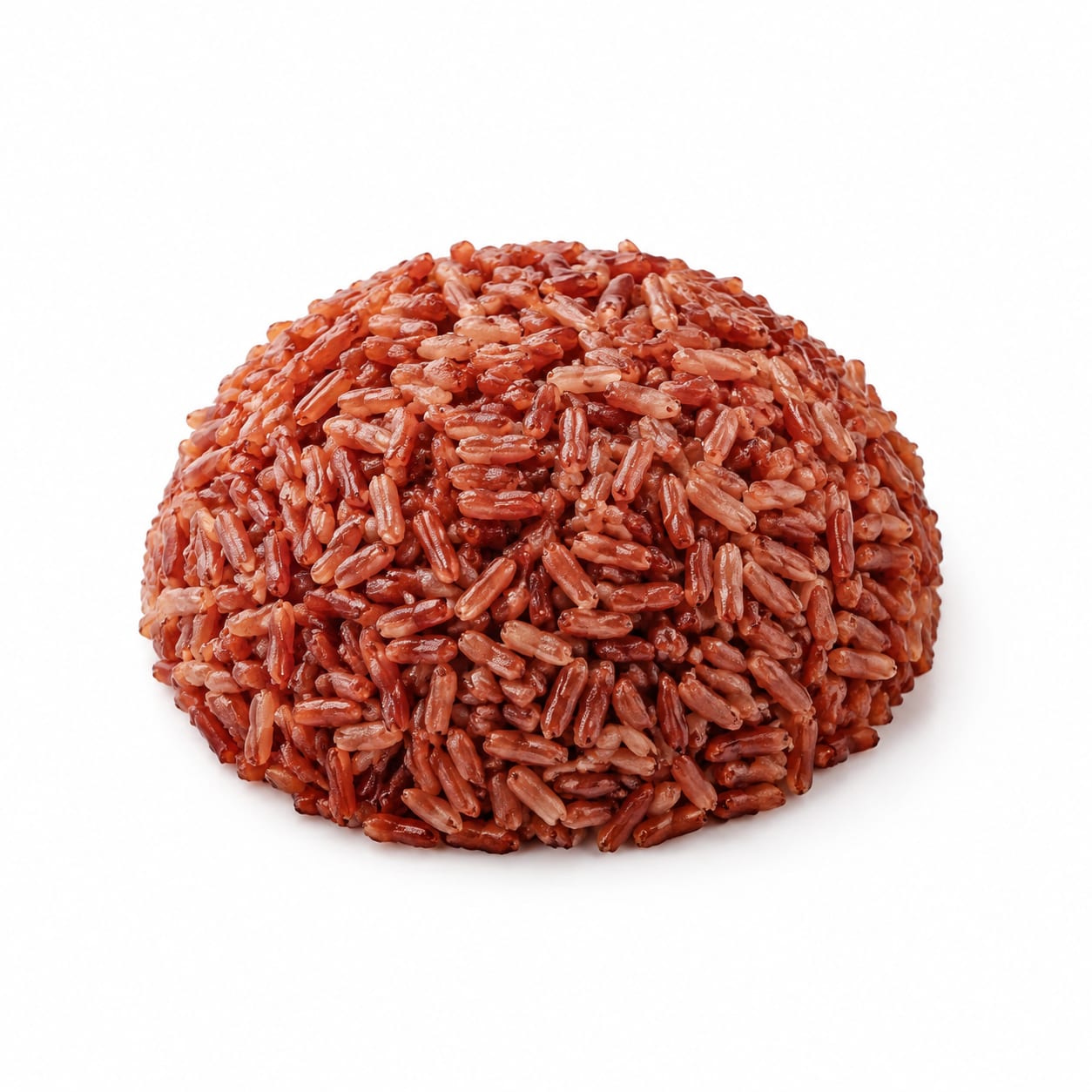
Red Rice
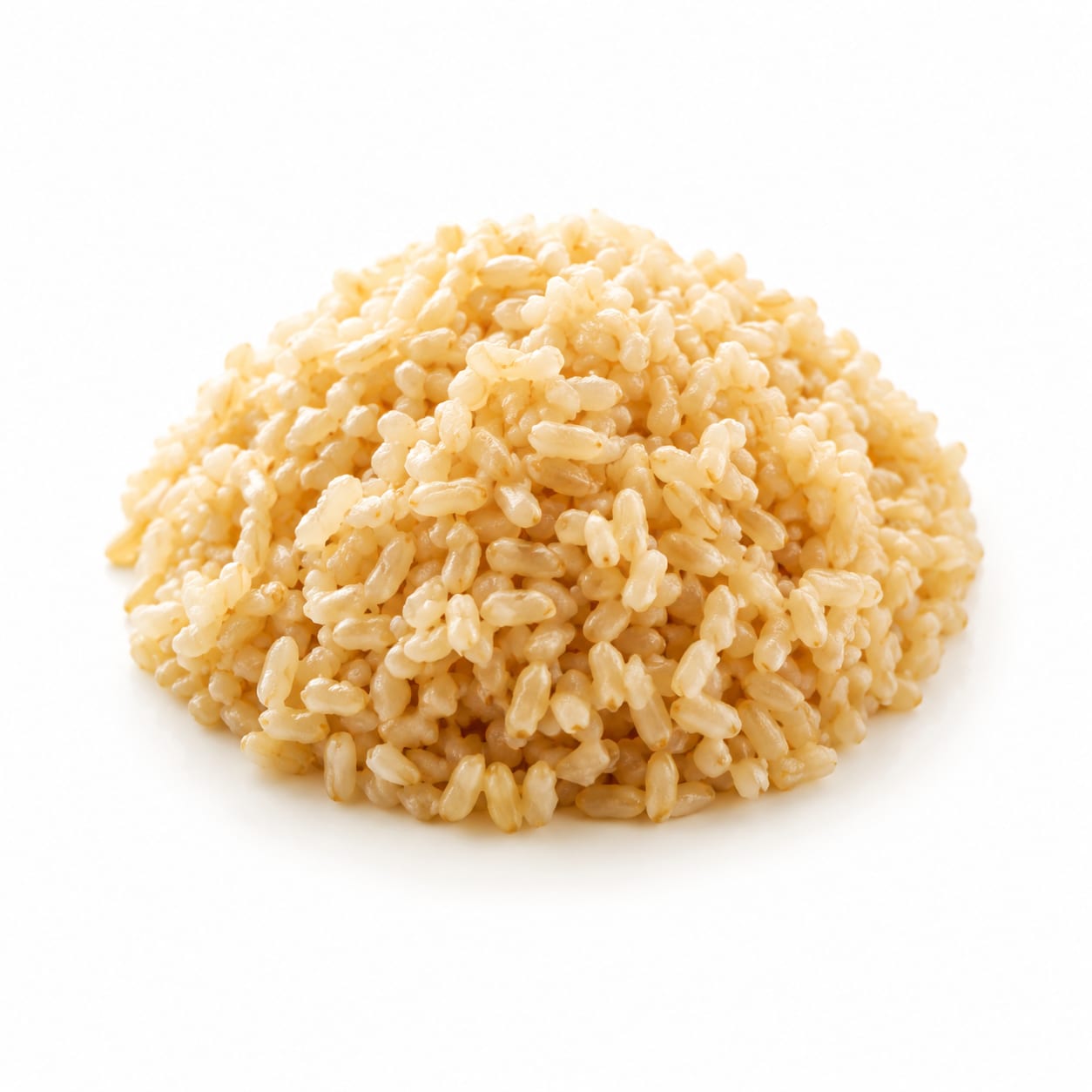
Brown Rice
Red Rice edges out Brown Rice thanks to its superior antioxidant content and slightly lower glycemic impact, though Brown Rice remains the more practical and familiar everyday staple.
Red Rice scores slightly higher due to its exceptional antioxidant profile and blood sugar benefits, while Brown Rice stays competitive with better practicality and everyday convenience.
You trade faster cooking times and wider availability in Brown Rice for a significant boost in inflammation-fighting antioxidants and a chewier, nuttier bite with Red Rice.
At a glance
Executive summary
Overall
Red Rice
Healthier
Red Rice
More practical
Brown Rice
Daily use
Brown Rice
Key comparison lenses
Antioxidant and nutrient density comparison
Red Rice is uniquely rich in anthocyanins, while Brown Rice offers standard whole grain benefits, making antioxidant capacity the key differentiator.
Blood sugar and glycemic impact
Both are whole grains, but users often choose alternative rices specifically for steadier blood sugar control.
Practicality and everyday convenience
Cooking times, availability, and flavor adaptability heavily influence which grain people actually stick with long-term.
Best choice for
Red Rice
- People seeking maximum antioxidant and anti-inflammatory benefits
- Those wanting a lower glycemic whole grain option
- Anyone looking to add a visually striking, nutty grain to bowls
Brown Rice
- Families wanting a familiar, mild-flavored whole grain staple
- Meal preppers who value slightly faster cooking times
- Budget-conscious shoppers needing easy supermarket availability
Least suitable for
Red Rice
- Those who prefer soft, tender rice textures
- People needing a quick-cooking weeknight side dish
Brown Rice
- Those specifically targeting high anthocyanin intake
- People looking for the absolute lowest glycemic index grain
Deep comparison
Dimension by dimension
Each lens scores both foods and breaks down who each option suits.
- Dimension 1 · Priority 95Red Rice
Antioxidant Profile & Inflammation
Red Rice · 92Brown Rice · 65Red Rice contains anthocyanins—the same antioxidants found in blueberries—giving it a major edge in fighting cellular damage and inflammation.
Tradeoff
You get far more antioxidant protection from Red Rice, but you pay a premium price compared to standard Brown Rice.
Why it matters
Chronic inflammation drives aging and disease; eating anthocyanin-rich foods like Red Rice is an easy daily defense.
Real-world impact
Swapping Brown Rice for Red Rice a few times a week can meaningfully boost your antioxidant intake without changing your diet structure.
Red Rice
- Reducing systemic inflammation
- Protecting cells from oxidative stress
- Adding variety to a whole grain rotation
Better for
- Budget-friendly meal prep
Worse for
Brown Rice
- Keeping grocery bills lower
- Sticking to a simple, familiar routine
Better for
- Targeted antioxidant therapy through food
Worse for
- Dimension 2 · Priority 88Red Rice
Blood Sugar Stability
Red Rice · 84Brown Rice · 78Both are whole grains that digest slower than white rice, but Red Rice typically has a slightly lower glycemic index, leading to steadier energy.
Tradeoff
Red Rice offers marginally better blood sugar control, though the difference is modest and both are solid choices compared to refined grains.
Why it matters
Avoiding blood sugar spikes prevents the afternoon energy crash and reduces cravings later in the day.
Real-world impact
A lunch bowl with Red Rice might keep you full and focused an hour longer than the same bowl with Brown Rice.
Red Rice
- Managing insulin resistance
- Sustaining energy through long afternoons
- Preventing sugar cravings
Better for
- Quick pre-workout carb loading where faster digestion is desired
Worse for
Brown Rice
- Maintaining decent blood sugar control on a budget
Better for
- Strict glycemic control for diabetes management
Worse for
- Dimension 3 · Priority 80Brown Rice
Practicality & Accessibility
Red Rice · 60Brown Rice · 88Brown Rice is a supermarket staple that cooks faster and costs less, making it far easier to adopt as a daily habit.
Tradeoff
Choosing Brown Rice saves time and money, but you miss out on the unique nutrients and color that Red Rice brings to the plate.
Why it matters
The healthiest food is the one you can actually prepare consistently without stress or expense.
Real-world impact
Brown Rice can be found anywhere and cooked in 30-40 minutes, while Red Rice might require a specialty store and up to 50 minutes of cooking.
Red Rice
- Creating visually impressive, restaurant-quality meals at home
Better for
- Last-minute meal prep
- Tight grocery budgets
Worse for
Brown Rice
- Quick weeknight dinners
- Bulk buying and pantry stocking
- Travel or living in areas with limited grocery options
Better for
- Adventurous or diverse culinary experiences
Worse for
- Dimension 4 · Priority 75It depends
Satiety & Digestive Health
Red Rice · 80Brown Rice · 80Both grains offer excellent fiber content to keep you full and support healthy digestion, performing nearly identically in this category.
Tradeoff
Red Rice is slightly chewier, which can slow down eating and enhance fullness signals, while Brown Rice is easier to digest for sensitive stomachs.
Why it matters
Feeling full and satisfied after meals prevents overeating and unnecessary snacking.
Real-world impact
Either grain will keep you satisfied for hours; the main difference is the mouthfeel and chewing time.
Red Rice
- Slowing down meal pace through chewier texture
- Feeling physically full from a denser bite
Better for
- People with jaw or dental discomfort
Worse for
Brown Rice
- Easier chewing for those with dental issues
- Gentler on sensitive digestive systems
Better for
- Those who need intense chewing to feel satisfied
Worse for
Timeline
Health impact over time
Short-term
Hours to days
Red Rice
- Provides steady, long-lasting energy without a sugar crash
- The chewy texture promotes mindful eating and earlier fullness
Brown Rice
- Delivers reliable sustained energy for daily activities
- Familiar texture makes it an easy swap from white rice
Long-term
Months to years
Red Rice
- Anthocyanins may lower the risk of chronic diseases like heart disease and type 2 diabetes
- Consistent intake supports reduced systemic inflammation
Brown Rice
- Regular consumption supports heart health and weight maintenance
- High magnesium and fiber help maintain bowel regularity and metabolic health
Risk profile
Safety & processing
Both Red Rice and Brown Rice are whole grains with only the outer hull removed, making them equally natural and free from artificial additives.
Red Rice
Arsenic contamination
mediumLike all rice, Red Rice can accumulate arsenic from soil; rinsing thoroughly and cooking in excess water reduces this risk significantly.
Brown Rice
Arsenic contamination
mediumBrown Rice tends to have slightly higher arsenic levels than white rice because arsenic concentrates in the bran, though cooking methods can mitigate this.
Who wins for whom
Audience fit
Same foods, different winners depending on your goal.
children
Brown RiceBrown Rice has a softer, more familiar texture that kids accept more easily, and it is cheaper to serve in large family portions.
daily consumption
Brown RiceBrown Rice is more affordable, widely available, and easier to cook, making it a more sustainable daily staple for most households.
diabetes
Red RiceRed Rice has a marginally lower glycemic index and higher antioxidant content, offering better blood sugar control and reduced inflammation for diabetics.
elderly
Brown RiceBrown Rice is easier to chew and digest for aging teeth and sensitive stomachs, while still providing excellent nutritional value.
muscle gain
Brown RiceBrown Rice is more practical for eating in larger quantities frequently, providing the consistent carbs needed for intense training without breaking the bank.
weight loss
Red RiceRed Rice's chewier texture and slightly lower glycemic index help control appetite and stabilize blood sugar, making it slightly more supportive of weight loss.
Your move
Decision guide
Choose Red Rice
- You want to maximize your antioxidant intake and fight inflammation
- You enjoy chewy, nutty grains and want a more visually striking plate
- Blood sugar control is a top priority for you
Choose Brown Rice
- You need a budget-friendly, easy-to-find whole grain staple
- You prefer a milder flavor and softer texture
- You meal prep frequently and value shorter cooking times
Either works if
- You simply want a high-fiber whole grain instead of white rice
- You are looking for steady energy to get through the workday
Avoid both if
- You have severe arsenic sensitivity concerns and prefer lower-arsenic grains like quinoa or oats
- You need a quick-digesting carb source right before a workout
Final recommendation
Keep Brown Rice as your affordable, everyday workhorse, but rotate in Red Rice a few times a week to get those powerful anthocyanin antioxidants. The best approach is a diverse grain bowl.
Practical
Consumer tips
- 1
Reduce arsenic in both rices by rinsing well and cooking in a 6:1 water-to-rice ratio, then draining the excess water.
- 2
Save time by cooking a large batch of either grain and freezing portions for quick weeknight meals.
- 3
Mix Red Rice and Brown Rice together while cooking for a balance of Brown Rice's softness and Red Rice's antioxidant boost.
- 4
Look for 'Bhutanese' or 'Camargue' Red Rice varieties, as they often cook faster than other red rice types.