
Nutrition comparison
Red Rice vs Wild Rice: Nutrition, Health Benefits & Which is Better
Compare Red Rice vs Wild Rice to see which is healthier for weight loss, diabetes, and daily nutrition. Learn the key differences in protein, fiber, and cost.
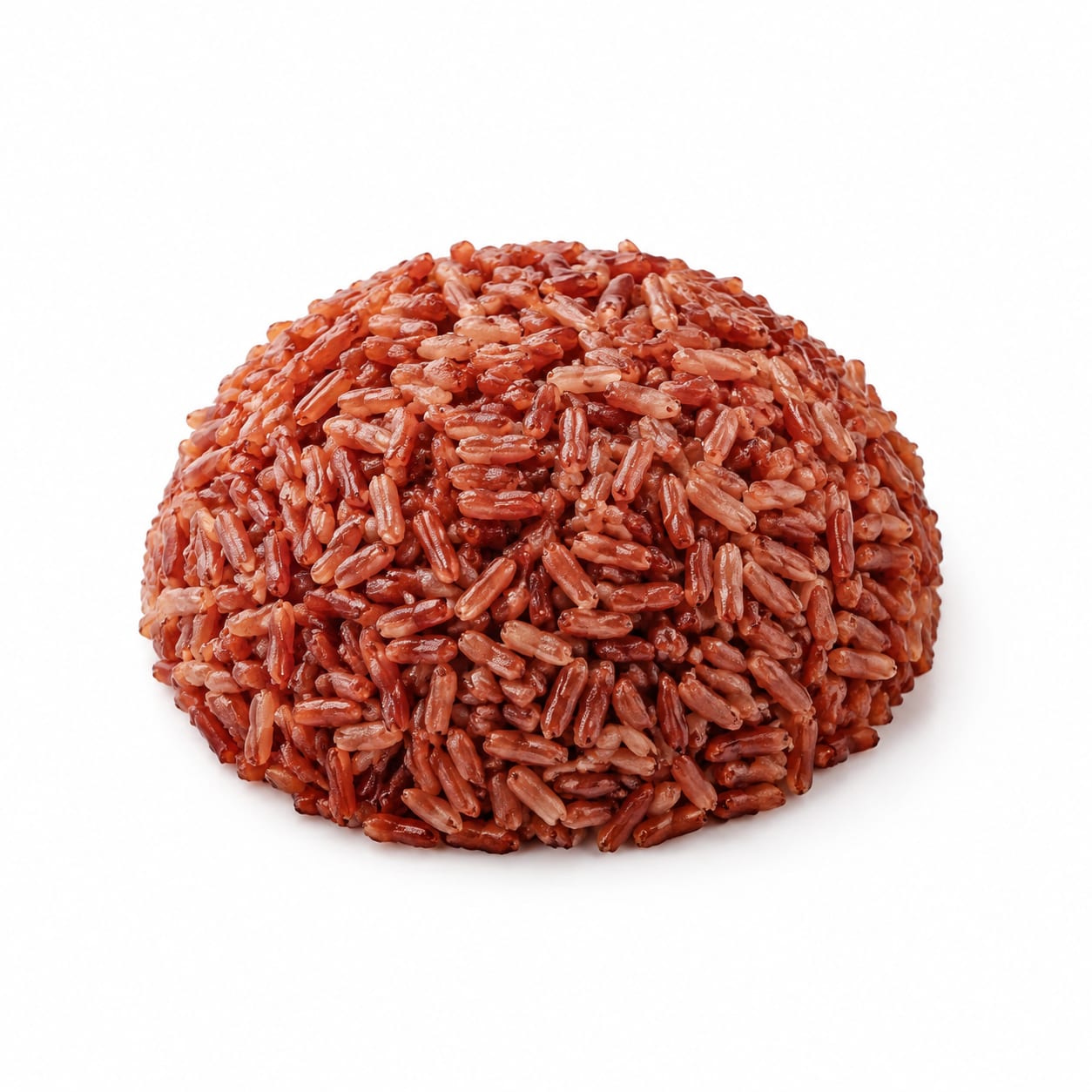
Red Rice
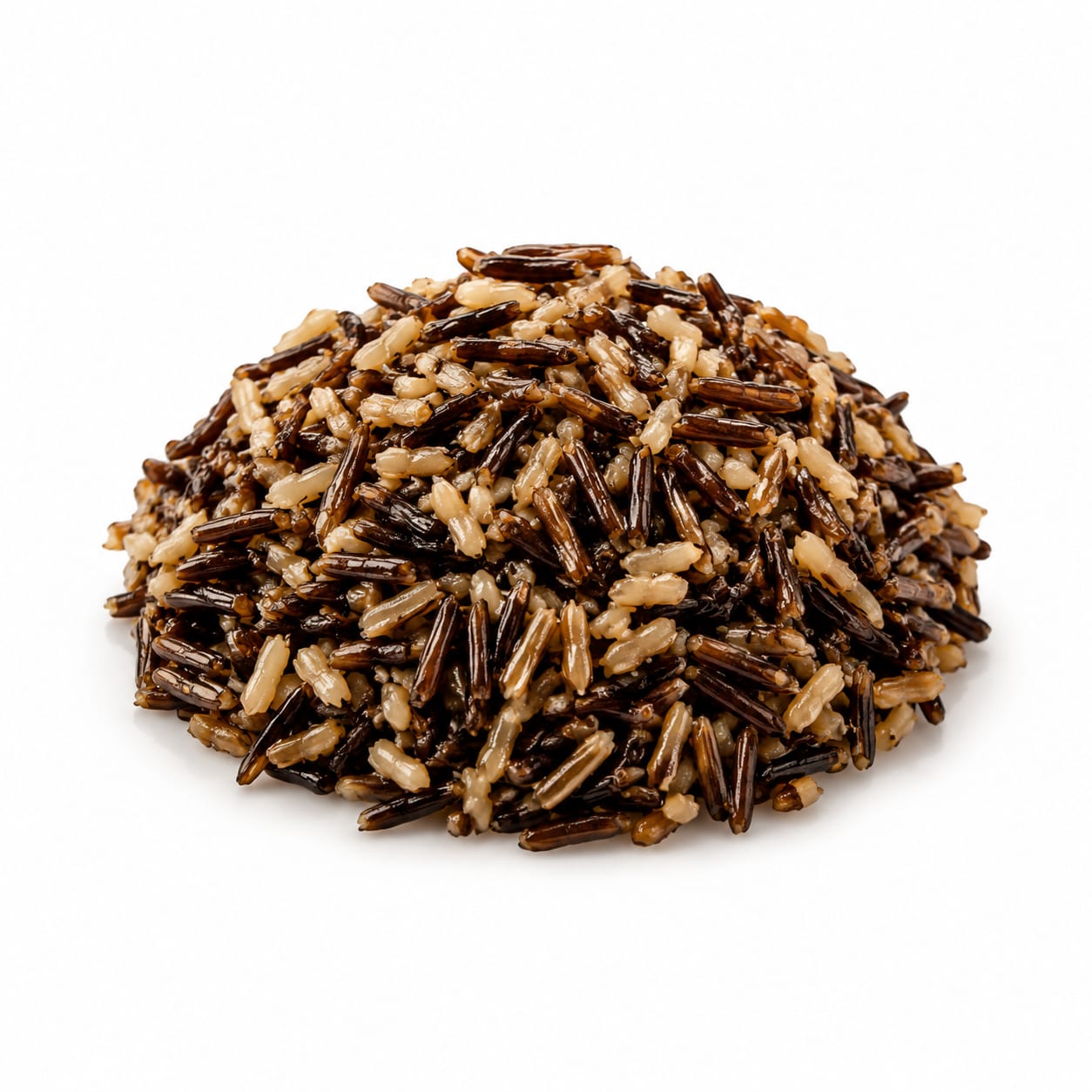
Wild Rice
Wild Rice edges ahead for protein and lower calories, while Red Rice offers better mineral content and a much friendlier price tag.
Wild Rice scores slightly higher due to its exceptional protein-to-calorie ratio and antioxidant density, but Red Rice remains a strong, affordable whole grain choice.
Superior nutrition and lightness of Wild Rice versus the affordability and iron-rich profile of Red Rice.
At a glance
Executive summary
Overall
It depends
Healthier
Wild Rice
More practical
Red Rice
Daily use
Red Rice
Key comparison lenses
Nutritional density and protein quality
Wild Rice is unusually high in protein for a grain, while Red Rice offers superior minerals like iron and magnesium.
Blood sugar and weight management
Both are whole grains, but their differing carb and calorie densities heavily impact dieters and diabetics.
Budget and everyday practicality
Wild Rice is notoriously expensive, making Red Rice the more realistic daily staple for most households.
Toxin and heavy metal exposure
Rice is known for arsenic accumulation, whereas Wild Rice is a different plant entirely with a different risk profile.
Best choice for
Red Rice
- Budget-conscious families
- People needing an iron boost
- Those who eat rice as a daily staple
Wild Rice
- Low-carb or calorie-conscious eaters
- Athletes needing plant protein
- Those seeking lighter, nutrient-dense meals
Least suitable for
Red Rice
- Strict low-calorie dieters
- People looking for high-protein grains
Wild Rice
- Tight grocery budgets
- Those who need quick-cooking staples
Deep comparison
Dimension by dimension
Each lens scores both foods and breaks down who each option suits.
- Dimension 1 · Priority 95Wild Rice
Nutritional Density
Red Rice · 78Wild Rice · 90Wild Rice delivers significantly more protein and folate per serving, while Red Rice provides more iron and magnesium.
Tradeoff
You gain protein and B-vitamins with Wild Rice but lose some of the iron and magnesium found in Red Rice.
Why it matters
Protein helps with fullness and muscle maintenance, making Wild Rice more nutritionally complete as a plant-based base.
Real-world impact
A bowl of Wild Rice keeps you fuller for longer without needing as much added protein, whereas Red Rice might leave you hungry sooner if eaten alone.
Red Rice
- Anemia-prone individuals needing iron
- Those seeking magnesium for muscle recovery
Better for
- Those relying on grain for a primary protein source
Worse for
Wild Rice
- Plant-based eaters needing protein
- Pregnant women needing folate
Better for
- People with high iron needs
Worse for
- Dimension 2 · Priority 90It depends
Blood Sugar Stability
Red Rice · 82Wild Rice · 85Both are whole grains with a low glycemic index, but Wild Rice has slightly fewer digestible carbs per serving.
Tradeoff
Wild Rice is lighter on carbs, but Red Rice's soluble fiber also does an excellent job slowing absorption.
Why it matters
Stable blood sugar means no afternoon energy crashes or intense cravings.
Real-world impact
Both options keep energy steady compared to white rice, but Wild Rice offers a slight edge for diabetics counting carbs strictly.
Red Rice
- Those who prefer a denser, more filling carb source
Better for
- Strict low-carb dieters
Worse for
Wild Rice
- Diabetics managing strict carb limits
- Those seeking lighter meals without sugar spikes
Better for
- Athletes needing dense carb fueling post-workout
Worse for
- Dimension 3 · Priority 85Wild Rice
Satiety & Weight Management
Red Rice · 75Wild Rice · 88Wild Rice has about 30% fewer calories than Red Rice per cooked cup while offering more protein, making it highly satiating for the calorie cost.
Tradeoff
Red Rice is more calorically dense, which can be good for bulking but less ideal for cutting.
Why it matters
Eating high-volume, low-calorie foods helps prevent overeating without feeling deprived.
Real-world impact
You can eat a larger portion of Wild Rice for fewer calories, making it easier to stick to a weight loss plan.
Red Rice
- Underweight individuals needing calories
- Heavy laborers needing dense energy
Better for
- Calorie counters
Worse for
Wild Rice
- Weight loss dieters
- People who like large portion sizes
Better for
- Those needing inexpensive caloric fuel
Worse for
- Dimension 4 · Priority 75It depends
Antioxidant Profile
Red Rice · 85Wild Rice · 88Red Rice is rich in anthocyanins (the red pigment), while Wild Rice boasts impressive flavonoids and total antioxidant activity rivaling some fruits.
Tradeoff
Both are antioxidant powerhouses, just with different beneficial compounds targeting cellular health.
Why it matters
Antioxidants fight inflammation and support long-term cellular health and aging.
Real-world impact
Regularly eating either grain helps reduce inflammation, but mixing them gives you the broadest spectrum of benefits.
Red Rice
- Those focused on anthocyanin benefits for heart health
Better for
Wild Rice
- Those seeking overall cellular protection and anti-aging benefits
Better for
- Dimension 5 · Priority 80Red Rice
Practicality & Cost
Red Rice · 85Wild Rice · 55Red Rice is widely available and reasonably priced, whereas Wild Rice is expensive and often mixed with other rice to lower cost.
Tradeoff
You pay a premium for Wild Rice's nutritional edge, which makes daily use impractical for many.
Why it matters
A healthy food only works if you can afford to eat it consistently.
Real-world impact
Red Rice easily fits into a weekly grocery budget, while Wild Rice might be reserved for special meals or side dishes.
Red Rice
- Families on a budget
- Bulk meal preppers
Better for
Wild Rice
- Special occasion dinners
- Those with flexible food budgets
Better for
- Budget-conscious shoppers
- Students
Worse for
Timeline
Health impact over time
Short-term
Hours to days
Red Rice
- Steady energy from complex carbs
- Satisfying, hearty meal base that prevents quick hunger
Wild Rice
- Light but filling meals
- Lower post-meal sluggishness due to lower calorie density
Long-term
Months to years
Red Rice
- Improved iron status and energy levels
- Better digestive regularity from consistent fiber intake
Wild Rice
- Better weight maintenance over the years
- Stronger cellular defense from high antioxidant intake
Risk profile
Safety & processing
Both Red Rice and Wild Rice are whole, unrefined grains with no artificial additives, making them clean, single-ingredient foods.
Red Rice
Arsenic contamination
mediumRice naturally accumulates arsenic from soil and water; Red Rice, like other whole rice, retains more arsenic in its bran layer.
Wild Rice
Mislabeling and adulteration
lowCommercial Wild Rice is often blended with standard processed rice; pure Wild Rice is pricier and requires label checking.
Who wins for whom
Audience fit
Same foods, different winners depending on your goal.
children
Red RiceRed Rice is more affordable for growing families and provides essential iron for childhood development.
daily consumption
Red RiceRed Rice is far more affordable and accessible for everyday meals without breaking the bank.
diabetes
Wild RiceWild Rice has a lower glycemic load and fewer digestible carbs per serving, making blood sugar management easier.
elderly
Wild RiceWild Rice is lighter on digestion and provides folate and zinc, which are crucial for aging immune systems and appetite maintenance.
muscle gain
Wild RiceWild Rice has nearly double the protein of Red Rice, supporting muscle repair better alongside other protein sources.
weight loss
Wild RiceWild Rice offers more volume and protein for fewer calories, making it easier to maintain a deficit without feeling hungry.
Your move
Decision guide
Choose Red Rice
- You are on a tight grocery budget
- You need more iron in your diet
- You want a hearty, everyday whole grain that cooks up reliably
Choose Wild Rice
- You are counting calories or carbs
- You want to maximize plant-based protein
- You are cooking a special meal and want a nutritional upgrade
Either works if
- You want a break from white or brown rice
- You are looking for a high-fiber side dish
- You want to boost your antioxidant intake with whole grains
Avoid both if
- You are on a strict zero-carb or keto diet
- You have severe digestive issues tolerating high-fiber grains
Final recommendation
For daily sustenance on a budget, Red Rice is your reliable workhorse. If you want a lighter, protein-packed upgrade and don't mind the cost, Wild Rice is the superior nutritional choice. Mixing the two gives you the best of both worlds.
Practical
Consumer tips
- 1
Check labels on Wild Rice blends; many contain mostly white or brown rice with only a small percentage of actual Wild Rice.
- 2
To reduce arsenic in Red Rice, rinse it thoroughly and cook it in extra water, draining the excess like pasta.
- 3
Cook both grains in broth instead of water to enhance their naturally nutty flavors without adding fat.
- 4
Mix Red Rice and Wild Rice together to balance cost, nutrition, and texture in one pot.