
Nutrition comparison
Red Rice vs Basmati Rice: Which is Healthier?
Compare Red Rice vs Basmati Rice to find out which is better for blood sugar, weight loss, and daily nutrition. Learn the key health differences and cooking tradeoffs.
Overall winner · Red Rice
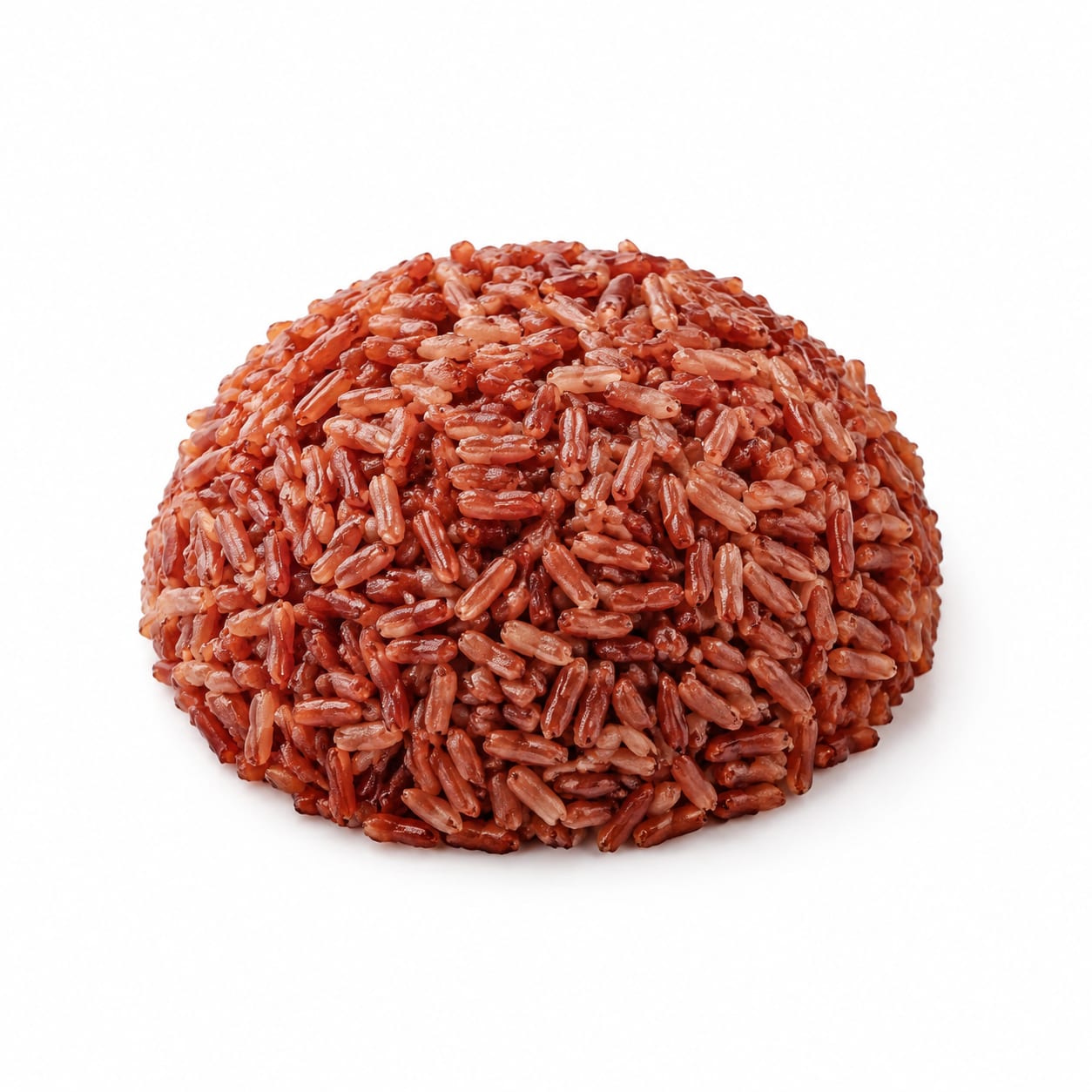
Red Rice
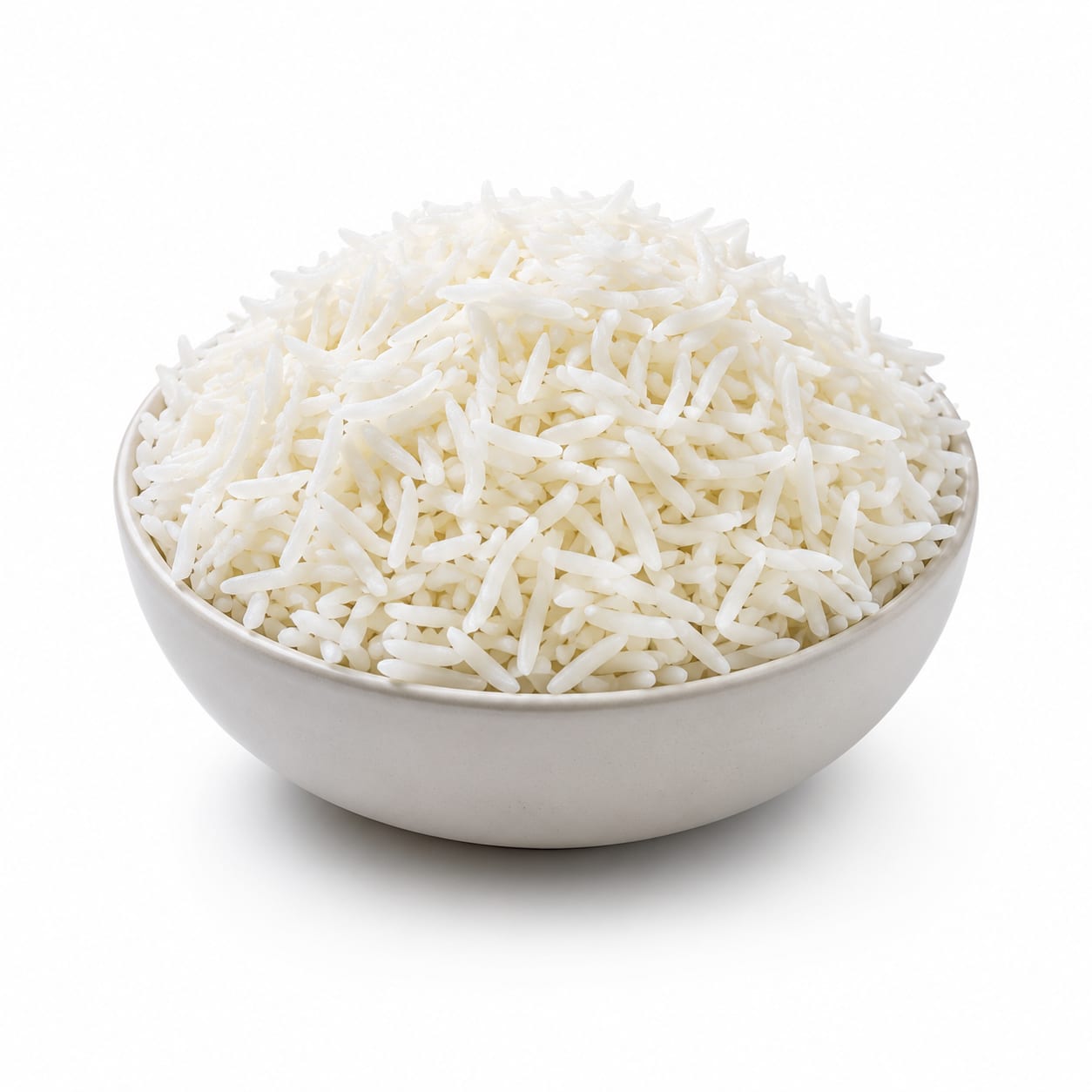
Basmati Rice
Red Rice delivers far more fiber, antioxidants, and steady energy, while Basmati Rice offers a lighter, fluffier texture and easier digestion.
Red Rice scores notably higher due to its whole-grain benefits, including high fiber and anthocyanins. Basmati Rice scores lower on nutrition but remains a culturally versatile, easy-to-digest staple.
Nutritional density and fullness versus softer texture and quicker cooking time.
At a glance
Executive summary
Overall
Red Rice
Healthier
Red Rice
More practical
Basmati Rice
Daily use
Red Rice
Key comparison lenses
Blood sugar control and glycemic impact
Rice is a staple carb, so how it affects blood sugar is usually the primary health concern for consumers.
Nutrient density and antioxidant intake
Red Rice retains its bran layer, offering significantly more vitamins, minerals, and antioxidants than milled Basmati Rice.
Digestive comfort and tolerance
High-fiber grains can cause bloating for some, making lower-fiber Basmati Rice a preferred option for sensitive stomachs.
Culinary texture and meal pairing
Basmati Rice is prized for its fluffy, separate grains, while Red Rice offers a chewier, nuttier bite that changes the eating experience.
Best choice for
Red Rice
- Managing blood sugar and preventing energy crashes
- Increasing daily fiber and antioxidant intake
- Feeling full and satisfied on fewer calories
Basmati Rice
- Pre-workout or post-workout carb loading
- Those with sensitive digestion or IBS
- Making quick weeknight dinners
Least suitable for
Red Rice
- People on a low-fiber or low-residue diet
- Those who need a meal ready in 15 minutes
Basmati Rice
- People managing type 2 diabetes or insulin resistance
- Those looking to maximize nutrient density per calorie
Deep comparison
Dimension by dimension
Each lens scores both foods and breaks down who each option suits.
- Dimension 1 · Priority 95Red Rice
Blood Sugar Stability
Red Rice · 88Basmati Rice · 45Red Rice provides a slow, steady release of energy, whereas Basmati Rice causes a faster blood sugar rise.
Tradeoff
You get steadier energy with Red Rice, but Basmati Rice offers quicker energy replenishment after intense exercise.
Why it matters
Avoiding blood sugar spikes prevents the afternoon energy crash and reduces long-term diabetes risk.
Real-world impact
Eating Red Rice at lunch keeps you alert until dinner. Basmati Rice might leave you reaching for a snack an hour later.
Red Rice
- Sustained focus during long workdays
- Preventing sugar cravings between meals
Better for
- Times when you need immediate, fast-absorbing energy
Worse for
Basmati Rice
- Quick carb replenishment after a marathon or heavy lift
Better for
- Sitting at a desk all day with minimal activity
Worse for
- Dimension 2 · Priority 90Red Rice
Nutrient Density
Red Rice · 92Basmati Rice · 40Red Rice is a nutritional powerhouse packed with fiber, magnesium, and antioxidants. Basmati Rice is mostly starch with minimal micronutrients.
Tradeoff
Red Rice feeds your body with essential nutrients, while Basmati Rice acts primarily as a blank energy source.
Why it matters
Eating nutrient-dense carbs reduces the need for supplementation and supports overall longevity.
Real-world impact
A bowl of Red Rice contributes meaningfully to your daily iron and fiber goals. Basmati Rice does not move the needle.
Red Rice
- Supporting heart health with antioxidants
- Improving gut regularity
Better for
- Meals where a neutral, background carb is desired
Worse for
Basmati Rice
- Neutral base for highly nutritious curries and stews
Better for
- Meals relied upon as a primary nutrient source
Worse for
- Dimension 3 · Priority 80Basmati Rice
Digestive Comfort
Red Rice · 55Basmati Rice · 90Basmati Rice is gentle on the gut and easy to digest. Red Rice's high fiber can be heavy or cause bloating if your stomach is sensitive.
Tradeoff
Basmati Rice is soothing and light, while Red Rice is heavier and takes more digestive effort.
Why it matters
If you have GI distress, the wrong rice can ruin your afternoon. The right rice can be comforting.
Real-world impact
Basmati Rice is a safe choice when you are recovering from a stomach bug. Red Rice might be too rough on an upset stomach.
Red Rice
- Promoting healthy gut bacteria over time
Better for
- Days when you feel bloated or gassy
Worse for
Basmati Rice
- Eating during a gastrointestinal flare-up
- Comforting meals when feeling unwell
Better for
- Chronic constipation management
Worse for
- Dimension 4 · Priority 70Basmati Rice
Convenience and Cooking Time
Red Rice · 50Basmati Rice · 88Basmati Rice cooks in about 15 minutes. Red Rice takes 40 minutes or more and requires more water.
Tradeoff
Basmati Rice saves time on busy nights, while Red Rice demands patience and planning.
Why it matters
If a grain takes too long to cook, you are less likely to choose it on a hectic Tuesday evening.
Real-world impact
Basmati Rice is a realistic weeknight staple. Red Rice is better suited for weekend meal prep or slow-cooked dishes.
Red Rice
- Batch cooking for the week ahead
Better for
- Impromptu meals when time is short
Worse for
Basmati Rice
- Last-minute dinner emergencies
- Quick meal prep after a long day
Better for
- Slow-cooked stews where the rice can simmer
Worse for
Timeline
Health impact over time
Short-term
Hours to days
Red Rice
- Stable energy without a mid-afternoon crash
- Feeling comfortably full for hours
Basmati Rice
- Quick energy availability
- Light feeling in the stomach, easy digestion
Long-term
Months to years
Red Rice
- Lower risk of type 2 diabetes due to improved insulin sensitivity
- Better cardiovascular health from anthocyanins
- Reduced risk of chronic constipation
Basmati Rice
- Potential increased risk of blood sugar issues if eaten frequently without fiber-rich sides
- Easier long-term weight maintenance for those who struggle with heavy meals
Risk profile
Safety & processing
Red Rice is a whole grain with only the inedible outer hull removed, keeping the bran and germ intact. Basmati Rice is typically milled and polished, stripping away the nutrient-rich bran layer to create white grains.
Red Rice
Arsenic contamination
mediumRice naturally accumulates arsenic, and whole grains like Red Rice can retain more in the bran layer. Sourcing from regions with lower arsenic soil is key.
Phytic acid
lowThe bran contains phytic acid, which can bind to minerals like iron and zinc, slightly reducing their absorption. Soaking helps mitigate this.
Basmati Rice
Arsenic contamination
mediumBasmati Rice generally has lower arsenic levels than other white rices, especially when sourced from India or Pakistan, but it still requires thorough rinsing.
Who wins for whom
Audience fit
Same foods, different winners depending on your goal.
children
Basmati RiceBasmati Rice has a softer texture and milder flavor, making it far more appealing and easier for young children to chew and digest.
daily consumption
Red RiceFor overall health, blood sugar management, and nutrient intake, Red Rice is the superior daily staple for active, healthy adults.
diabetes
Red RiceRed Rice has a significantly lower glycemic index and more fiber, preventing the rapid blood sugar spikes common with Basmati Rice.
elderly
Basmati RiceOlder adults often have diminished digestive capacity and dental issues; Basmati Rice is gentler on the gut and easier to chew.
muscle gain
Basmati RiceBasmati Rice provides fast-digesting carbs that are ideal for post-workout recovery and easily consuming a caloric surplus.
weight loss
Red RiceThe high fiber in Red Rice dramatically increases satiety, making it easier to eat smaller portions and stay full longer.
Your move
Decision guide
Choose Red Rice
- You want to stay full and avoid snacking between meals
- You are watching your blood sugar or trying to reduce belly fat
- You want to maximize the nutritional value of your carb calories
Choose Basmati Rice
- You need a quick-cooking side dish for a busy weeknight
- You have a sensitive stomach or are recovering from illness
- You are carb-loading for an athletic event
Either works if
- You are building a nourishing grain bowl with plenty of vegetables and protein
- You want a base for a rich curry or stew
Avoid both if
- You are strictly following a ketogenic or very low-carb diet
Final recommendation
Make Red Rice your default for everyday nutrition and blood sugar control, but keep Basmati Rice on hand for post-workout meals, sensitive stomach days, or when you need dinner on the table fast.
Practical
Consumer tips
- 1
Rinse both Red Rice and Basmati Rice thoroughly under cold water before cooking to reduce surface starch and arsenic levels.
- 2
Soak Red Rice for a few hours before cooking to reduce phytic acid, soften the grains, and cut down on cooking time.
- 3
Mix Red Rice and Basmati Rice together to get a balance of fluffy texture and nutritional density while adjusting to the chewier whole grain.
- 4
Buy Basmati Rice labeled 'aged' for the best fluffy, non-sticky texture.