
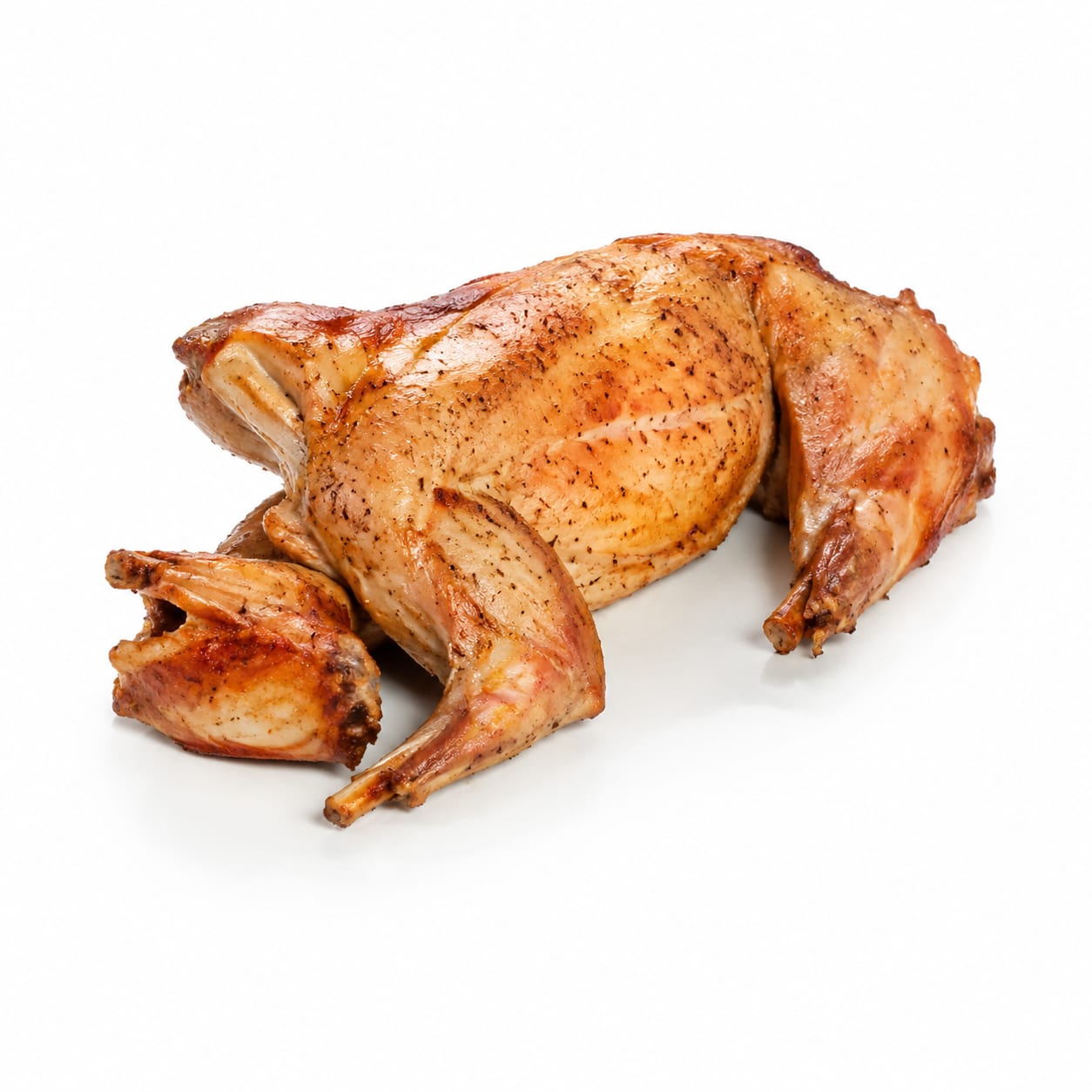
Meat
Rabbit
A highly lean, protein-dense game meat with fewer calories and fat than chicken.
Rabbit is a lean, high-protein game meat commonly consumed for its nutritional density and low fat content. It has a mild, slightly sweet flavor and is popular in various global cuisines.
ultra-lean animal protein source
Typical serving · 85g
Common varieties · domesticated, wild cottontail, new zealand white, californian, flemish giant
Overall context score across nutrition, safety, and diet fit
At a glance
Quick facts
Simple indicators based on nutrition, processing, and diet fit.
The story
What makes it unique
Rabbit meat is a fast-digesting, complete protein source with an exceptionally low lipid profile. It provides high satiety due to its protein density and triggers minimal glycemic response. As a naturally whole food, it requires no processing unless cured or manufactured into sausages.
Varieties: domesticated · wild cottontail · new zealand white · californian · flemish giant
Per 100g
Nutrition breakdown
Macro balance and key metrics at a glance.
Energy
Density 1.36 kcal/g
Protein
Carbs
Fat
Fiber
Sugar
0 g
Sodium
50 mg
Potassium
340 mg
Glycemic index
0
Glycemic load
0
Water content
73%
Standout compounds
Nutrient highlights
Protein
highSupports muscle growth, repair, and satiety
Vitamin B12
highEssential for nerve function and red blood cell formation
Selenium
moderateProvides antioxidant protection and supports thyroid function
Niacin (B3)
highCrucial for energy metabolism and DNA repair
Wellness map
Health scores & processing
NOVA processing scale
minimally processed · Whole food
Whole, unprocessed muscle meat typically sold fresh or frozen without additives.
Diet compatibility
- Weight loss
- Muscle gain
- Diabetes
- Gut health
- Low carb
- High protein
- Heart health
Relative standing
Food rankings
Qualitative ranks compared to similar whole foods.
- Satietyexcellent
- Blood sugarexcellent
- Nutrient densitygood
- Fitness fuelexcellent
- Processing qualityexcellent
Eat with confidence
Food safety profile
Wild rabbit carries a risk of tularemia and parasites, requiring thorough cooking. Domestic rabbit is generally safe. Lead shot is a concern for wild-hunted varieties.
Evidence confidence 85%
- Pesticideslow
- Antibioticslow
- Heavy metalsmoderate
- Contaminationmoderate
Watch for
- Tularemia bacteria
- Parasites
- Lead shot
Safer choices
Farm-raised rabbit
Prep tips
Do not wash raw meat to avoid cross-contamination. Cook to an internal temperature of 160°F (71°C) to eliminate pathogens.
Wild game inspection is less standardized than commercial livestock, increasing the risk of improper handling.
Deep dive
Health analysis
How this food may fit different goals and preparation choices.
Weight loss
Extremely low in fat and calories while being highly satiating due to high protein content.
Blood sugar
Zero carbohydrates mean it has no direct impact on blood sugar levels.
Fitness & energy
Excellent source of complete protein and B vitamins for muscle repair and energy metabolism.
Gut health
Easily digestible animal protein with no fiber, but lacks prebiotic benefits for the microbiome.
Processing quality
Typically sold as a whole, unprocessed cut of meat.
Food safety
Must be cooked thoroughly to eliminate risks of parasites and tularemia, especially in wild-caught rabbit.
Common mistakes
Overcooking the lean meat leading to dryness; consuming undercooked wild rabbit.
Best preparation
Slow braising, stewing, or marinating to retain moisture due to low fat content.
Practical guide
Best use cases
When and how this food fits real eating patterns.
Lean bulking phase
Provides high protein for muscle growth with minimal added fat or calories.
Low calorie weight loss meals
Allows for large portion sizes and high satiety without exceeding calorie limits.
Keto diet protein base
A zero-carb protein source that can be paired with healthy fats for ketogenic meals.
Balance sheet
Pros & cons
Upsides
- Extremely low in fat and calories
- Very high in complete protein
- Rich in B vitamins, especially B12 and B3
- Zero carbohydrates, ideal for keto
- Typically free from antibiotics compared to conventional livestock
- Naturally unprocessed whole food
Trade-offs
- Very lean meat can dry out easily during cooking
- Wild game carries risk of tularemia and parasites if undercooked
- Not a source of dietary fiber or healthy fats
- Can be expensive and hard to find in standard grocery stores
- Exclusive consumption can lead to protein poisoning
- Has a mild gamey taste that may not appeal to everyone
Fit check
Who is it for?
Great match
- weight loss diets
- lean muscle gain
- ketogenic and low-carb diets
- anemia management
Consider alternatives
- those needing high fat intake
- vegans and vegetarians
- people uncomfortable cooking game meats
- those seeking convenient pre-cooked options
Side by side
How it compares
Open the full head-to-head analysis for nutrition, safety, and practical tradeoffs.
This food
Rabbit
VS90% alike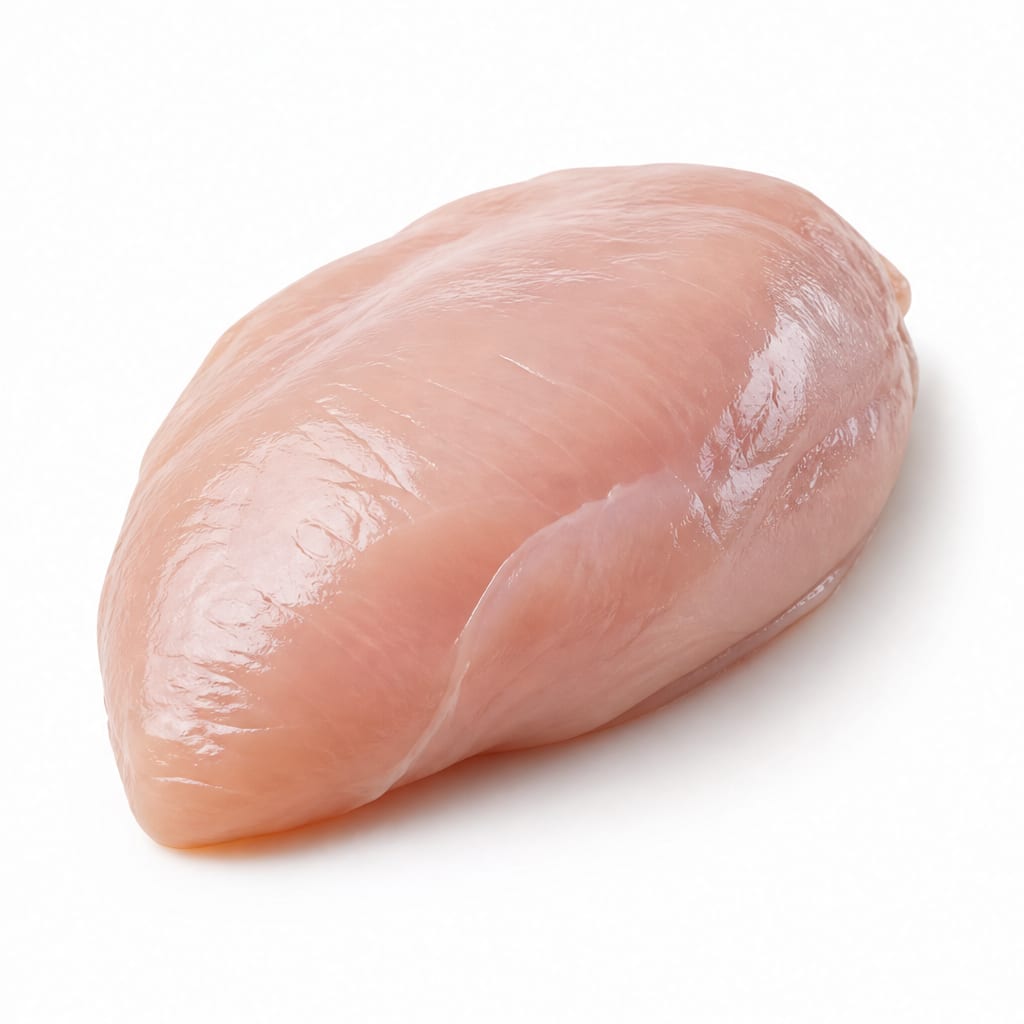
Compare with
Chicken Breast
Rabbit is slightly leaner than chicken breast, offering a minor edge for strict calorie counting, but both are excellent lean proteins.
Rabbit provides slightly fewer calories and fat than chicken breast, making it marginally better for cutting, while both offer high protein.
This food
Rabbit
VS85% alike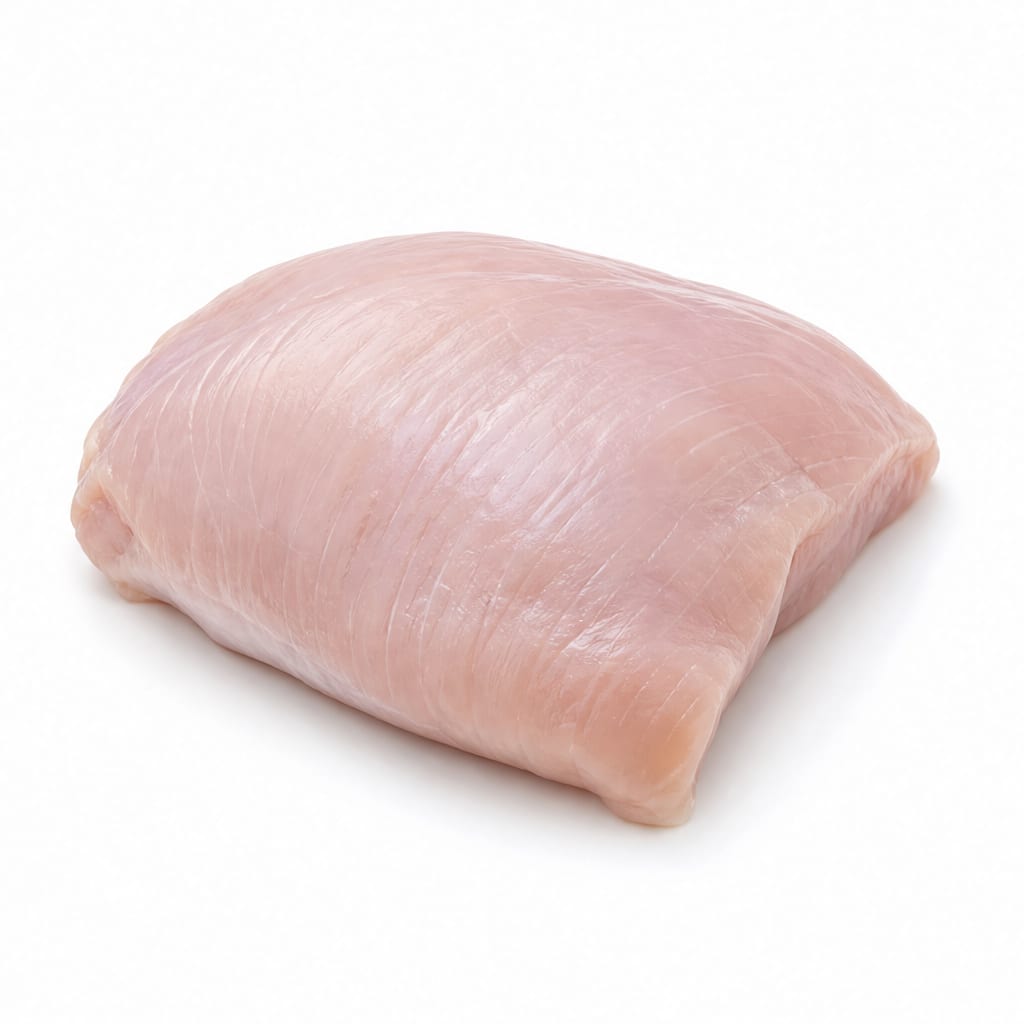
Compare with
Turkey Breast
Turkey and rabbit are nearly identical in macronutrients, but rabbit offers more varied micronutrients like selenium.
Turkey and rabbit are both ultra-lean proteins; rabbit has slightly more cholesterol but offers a different flavor profile for variety.
This food
Rabbit
VS80% alike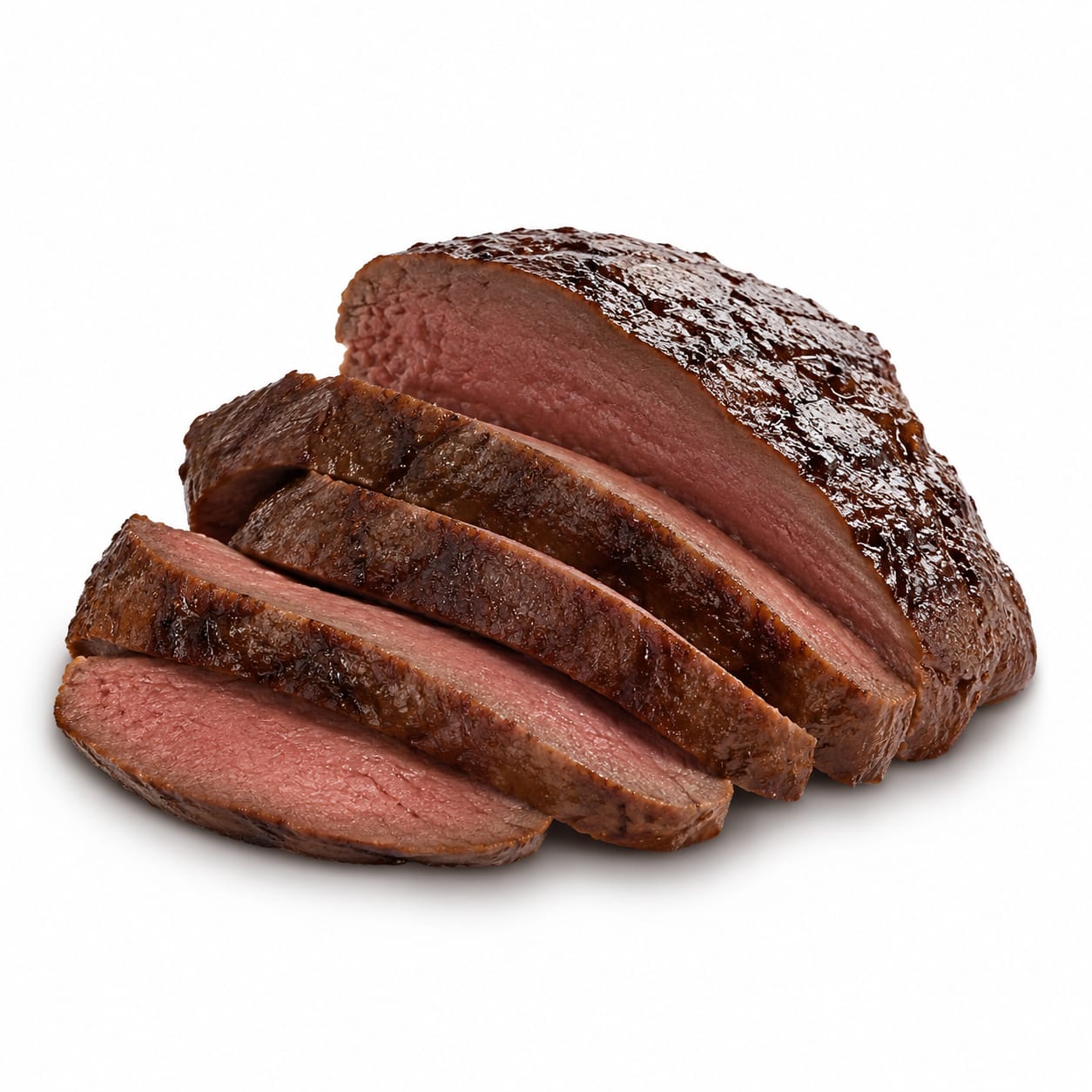
Compare with
Venison
Venison provides more iron and a stronger game flavor, while rabbit is milder and easier to find farm-raised.
Rabbit is lower in calories than venison, but venison packs more iron and flavor for those who enjoy game meat.
This food
Rabbit
VS60% alike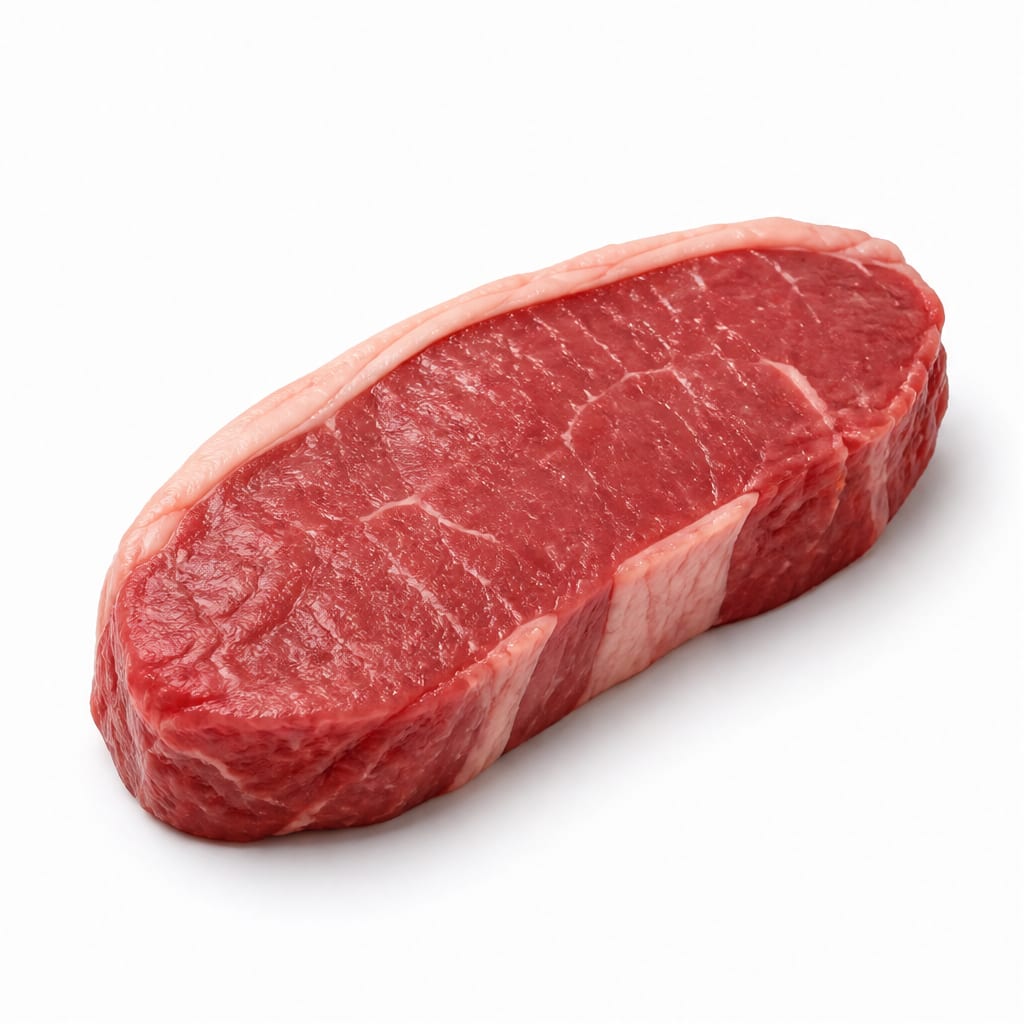
Compare with
Beef Sirloin
Rabbit is significantly lower in fat and calories than beef sirloin, making it better for cutting, while beef offers more iron and fat for keto.
Rabbit is far leaner than beef sirloin, making it better for fat loss, while beef provides more fats and iron.
This food
Rabbit
VS75% alike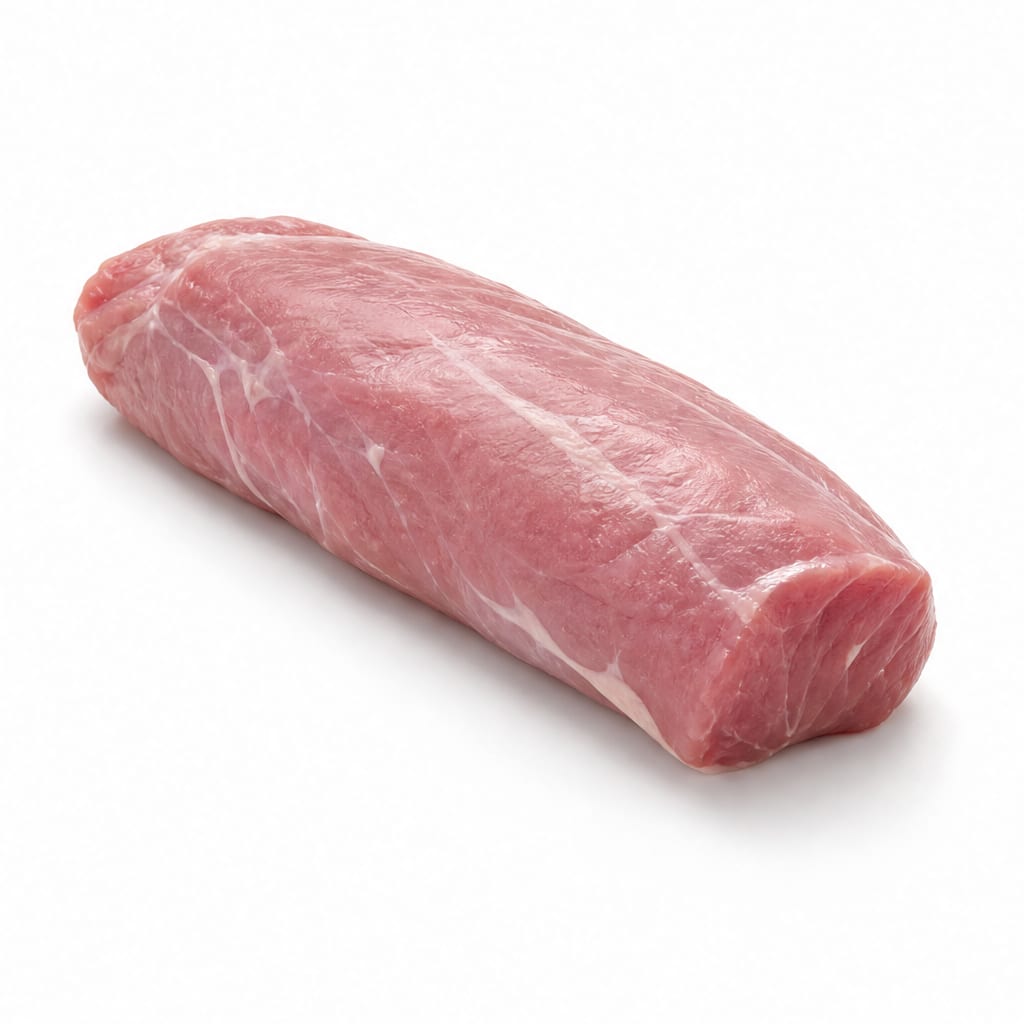
Compare with
Pork Tenderloin
Rabbit is leaner than pork tenderloin and provides more B12, making it a better option for strict fat loss.
Rabbit beats pork tenderloin in leanness and vitamin B12 content, offering a superior profile for low-calorie diets.
This food
Rabbit
VS75% alike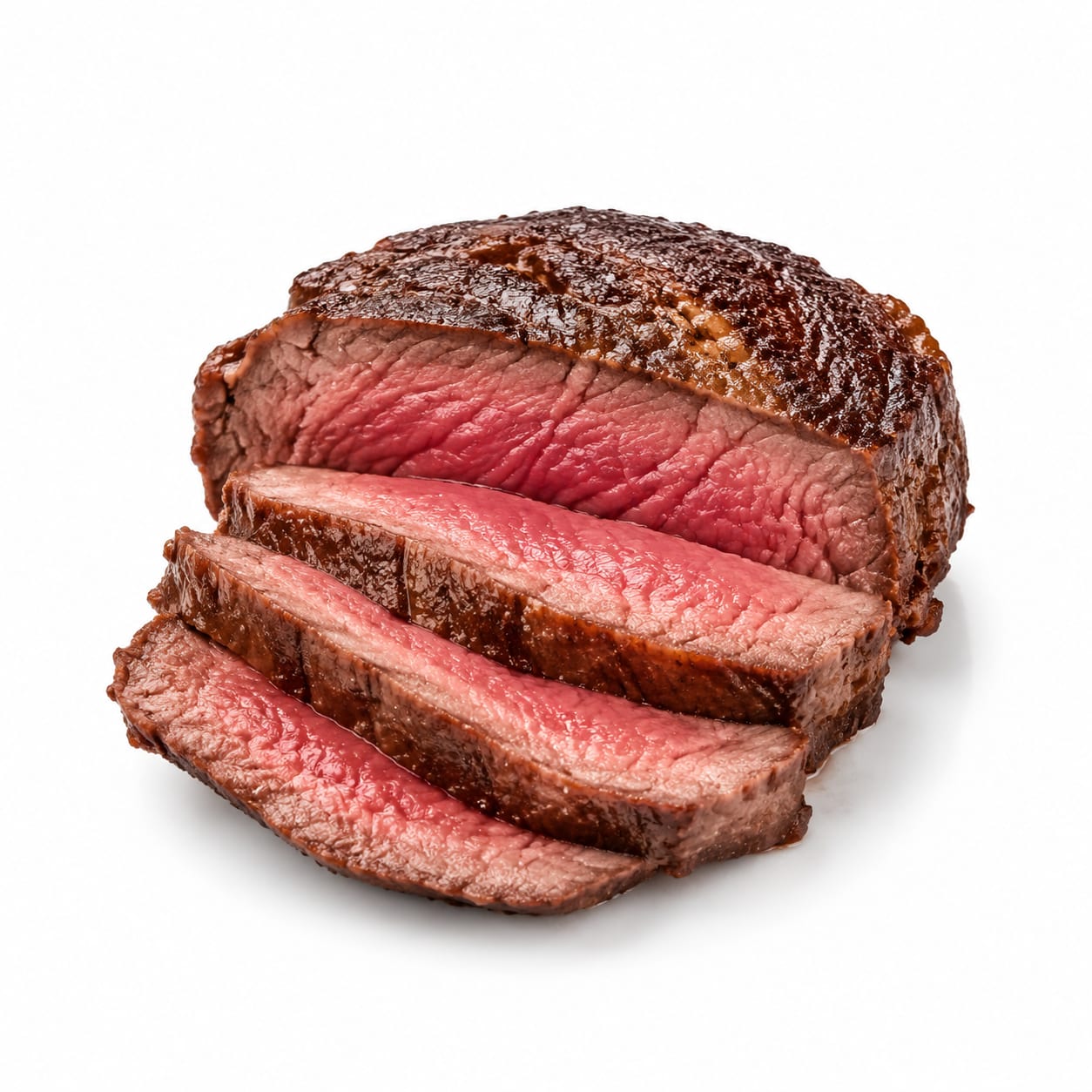
Compare with
Bison
Bison is slightly higher in fat and calories than rabbit but offers more iron; both are excellent nutrient-dense meats.
Rabbit is the leaner choice for calorie counters, whereas bison provides more iron and a heartier flavor.
This food
Rabbit
VS40% alike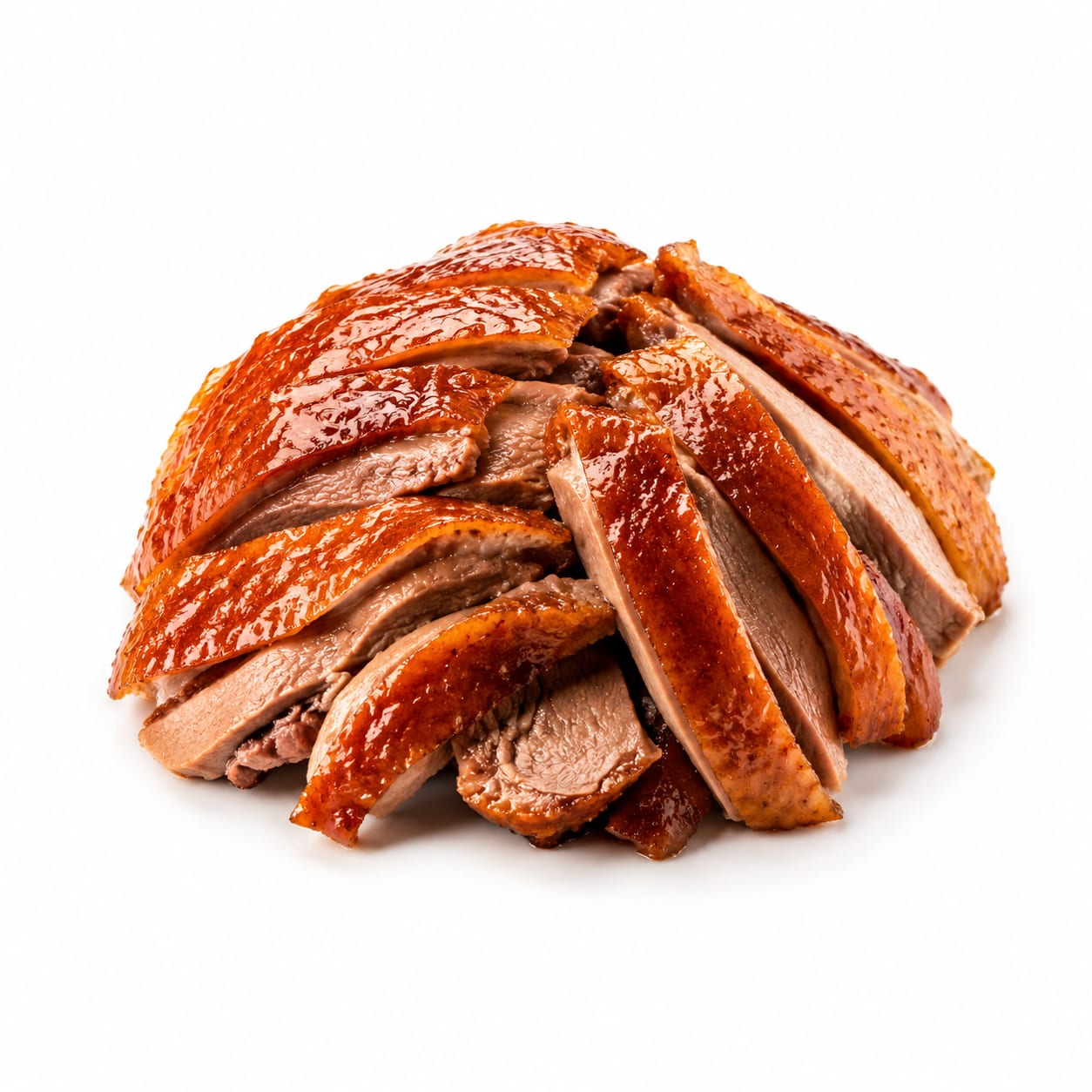
Compare with
Duck
Rabbit is extremely lean while duck is high in fat, making rabbit far superior for low-calorie diets and duck better for keto.
Rabbit is ideal for low-fat diets with minimal calories, while duck provides rich fats suited for high-fat or keto eating.
This food
Rabbit
VS40% alike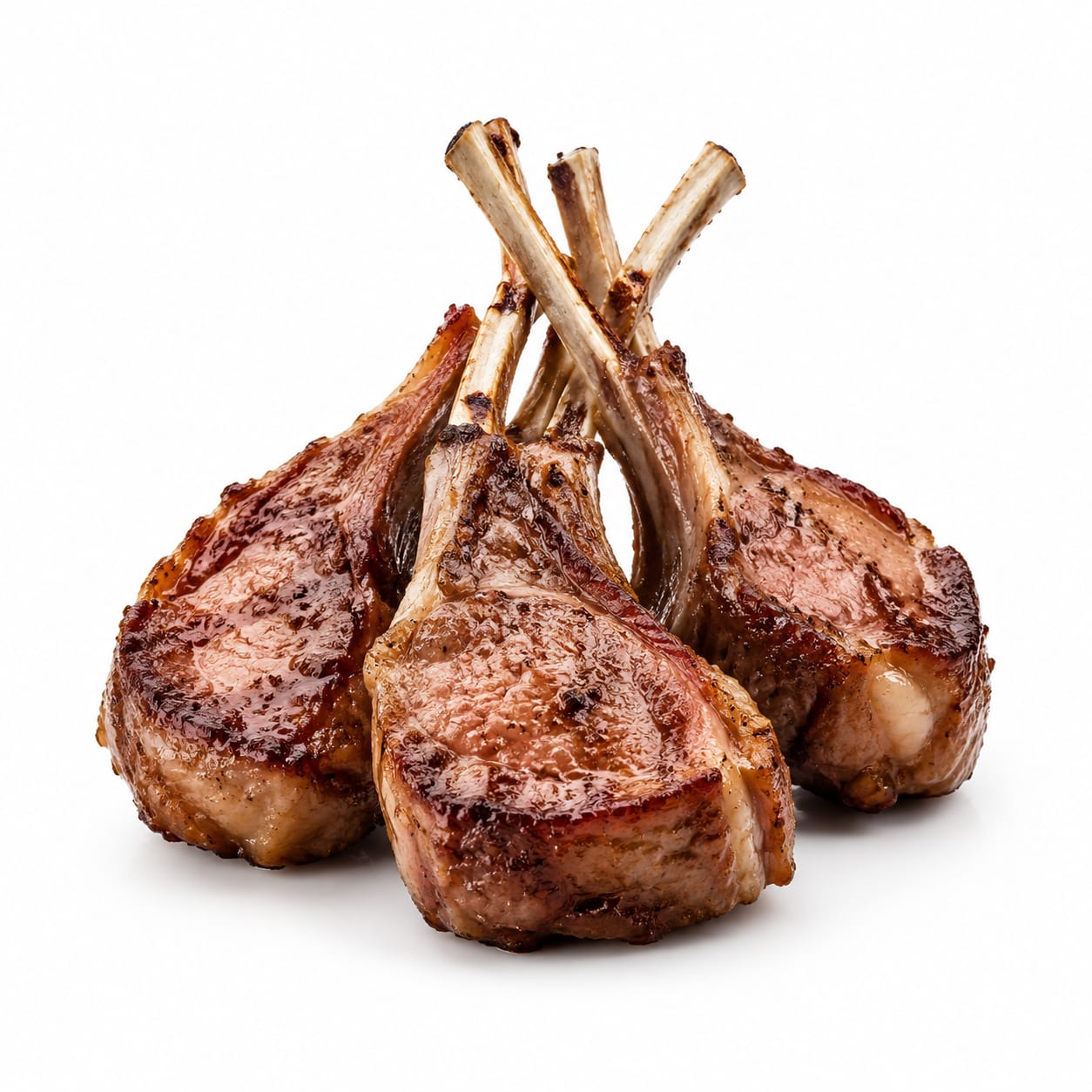
Compare with
Lamb
Rabbit provides a much leaner protein source than lamb, which is higher in saturated fat and calories.
Rabbit is drastically lower in fat and calories than lamb, making it the better option for weight management.
This food
Rabbit
VS50% alike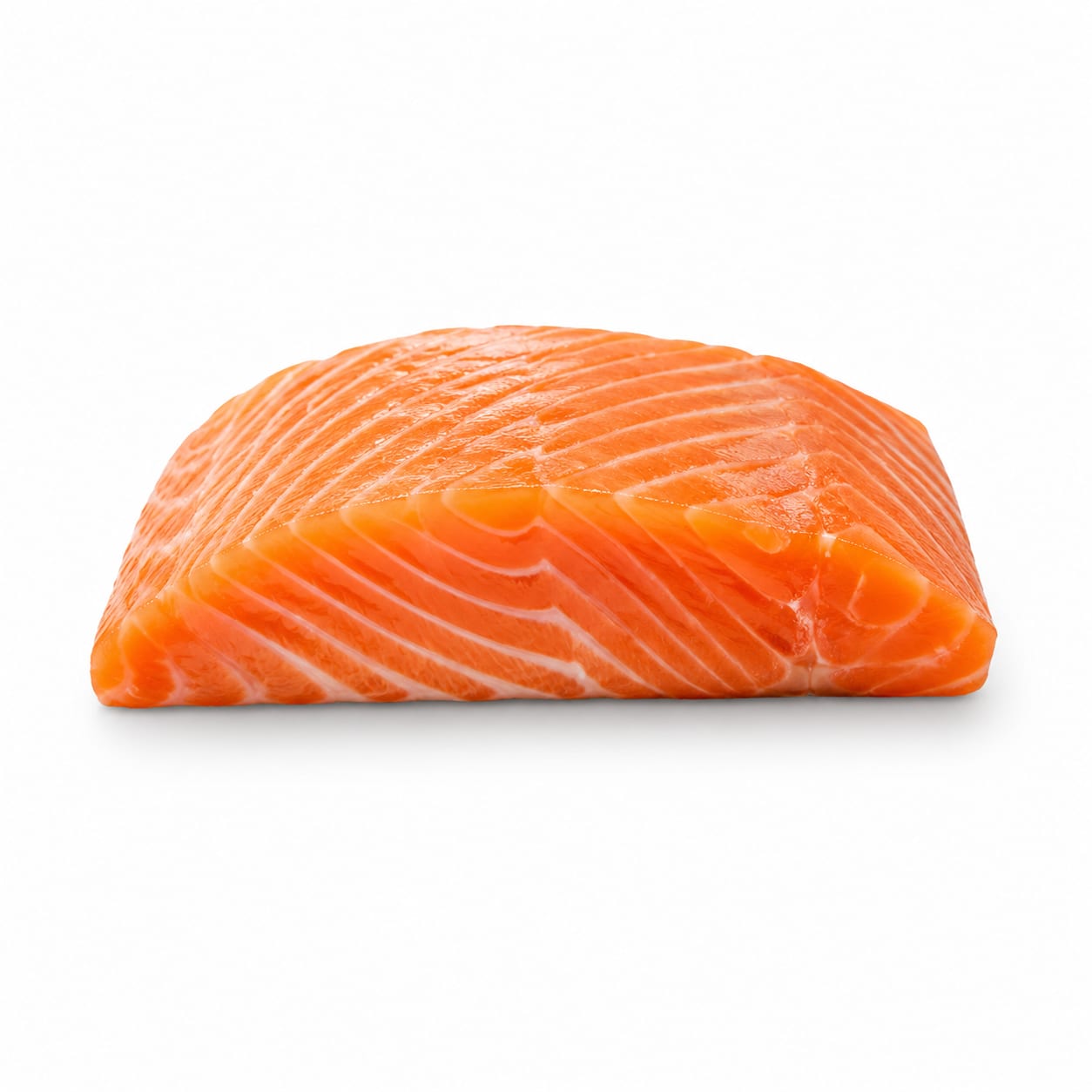
Compare with
Salmon
Rabbit is lower in calories and fat, while salmon provides essential omega-3 fatty acids that rabbit lacks.
Rabbit offers lean protein for cutting, while salmon provides heart-healthy omega-3 fats that rabbit does not.
This food
Rabbit
VS85% alike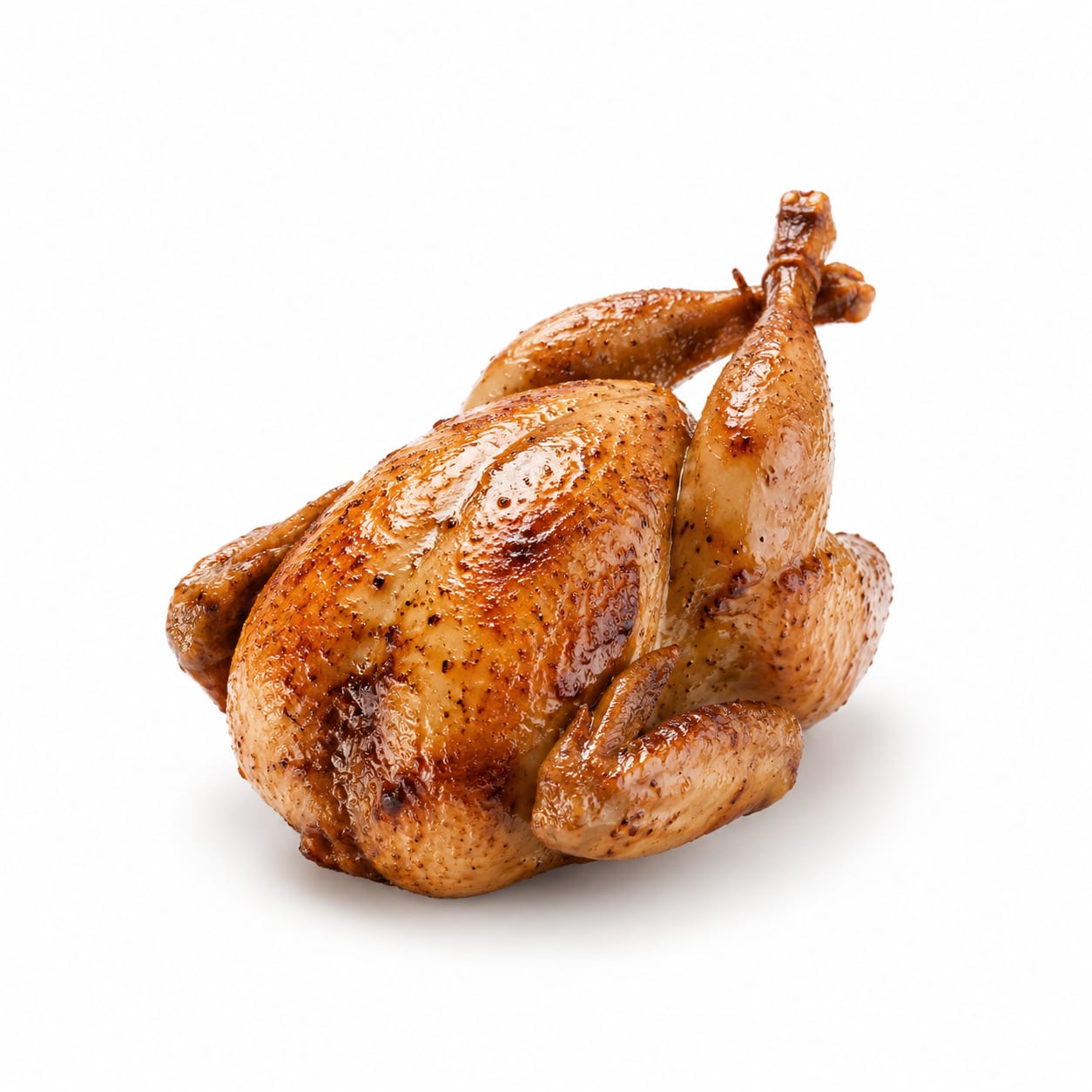
Compare with
Quail
Rabbit offers more protein per serving than quail, which has smaller portions and slightly higher fat content.
Rabbit provides more protein and less fat per serving than quail, making it a more efficient lean meat choice.
Common questions
FAQ
Answers aligned with how people search for this food.
Is rabbit meat healthier than chicken?
Rabbit is lower in fat and calories than chicken while offering similar or higher protein content per serving, making it a leaner choice.
Can you eat rabbit on a keto diet?
Yes, rabbit contains zero carbohydrates and is an excellent lean protein source for ketogenic diets, though you may need to add fats to meet macro goals.
Does rabbit meat taste like chicken?
Rabbit has a mild, slightly gamey flavor; domestic rabbit tastes similar to chicken but with a slightly sweeter, richer note.
Why is rabbit meat so lean?
Rabbits are naturally active animals with very little body fat, resulting in an extremely lean meat profile compared to sedentary livestock.
Is it safe to eat wild rabbit?
Wild rabbit is safe if cooked thoroughly to an internal temperature of 160°F to kill parasites and bacteria like tularemia.
What are the risks of eating rabbit?
The primary risk is protein poisoning if eaten exclusively without fat sources, and foodborne illness if wild game is undercooked.
Is rabbit meat good for bodybuilding?
Yes, its high protein and low fat content make it ideal for muscle building and lean bulking phases.
Can diabetics eat rabbit meat?
Yes, rabbit has zero carbohydrates and will not spike blood sugar, making it very diabetes-friendly.
Transparency
Data confidence
Estimated confidence for nutrition data, interpretation, safety notes, and comparisons.
Nutrition data
Health analysis
Food safety
Comparisons