
Nutrition comparison
Rabbit vs Lamb: Which Meat Is Healthier for You?
Compare rabbit and lamb nutrition including calories, fat, protein, iron, and heart health impact. Find out which lean red meat fits your diet goals better.
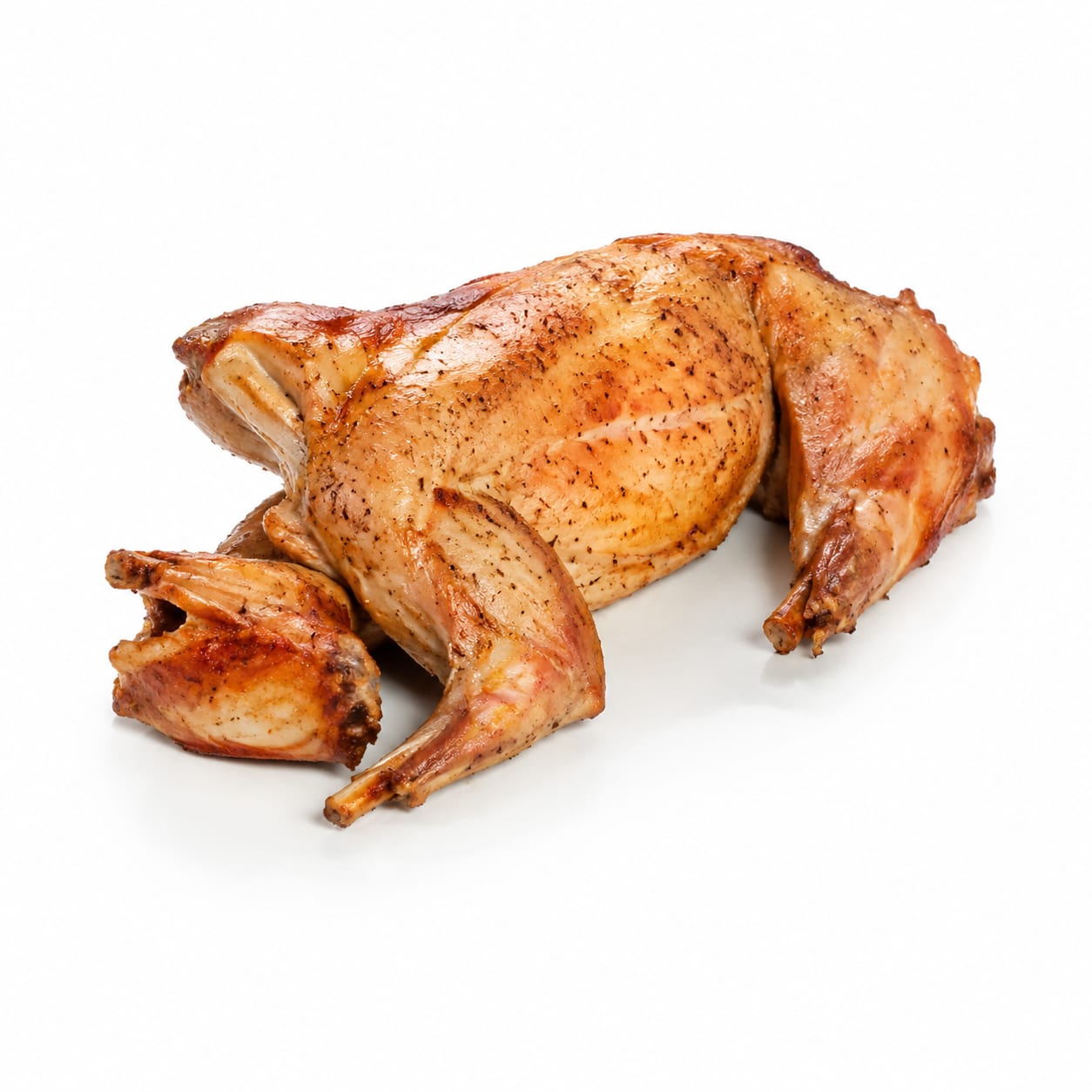
Rabbit
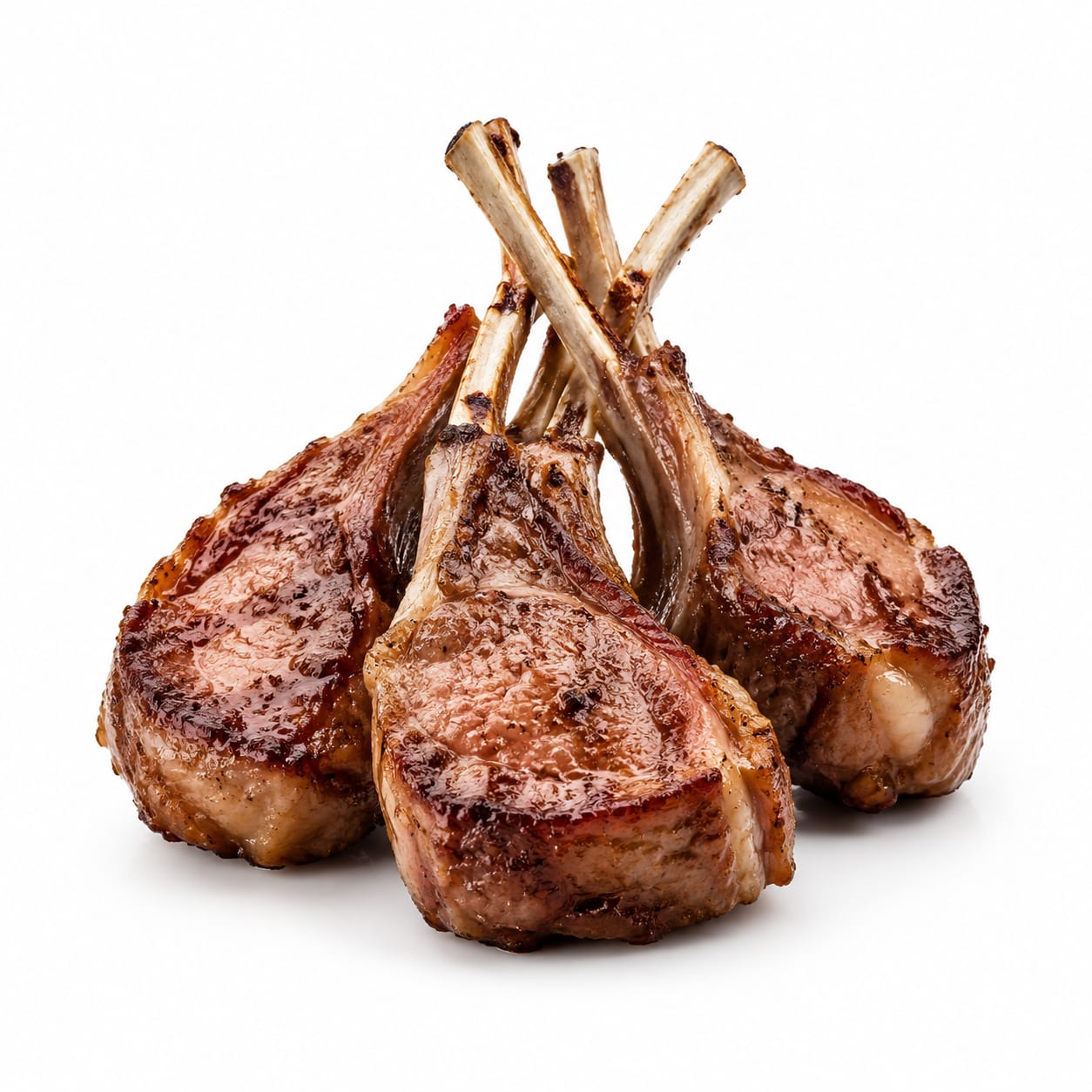
Lamb
Rabbit wins for leanness and heart health; lamb wins for iron, satisfaction, and everyday practicality.
Rabbit scores higher due to its lean profile and lower health risks, but lamb's superior micronutrient density and practical accessibility narrow the gap significantly.
You choose between rabbit's ultra-lean profile and lamb's richer nutrient density and eating satisfaction.
At a glance
Executive summary
Overall
It depends
Healthier
Rabbit
More practical
Lamb
Daily use
Lamb
Key comparison lenses
Lean protein vs flavorful red meat for health goals
Rabbit is exceptionally lean while lamb is notably fatty, making this the core decision driver
Heart health and saturated fat concerns
Lamb's saturated fat content raises cardiovascular questions that rabbit avoids entirely
Practical availability and cooking familiarity
Lamb is widely available and familiar; rabbit requires specialty sourcing and cooking knowledge
Micronutrient density comparison
Lamb delivers more iron, zinc, and B12 per serving, which matters for deficiency-prone individuals
Environmental and sustainability considerations
Rabbit has a significantly lower environmental footprint than lamb
Best choice for
Rabbit
- People managing heart disease or high cholesterol
- Anyone counting calories who still wants substantial protein
- Those on low-fat diets needing lean meat options
- Environmentally conscious eaters seeking sustainable protein
Lamb
- Individuals with iron deficiency or anemia risk
- Keto and low-carb dieters needing higher fat intake
- Those who find lean meats unsatisfying and end up overeating
- Families wanting familiar, widely available red meat
Least suitable for
Rabbit
- People who struggle to eat enough calories or maintain weight
- Those relying on a single meat as their sole protein without added fats
- Anyone wanting quick, familiar weeknight meals
- Keto dieters who need higher fat protein sources
Lamb
- People with cardiovascular disease or high LDL cholesterol
- Anyone strictly limiting saturated fat intake
- Those on low-calorie or weight loss diets who find fatty meats trigger overeating
- Budget-conscious shoppers (lamb is typically expensive)
Deep comparison
Dimension by dimension
Each lens scores both foods and breaks down who each option suits.
- Dimension 1 · Priority 95Rabbit
Leanness and Calorie Control
Rabbit · 96Lamb · 38Rabbit is one of the leanest meats available, with roughly 170 calories and 3-4g fat per 100g. Lamb delivers 250-300 calories and 15-25g fat for the same portion.
Tradeoff
Rabbit keeps calories low effortlessly, but you may feel less satisfied after eating and need to add healthy fats to feel full.
Why it matters
If you're managing weight or heart health, rabbit's leanness is a major advantage. If you find lean meats leave you hungry, lamb's fat content provides staying power.
Real-world impact
A rabbit dinner might leave you reaching for a snack an hour later unless you pair it with olive oil or avocado. Lamb keeps you full for hours.
Rabbit
- Steady calorie deficit without feeling deprived of meat
- Heart-friendly meals with minimal saturated fat
- Bodybuilders in cutting phases
Better for
- Risk of under-eating if you rely on it without fat sides
- Potential 'rabbit starvation' if eaten exclusively without other fat sources
Worse for
Lamb
- Meals that keep you satisfied for 4-5 hours
- Active individuals needing calorie-dense fuel
- Those who find lean meats trigger snacking
Better for
- Easy to overshoot daily calorie targets
- Saturated fat adds up quickly with generous portions
Worse for
- Dimension 2 · Priority 85Lamb
Micronutrient Density
Rabbit · 62Lamb · 88Lamb delivers significantly more iron, zinc, and B12 per serving. Rabbit provides good B vitamins but less heme iron and zinc.
Tradeoff
Lamb's fat carries more fat-soluble vitamins and minerals, but comes with saturated fat. Rabbit's leaner profile means fewer accompanying micronutrients.
Why it matters
For women, vegetarians transitioning back to meat, or anyone with low iron, lamb is genuinely therapeutic. Rabbit still nourishes but won't move the needle on iron status as effectively.
Real-world impact
If your bloodwork shows low ferritin, lamb twice a week will help more than rabbit. If your levels are fine, the difference matters less.
Rabbit
- Adequate B12 and selenium without the saturated fat payload
- Lighter nutrient support for already-well-nourished individuals
Better for
- Not ideal as a primary iron source
- Less zinc per serving compared to most red meats
Worse for
Lamb
- Correcting iron deficiency more effectively
- Higher zinc for immune support and wound healing
- Superior B12 for nerve health and energy
Better for
- Nutrient benefits come packaged with saturated fat
Worse for
- Dimension 3 · Priority 82Lamb
Satiety and Eating Satisfaction
Rabbit · 48Lamb · 85Lamb's fat content makes it deeply satisfying and filling. Rabbit is lean and can feel light to the point of unsatisfying without added fats.
Tradeoff
Lamb satisfies immediately but can feel heavy. Rabbit feels light and clean but may not quell hunger on its own.
Why it matters
Satiety determines whether you stick to your eating plan or raid the pantry later. The most nutritious meal that leaves you hungry isn't helpful.
Real-world impact
After a lamb chop dinner, you're done eating for the evening. After rabbit stew, you might want cheese and crackers two hours later.
Rabbit
- Light meals when you want to feel energized, not sluggish
- Hot weather eating when heavy food sounds unappealing
Better for
- May require strategic fat additions to avoid hunger
- Less emotionally satisfying as a standalone meal
Worse for
Lamb
- Dinners that prevent late-night snacking
- Post-workout meals needing serious refueling
- Family meals where satisfaction matters for adherence
Better for
- Can leave you feeling overly full or sluggish
- Heaviness may interfere with evening activities or sleep if eaten late
Worse for
- Dimension 4 · Priority 88Rabbit
Heart Health Impact
Rabbit · 92Lamb · 42Rabbit has minimal saturated fat and cholesterol impact. Lamb's saturated fat content raises LDL cholesterol with regular consumption.
Tradeoff
Rabbit protects your heart but requires dietary fat from elsewhere. Lamb tastes richer but demands portion discipline to manage cardiovascular risk.
Why it matters
For anyone with family history of heart disease, elevated LDL, or metabolic syndrome, this difference is not trivial.
Real-world impact
Eating rabbit regularly won't move your cholesterol numbers. Eating lamb several times a week likely will, especially if portions are generous.
Rabbit
- Cardiovascular risk reduction without giving up meat
- Cholesterol-conscious eating that still feels substantial
- Long-term heart health maintenance
Better for
- Minimal direct heart risk, but poor satiety could lead to compensatory snacking
Worse for
Lamb
- Occasional indulgence that fits a heart-healthy rotation
- CLA content may offer modest anti-inflammatory benefits
Better for
- Regular consumption raises LDL cholesterol
- Saturated fat load compounds with other dietary sources
- Processed lamb products (sausages, cured meats) multiply risk
Worse for
- Dimension 5 · Priority 78Lamb
Availability and Practical Convenience
Rabbit · 30Lamb · 82Lamb is available in virtually every grocery store. Rabbit requires specialty butchers, online ordering, or hunting connections.
Tradeoff
Lamb is easy to find and cook with abundant recipes. Rabbit demands effort to source and learn to prepare properly.
Why it matters
The healthiest food means nothing if you can't consistently buy and cook it. Practicality determines whether a food becomes a habit or a one-time experiment.
Real-world impact
You can grab lamb at any supermarket on the way home. Rabbit might require a 30-minute drive to a specialty shop or a mail-order plan.
Rabbit
- Unique dining experiences and culinary exploration
- Self-sufficiency if you hunt or raise rabbits
Better for
- Most people cannot find it locally
- Limited recipe resources and cooking confidence
- Higher per-pound cost in most markets
Worse for
Lamb
- Weeknight cooking without specialty shopping
- Consistent availability for meal planning
- Thousands of established recipes and cooking guidance
Better for
- Premium cuts can be expensive
- Not always available in smaller towns
Worse for
- Dimension 6 · Priority 70Rabbit
Environmental Sustainability
Rabbit · 88Lamb · 35Rabbits convert feed to protein extremely efficiently with minimal land and water use. Sheep farming has one of the highest carbon footprints among livestock.
Tradeoff
Rabbit is genuinely eco-friendly protein. Lamb's environmental cost is among the highest of any commonly eaten meat.
Why it matters
If sustainability influences your food choices, this gap is substantial and well-documented.
Real-world impact
Choosing rabbit over lamb for one meal saves roughly the same emissions as driving 5-10 fewer miles, depending on cut and source.
Rabbit
- Low carbon footprint protein
- Efficient feed-to-meat conversion
- Can be raised sustainably at small scale
Better for
- Small-scale production means less infrastructure for verified sustainable sourcing
Worse for
Lamb
- Pasture-raised lamb can support regenerative agriculture practices
- Hill farming utilizes land unsuitable for crops
Better for
- Among the highest greenhouse gas emissions per gram of protein
- Significant water and land use compared to other protein sources
Worse for
Timeline
Health impact over time
Short-term
Hours to days
Rabbit
- Light, clean energy after eating without heaviness or sluggishness
- May feel hungry sooner unless paired with fat sources
- Easy to digest due to low fat content
Lamb
- Strong satiety and fullness lasting several hours
- Possible heaviness or drowsiness after large portions
- Rich flavor may trigger desire for larger portions
Long-term
Months to years
Rabbit
- Favorable cholesterol and triglyceride profile with regular consumption
- Very low cardiovascular risk from the meat itself
- Risk of fat-soluble vitamin deficiency if eaten exclusively without dietary fat
- Potential for 'rabbit starvation' (protein poisoning) if used as sole food source
Lamb
- Elevated LDL cholesterol with frequent consumption, especially fatty cuts
- Improved iron and B12 status reducing anemia risk
- Higher saturated fat intake associated with increased cardiovascular risk over time
- CLA from grass-fed lamb may offer modest anti-inflammatory benefits
Risk profile
Safety & processing
Both rabbit and lamb are whole, minimally processed meats when purchased as fresh cuts. Concerns arise mainly with processed forms like lamb sausages or cured products, which add sodium, nitrates, and preservatives.
Rabbit
Tularemia (rabbit fever)
mediumWild rabbit can carry this bacterial infection. Thorough cooking eliminates risk. Farmed rabbit carries much lower risk.
Parasites
lowWild rabbit may carry tapeworm larvae. Proper cooking to 160°F/71°C eliminates this concern.
Protein excess without fat
mediumNot a contamination risk, but eating rabbit exclusively without other fat sources can cause 'rabbit starvation'—nausea, fatigue, and diarrhea from protein overload.
Lamb
Pathogenic bacteria (Salmonella, E. coli)
mediumStandard raw meat handling risk. Ground lamb is higher risk than whole cuts due to increased surface area.
Saturated fat accumulation in diet
mediumNot acute contamination, but regular lamb consumption compounds saturated fat intake from other sources, raising cardiovascular risk over years.
Antibiotic and hormone residues
lowConventional lamb may carry trace antibiotic residues. Grass-fed and organic options minimize this concern.
Who wins for whom
Audience fit
Same foods, different winners depending on your goal.
children
LambLamb's iron, zinc, and B12 are critical for growing bodies, and children generally accept its flavor more readily than unfamiliar game meats.
daily consumption
LambLamb is more practical to source consistently, and moderate portions a few times weekly fit most diets. Rabbit's availability makes daily use unrealistic for most people.
diabetes
RabbitRabbit's low fat and zero carbohydrate content won't worsen insulin resistance. Lamb's saturated fat may impair insulin sensitivity with regular intake.
elderly
RabbitOlder adults often need lean protein to maintain muscle without stressing cardiovascular health. Rabbit supports both goals, provided they can source and chew it comfortably.
muscle gain
LambLamb provides more calories and complete nutrition for building muscle, though both deliver high-quality protein.
weight loss
RabbitRabbit's ultra-lean profile makes creating a calorie deficit easier while still eating satisfying portions of meat.
Your move
Decision guide
Choose Rabbit
- You have high cholesterol or cardiovascular concerns and want lean red meat
- You're counting calories but find chicken and fish boring
- Sustainability is a major factor in your food choices
- You enjoy culinary exploration and can source specialty meats
- You want meat that won't make you feel heavy or sluggish after eating
Choose Lamb
- You need to boost iron levels or have been told you're anemic
- You're on a keto or low-carb diet and need fattier protein sources
- You find lean meats unsatisfying and end up overeating later
- You want a special-occasion red meat with deep cultural cooking traditions
- You're feeding a family and need something everyone will eat
Either works if
- You rotate proteins regularly and neither will dominate your diet
- You eat red meat only occasionally and both fit as weekly options
- You're focused on protein quality and both deliver excellent amino acid profiles
Avoid both if
- You're vegetarian or vegan
- You have gout and are sensitive to purine-rich meats
- You can't afford premium meat prices regularly
Final recommendation
Eat rabbit when heart health or calorie control is your priority and you can source it. Eat lamb when you need iron, satisfaction, or practical weeknight protein. The best approach for most people: enjoy lamb occasionally for pleasure and nutrients, and choose rabbit more often if you can find it and want leaner red meat. Neither should be your sole protein source—rotate with fish, poultry, and plant proteins for the healthiest long-term pattern.
Practical
Consumer tips
- 1
Pair rabbit with olive oil, avocado, or nuts to add healthy fats and improve satiety without losing its lean advantage
- 2
Choose lean lamb cuts like leg or loin over rib chops or shoulder to reduce saturated fat by 40-50%
- 3
Grass-fed lamb contains more omega-3s and CLA than grain-finished, making it a meaningful upgrade if available
- 4
If trying rabbit for the first time, braise or stew it—dry cooking methods make lean meat tough and unappealing
- 5
Don't eat rabbit exclusively as your only meat. Add fat sources or you risk protein poisoning, a real condition documented in survival situations
- 6
Ask your butcher to order rabbit if it's not displayed—many shops can get it with a day's notice
- 7
Lamb portion size matters more than frequency. A 4oz serving has half the saturated fat impact of an 8oz serving