
Nutrition comparison
Rabbit vs Salmon: Which Is Healthier for Protein, Omega-3s, and Weight Loss?
Compare Rabbit and Salmon nutrition including protein density, omega-3 content, mercury risks, and weight loss effectiveness. Find out which lean protein is right for your diet goals.
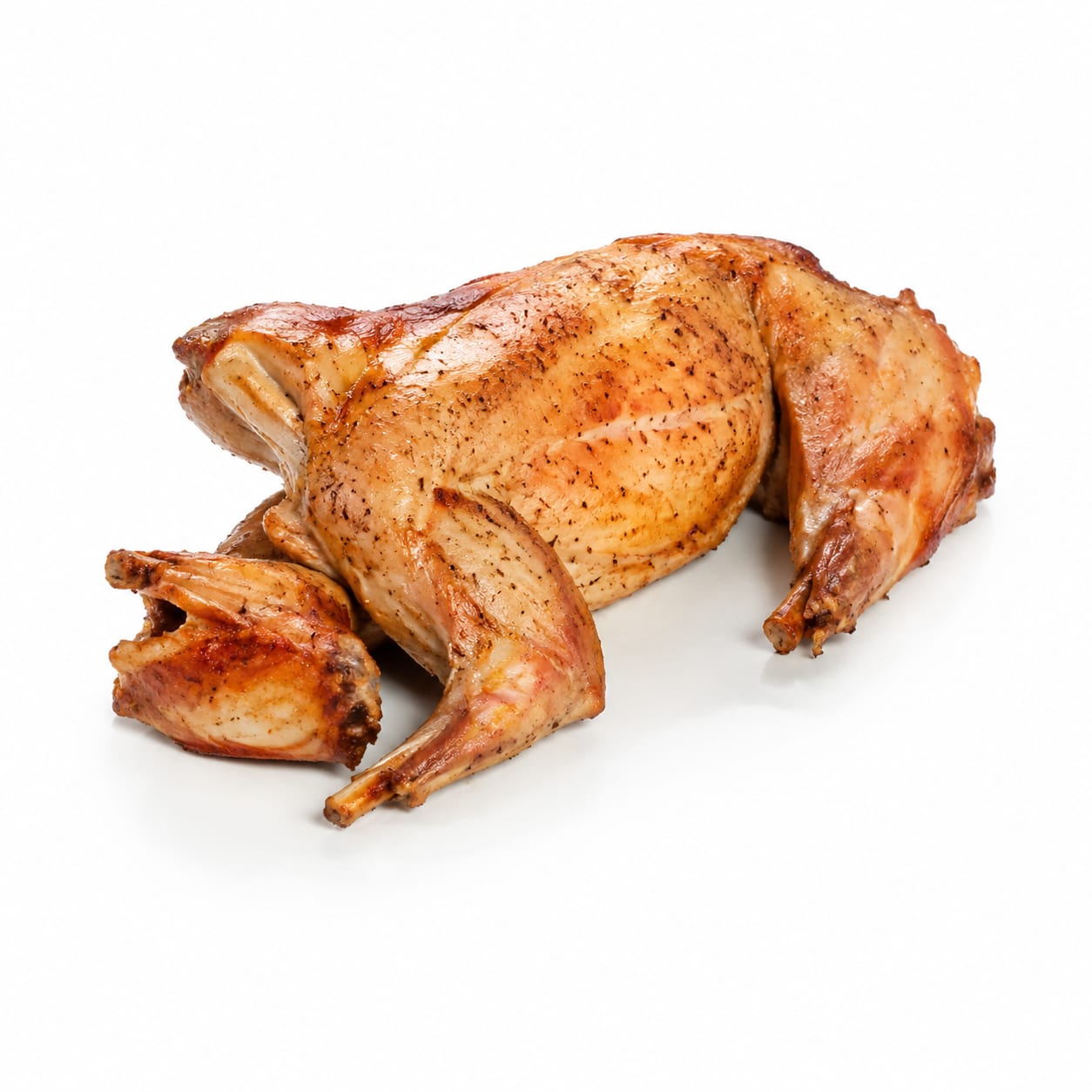
Rabbit
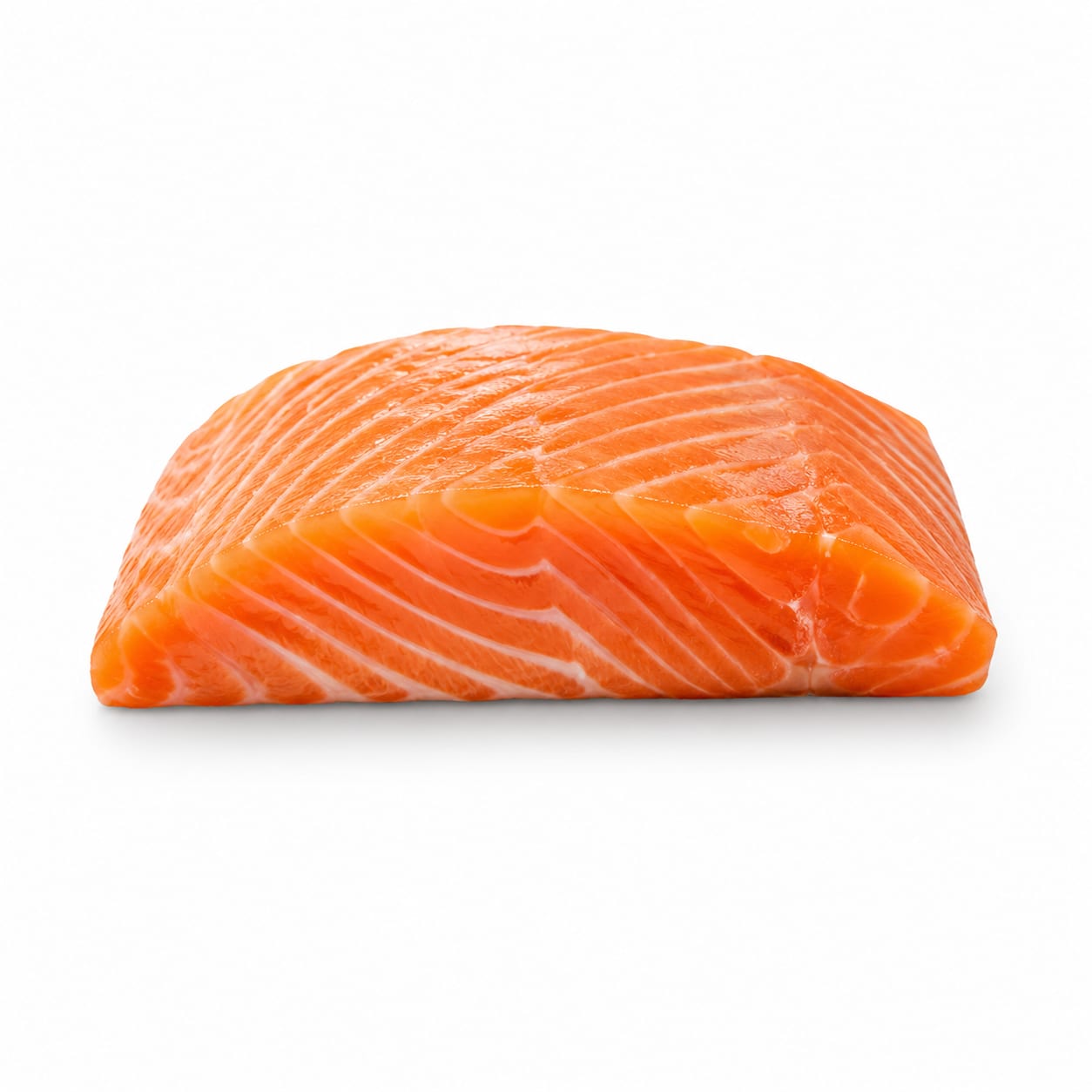
Salmon
Salmon wins for overall health benefits due to omega-3s, but Rabbit is the leanest protein source available and excels for fat-restricted diets
Salmon scores higher primarily due to its omega-3 content, vitamin D, and broader evidence for chronic disease prevention. Rabbit remains an excellent lean protein but lacks essential fatty acids and is less practical for most people to source and prepare regularly.
Essential anti-inflammatory fats in Salmon versus ultra-lean, near-zero-fat protein in Rabbit
At a glance
Executive summary
Overall
It depends
Healthier
Salmon
More practical
Salmon
Daily use
Salmon
Key comparison lenses
omega-3 vs lean protein tradeoff
The defining contrast: Salmon delivers essential omega-3s that Rabbit almost entirely lacks, while Rabbit offers dramatically leaner protein with minimal fat
heart health and inflammation
Salmon's anti-inflammatory omega-3s directly support cardiovascular health, whereas Rabbit's near-zero fat profile offers a different cardiovascular path through extreme leanness
contaminant and safety concerns
Salmon carries mercury and PCB exposure risks, while Rabbit poses rare but serious risks like tularemia and the historical concern of protein poisoning from exclusive consumption
practical availability and cooking familiarity
Salmon is widely available and most home cooks know how to prepare it; Rabbit is specialty meat requiring sourcing effort and specific cooking techniques
weight management and caloric density
Rabbit's extreme leanness makes it a potent weight-loss tool, while Salmon's healthy fats provide satiety that prevents overeating differently
Best choice for
Rabbit
- Extremely low-fat or fat-restricted medical diets
- Cutting phases for bodybuilders seeking maximum protein with minimal calories
- People who already get omega-3s from supplements or other sources
- Those avoiding fish due to allergies or mercury concerns
- Anyone seeking the highest protein-to-calorie ratio available
Salmon
- Heart health and cardiovascular protection
- Anti-inflammatory dietary needs including arthritis and autoimmune conditions
- Brain health and cognitive function support
- People who do not eat other omega-3 sources regularly
- Pregnant women needing DHA (with low-mercury wild salmon)
Least suitable for
Rabbit
- Those relying on a single protein source for all essential fats
- People unfamiliar with cooking lean game meats
- Anyone needing convenient, everyday protein options
- Diners who find the idea of eating rabbit culturally or emotionally difficult
Salmon
- People with severe mercury sensitivity or heavy metal concerns
- Those on strict low-fat medical protocols
- Vegans and vegetarians
- Budget-constrained households needing cheap protein
Deep comparison
Dimension by dimension
Each lens scores both foods and breaks down who each option suits.
- Dimension 1 · Priority 97Salmon
fat profile and essential fatty acids
Rabbit · 15Salmon · 95Salmon is one of the richest food sources of EPA and DHA omega-3s, which your body cannot make on its own. Rabbit contains almost no fat and negligible omega-3s.
Tradeoff
Rabbit's near-zero fat is ideal for fat-restricted diets but requires you to get essential fatty acids elsewhere. Salmon delivers them abundantly but adds caloric fat.
Why it matters
Omega-3s reduce inflammation, support brain function, and protect your heart. Without them, even a high-protein diet leaves a critical nutritional gap.
Real-world impact
Eating Salmon twice a week meaningfully lowers inflammation markers. Eating Rabbit exclusively without other fat sources could eventually lead to essential fatty acid deficiency.
Rabbit
- Strict low-fat medical protocols
- Calorie-cutting phases where every gram of fat counts
Better for
- Anyone not supplementing omega-3s from other sources
- Long-term exclusive consumption without dietary fat
Worse for
Salmon
- Heart disease prevention
- Brain health and mood support
- Joint inflammation reduction
- Pregnancy DHA needs
Better for
- Very low-fat diet requirements
- Those tracking every calorie from fat
Worse for
- Dimension 2 · Priority 90Rabbit
protein quality and density
Rabbit · 93Salmon · 82Rabbit delivers more protein per calorie than almost any other meat. Salmon provides excellent protein too, but its fat content means fewer protein grams per calorie consumed.
Tradeoff
Rabbit gives you maximum protein with minimum calories. Salmon gives you slightly less protein density but pairs it with health-protective fats.
Why it matters
For muscle retention during weight loss or athletic cutting, protein-per-calorie efficiency matters. For overall health, the fat that comes with Salmon's protein is beneficial.
Real-world impact
A 6-ounce Rabbit serving gives roughly 50g protein for under 300 calories. The same Salmon serving gives about 40g protein for 350 calories, but with 4g of omega-3s.
Rabbit
- Bodybuilders in cutting phases
- Anyone maximizing protein while minimizing calories
- High-protein low-fat meal plans
Better for
- Meals where some dietary fat improves satiety and satisfaction
Worse for
Salmon
- Endurance athletes needing sustained energy
- Older adults needing both protein and anti-inflammatory fats
- Post-workout recovery where anti-inflammatory omega-3s aid repair
Better for
- Strict macro tracking where protein-per-calorie is the priority
Worse for
- Dimension 3 · Priority 85Salmon
micronutrient profile
Rabbit · 68Salmon · 88Salmon provides vitamin D, B12, selenium, and astaxanthin, a powerful antioxidant. Rabbit offers strong B vitamins and selenium but lacks vitamin D and the unique antioxidants found in fish.
Tradeoff
Rabbit covers B-vitamin needs well but misses the vitamin D most people are deficient in. Salmon fills that gap naturally.
Why it matters
Vitamin D deficiency affects roughly 40% of adults. Salmon is one of the few natural food sources. Astaxanthin also provides anti-inflammatory benefits unique to salmon.
Real-world impact
Regular Salmon eaters often improve vitamin D levels without supplements. Rabbit eaters get excellent B12 and niacin but should ensure vitamin D intake from other sources.
Rabbit
- B-vitamin optimization, especially B12 and niacin
- Selenium intake without fish consumption
Better for
- Those relying on food alone for vitamin D
- People wanting antioxidant diversity from protein sources
Worse for
Salmon
- Vitamin D from food sources
- Antioxidant protection from astaxanthin
- Comprehensive mineral coverage including iodine
Better for
- Those avoiding all fish-based nutrients due to allergy
Worse for
- Dimension 4 · Priority 78Salmon
satiety and meal satisfaction
Rabbit · 65Salmon · 85Salmon's healthy fats slow digestion and create lasting fullness. Rabbit's extreme leanness digests quickly, which can leave you hungry sooner despite high protein.
Tradeoff
Rabbit fills you with protein but lacks the fat that sustains satiety for hours. Salmon keeps you satisfied longer but with more calories per serving.
Why it matters
Meals that leave you hungry within two hours often lead to snacking and overeating. Fat-protein combinations like Salmon naturally prevent this.
Real-world impact
A Salmon dinner typically keeps you full until morning. A Rabbit dinner may have you reaching for a snack by late evening unless you add fat through cooking or side dishes.
Rabbit
- Light meals where you want to avoid feeling heavy
- Multiple small meals per day eating patterns
Better for
- Anyone prone to late-night hunger after lean meals
- Those who find low-fat meals unsatisfying
Worse for
Salmon
- Dinners where lasting satiety prevents late-night snacking
- One-pot meals where the protein carries the fullness factor
- Busy people who need one meal to sustain them for hours
Better for
- People who feel uncomfortably full from fatty meals
Worse for
- Dimension 5 · Priority 82Rabbit
contaminant and safety profile
Rabbit · 80Salmon · 62Rabbit carries minimal contaminant risk when farm-raised. Salmon, especially farmed salmon, can contain mercury, PCBs, dioxins, and increasingly microplastics.
Tradeoff
Rabbit is one of the cleanest meats available from a contaminant standpoint. Salmon's health benefits are real but come with measurable toxic exposure tradeoffs.
Why it matters
Chronic low-level exposure to mercury and PCBs affects neurological health over decades. The benefits of omega-3s generally outweigh these risks, but the risks are not zero.
Real-world impact
Wild Salmon 1-2 times weekly keeps mercury exposure low while delivering omega-3 benefits. Farmed Salmon eaten daily could accumulate concerning PCB levels over time. Rabbit avoids this entirely.
Rabbit
- Minimizing heavy metal and chemical exposure
- Those who eat animal protein very frequently and need a clean option
- People concerned about microplastics in seafood
Better for
- Wild-caught rabbit with unknown disease exposure risk
Worse for
Salmon
- Those eating fish only 1-2 times per week where contaminant risk stays low
Better for
- Daily consumption of farmed salmon
- Pregnant women eating high-mercury fish varieties frequently
- Children with developing nervous systems exposed to regular mercury intake
Worse for
- Dimension 6 · Priority 75Salmon
practicality and accessibility
Rabbit · 35Salmon · 85Salmon is available in virtually every grocery store with consistent quality. Rabbit requires specialty butchers, online ordering, or personal hunting connections.
Tradeoff
Rabbit may be nutritionally excellent but most people cannot buy it easily. Salmon is convenient but more expensive per pound than common meats.
Why it matters
The best nutrition plan is one you can actually follow. Foods you cannot source consistently become theoretical benefits rather than real meals.
Real-world impact
You can decide to eat Salmon tonight and have it within an hour. Deciding to eat Rabbit often means planning days ahead or settling for whatever is available.
Rabbit
- Rural communities with hunting traditions
- Culinary enthusiasts who enjoy sourcing specialty ingredients
Better for
- Urban dwellers without specialty meat access
- Anyone needing quick protein options after work
- Meal prep that requires buying in bulk at regular stores
Worse for
Salmon
- Weeknight dinners with no advance planning
- Anyone without access to specialty butchers
- Consistent weekly meal prep routines
Better for
- Tight grocery budgets where even mid-range fish is too expensive
Worse for
- Dimension 7 · Priority 65Salmon
cooking versatility and skill requirement
Rabbit · 45Salmon · 80Salmon is forgiving to cook and works in dozens of cuisines and preparations. Rabbit is lean and easily overcooked, requiring specific techniques like braising or marinating.
Tradeoff
Rabbit rewards skilled cooks with delicate flavor but punishes overcooking with dry, tough meat. Salmon is more forgiving and more versatile across cooking methods.
Why it matters
If cooking feels like a chore, you will avoid the food. Salmon's ease of preparation makes it a realistic weekly staple. Rabbit's difficulty makes it an occasional dish for most.
Real-world impact
Pan-seared Salmon takes 10 minutes and reliably turns out well. Rabbit requires slow cooking or careful technique, making it a weekend project rather than a Tuesday dinner.
Rabbit
- Experienced cooks who enjoy braising and slow-cooking
- Culinary hobbyists seeking traditional European game recipes
Better for
- Impatient cooks or those new to preparing meat
- Anyone wanting quick 15-minute meals
Worse for
Salmon
- Beginner cooks needing foolproof protein options
- Quick weeknight meals with minimal prep
- Raw preparations like sushi and poke bowls
Better for
- Those who dislike fish flavors or textures
Worse for
Timeline
Health impact over time
Short-term
Hours to days
Rabbit
- Very high satiety from protein density without heaviness from fat
- Quick energy without post-meal sluggishness due to near-zero fat content
- Risk of feeling unsatisfied quickly if meal lacks added fats or complex sides
Salmon
- Lasting fullness from protein-fat combination that stabilizes blood sugar for hours
- Mild anti-inflammatory effect noticeable in reduced joint stiffness for some people
- Heavier meal sensation that may feel too rich before physical activity
Long-term
Months to years
Rabbit
- Excellent for maintaining lean body mass during caloric restriction
- Near-zero fat intake requires intentional omega-3 supplementation to avoid deficiency
- Very low saturated fat intake supports cardiovascular health through a different mechanism than Salmon
Salmon
- Reduced cardiovascular disease risk through consistent omega-3 intake
- Better cognitive aging and potential reduction in Alzheimer's risk markers
- Possible heavy metal accumulation if consuming large quantities of high-mercury salmon frequently
Risk profile
Safety & processing
Both Rabbit and Salmon are whole, minimally processed foods in their natural state. However, farmed Salmon may contain artificial colorants added to feed to produce the pink color consumers expect, and some preparations include smoked or cured versions with added sodium and preservatives. Rabbit is typically sold fresh or frozen without additives.
Rabbit
Tularemia from wild rabbit
highWild rabbits can carry tularemia, a serious bacterial infection. Proper cooking eliminates the risk, but handling raw wild rabbit requires gloves and hygiene. Farm-raised rabbit eliminates this concern almost entirely.
Protein poisoning from exclusive consumption
mediumHistorically called 'rabbit starvation,' consuming only lean rabbit without any fat source can lead to protein poisoning, causing diarrhea, fatigue, and eventually death. This requires extreme dietary restriction to occur but is a real physiological limit.
Parasites in undercooked meat
mediumLike all game meats, rabbit can carry parasites that are destroyed by proper cooking to 160°F internal temperature.
Salmon
Mercury exposure
mediumSalmon is a moderate-mercury fish, not as high as tuna but not negligible. Wild salmon generally has lower mercury than farmed. Eating 2-3 servings per week is considered safe for most adults.
PCBs and dioxins in farmed salmon
highFarmed salmon consistently shows higher PCB and dioxin levels than wild salmon due to concentrated feed. These chemicals accumulate over time and are linked to cancer and hormonal disruption.
Microplastics
mediumAll seafood now contains some microplastic contamination. Salmon is no exception, though the health impact of dietary microplastics is still being studied.
Listeria in smoked salmon
mediumSmoked and cured salmon preparations carry listeria risk, particularly dangerous for pregnant women and immunocompromised individuals.
Who wins for whom
Audience fit
Same foods, different winners depending on your goal.
children
SalmonDHA from Salmon is essential for brain development in children. The FDA recommends low-mercury fish for kids 1-2 times per week. Rabbit is safe nutritionally but misses the developmental benefits of omega-3s.
daily consumption
SalmonSalmon 2-3 times per week is a well-studied, evidence-backed dietary pattern. Daily Rabbit consumption is safe nutritionally but impractical for most people and would require omega-3 supplementation to avoid fatty acid deficiency.
diabetes
SalmonSalmon's omega-3s improve insulin sensitivity and reduce systemic inflammation, both critical for diabetes management. Rabbit's near-zero carbohydrate content is also excellent, but lacks the metabolic benefits of omega-3s.
elderly
SalmonSalmon's omega-3s protect against cognitive decline, reduce arthritis inflammation, and support heart health, all critical concerns for older adults. Rabbit's leanness is beneficial but does not address these age-specific priorities as directly.
muscle gain
SalmonWhile both provide excellent protein, Salmon's omega-3s reduce exercise-induced inflammation and support muscle recovery. The caloric surplus needed for muscle gain also makes Salmon's additional calories beneficial rather than problematic.
weight loss
RabbitRabbit provides the highest protein-to-calorie ratio of any common meat, making it exceptionally effective for preserving muscle while losing fat. However, Salmon's satiety from healthy fats also supports weight loss by reducing snacking.
Your move
Decision guide
Choose Rabbit
- You are on a strict low-fat or calorie-restricted diet and need maximum protein per calorie
- You already take omega-3 supplements or eat fish regularly and want a lean alternative
- You have access to quality farm-raised rabbit and know how to cook it properly
- You are concerned about seafood contaminants and want a clean land-based protein
- You enjoy game meats and want to diversify your protein sources beyond beef and chicken
Choose Salmon
- You want a single food that covers protein, omega-3s, vitamin D, and antioxidants together
- Heart health, brain health, or inflammation reduction is a priority
- You need a convenient protein you can buy anywhere and cook quickly
- You are pregnant or planning pregnancy and need DHA (choose low-mercury wild salmon)
- You want a protein that keeps you full for hours without snacking between meals
Either works if
- You simply want high-quality complete protein and have other sources covering your fat needs
- You rotate proteins throughout the week and both fit your meal plan
- You are not restricted by budget, availability, or specific health conditions
Avoid both if
- You follow a plant-based diet
- You have gout and are sensitive to purine-rich proteins
- You cannot afford premium protein sources regularly
Final recommendation
Eat Salmon 2-3 times per week for its unmatched omega-3 and vitamin D benefits, and enjoy Rabbit occasionally as a lean protein change of pace. If you choose Rabbit more regularly, add an omega-3 supplement or fatty fish on other days to close the essential fat gap. Neither food is perfect alone, but together they cover nearly every nutritional base.
Practical
Consumer tips
- 1
Choose wild-caught Salmon when possible to minimize PCB and contaminant exposure while getting slightly lower fat and higher omega-3 density per gram
- 2
If buying farmed Salmon, look for certifications like Aquaculture Stewardship Council that indicate better feed and farming practices
- 3
For Rabbit, always buy farm-raised from reputable sources to eliminate tularemia risk, and cook to 160°F internal temperature
- 4
Braise or slow-cook Rabbit to prevent the dry, tough texture that comes from overcooking such lean meat
- 5
Pair Rabbit with olive oil, avocado, or nuts in the same meal to add the essential fats it lacks
- 6
Limit Salmon to 2-3 servings weekly and vary your fish choices to minimize mercury accumulation
- 7
Freeze wild Rabbit for at least 48 hours before cooking to kill potential trichinella parasites
- 8
If Salmon is too expensive, canned pink salmon provides similar omega-3 benefits at a fraction of the cost