
Nutrition comparison
Rabbit vs Quail: Which Game Meat Is Better for Protein, Health, and Meals?
Compare Rabbit and Quail nutrition, protein content, fat balance, and practicality. Find out which lean game meat fits your health goals and cooking style better.
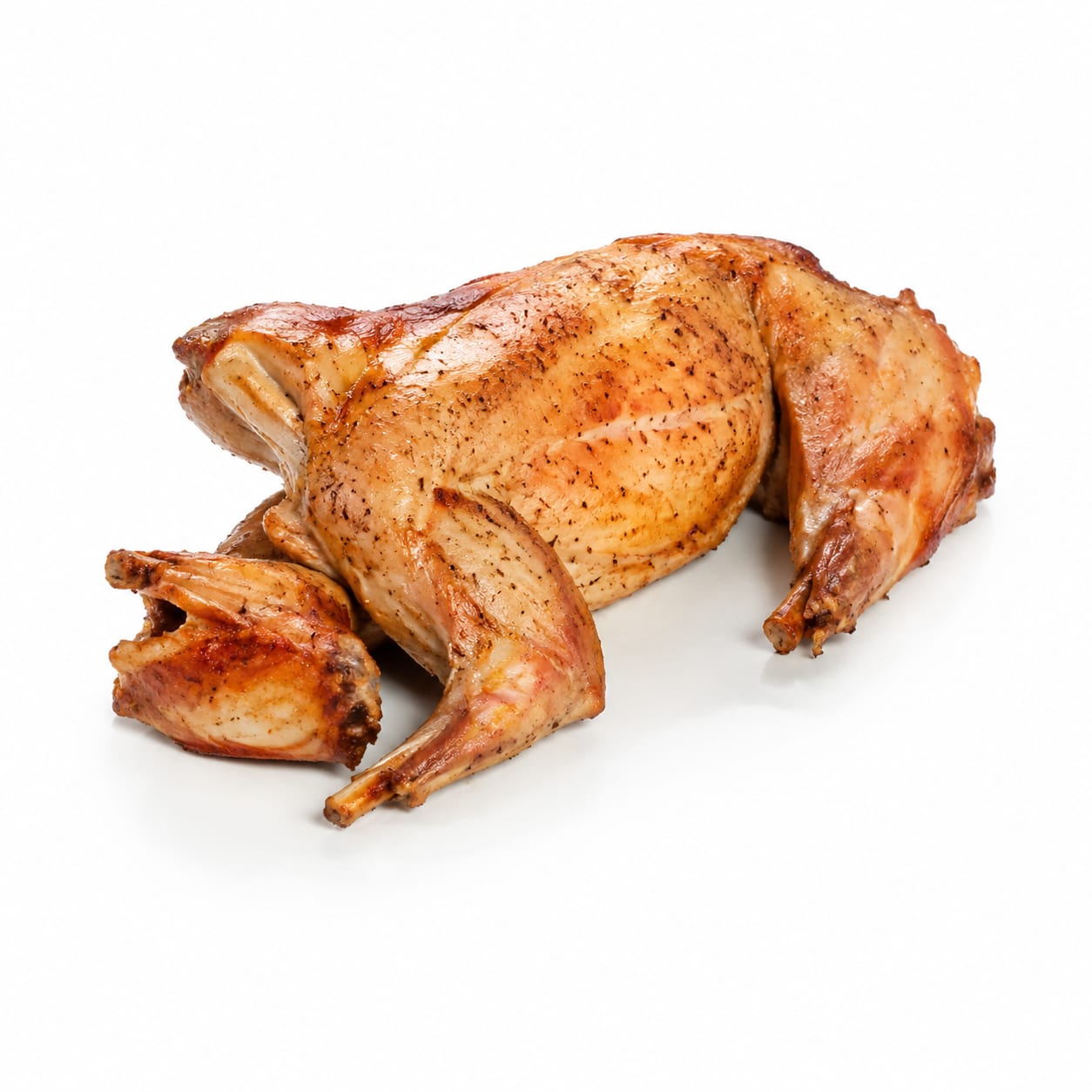
Rabbit
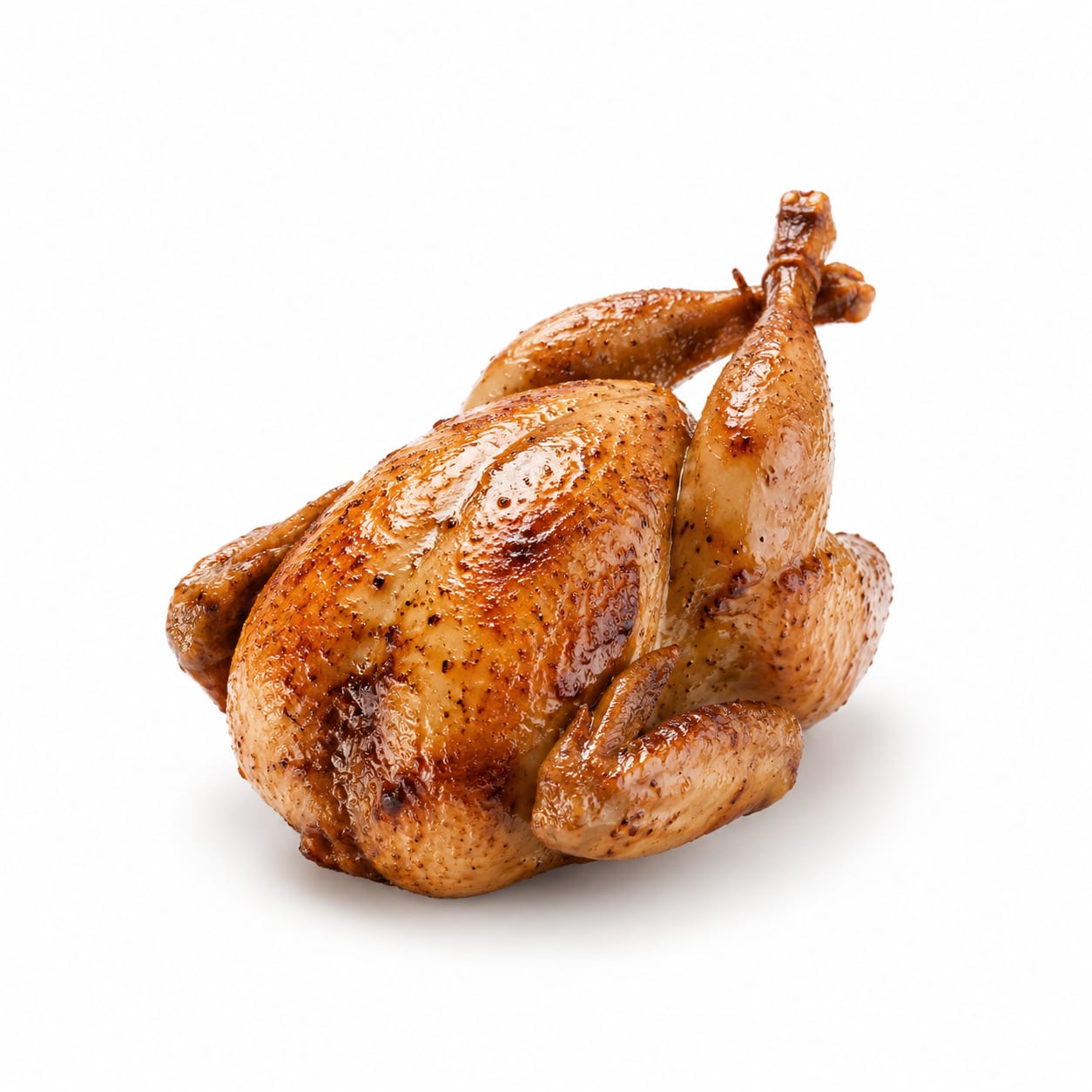
Quail
Rabbit delivers more protein per serving and is more filling, but its extreme leanness can backfire if you eat it too often without other fat sources. Quail offers a more balanced fat-to-protein ratio and is easier to portion as an occasional delicacy.
Rabbit scores slightly higher due to better protein yield, versatility, and practicality for regular meals. Quail is nutritionally more balanced per serving but its tiny portion size and cost limit everyday usefulness. Neither is a clear winner because the best choice depends heavily on how often you plan to eat it and what else is on your plate.
Rabbit wins on protein volume and satiety but loses on dietary balance and cooking flexibility. Quail is more nutritionally rounded but offers very little meat per bird.
At a glance
Executive summary
Overall
It depends
Healthier
It depends
More practical
Rabbit
Daily use
Rabbit
Key comparison lenses
Lean protein source comparison for health-conscious eaters
Both are exceptionally lean game meats sought by people wanting high protein with minimal fat
Satiety and dietary sustainability
Rabbit's extreme leanness creates a unique risk of fat deficiency if relied on too heavily
Specialty meat selection for culinary adventure
Both are uncommon proteins that require deliberate sourcing and preparation knowledge
Safety and contamination awareness for game meats
Wild-caught versions of both carry parasites and contamination risks that supermarket meats do not
Best choice for
Rabbit
- People meal-prepping lean protein for the week
- Anyone prioritizing maximum protein with minimum calories
- Those cooking stews or slow-cooked dishes for families
Quail
- Those wanting a balanced small portion without fat supplementation
- People exploring gourmet cooking with portion control
- Anyone seeking variety without committing to a large amount of one meat
Least suitable for
Rabbit
- People eating a very low-fat diet who lack other fat sources
- Anyone uncomfortable butchering or breaking down a whole carcass
- Those prone to getting bored with mild-flavored lean meats
Quail
- Families wanting efficient meal prep from a single protein
- Anyone frustrated by high bone-to-meat ratios
- Budget-conscious shoppers needing affordable regular protein
Deep comparison
Dimension by dimension
Each lens scores both foods and breaks down who each option suits.
- Dimension 1 · Priority 95Rabbit
Protein Density and Quality
Rabbit · 88Quail · 78Rabbit provides significantly more protein per serving with excellent amino acid completeness, making it superior for muscle maintenance and recovery.
Tradeoff
You get more protein from Rabbit, but you also need to add fat from elsewhere to make the meal satisfying and metabolically sound.
Why it matters
If your primary goal is hitting protein targets efficiently, Rabbit gets you there faster with fewer calories.
Real-world impact
A single Rabbit serving can deliver 40-50g of protein, while a typical Quail portion gives only 15-20g due to the small bird size.
Rabbit
- Athletes needing high protein intake
- Anyone tracking macros closely
- Post-workout meal builders
Better for
- Very low-fat dieters who cannot supplement with other fat sources
Worse for
Quail
- Light eaters who want moderate protein without leftovers
- Those who naturally eat mixed plates with other proteins
Better for
- Anyone needing a single-meal protein hit above 30g
Worse for
- Dimension 2 · Priority 90Quail
Fat Balance and Satiety
Rabbit · 55Quail · 74Quail contains enough natural fat to feel satisfying on its own, while Rabbit is so lean that eating it without added fat can leave you hungry again quickly.
Tradeoff
Rabbit's near-zero fat content is great for calorie control but terrible for feeling full and absorbing fat-soluble vitamins without planning.
Why it matters
Meals that lack fat often trigger overeating later in the day because your body keeps searching for satisfaction.
Real-world impact
Eating Rabbit plain feels light and unsatisfying. Most traditional recipes cook it in oil, butter, or sauce, which adds back the fat you thought you were avoiding.
Rabbit
- Strict calorie counters who track added fats carefully
Better for
- People who eat Rabbit multiple times weekly without other fat sources, risking fat-soluble vitamin deficiency
Worse for
Quail
- Intuitive eaters who want a meal that feels complete naturally
- Anyone who struggles with rebound hunger after lean meals
Better for
- Those wanting the absolute lowest calorie protein option
Worse for
- Dimension 3 · Priority 80Rabbit
Cooking Versatility
Rabbit · 82Quail · 60Rabbit works beautifully in stews, braises, roasts, and grilled preparations. Quail is best roasted or grilled whole but offers less flexibility due to its size.
Tradeoff
Rabbit adapts to more recipes and cuisines, while Quail is more of a specific occasion protein that shines in fewer preparations.
Why it matters
A protein you can cook many ways stays interesting longer, making it easier to eat regularly without fatigue.
Real-world impact
Rabbit can replace chicken in most recipes with minor adjustments. Quail demands more precise cooking to avoid drying out and is harder to incorporate into everyday dishes.
Rabbit
- Home cooks wanting a flexible weekly protein
- Meal preppers making large batches
- Anyone cooking for a family
Better for
- People wanting a quick-cooking protein, since Rabbit benefits from slow cooking
Worse for
Quail
- Experienced cooks wanting an impressive dinner party centerpiece
- Those who enjoy simple roasting or grilling
Better for
- Anyone wanting to make soups, stews, or casseroles efficiently
Worse for
- Dimension 4 · Priority 75Rabbit
Portion Practicality and Cost
Rabbit · 70Quail · 50One Rabbit feeds two to four people reasonably well. A single Quail is barely an appetizer for one, meaning you need multiple birds per person.
Tradeoff
Rabbit gives you more edible meat per animal and per dollar, but Quail's small portions can help with portion control if that is your goal.
Why it matters
Cost and yield directly affect whether a protein becomes a regular part of your diet or stays a rare treat.
Real-world impact
Feeding a family of four with Quail might require eight to twelve birds, while one Rabbit easily covers the same meal.
Rabbit
- Families needing efficient protein per dollar
- Anyone buying in bulk or meal prepping
Better for
- People who find buying a whole rabbit intimidating or wasteful if cooking for one
Worse for
Quail
- Solo diners wanting a controlled small portion
- Those who value the experience over the volume
Better for
- Budget-conscious households
- Anyone frustrated by high bone-to-meat ratios
Worse for
- Dimension 5 · Priority 72It depends
Micronutrient Profile
Rabbit · 76Quail · 74Rabbit is richer in B12, selenium, and phosphorus. Quail offers slightly more iron and zinc. Both are strong nutrient sources compared to conventional meats.
Tradeoff
Neither is a clear micronutrient winner. The differences are small enough that variety matters more than choosing one over the other for vitamins.
Why it matters
Both meats outperform chicken and beef on several micronutrients, making either a smart upgrade for nutrient density.
Real-world impact
Eating either Rabbit or Quail occasionally gives your micronutrient intake a meaningful boost compared to eating only standard supermarket meats.
Rabbit
- Those specifically wanting more B12 and selenium
- People with low phosphorus intake
Better for
- People relying on it as a sole iron source
Worse for
Quail
- Anyone needing more iron and zinc
- Women with higher iron requirements
Better for
- Those wanting maximum B12 per serving
Worse for
Timeline
Health impact over time
Short-term
Hours to days
Rabbit
- Very lean meals may leave you unsatisfied within an hour or two
- High protein intake supports steady energy without blood sugar spikes
- Requires added fat or sides to prevent mid-afternoon hunger
Quail
- More balanced fat content provides steadier satiety after eating
- Small portion size may not feel like enough without sides
- Rich flavor in a small package can feel satisfying despite low volume
Long-term
Months to years
Rabbit
- Excellent for maintaining lean body mass with low calorie intake
- Risk of fat-soluble vitamin deficiency if eaten as a primary protein without dietary fat elsewhere
- Very low saturated fat intake supports cardiovascular health over time
Quail
- Good balance of protein and fat supports hormonal health without supplementation
- Iron and zinc contribution benefits blood health and immune function
- Occasional consumption adds dietary variety linked to better gut microbiome diversity
Risk profile
Safety & processing
Both Rabbit and Quail are typically sold as whole, unprocessed game meats with no additives. Farmed versions may have slightly different feed exposure, but neither carries the processing concerns of deli meats, sausages, or factory-farmed cuts.
Rabbit
Tularemia from wild-caught Rabbit
highWild rabbits can carry tularemia, a serious bacterial infection. Always wear gloves when handling wild Rabbit and cook thoroughly to 160°F. Farmed Rabbit carries much lower risk.
Parasites in wild game
mediumWild Rabbit may harbor tapeworms and other parasites. Proper cooking eliminates this risk entirely.
Protein poisoning from exclusive consumption
mediumEating Rabbit as your only protein without any fat source can cause rabbit starvation, a condition of protein excess and fat deficiency leading to diarrhea, fatigue, and malnutrition.
Quail
Bone choking hazard
mediumQuail has many small, sharp bones that can pose a choking risk, especially for children and elderly diners.
Parasites from wild Quail
mediumWild quail can carry parasites similar to other game birds. Thorough cooking resolves this.
Lead shot residue in wild-caught Quail
lowHunted Quail may contain lead shot fragments, which pose a toxicity risk. Farmed Quail avoids this entirely.
Who wins for whom
Audience fit
Same foods, different winners depending on your goal.
children
RabbitRabbit provides more meat per serving with fewer choking hazards from small bones. Quail's tiny bones make it risky for young children.
daily consumption
RabbitRabbit is more practical as a regular protein source due to portion size, versatility, and availability. Quail works better as an occasional meal.
diabetes
It dependsBoth have zero carbohydrates and will not spike blood sugar. Rabbit's lower fat content may slightly favor insulin sensitivity, but the difference is minimal.
elderly
RabbitRabbit is easier to eat without bone hazards and provides more protein per bite, which matters for maintaining muscle in older adults. Quail bones pose a choking and injury risk.
muscle gain
RabbitHigher protein per serving makes Rabbit more efficient for muscle repair and growth, though you need to pair it with adequate calories and fat.
weight loss
RabbitRabbit's extremely low calorie and fat content makes it easier to maintain a caloric deficit, provided you add healthy fats separately to stay satisfied.
Your move
Decision guide
Choose Rabbit
- You want a versatile lean protein you can cook several ways throughout the week
- You are feeding a family and need efficient protein per dollar
- You are comfortable adding your own healthy fats like olive oil or avocado to meals
- You want maximum protein with minimum calories for weight management
Choose Quail
- You want a balanced small portion that feels satisfying without extra planning
- You are cooking a special meal and want something impressive and elegant
- You prefer naturally portioned proteins that prevent overeating
- You want more iron and zinc per calorie
Either works if
- You are simply looking for a nutrient-dense alternative to chicken or beef
- You want to add variety to your protein rotation for gut health
- You enjoy cooking and want to explore game meats
Avoid both if
- You are uncomfortable handling or cooking whole game animals with bones
- You have gout and need to limit purine-rich meats
- You cannot reliably source either from reputable farms or trusted hunters
Final recommendation
Choose Rabbit as your go-to lean game meat for regular meals and meal prep. Choose Quail for occasional variety and when you want a naturally balanced small portion. Neither should be your only protein source, but both are excellent upgrades from standard factory-farmed meats when you can find them.
Practical
Consumer tips
- 1
Buy farmed Rabbit and Quail when possible to avoid parasite and disease risks from wild game
- 2
Cook Rabbit with olive oil, tomatoes, or coconut milk to add the fat it needs to be satisfying
- 3
If buying Quail, plan for at least two to three birds per person for a main course
- 4
Slow-cook Rabbit for the most tender results, as it can become tough with quick high-heat methods
- 5
Freeze wild game for at least two weeks before cooking to kill potential parasites
- 6
Ask your butcher about sourcing, as both meats vary significantly in quality between wild and farmed versions