
Nutrition comparison
Rabbit vs Turkey Breast: Which Lean Protein is Healthier?
Comparing rabbit and turkey breast? Discover the surprising cholesterol differences, B12 benefits, and which lean meat is better for weight loss and muscle gain.
Overall winner · Turkey Breast
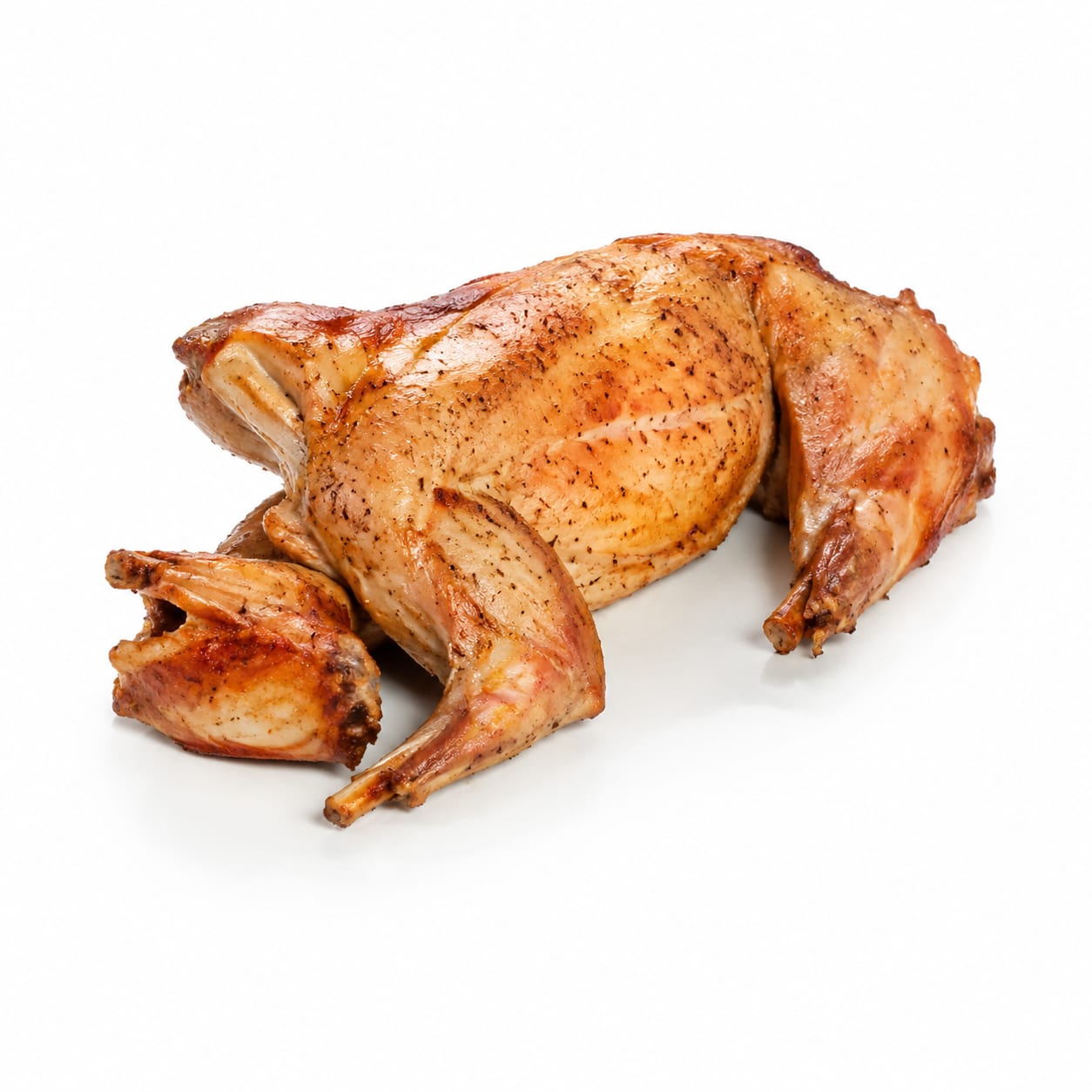
Rabbit
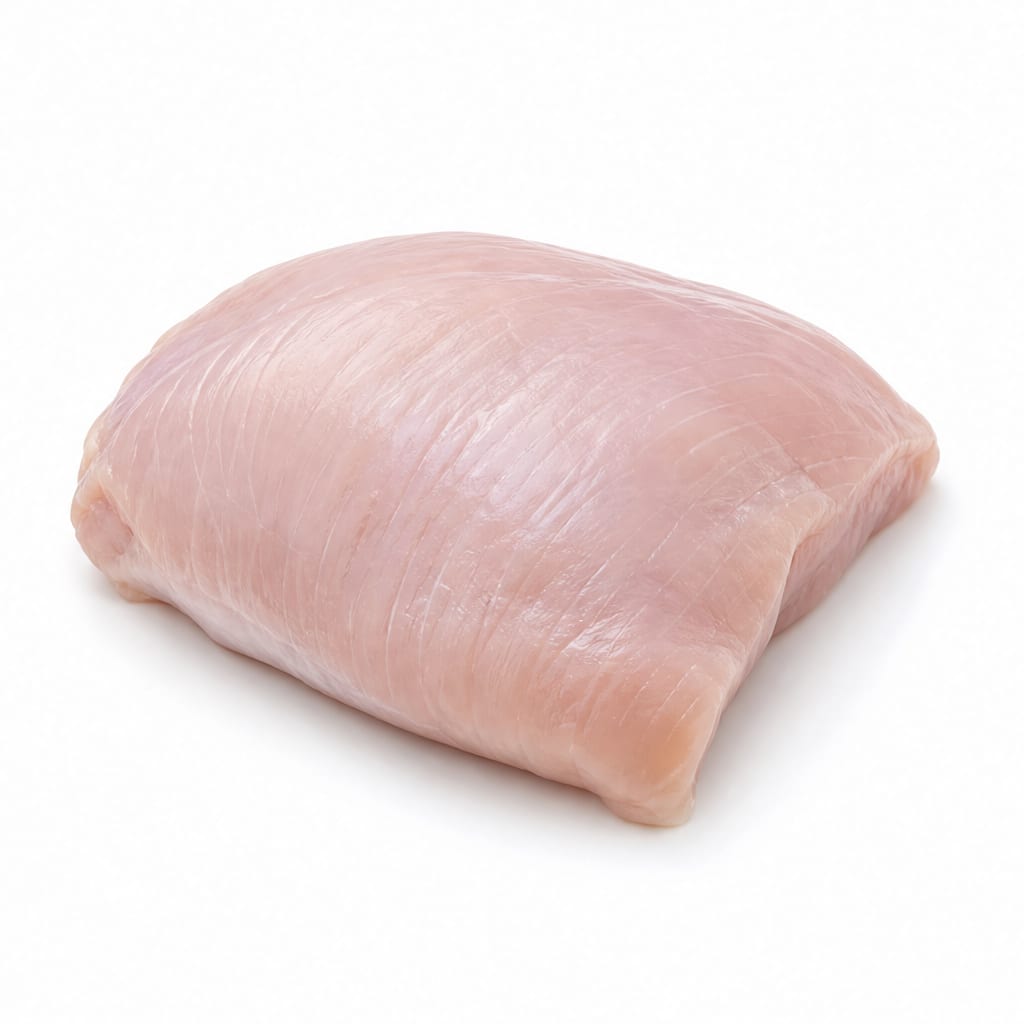
Turkey Breast
Turkey breast wins for everyday practicality and heart health, but rabbit offers a richer micronutrient profile for occasional variety.
Turkey breast scores higher due to its accessibility, lower cholesterol, and versatility. Rabbit remains an excellent nutritional choice but is held back by its specialty status and cholesterol load.
You trade the superior B12 and iron of rabbit for the lower cholesterol, affordability, and convenience of turkey breast.
At a glance
Executive summary
Overall
Turkey Breast
Healthier
Turkey Breast
More practical
Turkey Breast
Daily use
Turkey Breast
Key comparison lenses
Ultra-lean protein comparison
Both foods are famous for providing maximum protein with minimal fat, making them staples for cutting phases and lean diets.
Cholesterol and heart health impact
Rabbit is unusually high in dietary cholesterol compared to most lean meats, while turkey breast is famously low.
Practicality and everyday accessibility
Turkey breast is a grocery store staple, whereas rabbit is a specialty meat that requires sourcing and specific cooking skills.
Micronutrient density
Rabbit offers significantly more vitamin B12 and iron, while turkey breast provides excellent B vitamins like niacin and B6.
Best choice for
Rabbit
- Culinary adventurers seeking rich iron and B12 sources
- Very low-fat diets needing flavor variety
- Those following nose-to-tail or locavore eating philosophies
Turkey Breast
- Weekly meal preppers needing reliable lean protein
- Heart-health conscious eaters managing cholesterol
- Budget-minded athletes cutting fat while preserving muscle
Least suitable for
Rabbit
- People strictly managing high cholesterol
- Busy households needing quick weeknight dinners
- Picky eaters uncomfortable with gamey flavors
Turkey Breast
- Those tired of dry poultry needing culinary excitement
- Individuals requiring high heme iron intake for anemia
Deep comparison
Dimension by dimension
Each lens scores both foods and breaks down who each option suits.
- Dimension 1 · Priority 90Turkey Breast
Protein Quality & Density
Rabbit · 88Turkey Breast · 92Both are protein powerhouses, but turkey breast packs slightly more protein per calorie, making it highly efficient for muscle maintenance.
Tradeoff
Rabbit provides excellent protein but comes with a slightly higher calorie-to-protein ratio due to its marginally higher fat content.
Why it matters
When eating in a calorie deficit, higher protein density means better muscle preservation with less energy intake.
Real-world impact
Turkey breast helps you hit your protein macro faster, which is crucial when you are eating less food overall.
Rabbit
- Breaking the monotony of standard poultry diets
Better for
- Those who need absolute maximum protein per ounce
Worse for
Turkey Breast
- Strict macro counting and bodybuilding prep
Better for
- Prone to diet fatigue from repetitive eating
Worse for
- Dimension 2 · Priority 85Turkey Breast
Cholesterol & Heart Health
Rabbit · 45Turkey Breast · 95Rabbit is surprisingly high in cholesterol, while turkey breast is one of the lowest-cholesterol meats available.
Tradeoff
You gain iron and B12 with rabbit, but you take on a significant cholesterol hit that turkey breast completely avoids.
Why it matters
For anyone watching their lipid profile, dietary cholesterol can be a hidden obstacle even in lean meats.
Real-world impact
Eating rabbit frequently could spike your LDL numbers, whereas turkey breast keeps your heart doctor happy.
Rabbit
- Those without genetic cholesterol issues needing nutrient density
Better for
- People with hypercholesterolemia
Worse for
Turkey Breast
- Anyone with a family history of heart disease
- Older adults monitoring their lipid panels
Better for
- Those who assume all lean meats are cholesterol-free
Worse for
- Dimension 3 · Priority 80Rabbit
Micronutrient Density
Rabbit · 90Turkey Breast · 75Rabbit delivers significantly more vitamin B12 and highly bioavailable heme iron than turkey breast.
Tradeoff
Rabbit acts almost like a natural B12 supplement, whereas turkey breast requires you to get those nutrients elsewhere.
Why it matters
B12 and iron are common deficiencies, especially for women and those reducing red meat intake.
Real-world impact
Choosing rabbit can boost your energy levels and combat fatigue if you are running low on iron or B12.
Rabbit
- Women with heavy menstrual cycles needing iron
- Those avoiding red meat but needing B12
Better for
- People who eat organ meats regularly and don't need excess iron
Worse for
Turkey Breast
- Those who get plenty of B12 and iron from other sources or supplements
Better for
- Pregnant women relying solely on poultry for iron
Worse for
- Dimension 4 · Priority 75Turkey Breast
Practicality & Accessibility
Rabbit · 30Turkey Breast · 95Turkey breast is available at any grocery store and easy to cook. Rabbit requires specialty butchers and careful preparation.
Tradeoff
Rabbit offers a unique dining experience but demands effort to source and cook properly, while turkey is effortlessly convenient.
Why it matters
The best protein source is the one you can actually buy and prepare consistently.
Real-world impact
You can grab turkey breast anywhere on a busy Tuesday, but rabbit requires a planned shopping trip and slow cooking.
Rabbit
- Weekend dinner projects and culinary exploration
Better for
- Last-minute weeknight dinners
Worse for
Turkey Breast
- Busy professionals needing quick meal prep
- Suburban shoppers with standard grocery access
Better for
- Adventurous eaters craving novelty
Worse for
Timeline
Health impact over time
Short-term
Hours to days
Rabbit
- High satiety from dense protein and fat
- Steady energy without blood sugar spikes
Turkey Breast
- Extreme fullness per calorie eaten
- Light feeling in the stomach post-meal
Long-term
Months to years
Rabbit
- Potential rise in LDL cholesterol if eaten frequently
- Excellent prevention of B12 and iron deficiencies
Turkey Breast
- Sustained support for heart health and lean body composition
- Risk of diet fatigue if not paired with varied flavors and healthy fats
Risk profile
Safety & processing
Both whole rabbit and fresh turkey breast are entirely unprocessed. However, deli turkey breast is heavily processed and falls into a different category, so always choose fresh raw turkey breast for this comparison.
Rabbit
Protein poisoning (Rabbit Starvation)
mediumEating rabbit exclusively without any dietary fat can lead to malnutrition. Always pair it with a fat source.
Tularemia
lowWild rabbit can carry this bacterial infection. Sourcing from reputable farms and cooking thoroughly eliminates this risk.
Turkey Breast
Salmonella
mediumStandard poultry contamination risk. Proper handling and cooking to 165°F completely neutralizes it.
Added sodium in commercial cuts
lowSome grocery store turkey breasts are plumped with saline solution. Check labels for sodium content.
Who wins for whom
Audience fit
Same foods, different winners depending on your goal.
children
Turkey BreastMilder flavor and familiar texture make turkey breast far more palatable for kids.
daily consumption
Turkey BreastAffordability, availability, and balanced nutritional profile make turkey breast a sustainable daily staple.
diabetes
Turkey BreastBoth have zero carbs, but turkey breast's lower fat and cholesterol content makes it a cleaner choice for cardiovascular comorbidities.
elderly
Turkey BreastLower cholesterol and softer texture when cooked properly make turkey breast safer and more appropriate for aging hearts.
muscle gain
Turkey BreastSlightly higher protein density and the ability to eat large volumes consistently makes turkey breast superior for building muscle.
weight loss
Turkey BreastTurkey breast is lower in calories and cholesterol, making it easier to eat frequently while in a deficit.
Your move
Decision guide
Choose Rabbit
- You are an adventurous cook looking for a nutrient-dense weekend meal
- You need a heavy B12 and iron boost without eating red meat
- You raise or hunt rabbit and have sustainable access to it
Choose Turkey Breast
- You meal prep on Sundays and need reliable, affordable lean protein
- You are monitoring your cholesterol or have a family history of heart disease
- You want a neutral protein that absorbs marinades and spices easily
Either works if
- You need a zero-carb, high-protein centerpiece for your plate
- You are on a strict cutting phase and want to minimize dietary fat
Avoid both if
- You are eating an extremely low-fat diet and refusing to add healthy fats like olive oil or avocado to your meals
Final recommendation
Make turkey breast your daily workhorse for lean protein, but rotate in rabbit occasionally for its incredible B12 and iron benefits. Always cook rabbit low and slow, and never rely on either meat alone without adding healthy fats to your plate.
Practical
Consumer tips
- 1
Braise or slow-cook rabbit to prevent the meat from becoming tough and dry.
- 2
Never eat a diet consisting exclusively of rabbit; the lack of fat will make you sick over time. Always pair it with avocado, olive oil, or nuts.
- 3
Read the label on your turkey breast to avoid 'enhanced' products pumped full of sodium water.
- 4
Marinate turkey breast in yogurt or citrus to keep it juicy, as it dries out easily when overcooked.