
Nutrition comparison
Rabbit vs Duck: Which is Healthier?
Comparing rabbit and duck meat? Discover the nutritional differences, health benefits, and which lean or fatty protein is right for your diet goals.
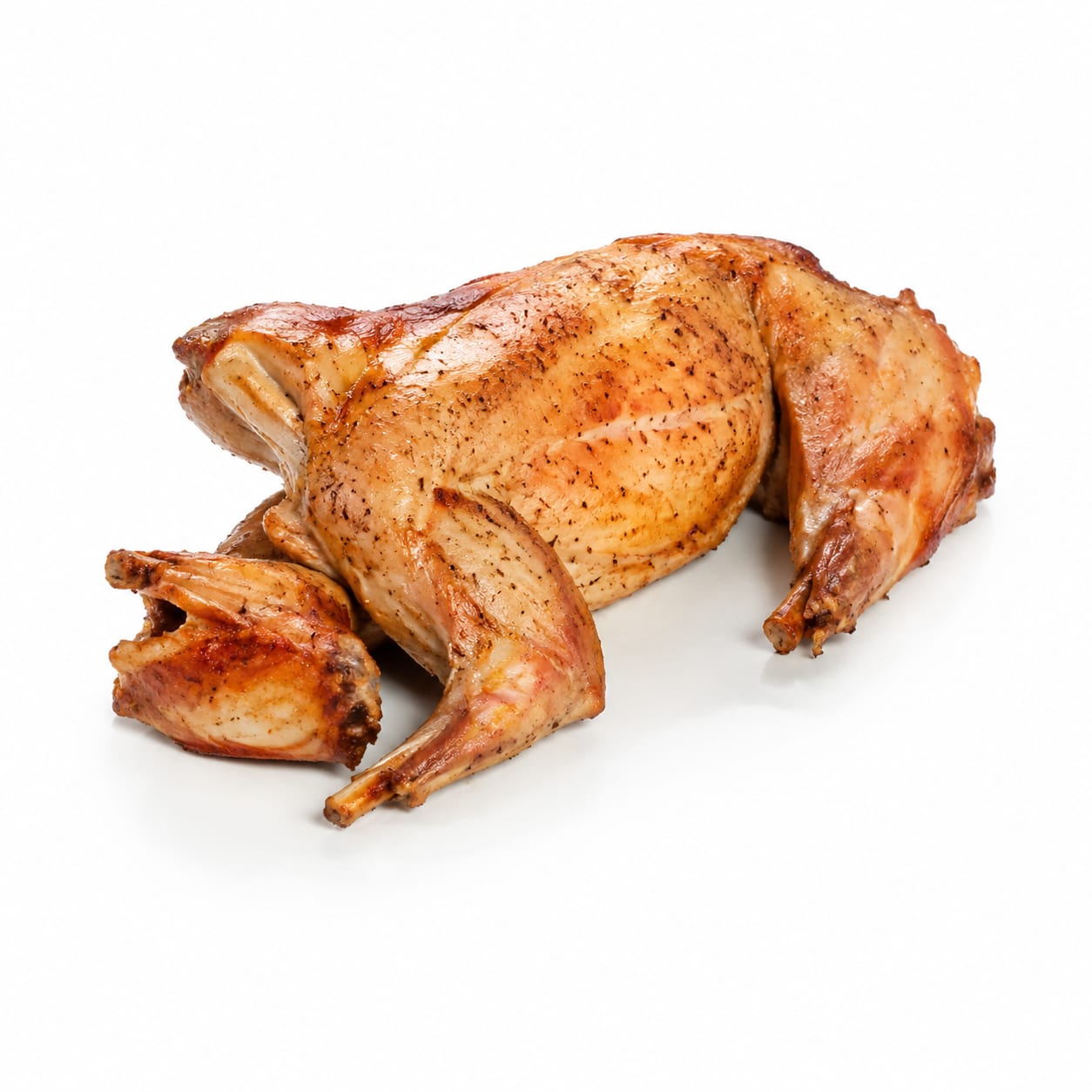
Rabbit
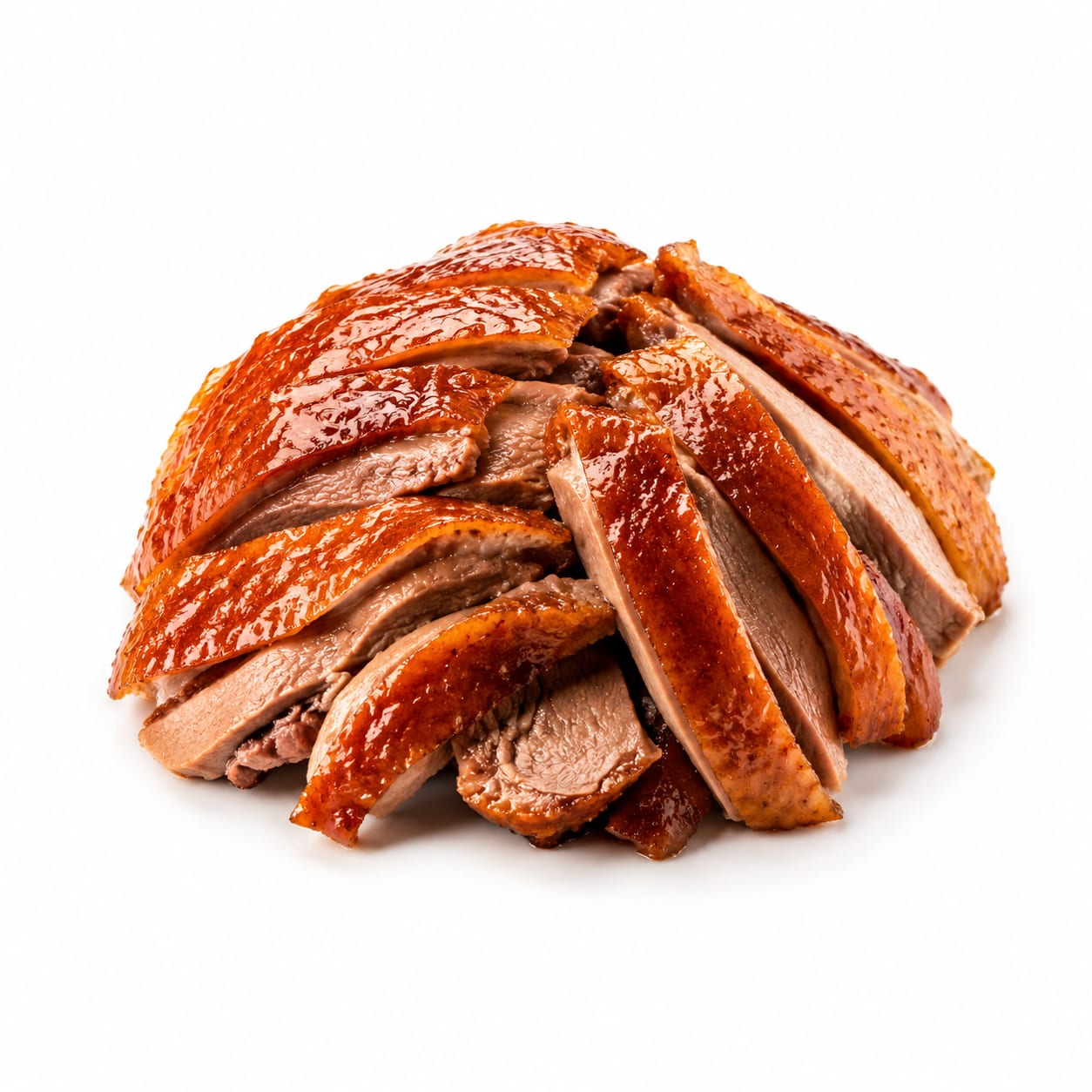
Duck
Rabbit is the ultimate lean protein for calorie counters, while duck delivers rich flavor and lasting energy for those needing higher fat intake.
Rabbit scores higher overall due to its superior heart-health profile and nutrient-to-calorie density, but duck remains a strong choice for specific dietary needs like keto or high-energy demands.
You are trading the ultra-low calorie leanness of rabbit for the satisfying, high-energy fat content of duck.
At a glance
Executive summary
Overall
It depends
Healthier
Rabbit
More practical
Duck
Daily use
Rabbit
Key comparison lenses
Lean vs Fatty Protein Selection
Rabbit is exceptionally lean while duck is naturally fatty, making this the core dietary tradeoff
Heart Health and Cholesterol Management
Saturated fat differences heavily impact cardiovascular risk profiles between these meats
Calorie Density for Weight Management
Rabbit offers massive calorie savings compared to duck, especially skin-on duck
Satiety and Meal Satisfaction
Duck's fat content provides lasting fullness, whereas lean rabbit may require added fats to satisfy
Extreme Diet Risks
Exclusive reliance on rabbit can lead to protein poisoning (rabbit starvation), a unique safety concern
Best choice for
Rabbit
- Strict calorie counters
- People managing high cholesterol
- Bodybuilders in a cutting phase
- Those on lean protein diets
Duck
- Keto and low-carb dieters
- Endurance athletes needing dense energy
- Those wanting a satisfying, filling meal
- Home cooks seeking rich culinary flavor
Least suitable for
Rabbit
- People who struggle to eat enough calories
- Those who find lean meats too dry or bland
- Individuals relying on a single meat source exclusively
Duck
- People strictly limiting saturated fat
- Those on low-calorie diets
- Anyone watching their cholesterol closely
Deep comparison
Dimension by dimension
Each lens scores both foods and breaks down who each option suits.
- Dimension 1 · Priority 95Rabbit
Calorie and Fat Profile
Rabbit · 95Duck · 45Rabbit is one of the leanest meats available, while duck is naturally high in fat, especially if eaten with the skin.
Tradeoff
Rabbit saves you hundreds of calories per serving, but duck provides dense energy and richer mouthfeel.
Why it matters
If you are trying to lose weight or manage fat intake, rabbit makes it effortless. Duck requires strict portion control.
Real-world impact
A rabbit dinner keeps you light on your feet; a duck dinner feels like a hearty, indulgent feast.
Rabbit
- Cutting calories effortlessly
- Reducing overall dietary fat
Better for
- Meals where you want rich, satisfying mouthfeel
Worse for
Duck
- Sustaining energy in cold weather
- Meeting high caloric needs without volume
Better for
- Weight loss diets
- Managing lipid profiles
Worse for
- Dimension 2 · Priority 90Rabbit
Protein Density
Rabbit · 92Duck · 75Rabbit offers significantly more protein per calorie compared to duck.
Tradeoff
You get more muscle-building protein per bite from rabbit, but duck still provides adequate protein alongside its heavy fat content.
Why it matters
Higher protein density means you can hit your daily protein targets without overshooting your calorie budget.
Real-world impact
Rabbit is a cheat code for hitting macros on a cut; duck requires you to burn through your fat budget first.
Rabbit
- Lean muscle maintenance
- High-protein, low-calorie diets
Better for
- Those who struggle to digest high volumes of lean meat
Worse for
Duck
- Balanced macronutrient meals with fat
Better for
- Strict macro counting when fat limits are tight
Worse for
- Dimension 3 · Priority 88Rabbit
Heart Health
Rabbit · 90Duck · 55Rabbit is very low in saturated fat and cholesterol, making it heart-friendly. Duck, particularly the skin, is high in saturated fat.
Tradeoff
Choosing rabbit actively protects your cardiovascular system, while frequent duck consumption can raise LDL cholesterol.
Why it matters
Saturated fat intake is a primary driver of blood cholesterol levels and long-term heart disease risk.
Real-world impact
Eating rabbit regularly keeps your doctor happy at checkups; eating duck daily might raise eyebrows on your lipid panel.
Rabbit
- Lowering LDL cholesterol
- Reducing cardiovascular disease risk
Better for
- No significant heart health downsides
Worse for
Duck
- Raising HDL cholesterol in some contexts when carbs are low
Better for
- Managing existing heart conditions
- Keeping saturated fat under 10% of daily calories
Worse for
- Dimension 4 · Priority 82Duck
Satiety and Satisfaction
Rabbit · 60Duck · 90Duck's high fat content slows digestion and keeps you full for hours. Rabbit is filling initially but digests quickly.
Tradeoff
Duck prevents late-night snacking through sheer fat-driven satiety, while rabbit may leave you hunting for snacks later.
Why it matters
Meals that actually satisfy you prevent overeating later in the day, even if they are higher in calories upfront.
Real-world impact
A duck breast dinner easily holds you until morning; a rabbit stew might have you reaching for nuts by 9 PM.
Rabbit
- Light meals before activity
Better for
- Sustaining fullness for 6+ hours
Worse for
Duck
- Preventing late-night cravings
- One-meal-a-day diets
Better for
- Eating before intense exercise
Worse for
- Dimension 5 · Priority 75It depends
Micronutrient Density
Rabbit · 80Duck · 80Rabbit is packed with B12 and selenium, while duck provides more iron, zinc, and fat-soluble vitamins.
Tradeoff
Rabbit excels at B-vitamins for energy metabolism, while duck offers superior iron for blood health and fat-soluble vitamins.
Why it matters
Both meats deliver strong but different micronutrient profiles, making them complementary rather than directly competitive.
Real-world impact
Rabbit supports nervous system health; duck supports oxygen transport and immune function.
Rabbit
- Boosting selenium intake
- Supporting energy metabolism
Better for
- Getting adequate dietary iron
Worse for
Duck
- Preventing iron-deficiency anemia
- Absorbing fat-soluble vitamins
Better for
- Those avoiding excess vitamin A intake
Worse for
Timeline
Health impact over time
Short-term
Hours to days
Rabbit
- Quick digestion without feeling sluggish
- May feel hungry sooner if eaten without added fats
- Light energy suitable for afternoon productivity
Duck
- Deep, lasting fullness after eating
- Can feel heavy or sluggish if overconsumed
- Steady energy release over several hours
Long-term
Months to years
Rabbit
- Supports healthy cholesterol levels
- Risk of protein poisoning if eaten as the sole food source without any dietary fat
- Easier weight management due to low calorie density
Duck
- Potential increase in LDL cholesterol with frequent consumption
- Supports hormone production via saturated fat intake
- Risk of weight gain if portions are not controlled
Risk profile
Safety & processing
Both rabbit and duck are typically sold as whole, minimally processed meats. You are getting straight animal protein with no hidden fillers or artificial additives.
Rabbit
Protein Poisoning (Rabbit Starvation)
mediumEating rabbit exclusively without other fat sources can lead to severe malnutrition and diarrhea due to the extreme lack of dietary fat.
Tularemia
lowWild rabbit can carry this bacterial infection, but proper cooking eliminates the risk entirely. Farmed rabbit is generally safe.
Duck
Pathogenic Bacteria
mediumDuck skin and meat can harbor Salmonella or Campylobacter, requiring strict kitchen hygiene and thorough cooking.
Environmental Contaminants
lowAs a higher-fat meat, duck can store more fat-soluble environmental toxins compared to ultra-lean rabbit.
Who wins for whom
Audience fit
Same foods, different winners depending on your goal.
children
DuckChildren need dietary fat for brain development, and duck's rich flavor is often more appealing to picky eaters.
daily consumption
RabbitRabbit's lean profile is safer and healthier for everyday eating, whereas duck is better reserved for a few times a month.
diabetes
RabbitBoth have zero carbs, but rabbit's lower saturated fat content is better for the cardiovascular risks associated with diabetes.
elderly
RabbitRabbit is easier to chew if cooked properly and supports heart health, which is a primary concern for older adults.
muscle gain
RabbitRabbit provides more protein per calorie, allowing for muscle building without gaining excess fat.
weight loss
RabbitRabbit's incredibly low calorie and fat content makes it effortless to maintain a calorie deficit.
Your move
Decision guide
Choose Rabbit
- You are counting calories or trying to lose weight
- You have high cholesterol or heart disease risk factors
- You want maximum protein with minimal fat
- You are bodybuilding or leaning out
Choose Duck
- You are on a keto or low-carb diet
- You need calorie-dense meals for endurance or cold weather
- You want a rich, satisfying meal for a special occasion
- You struggle to get enough healthy fats in your diet
Either works if
- You want high-quality, complete protein with zero carbs
- You are looking to rotate meats to diversify your micronutrient intake
Avoid both if
- You follow a strict plant-based or vegan diet
- You have severe gout and are highly sensitive to purines
Final recommendation
Make rabbit your go-to weekday staple for lean, heart-healthy protein, and save duck for weekends or high-energy days when you want satisfying, rich flavor. Always cook rabbit with a healthy fat source like olive oil to prevent dryness and avoid fat-deficiency risks.
Practical
Consumer tips
- 1
Braise or slow-cook rabbit to prevent the lean meat from drying out, and always pair it with a healthy fat like olive oil.
- 2
Remove the skin from duck breasts to cut the fat and calorie content nearly in half if you want a leaner meal.
- 3
Never eat rabbit exclusively; always ensure your diet includes other fat sources to avoid rabbit starvation.
- 4
Poke duck skin thoroughly before roasting to render out as much excess fat as possible, making it crispier and less greasy.