
Nutrition comparison
Rabbit vs Beef Sirloin: Nutrition, Health, and Taste Comparison
Rabbit is dramatically leaner and better for heart health, but beef sirloin delivers more iron, zinc, and B12. Learn which meat fits your goals.
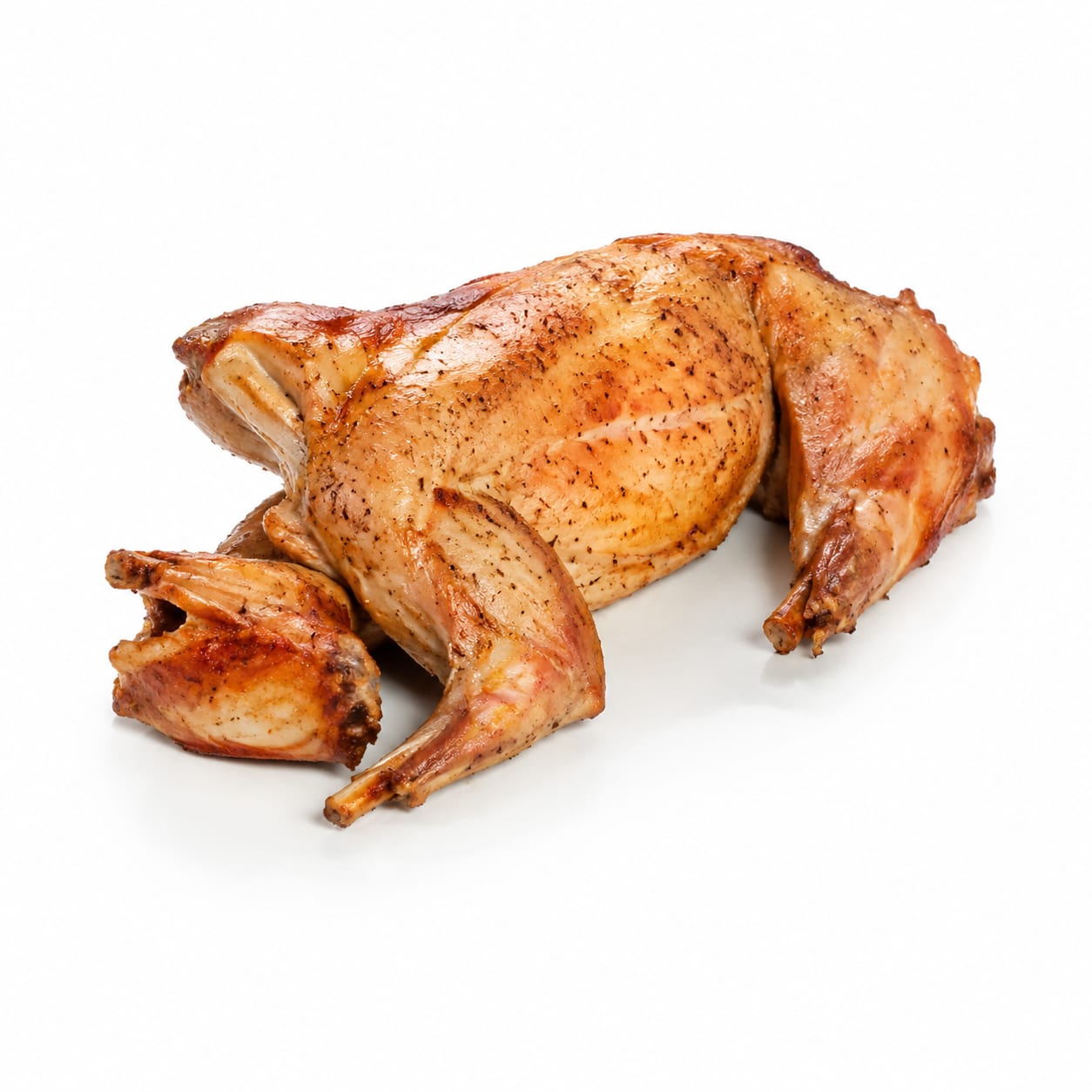
Rabbit
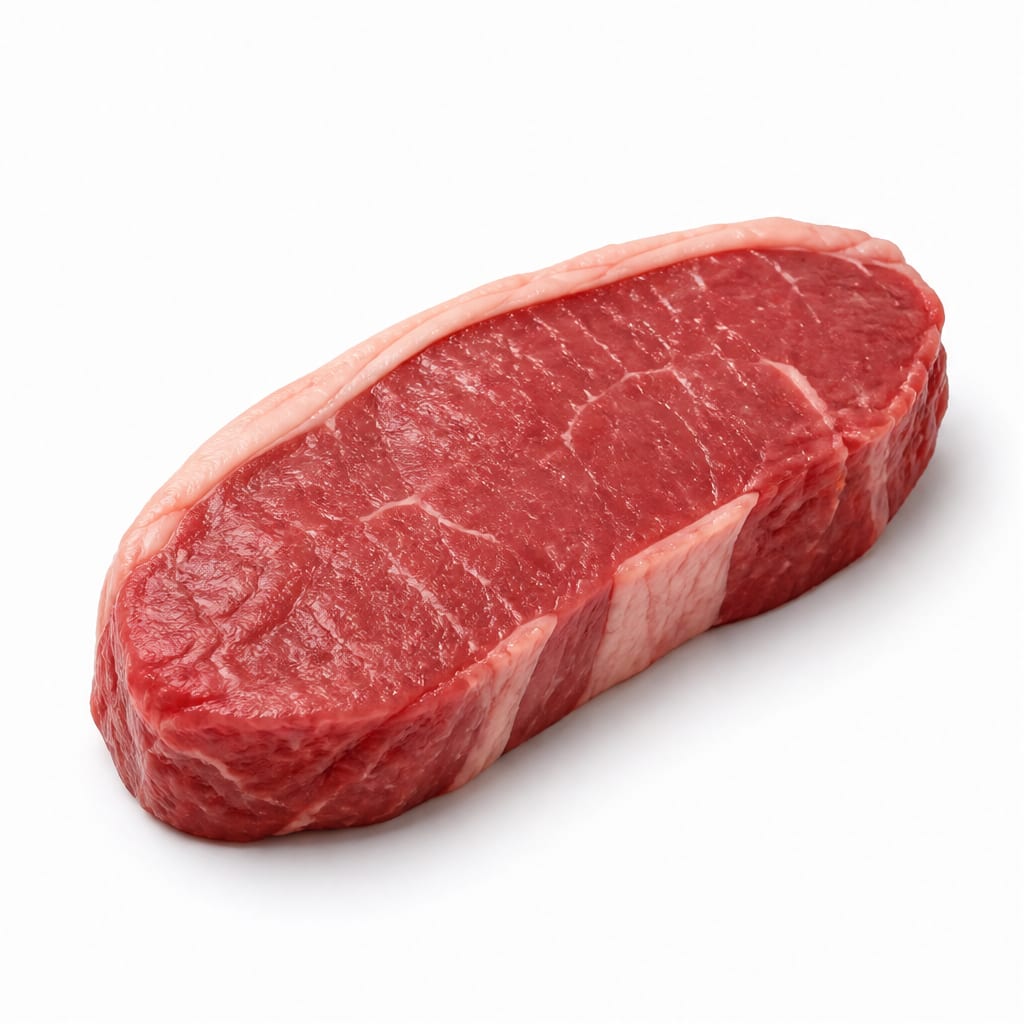
Beef Sirloin
Rabbit wins for leanness and heart health; beef sirloin wins for iron, zinc, B12, and everyday practicality.
Rabbit scores slightly higher due to its exceptional leanness and heart-health profile, but beef sirloin's micronutrient superiority and everyday usability keep it competitive. The close scores reflect that neither is universally better — it depends on your health priorities.
You trade micronutrient density and convenience for dramatically less fat and fewer calories.
At a glance
Executive summary
Overall
It depends
Healthier
Rabbit
More practical
Beef Sirloin
Daily use
Beef Sirloin
Key comparison lenses
lean protein comparison
Rabbit is one of the leanest meats available while beef sirloin offers moderate leanness with more fat — this drives the core tradeoff
heart health and cholesterol
Saturated fat and cholesterol differences significantly impact cardiovascular risk between these two meats
micronutrient density
Beef sirloin delivers substantially more iron, zinc, and B12, which matters for deficiency prevention
practical availability
Rabbit is hard to source for most consumers while beef sirloin is available at any grocery store
long term dietary sustainability
Exclusive reliance on extremely lean rabbit can cause protein poisoning, while regular red meat carries cumulative health risks
Best choice for
Rabbit
- People managing heart disease or high cholesterol
- Anyone counting calories who wants maximum protein volume
- Those reducing saturated fat intake
- Mediterranean-style or cardiac diet followers
Beef Sirloin
- Weightlifters needing heme iron and zinc
- Anyone at risk for iron-deficiency anemia
- Families wanting familiar, accessible meal options
- People who struggle to get enough B12
Least suitable for
Rabbit
- Those relying on a single meat for all micronutrients
- People uncomfortable sourcing or preparing game meats
- Anyone needing calorie-dense meals for weight gain
- Children who may find rabbit unfamiliar or off-putting
Beef Sirloin
- People with elevated LDL cholesterol
- Those limiting red meat per medical advice
- Anyone tracking saturated fat strictly
- Individuals with gout flares triggered by red meat
Deep comparison
Dimension by dimension
Each lens scores both foods and breaks down who each option suits.
- Dimension 1 · Priority 92Beef Sirloin
Protein Quality and Content
Rabbit · 78Beef Sirloin · 88Both are excellent protein sources, but beef sirloin provides a more complete amino acid profile with higher creatine and taurine content.
Tradeoff
Rabbit gives you slightly less protein per calorie but far less accompanying fat; beef sirloin gives richer protein nutrition with more saturated fat baggage.
Why it matters
For muscle maintenance and recovery, the fuller amino acid and creatine profile in beef sirloin gives it a practical edge.
Real-world impact
After a heavy training session, beef sirloin supports recovery more completely — but rabbit still gets the job done with fewer calories.
Rabbit
- Lean bulking phases where calorie control matters
- Cutting phases needing maximum protein per calorie
Better for
- Those wanting a single protein source for all needs
Worse for
Beef Sirloin
- Strength athletes needing creatine and taurine
- Older adults preventing sarcopenia
Better for
- Anyone strictly limiting saturated fat alongside protein intake
Worse for
- Dimension 2 · Priority 90Rabbit
Fat Profile and Calorie Density
Rabbit · 94Beef Sirloin · 55Rabbit is dramatically leaner with roughly one-third the calories from fat compared to beef sirloin.
Tradeoff
Rabbit's extreme leanness is great for your heart but can leave meals feeling less satisfying; beef sirloin's fat adds flavor and fullness but increases cardiovascular risk.
Why it matters
If you eat meat daily, the fat difference compounds quickly — that's 10-15g less saturated fat per serving with rabbit.
Real-world impact
A rabbit dinner feels lighter and cleaner. A sirloin dinner feels more indulgent and satisfying. Over months, the calorie savings from rabbit add up meaningfully.
Rabbit
- Weight loss diets needing calorie deficit without portion shrinking
- Heart patients reducing saturated fat
- Anyone eating meat multiple times daily
Better for
- Meals where some fat improves satiety and prevents later snacking
- Diets too low in fat to absorb fat-soluble vitamins
Worse for
Beef Sirloin
- People needing calorie-dense meals for weight gain
- Those who find lean meats unsatisfying and overeat carbs to compensate
Better for
- Daily consumption raising LDL cholesterol over time
- Portion control difficulty due to higher calorie density
Worse for
- Dimension 3 · Priority 85Beef Sirloin
Micronutrient Density
Rabbit · 58Beef Sirloin · 90Beef sirloin is significantly richer in heme iron, zinc, and vitamin B12 — three nutrients many people lack.
Tradeoff
You sacrifice the micronutrient powerhouse of beef for a leaner fat profile with rabbit.
Why it matters
Iron and B12 deficiencies are common, especially in women and vegetarians transitioning back to meat. Beef sirloin addresses this directly.
Real-world impact
If you're borderline anemic, eating beef sirloin twice a week can move the needle. Rabbit helps far less with iron status.
Rabbit
- Those already meeting iron and B12 needs through other foods or supplements
Better for
- Relying on rabbit as your primary meat risks gradual iron and B12 depletion
Worse for
Beef Sirloin
- Women with heavy menstrual cycles needing heme iron
- Older adults with reduced B12 absorption
- Anyone recovering from iron deficiency
Better for
- People with hemochromatosis or iron overload conditions
Worse for
- Dimension 4 · Priority 87Rabbit
Heart Health and Inflammatory Impact
Rabbit · 88Beef Sirloin · 52Rabbit's near-zero saturated fat makes it inherently heart-friendlier. Regular red meat consumption is associated with increased cardiovascular risk.
Tradeoff
Choosing rabbit protects your heart but limits your iron intake. Choosing beef sirloin feeds your blood but stresses your cardiovascular system over time.
Why it matters
Heart disease remains the leading cause of death. The saturated fat in beef sirloin, while moderate for red meat, still adds up with regular consumption.
Real-world impact
Swapping beef sirloin for rabbit a few times per week is a meaningful heart-health intervention — more impactful than most supplements.
Rabbit
- People with family history of heart disease
- Those with elevated LDL or total cholesterol
- Mediterranean diet adherents
Better for
- Situations where extremely low fat intake reduces HDL cholesterol
Worse for
Beef Sirloin
- Healthy young adults with no cardiovascular risk factors
- Those eating red meat only occasionally
Better for
- Anyone eating red meat 4+ times per week
- People with existing hypertension or atherosclerosis
Worse for
- Dimension 5 · Priority 72Beef Sirloin
Availability and Practical Convenience
Rabbit · 30Beef Sirloin · 92Beef sirloin is available at every grocery store. Rabbit requires specialty butchers, online orders, or hunting connections.
Tradeoff
Rabbit may be nutritionally superior for some goals, but you actually have to find it first. Beef sirloin wins on pure accessibility.
Why it matters
The healthiest food is the one you can consistently buy and prepare. For most people, rabbit is simply not a realistic weekly option.
Real-world impact
You can decide to cook beef sirloin tonight and have it within an hour. Rabbit requires planning, sourcing, and often higher cost.
Rabbit
- Rural dwellers with hunting access
- Urban dwellers near specialty butchers
- Adventurous home cooks who plan meals ahead
Better for
- Weeknight dinners requiring quick decisions
- Anyone living in food deserts or small towns
Worse for
Beef Sirloin
- Busy families needing quick grocery runs
- Anyone without specialty meat access
- Budget-conscious shoppers
Better for
- Those wanting to diversify protein sources beyond standard meats
Worse for
- Dimension 6 · Priority 68Beef Sirloin
Satiety and Meal Satisfaction
Rabbit · 60Beef Sirloin · 82Beef sirloin's fat content makes meals more filling and emotionally satisfying. Rabbit can feel dry or incomplete without added fats.
Tradeoff
Rabbit needs olive oil or butter to feel like a complete meal, which partially negates its leanness advantage. Beef sirloin satisfies on its own.
Why it matters
Meals that don't satisfy lead to snacking. A lean rabbit breast without fat may leave you hungry an hour later.
Real-world impact
After a rabbit dinner, you may reach for nuts or cheese. After sirloin, you're likely done eating for the evening.
Rabbit
- Light lunch meals where you don't want to feel heavy
- Hot weather eating when heavy meals feel unpleasant
Better for
- Late dinners where hunger returns before bed
- Active people needing lasting energy from meals
Worse for
Beef Sirloin
- Dinner as your main meal where satisfaction matters
- Post-workout meals needing sustained fullness
Better for
- Midday meals where you need to stay alert and light
Worse for
Timeline
Health impact over time
Short-term
Hours to days
Rabbit
- Very light feeling after meals with minimal digestive heaviness
- May feel hungry sooner if not paired with healthy fats
- Low risk of post-meal sluggishness or food coma
Beef Sirloin
- Strong satiety and fullness lasting several hours
- Possible slight digestive heaviness depending on portion size
- Higher calorie intake may cause mild post-meal drowsiness
Long-term
Months to years
Rabbit
- Consistently lower saturated fat intake supports cardiovascular health
- Risk of gradual iron and B12 depletion if rabbit is your only meat
- Very low fat intake may affect hormone production if overall diet is also low-fat
Beef Sirloin
- Regular consumption may gradually raise LDL cholesterol
- Excellent maintenance of iron stores and red blood cell production
- Higher cumulative red meat intake associated with increased colorectal cancer risk in large studies
Risk profile
Safety & processing
Both rabbit and beef sirloin are whole, unprocessed meats. The main concern is antibiotic and hormone use in conventionally raised beef, which is less common with rabbit farming but depends heavily on sourcing.
Rabbit
Tularemia from wild rabbit
mediumWild-harvested rabbit can carry tularemia, a bacterial infection. Thorough cooking eliminates the risk. Farmed rabbit carries minimal concern.
Protein poisoning with exclusive consumption
mediumEating only rabbit without other fat sources can cause 'rabbit starvation' — adequate calories from protein but insufficient fat for body function.
Limited food safety inspection infrastructure
lowRabbit processing is less regulated than beef in many regions, so sourcing from reputable farms matters more.
Beef Sirloin
Antibiotic and hormone residues
mediumConventionally raised beef may contain antibiotic residues and synthetic hormones. Choosing grass-fed or organic reduces this significantly.
Heme iron overload with frequent consumption
lowWhile beneficial for most, excessive heme iron from daily red meat can promote oxidative stress and colon cancer risk over years.
Foodborne illness from undercooking
lowStandard beef safety practices apply. Ground sirloin carries more risk than whole cuts. Medium-rare whole sirloin is generally safe.
Who wins for whom
Audience fit
Same foods, different winners depending on your goal.
children
Beef SirloinChildren need iron, zinc, and B12 for growth, and beef sirloin delivers these reliably. Most children also find beef more palatable than rabbit.
daily consumption
Beef SirloinBeef sirloin is easier to source, cook, and integrate into daily meals. Rabbit's limited availability makes daily consumption impractical for most people.
diabetes
RabbitBoth meats have zero carbs, but rabbit's lower saturated fat content is better for the cardiovascular risks that disproportionately affect diabetics.
elderly
It dependsRabbit is gentler on aging cardiovascular systems, but elderly individuals often need the B12 and heme iron that beef sirloin provides more effectively.
muscle gain
Beef SirloinBeef sirloin offers more complete protein nutrition including creatine, taurine, and higher zinc — all supportive of muscle growth and recovery.
weight loss
RabbitRabbit provides maximum protein with minimum calories, making it easier to maintain a deficit without feeling deprived of meat.
Your move
Decision guide
Choose Rabbit
- You have high cholesterol or a family history of heart disease
- You want maximum protein with minimum calories for weight loss
- You can source quality rabbit from a trusted butcher or farm
- You already get adequate iron and B12 from other foods or supplements
Choose Beef Sirloin
- You need to boost iron, zinc, or B12 levels
- You want a satisfying, filling dinner that prevents late-night snacking
- Practical grocery access matters more than marginal health optimization
- You're an active person or athlete needing complete protein nutrition
Either works if
- You rotate proteins throughout the week and neither is your sole meat
- You're generally healthy with no specific nutrient deficiencies or cardiovascular concerns
- You enjoy cooking and can prepare either meat well with complementary sides
Avoid both if
- You have gout and are sensitive to purine-rich meats
- You're following a plant-based diet for ethical or health reasons
- You have kidney disease requiring protein restriction
Final recommendation
Eat rabbit when heart health or calorie control is your top priority and you can source it. Eat beef sirloin when you need iron, satisfaction, and practicality. The smartest approach is rotating both — rabbit for lean days, sirloin for nutrient-dense days — rather than choosing one exclusively.
Practical
Consumer tips
- 1
If cooking rabbit, braise or stew it to prevent dryness — its extreme leanness means it toughens quickly with high-heat methods
- 2
Pair rabbit with olive oil, avocado, or nuts to add healthy fats and improve meal satisfaction without losing the leanness advantage
- 3
Choose grass-fed beef sirloin when possible to get a better omega-3 to omega-6 ratio and avoid hormone residues
- 4
Don't eat rabbit exclusively — the lack of dietary fat can cause real health problems over time even if calories are adequate
- 5
If you can't find rabbit locally, specialty online meat retailers ship frozen whole rabbits at reasonable prices
- 6
For beef sirloin, trim visible fat before cooking to reduce saturated fat by 20-30% without losing flavor