
Nutrition comparison
Rabbit vs Bison: Which Lean Game Meat Is Better for You?
Compare rabbit and bison nutrition including protein, iron, fat, calories, and satiety. Find out which game meat fits your health goals and lifestyle better.
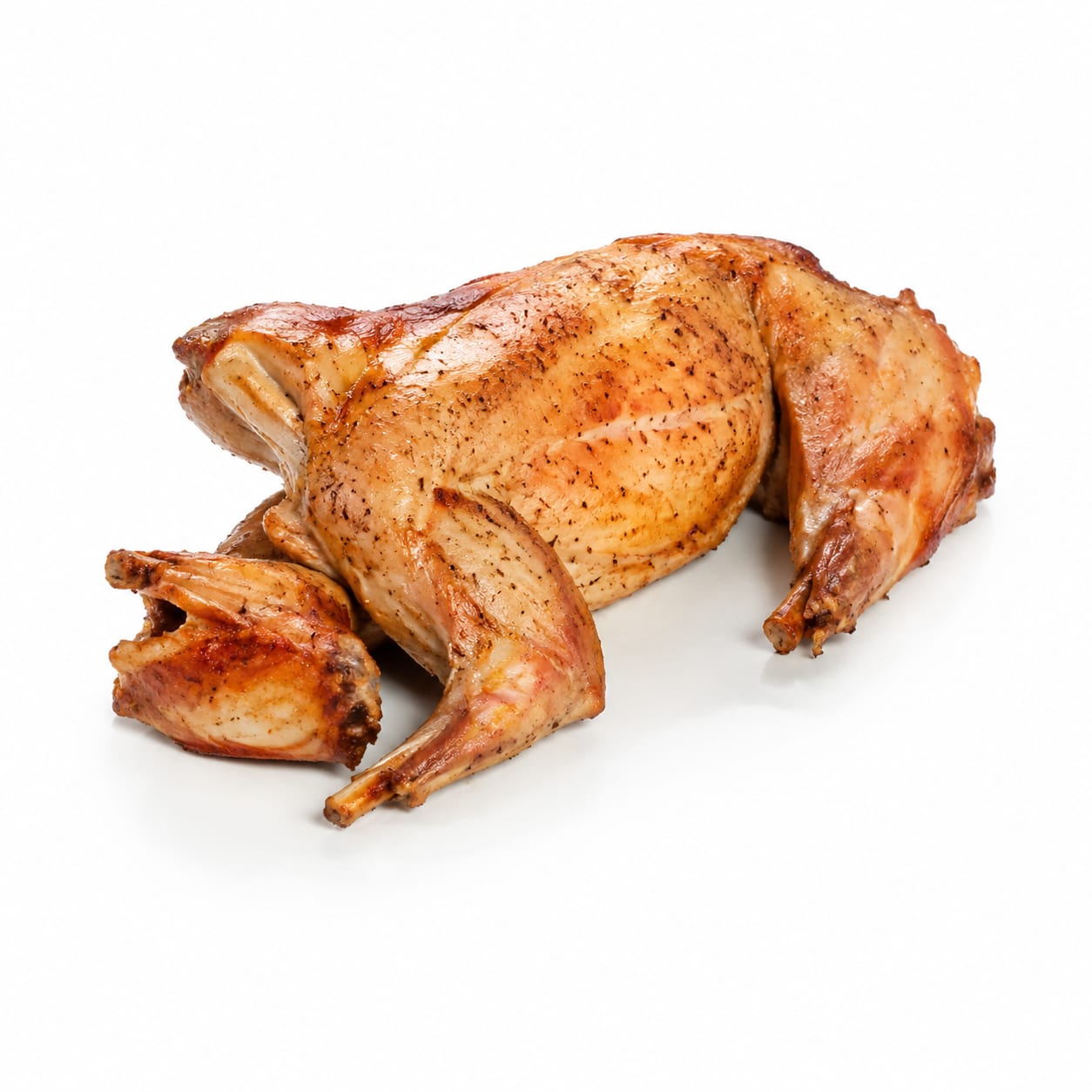
Rabbit
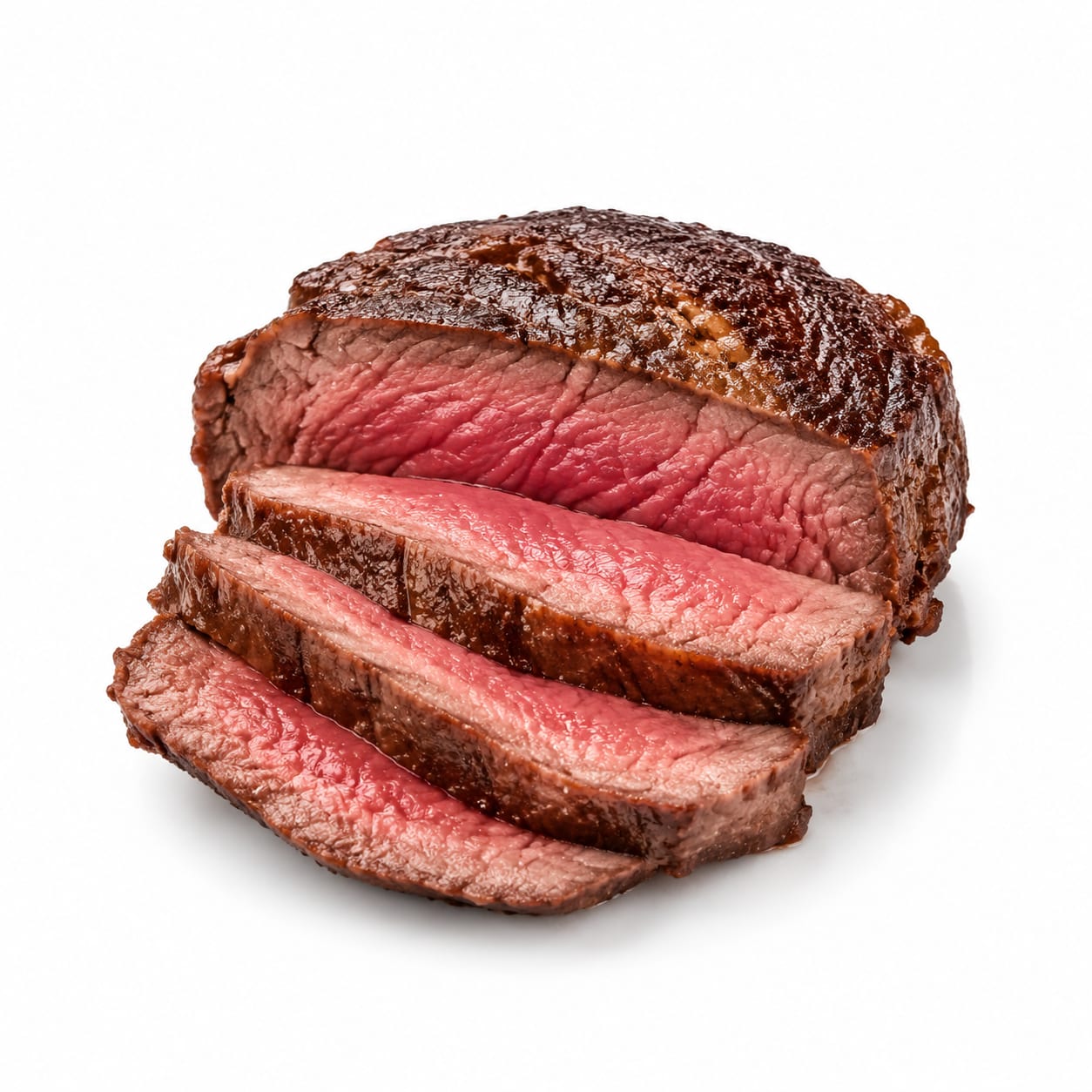
Bison
Bison offers better mineral density and meal satisfaction, while rabbit wins on sheer leanness and calorie efficiency. Your choice depends on whether you need more iron or fewer calories.
Bison scores higher overall due to superior mineral content, better satiety, and more practical daily usability. Rabbit remains excellent for specific low-calorie contexts but carries nutritional gaps that limit its versatility as a staple protein.
Rabbit gives you fewer calories but risks leaving you hungry and mineral-deficient long-term. Bison costs more but delivers iron, zinc, and satiety that rabbit simply cannot match.
At a glance
Executive summary
Overall
It depends
Healthier
It depends
More practical
Bison
Daily use
Bison
Key comparison lenses
lean protein source comparison
Both are exceptionally lean meats, but users need to understand the practical implications of extreme leanness vs moderate leanness
game meat nutritional tradeoffs
Both are non-standard meats with distinct nutritional profiles that differ significantly from conventional beef or chicken
iron and mineral density
Bison delivers substantially more iron and zinc, which matters for anemia-prone individuals and athletes
satiety and meal satisfaction
Rabbit's extreme leanness can leave eaters unsatisfied, while bison's slight fat content provides more staying power
sustainability and sourcing
Both are often marketed as sustainable alternatives to conventional meat, but with different ecological footprints
Best choice for
Rabbit
- Aggressive calorie restriction phases
- Bodybuilding contest prep
- Sedentary individuals needing minimal calories
- Those already eating varied mineral-rich foods elsewhere
Bison
- Athletes needing sustained energy and recovery
- Anyone at risk for iron deficiency
- People who find lean meats unsatisfying
- Those wanting a beef substitute without giving up richness
Least suitable for
Rabbit
- Athletes with high caloric needs
- People prone to iron deficiency
- Anyone eating rabbit as their sole protein source
- Those who find lean meats bland or unsatisfying
Bison
- Strict calorie counters on very low budgets
- Those who find game meats too gamey
- Budget-conscious households needing bulk protein
Deep comparison
Dimension by dimension
Each lens scores both foods and breaks down who each option suits.
- Dimension 1 · Priority 92Bison
protein density and quality
Rabbit · 78Bison · 86Both deliver excellent complete protein, but bison provides more protein per realistic serving alongside superior amino acid density for recovery.
Tradeoff
Rabbit has slightly higher protein as a percentage of calories, but bison offers more total protein per meal due to larger typical portions and better palatability.
Why it matters
Higher protein quality with adequate portion sizes supports muscle maintenance and satiety better than theoretical percentage advantages.
Real-world impact
A bison steak after a workout feels replenishing. A rabbit portion, while technically protein-dense, often leaves you reaching for more food within an hour.
Rabbit
- Maximizing protein-to-calorie ratio
- Very small frequent meals
Better for
- Post-workout satisfaction
- Getting enough total protein without overeating volume
Worse for
Bison
- Post-workout recovery
- Sustained muscle maintenance
- Feeling full after eating
Better for
- Strict calorie micro-management
Worse for
- Dimension 2 · Priority 85It depends
fat content and profile
Rabbit · 72Bison · 80Rabbit is extraordinarily lean, which sounds ideal but creates real-world problems. Bison has just enough fat to carry flavor, aid absorption of fat-soluble vitamins, and keep you satisfied.
Tradeoff
Rabbit's near-zero fat means fewer calories but also poor nutrient absorption and potential 'rabbit starvation' if eaten exclusively. Bison's moderate fat supports hormone health and satisfaction without being excessive.
Why it matters
Fat is not just calories. It enables vitamin absorption, supports hormone production, and dramatically affects how satisfied you feel after eating.
Real-world impact
Eating rabbit daily without added fats can leave you feeling depleted and oddly hungry despite adequate protein. Bison feels like a complete meal on its own.
Rabbit
- Aggressive fat restriction diets
- Medical low-fat protocols
Better for
- Fat-soluble vitamin uptake
- Long-term exclusive consumption
- Meal satisfaction
Worse for
Bison
- Balanced nutrition without supplementation
- Fat-soluble vitamin absorption
- Natural hormone support
Better for
- Strict fat-gram tracking
Worse for
- Dimension 3 · Priority 90Bison
iron and mineral density
Rabbit · 55Bison · 91Bison is a mineral powerhouse, delivering roughly three times the iron and significantly more zinc than rabbit. This is the clearest nutritional gap between the two.
Tradeoff
Rabbit provides decent B vitamins but falls short on the minerals most people actually lack. Bison essentially functions as an iron and zinc supplement in food form.
Why it matters
Iron deficiency is the most common nutritional deficiency worldwide. Choosing a meat low in iron when you could choose one rich in it has real consequences for energy and immunity.
Real-world impact
If you are borderline anemic, eating bison twice a week can meaningfully move your lab numbers. Rabbit will not do that for you.
Rabbit
- B vitamin intake
Better for
- Anyone needing iron
- Recovery from blood loss
- Athletic mineral repletion
Worse for
Bison
- Iron deficiency prevention
- Zinc for immune function
- Athletic mineral replenishment
- Women of reproductive age
Better for
- Iron overload conditions like hemochromatosis
Worse for
- Dimension 4 · Priority 80Bison
satiety and meal satisfaction
Rabbit · 58Bison · 84Bison keeps you full for hours. Rabbit, despite its protein content, often leaves you hungry again quickly due to minimal fat and smaller portion sizes.
Tradeoff
The same leanness that makes rabbit calorically cheap also makes it less satisfying. You may end up eating more total calories from snacking than you saved by choosing rabbit.
Why it matters
Satiety drives long-term dietary success. A food that leaves you hunting for snacks an hour later undermines its own calorie advantage.
Real-world impact
A bison burger at lunch carries you to dinner. A rabbit stew at lunch often has you eyeing the snack drawer by 3 PM.
Rabbit
- Small appetites
- Grazing-style eating patterns
Better for
- Snack prevention
- Long gaps between meals
Worse for
Bison
- One-meal satisfaction
- Avoiding between-meal snacking
- Busy people who cannot eat frequently
Better for
- Those who prefer eating small amounts frequently
Worse for
- Dimension 5 · Priority 70Bison
availability and practicality
Rabbit · 45Bison · 65Neither meat is as accessible as chicken or beef, but bison has gained mainstream traction and appears in many grocery stores. Rabbit remains genuinely hard to find for most people.
Tradeoff
Bison costs more than beef but is increasingly available. Rabbit is often special-order, mail-order, or farmers-market only, making regular consumption impractical for most.
Why it matters
The healthiest food means nothing if you cannot consistently buy and prepare it. Practicality determines whether a dietary choice becomes a habit or a one-time experiment.
Real-world impact
You can find bison at Whole Foods, many Kroger locations, and online with cold shipping. Finding rabbit usually requires a specialty butcher or a direct farm relationship.
Rabbit
- Rural areas with small game hunting
- Farmers market regulars
Better for
- Impulse meal decisions
- Standard grocery trips
Worse for
Bison
- Suburban grocery shoppers
- Online meat delivery customers
- Consistent weekly meal planning
Better for
- Very tight food budgets
Worse for
- Dimension 6 · Priority 65Rabbit
sustainability and environmental impact
Rabbit · 85Bison · 75Rabbits convert feed to meat with extraordinary efficiency and have a tiny land and water footprint. Bison are grass-fed and regenerative but require vastly more land per pound of meat.
Tradeoff
Rabbit is arguably the most eco-efficient meat you can eat. Bison supports grassland ecosystems and regenerative agriculture but needs significant acreage per animal.
Why it matters
For environmentally conscious eaters, the land and water cost of your protein matters. Both beat conventional beef, but rabbit wins this category clearly.
Real-world impact
You can raise enough rabbit for a family's protein in a backyard. A single bison requires acres of pasture.
Rabbit
- Minimal environmental footprint
- Urban and suburban homesteading
- Feed conversion efficiency
Better for
- Supporting large-scale ecosystem management
Worse for
Bison
- Grassland preservation
- Regenerative agriculture support
- Avoiding feed crop dependency
Better for
- Land use efficiency
- Water efficiency per pound
Worse for
Timeline
Health impact over time
Short-term
Hours to days
Rabbit
- Very low calorie intake per serving may cause energy dips if not paired with fat sources
- High protein with minimal fat can feel unsatisfying, prompting overeating later
- Easily digested due to low fat content, gentle on the stomach
Bison
- Sustained energy from balanced protein-to-fat ratio
- Noticeable satiety that reduces between-meal hunger
- Rich flavor makes portion control feel natural rather than forced
Long-term
Months to years
Rabbit
- Risk of iron deficiency if rabbit replaces all red meat without dietary compensation
- Potential for 'rabbit starvation' if consumed as primary protein without added fats
- Excellent cardiovascular marker support due to minimal saturated fat
Bison
- Strong iron stores and reduced anemia risk over time
- Balanced fat intake supports hormonal health without excessive saturated fat
- Better long-term dietary adherence due to meal satisfaction
Risk profile
Safety & processing
Both rabbit and bison are typically sold as whole-muscle cuts with minimal processing. Bison is almost always grass-fed and grass-finished. Rabbit is usually raised on small farms with limited antibiotic use. Neither commonly contains added nitrates, fillers, or preservatives.
Rabbit
Tularemia exposure
mediumWild rabbit can carry tularemia, a bacterial infection. Proper cooking eliminates risk, but handling raw wild rabbit requires care. Farmed rabbit carries much lower risk.
Parasite contamination
lowWild rabbit may harbor parasites. Thorough cooking to 160°F resolves this. Farmed rabbit is routinely monitored and poses minimal concern.
Bison
E. coli contamination
lowLike all red meats, bison can carry E. coli. Proper handling and cooking to 160°F for ground, 145°F for whole cuts, eliminates risk.
Heavy metal accumulation
lowBison grazing on wild pasture could theoretically accumulate environmental contaminants, but testing shows levels well within safe limits for commercially available bison.
Who wins for whom
Audience fit
Same foods, different winners depending on your goal.
children
BisonChildren need iron and zinc for growth, and bison delivers both abundantly. The richer flavor and better satiety also suit growing appetites better than rabbit's lean mildness.
daily consumption
BisonBison provides a more nutritionally complete profile for daily use. Rabbit can be consumed daily but requires careful dietary compensation for its mineral gaps and fat absence.
diabetes
BisonBoth have zero carbohydrates, but bison's fat content slows gastric emptying and provides steadier blood sugar stability. Rabbit's extreme leanness can cause quicker hunger, potentially leading to poor snack choices.
elderly
BisonOlder adults are at higher risk for iron deficiency, sarcopenia, and poor appetite. Bison addresses all three with mineral density, complete protein, and satisfying flavor that encourages eating.
muscle gain
BisonBison provides more total protein per serving, superior iron for oxygen transport, and enough fat to support caloric surplus needs for muscle building.
weight loss
RabbitRabbit's extremely low calorie density makes it the most efficient protein for aggressive calorie restriction, provided you add healthy fats to avoid hunger rebound.
Your move
Decision guide
Choose Rabbit
- You are in a strict calorie-cutting phase and every calorie matters
- You already eat iron-rich foods elsewhere and do not need bison's mineral advantage
- You have access to quality rabbit and enjoy its mild, delicate flavor
- Sustainability is your top priority and you want the lowest-impact meat possible
Choose Bison
- You want one meat that covers most nutritional bases without supplementation
- You are an athlete, menstruating, or otherwise at risk for iron deficiency
- You find very lean meats unsatisfying and end up snacking after meals
- You want a beef alternative that still feels like a real steak or burger
Either works if
- You want to break out of the chicken-and-beef rotation with something different
- You are avoiding processed meats and want whole-food protein sources
- You have no specific mineral deficiencies and eat a varied diet
Avoid both if
- You are vegetarian or vegan
- You cannot source either meat reliably and would stress about finding it
- Your budget only allows for conventional protein sources
Final recommendation
For most people, bison is the more practical and nutritionally complete choice. It delivers the iron, zinc, and satiety that make a single meal feel sufficient. Rabbit is excellent for specific low-calorie contexts, but its nutritional gaps and limited availability make it harder to sustain as a dietary staple. If you try both, let bison be your regular and rabbit be your occasional lean addition.
Practical
Consumer tips
- 1
If cooking rabbit, add olive oil or cook with a fat source to improve nutrient absorption and meal satisfaction
- 2
Bison cooks faster than beef due to lower fat content. Pull it off heat slightly before you think it is done to avoid overcooking
- 3
Ground bison is the most accessible and affordable entry point. Start there before investing in bison steaks
- 4
Pair rabbit with iron-rich sides like spinach or lentils to compensate for its low iron content
- 5
Buy bison online from reputable grass-fed suppliers if your local store does not carry it. Quality is often better and prices competitive
- 6
If you hunt or source wild rabbit, always cook to 160°F and wear gloves when handling raw meat
- 7
Both meats benefit from marinades. Rabbit loves herb and garlic blends. Bison pairs well with smoky or slightly sweet rubs