
Nutrition comparison
Rabbit vs Pork Tenderloin: Which Lean Meat Is Better for You?
Compare rabbit and pork tenderloin for protein, calories, nutrition, and practicality. Find out which lean meat fits your diet, cooking style, and health goals better.
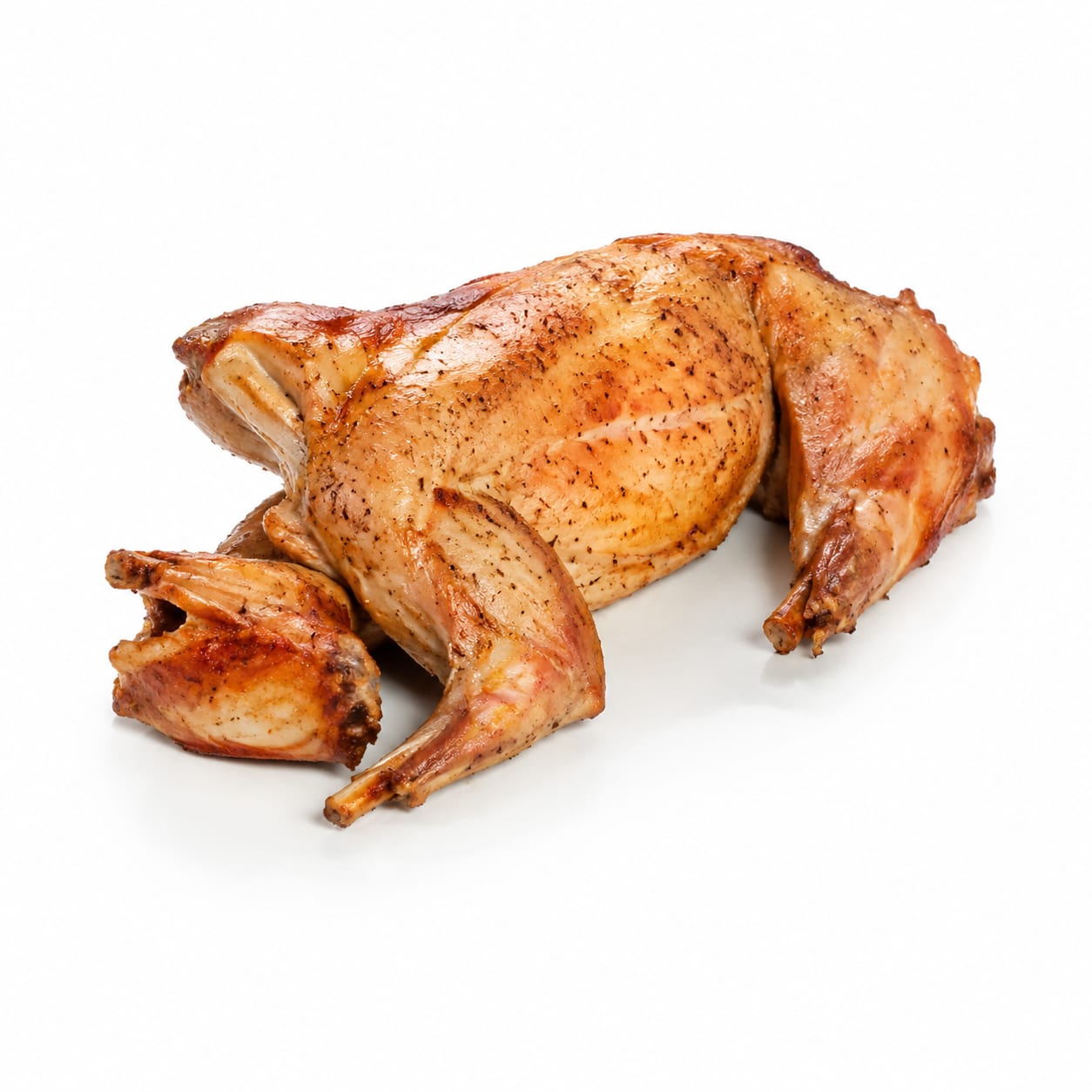
Rabbit
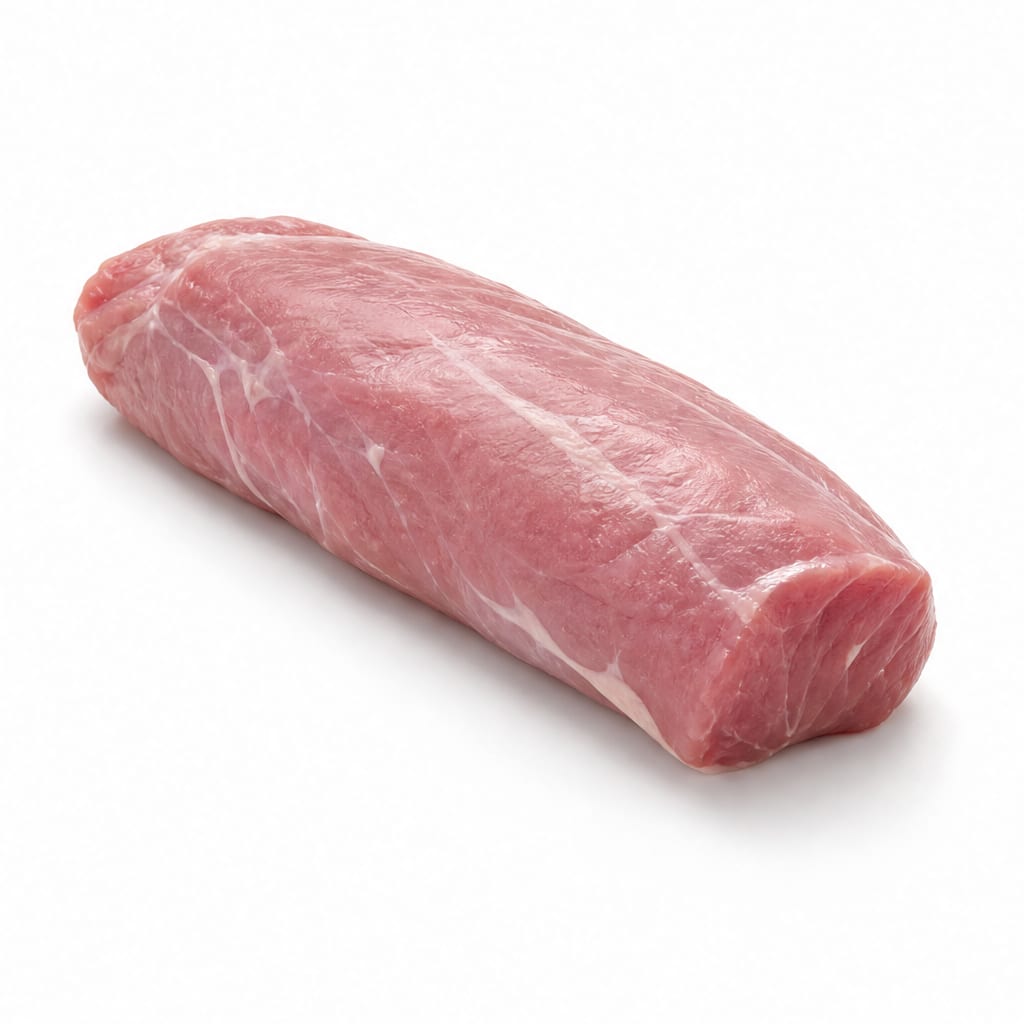
Pork Tenderloin
Rabbit wins on calorie efficiency and sustainability, but pork tenderloin wins on practicality, B-vitamin content, and realistic long-term use.
Pork tenderloin scores higher primarily due to accessibility, nutritional balance, and daily practicality. Rabbit is nutritionally excellent in isolation but its extreme leanness becomes a liability without dietary fat from elsewhere, and its scarcity makes consistent use unrealistic for most people.
Rabbit gives you more protein per calorie but is harder to find and dangerously low in fat for exclusive consumption. Pork tenderloin is nearly as lean, far more accessible, and nutritionally more balanced for everyday eating.
At a glance
Executive summary
Overall
It depends
Healthier
It depends
More practical
Pork Tenderloin
Daily use
Pork Tenderloin
Key comparison lenses
lean protein comparison for weight management
Both are among the leanest meats available, making them direct competitors for low-calorie high-protein diets
practicality and accessibility
Rabbit is specialty meat with limited availability while pork tenderloin is in every grocery store
nutritional completeness and fat adequacy
Rabbit is so lean it can cause 'rabbit starvation' if eaten exclusively without other fat sources
sustainability and environmental impact
Rabbit has a significantly smaller environmental footprint than pork production
food safety and contamination risk
Different handling risks: tularemia concerns in wild rabbit versus standard pork safety protocols
Best choice for
Rabbit
- Strict calorie-cutting phases where every calorie counts
- Sustainability-focused eaters prioritizing low environmental impact
- Culinary adventurers wanting novel protein sources
- Homesteaders and self-sufficient food producers
Pork Tenderloin
- Everyday meal prep with grocery store access
- Balanced diets needing reliable B-vitamin intake especially thiamin
- Families wanting a lean meat that is easy to find and cook
- Athletes needing consistent protein availability year-round
Least suitable for
Rabbit
- People in areas without specialty butchers or farms
- Anyone eating a very restricted diet relying on one primary meat without added fats
- Diners uncomfortable with game meat flavors or textures
- Busy households needing quick weeknight protein solutions
Pork Tenderloin
- Strict environmentalists avoiding conventional pork farming
- People with religious or cultural pork restrictions
- Those avoiding even moderate saturated fat intake under medical guidance
Deep comparison
Dimension by dimension
Each lens scores both foods and breaks down who each option suits.
- Dimension 1 · Priority 94Rabbit
Protein Density Per Calorie
Rabbit · 96Pork Tenderloin · 88Rabbit delivers slightly more protein per calorie than pork tenderloin, making it one of the most protein-efficient meats on earth.
Tradeoff
That extreme leanness means rabbit provides almost zero dietary fat, which your body needs for hormone production and nutrient absorption unless you add fat from other sources.
Why it matters
If you are counting every calorie while maximizing protein, rabbit gives you a measurable edge. But that edge disappears if you cook it in oil or butter to make it palatable.
Real-world impact
A 4-ounce serving of rabbit saves you roughly 20-30 calories compared to the same amount of pork tenderloin. Meaningful over months, negligible for a single meal.
Rabbit
- Aggressive cutting phases in bodybuilding
- Very low-calorie diets under medical supervision
Better for
- Diets relying on a single meat source without added cooking fats
Worse for
Pork Tenderloin
- Standard high-protein diets where 20-30 calorie differences do not matter
- Meals where you want the meat to contribute some natural fat for flavor and satiety
Better for
- Competition-level calorie restriction where every calorie counts
Worse for
- Dimension 2 · Priority 86Pork Tenderloin
Vitamin and Mineral Profile
Rabbit · 72Pork Tenderloin · 84Pork tenderloin is an exceptional source of thiamin and selenium. Rabbit has more vitamin B12 and iron but falls short on B1.
Tradeoff
Rabbit provides nutrients that are also easy to get from other foods, while pork tenderloin's thiamin content is genuinely hard to match elsewhere.
Why it matters
Thiamin deficiency is more common than people think, especially in heavy alcohol drinkers and people eating refined diets. Pork is one of the best food sources available.
Real-world impact
A single serving of pork tenderloin covers over 50% of your daily thiamin needs. Rabbit covers less than 15%.
Rabbit
- People needing extra B12, such as older adults with absorption issues
- Those with iron deficiency who tolerate heme iron well
Better for
- Those relying on one meat to cover B-vitamin needs broadly
Worse for
Pork Tenderloin
- Anyone at risk for thiamin deficiency
- People wanting selenium support for thyroid and immune function
Better for
- People who already eat thiamin-rich foods like sunflower seeds and legumes regularly
Worse for
- Dimension 3 · Priority 82Pork Tenderloin
Satiety and Meal Satisfaction
Rabbit · 65Pork Tenderloin · 80Pork tenderloin's slightly higher fat content makes meals more satisfying and easier to eat without extra additions. Rabbit can feel dry and incomplete without sauce or added fat.
Tradeoff
Rabbit's leanness that helps with calories hurts it at the dinner table. You will likely add fat to make it enjoyable, which erases the calorie advantage.
Why it matters
A meal that leaves you hunting for snacks an hour later is not a win, even if it was low in calories. Satiety drives long-term dietary success.
Real-world impact
Rabbit cooked without added fat often needs sauce, oil, or butter to taste good. Pork tenderloin is naturally more forgiving and satisfying with simple seasoning.
Rabbit
- Meals where you are already adding healthy fats like avocado or olive oil from other components
Better for
- Low-effort cooks who want meat that tastes good with just salt and pepper
Worse for
Pork Tenderloin
- Simple weeknight dinners where you want satisfying results with minimal extras
- People who struggle with feeling full after lean meals
Better for
- People who find even moderate fat triggers overeating
Worse for
- Dimension 4 · Priority 90Pork Tenderloin
Practicality and Availability
Rabbit · 35Pork Tenderloin · 95Pork tenderloin is available in virtually every grocery store in America. Rabbit requires specialty butchers, online orders, or personal connections to producers.
Tradeoff
You cannot eat what you cannot find. The best nutritional profile means nothing if you cannot consistently buy and cook the food.
Why it matters
Consistency is the most underrated factor in healthy eating. A food you can buy weekly beats a superior food you can find twice a year.
Real-world impact
Most people will never see rabbit at their local store. Pork tenderloin is always there, always affordable, and always ready to cook.
Rabbit
- Rural homesteaders who raise their own
- Urban dwellers near specialty markets or with online meat delivery
Better for
- Suburban families with only chain grocery access
- Budget-conscious shoppers who cannot afford specialty meat prices
Worse for
Pork Tenderloin
- Anyone shopping at a standard grocery store
- Meal preppers who need reliable weekly protein sourcing
Better for
- Cultures or communities where pork is not eaten
Worse for
- Dimension 5 · Priority 75Rabbit
Environmental Sustainability
Rabbit · 91Pork Tenderloin · 52Rabbit production has a dramatically smaller carbon footprint, uses far less water and land, and converts feed to meat more efficiently than pork.
Tradeoff
The environmental edge is clear, but industrial rabbit farming is less regulated than pork, and wild rabbit harvesting carries ecological considerations.
Why it matters
If climate impact factors into your food choices, rabbit is one of the most environmentally friendly animal proteins you can eat.
Real-world impact
Rabbit produces roughly 4-5 times less greenhouse gas per pound of meat than pork. That is a meaningful difference for environmentally motivated eaters.
Rabbit
- Environmentally conscious eaters prioritizing carbon footprint
- People interested in small-scale backyard meat production
Better for
- People who only consider environmental impact when it does not require effort to source
Worse for
Pork Tenderloin
- Those who prioritize other environmental actions over meat choice
- Consumers who trust large-scale certification programs like organic or humane labels
Better for
- Anyone tracking personal carbon footprint from food choices
Worse for
- Dimension 6 · Priority 70Pork Tenderloin
Cooking Versatility
Rabbit · 55Pork Tenderloin · 82Pork tenderloin adapts to grilling, roasting, stir-frying, and slow cooking with forgiving results. Rabbit is more temperamental and easily dries out.
Tradeoff
Rabbit rewards careful, slow cooking methods but punishes rushed preparation. Pork tenderloin is far more forgiving for average home cooks.
Why it matters
A protein you can cook confidently multiple ways gets eaten more often. A protein that ruins easily gets abandoned after one bad experience.
Real-world impact
Overcook pork tenderloin by a few minutes and it is still decent. Overcook rabbit by the same margin and it becomes dry and tough.
Rabbit
- Experienced cooks comfortable with braising and slow-cooking techniques
- Culinary traditionalists working with classic European rabbit recipes
Better for
- Impatient cooks or anyone prone to multitasking while cooking
- People who prefer quick high-heat cooking methods
Worse for
Pork Tenderloin
- Home cooks wanting reliable results with minimal technique
- Grilling and quick-sear cooking enthusiasts
Better for
- Cooks wanting to explore traditional game meat preparations
Worse for
Timeline
Health impact over time
Short-term
Hours to days
Rabbit
- Very low fat intake may leave you feeling unsatisfied after meals unless you add fat sources
- High protein with minimal fat can cause energy dips if eaten as a standalone meal
- Digestive comfort is generally good as rabbit is easily digested and light on the stomach
Pork Tenderloin
- More balanced macronutrient ratio provides steadier post-meal energy
- Slightly higher fat contributes to better absorption of fat-soluble vitamins in the same meal
- Very gentle on digestion for most people when cooked properly
Long-term
Months to years
Rabbit
- Excellent for maintaining lean body composition when paired with adequate dietary fat
- Risk of fat-soluble vitamin deficiency if rabbit is the sole protein without added fats
- Low saturated fat intake supports cardiovascular health over decades
- Historical risk of 'rabbit starvation' from exclusive consumption without any fat source
Pork Tenderloin
- Consistent thiamin intake supports nervous system and energy metabolism long-term
- Moderate saturated fat is manageable in context of an otherwise balanced diet
- Selenium content provides ongoing antioxidant and thyroid support
- Regular lean pork consumption fits well within heart-healthy dietary patterns per research
Risk profile
Safety & processing
Both rabbit and pork tenderloin are whole, minimally processed meats when purchased fresh. The main concern with pork is potential antibiotic residues from conventional farming, while rabbit from small producers is often raised with fewer pharmaceuticals but has less regulatory oversight.
Rabbit
Tularemia from wild-harvested rabbit
highWild rabbit can carry tularemia, a serious bacterial infection. This risk is eliminated with farmed rabbit and proper cooking to 160°F. Never handle or butcher wild rabbit without gloves.
Insufficient regulatory oversight for small producers
mediumRabbit farming is less regulated than pork production in most countries, meaning inspection standards and antibiotic monitoring may be less consistent.
Parasite exposure in wild populations
mediumWild rabbit can carry various parasites. Thorough cooking eliminates this risk, but it underscores the importance of never eating rabbit rare.
Pork Tenderloin
Trichinosis
lowOnce a major concern, trichinosis from commercially raised pork is now extremely rare in developed countries. Modern farming practices have virtually eliminated it. Cooking to 145°F with rest time is sufficient.
Antibiotic residues from conventional farming
mediumConventional pork production uses more antibiotics than rabbit farming. Choosing antibiotic-free or organic pork tenderloin significantly reduces this concern.
Potential for cross-contamination
lowLike all raw meats, pork tenderloin requires proper handling. Standard food safety practices eliminate risk.
Who wins for whom
Audience fit
Same foods, different winners depending on your goal.
children
Pork TenderloinChildren are more likely to accept the milder flavor and tender texture of pork tenderloin. Rabbit's gamey taste and tougher texture when overcooked make it a harder sell for picky eaters.
daily consumption
Pork TenderloinPork tenderloin's availability, cooking ease, and nutritional balance make it realistic for daily use. Rabbit's sourcing challenges and need for supplemental dietary fat make daily consumption impractical for most people.
diabetes
It dependsBoth are excellent choices for blood sugar management as zero-carb protein sources. Pork tenderloin's thiamin content may offer marginal benefits for glucose metabolism, but the difference is minimal.
elderly
Pork TenderloinOlder adults benefit from pork tenderloin's thiamin for nerve health and its softer texture when cooked. The B12 in rabbit is also valuable, but pork's overall nutrient balance and easier chewing give it the edge.
muscle gain
Pork TenderloinBoth provide excellent protein, but pork tenderloin's slightly higher calorie and fat content better supports the caloric surplus needed for muscle building. Its consistent availability also matters for daily training nutrition.
weight loss
RabbitRabbit's extreme leanness gives a slight caloric edge for strict weight loss, but only if you account for added cooking fats. The difference is small enough that pork tenderloin is nearly as effective with far less effort.
Your move
Decision guide
Choose Rabbit
- You have reliable access to quality rabbit and enjoy cooking it
- Sustainability is a top priority in your food choices
- You are in a strict cutting phase and want maximum protein per calorie
- You already eat plenty of healthy fats from other sources like olive oil, nuts, or avocado
Choose Pork Tenderloin
- You want a lean protein you can buy anywhere, anytime
- You value thiamin and selenium from food rather than supplements
- You cook for a family that prefers familiar flavors
- You want a forgiving meat that works with quick cooking methods
- You are building a sustainable long-term eating pattern rather than a short-term fix
Either works if
- You simply want a lean, high-quality protein and have access to both
- Your diet already includes diverse protein sources throughout the week
- You rotate meats for variety and nutrient breadth
Avoid both if
- You follow a plant-based diet
- You have gout flares triggered by purine-rich meats, though both are moderate in purines compared to organ meats
- You have alpha-gal syndrome, which specifically contraindicates mammal meat
Final recommendation
For most people, pork tenderloin is the smarter everyday choice. It delivers nearly the same leanness with better nutritional balance, easier access, and simpler cooking. Rabbit is worth seeking out if sustainability drives your decisions or you want to experiment with an exceptionally lean protein, but treat it as a specialty option rather than a staple. If you do eat rabbit regularly, make sure your diet includes adequate fat from other sources to avoid the nutritional pitfalls of its extreme leanness.
Practical
Consumer tips
- 1
If cooking rabbit, braise or stew it rather than grilling or roasting to prevent dryness
- 2
Pair rabbit with olive oil, butter, or avocado to compensate for its near-zero fat content
- 3
Choose organic or antibiotic-free pork tenderloin when possible to reduce antibiotic exposure concerns
- 4
Cook pork tenderloin to 145°F and let it rest for 3 minutes. It can be slightly pink in the center and still be safe
- 5
Never eat wild rabbit rare. Always cook to 160°F to eliminate tularemia and parasite risks
- 6
If you cannot find rabbit locally, check online specialty meat retailers or farmers market vendors
- 7
Freeze pork tenderloin in individual portions for easy weeknight meal prep
- 8
Marinate pork tenderloin in acidic marinades for 30 minutes to enhance tenderness without adding fat