
Nutrition comparison
Rabbit vs Chicken Breast: Which Lean Protein Is Better for You?
Compare rabbit and chicken breast nutrition, protein content, fat levels, and practicality. Find out which lean meat fits your diet, budget, and health goals.
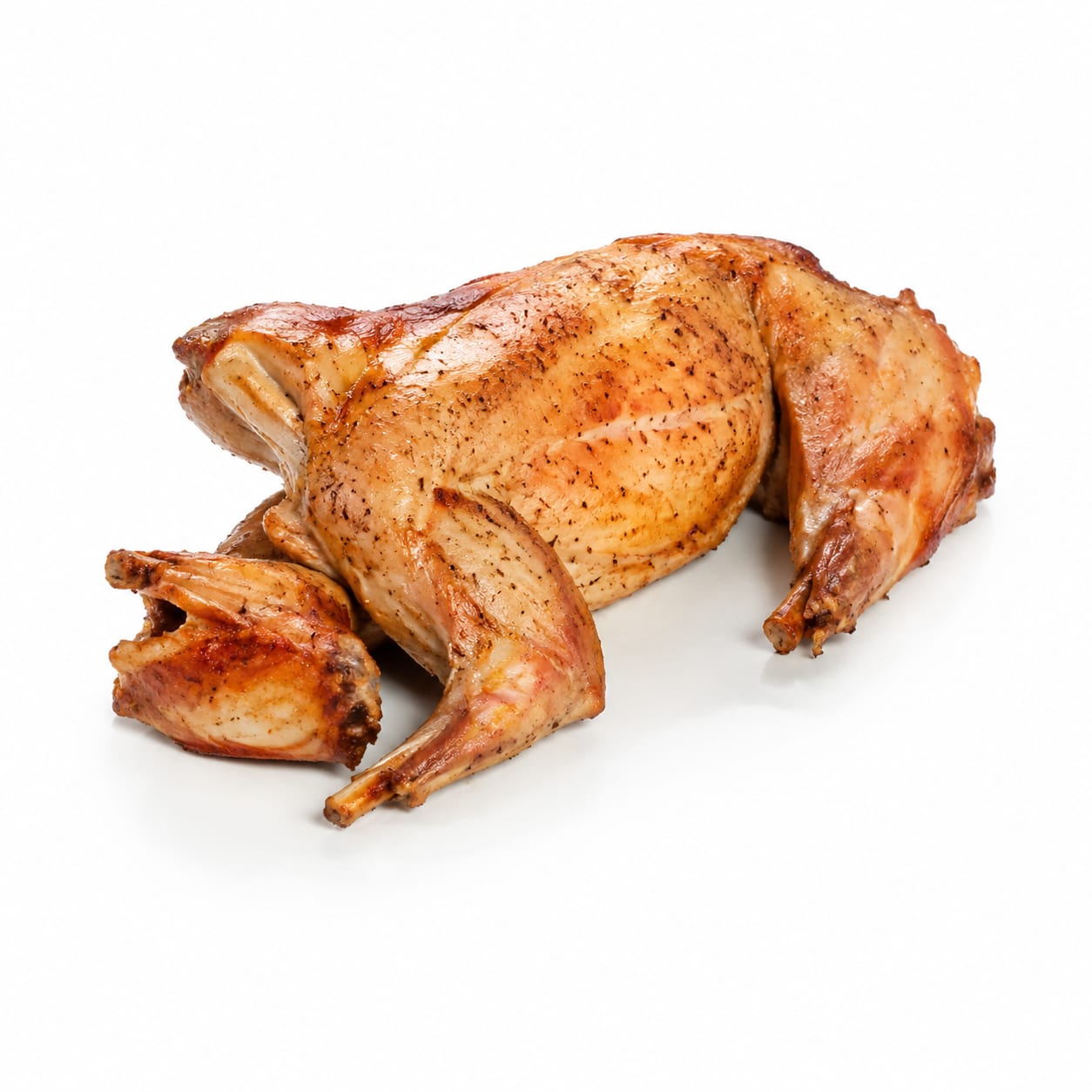
Rabbit
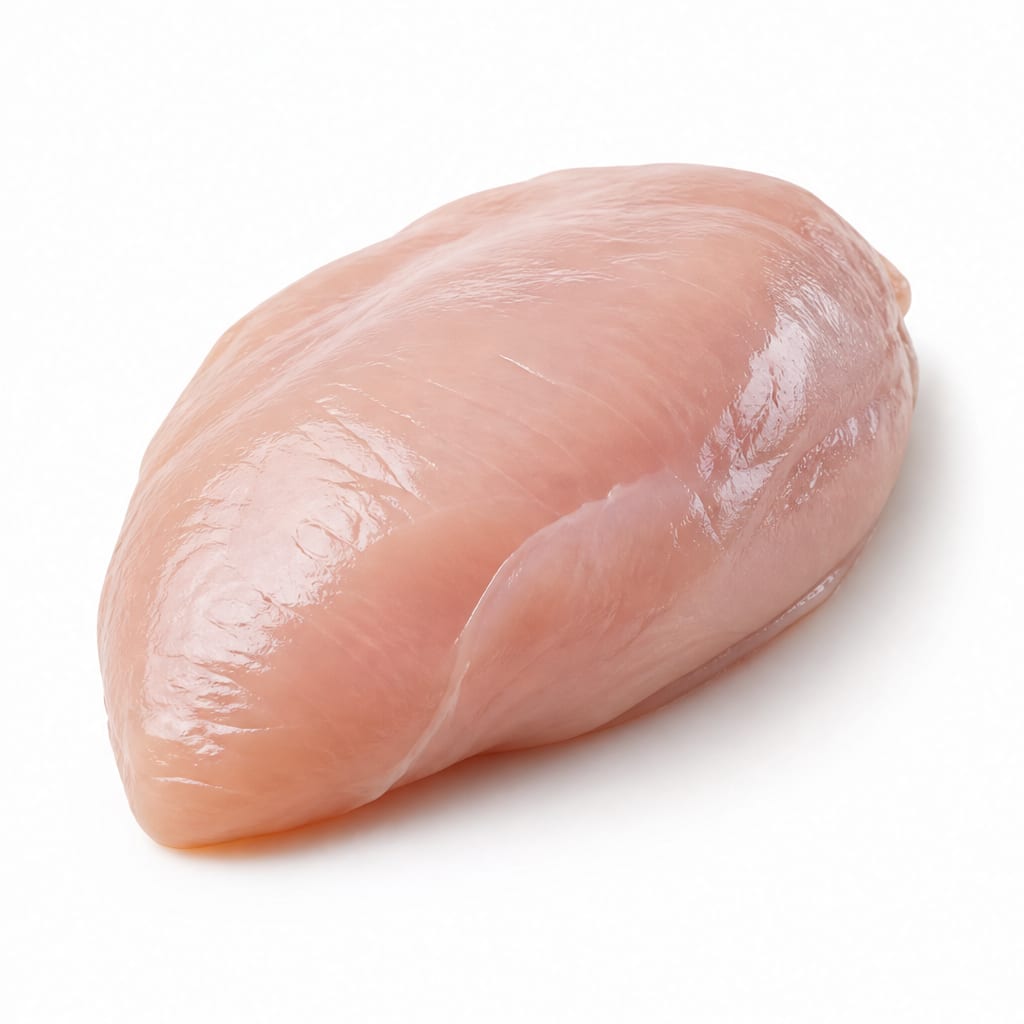
Chicken Breast
Chicken breast wins on practicality and everyday usability, while rabbit offers slightly fewer calories and a richer micronutrient profile for those willing to source it.
Chicken breast scores higher primarily due to accessibility, affordability, and safety for regular consumption. Rabbit is nutritionally competitive but its limited availability and fat-deficiency risk hold it back for everyday use.
Rabbit is marginally leaner and more nutrient-dense but hard to find and risky as a sole protein source; chicken breast is nearly as lean, far more accessible, and safer for daily use.
At a glance
Executive summary
Overall
It depends
Healthier
It depends
More practical
Chicken Breast
Daily use
Chicken Breast
Key comparison lenses
lean protein source selection
Both are among the leanest animal proteins available, so users are likely deciding which lean meat best fits their goals
weight loss diet optimization
Extremely low fat content in both makes them popular for calorie-restricted diets, but the differences matter for sustainability
practicality and accessibility
Rabbit is specialty meat with limited availability while chicken breast is universally accessible, a major real-world decision factor
dietary fat sufficiency concerns
Rabbit is so lean it can cause protein poisoning if eaten exclusively, a unique safety consideration not shared by chicken breast
environmental and sustainability tradeoffs
Rabbit farming has a smaller environmental footprint than poultry farming, which matters to eco-conscious consumers
Best choice for
Rabbit
- Adventurous eaters seeking variety in their protein sources
- Eco-conscious consumers prioritizing low-impact meat
- Those wanting the absolute lowest calorie animal protein
- People following nose-to-tail or locavore eating philosophies
Chicken Breast
- Meal preppers needing reliable, affordable weekly protein
- Athletes requiring consistent, easily tracked macros
- Families wanting a familiar lean protein everyone will eat
- Anyone shopping at a standard grocery store
Least suitable for
Rabbit
- People who need convenient, everyday protein without specialty shopping
- Anyone eating a very lean diet already and at risk of fat deficiency
- Households with children unfamiliar with game meats
- Budget-conscious shoppers
Chicken Breast
- Those bored with bland lean proteins and seeking richer flavor
- People avoiding conventionally farmed poultry due to antibiotic concerns
- Consumers prioritizing the smallest possible environmental footprint
Deep comparison
Dimension by dimension
Each lens scores both foods and breaks down who each option suits.
- Dimension 1 · Priority 95Chicken Breast
Protein Quality and Density
Rabbit · 82Chicken Breast · 88Both deliver excellent complete protein, but chicken breast provides slightly more protein per serving with better amino acid availability.
Tradeoff
Rabbit offers strong protein content but slightly less per ounce compared to chicken breast, with marginally lower digestibility.
Why it matters
For muscle maintenance and satiety, higher protein density per bite means you get more benefit from each meal.
Real-world impact
A 4-ounce chicken breast delivers about 35g protein versus roughly 28g in the same amount of rabbit, a meaningful difference for athletes tracking macros.
Rabbit
- Those who prefer slightly less protein per meal for easier digestion
Better for
- Bodybuilders needing high protein intake from fewer servings
Worse for
Chicken Breast
- Athletes and lifters maximizing protein per serving
- Anyone tracking macros precisely
Better for
- People who find very high protein portions too filling
Worse for
- Dimension 2 · Priority 90Chicken Breast
Fat Content and Dietary Balance
Rabbit · 60Chicken Breast · 75Rabbit is extremely lean, which sounds ideal but can actually be dangerous if it is your only protein source. Chicken breast has slightly more fat, making it safer for sustained use.
Tradeoff
Rabbit's near-zero fat content risks protein poisoning if eaten exclusively, while chicken breast retains just enough fat to avoid this problem while still being very lean.
Why it matters
Your body needs some dietary fat for hormone production, vitamin absorption, and satiety. Too-lean diets cause real problems over time.
Real-world impact
Historical accounts of 'rabbit starvation' show that eating only lean game meat without added fats leads to fatigue, diarrhea, and eventually death — chicken breast avoids this extreme but still fits low-fat diets.
Rabbit
- Short-term cutting phases where minimal fat intake is the goal
- Meals where you add healthy fats from other sources like olive oil or avocado
Better for
- People eating a very restricted diet with few fat sources
- Long-term mono-protein diets
Worse for
Chicken Breast
- Sustained lean diets where the protein source is the primary food
- Anyone not actively adding fats to their meals
Better for
- Those strictly minimizing even trace fat intake
Worse for
- Dimension 3 · Priority 80Rabbit
Micronutrient Density
Rabbit · 86Chicken Breast · 74Rabbit provides more B12, selenium, and niacin per calorie than chicken breast, making it slightly more nutrient-rich bite for bite.
Tradeoff
The micronutrient edge is real but modest, and chicken breast still delivers solid B-vitamin content — just not quite as impressively.
Why it matters
When eating in a calorie deficit, every micronutrient advantage helps prevent deficiencies and maintain energy levels.
Real-world impact
A serving of rabbit covers more of your daily B12 needs than the same serving of chicken breast, which matters most if you eat limited animal products overall.
Rabbit
- Nutrient-maximizers eating in a calorie deficit
- People with limited animal protein variety in their diet
Better for
- Anyone who cannot regularly source rabbit loses this advantage entirely
Worse for
Chicken Breast
- Those already eating a varied diet with multiple protein sources
Better for
- People relying on a single lean protein for most of their B-vitamins
Worse for
- Dimension 4 · Priority 92Chicken Breast
Accessibility and Practicality
Rabbit · 25Chicken Breast · 95Chicken breast is available at every grocery store in the country at low prices. Rabbit requires specialty butchers, online ordering, or personal hunting.
Tradeoff
You pay a convenience and price premium for rabbit that most people cannot justify for a marginal nutritional difference.
Why it matters
The healthiest food is the one you can actually buy, cook, and eat consistently. Accessibility drives adherence.
Real-world impact
Chicken breast costs roughly $3-5 per pound at any supermarket. Rabbit often runs $8-15 per pound from specialty sources, if available at all.
Rabbit
- Rural dwellers who hunt or have local game processors
- Culinary enthusiasts who enjoy sourcing unique ingredients
Better for
- Urban residents without specialty butcher access
- Anyone meal planning on a tight schedule
Worse for
Chicken Breast
- Busy families needing protein they can grab any day of the week
- Meal preppers buying in bulk
- Budget-conscious shoppers
Better for
- Those specifically seeking rare or heritage proteins
Worse for
- Dimension 5 · Priority 72Rabbit
Environmental Sustainability
Rabbit · 88Chicken Breast · 62Rabbit farming produces fewer greenhouse gas emissions, uses less water, and requires less feed per pound of meat than poultry farming.
Tradeoff
The environmental edge is clear for rabbit, but the scale of availability means most consumers will still end up choosing chicken for practical reasons.
Why it matters
For eco-conscious eaters, the environmental footprint of protein choices adds up significantly over years of consumption.
Real-world impact
Rabbit can produce a pound of meat with roughly a quarter of the feed required for a pound of chicken, making it one of the most resource-efficient animal proteins available.
Rabbit
- Environmentally motivated eaters
- Homesteaders and backyard livestock keepers
Better for
- Anyone who must have rabbit shipped long distances, which negates some environmental benefit
Worse for
Chicken Breast
- Those without access to rabbit who still need affordable lean protein
Better for
- Sustainability-focused consumers avoiding conventionally farmed poultry
Worse for
- Dimension 6 · Priority 68It depends
Flavor and Culinary Versatility
Rabbit · 65Chicken Breast · 78Chicken breast is a blank canvas that absorbs any flavor profile. Rabbit has a distinct, slightly gamey taste that some love and others find off-putting.
Tradeoff
Rabbit offers a unique eating experience but limits recipe compatibility. Chicken breast works in virtually any cuisine or preparation.
Why it matters
Flavor fatigue is a real reason people abandon lean protein diets. Versatility keeps meals interesting long-term.
Real-world impact
Chicken breast can be grilled, baked, stir-fried, shredded, or ground with equal ease. Rabbit is best braised or stewed and can dry out quickly if overcooked.
Rabbit
- Adventurous cooks wanting a richer, more distinctive flavor
- Fans of traditional European stew and braised dishes
Better for
- Anyone unfamiliar with cooking game meats
- Households where unfamiliar flavors cause meal rejection
Worse for
Chicken Breast
- Meal preppers needing a neutral base for varied weekly recipes
- Families with picky eaters
Better for
- People tired of bland protein who crave more character in their meals
Worse for
Timeline
Health impact over time
Short-term
Hours to days
Rabbit
- Very low fat intake may leave you feeling unsatisfied after meals unless you add fats
- High protein content supports satiety and stable blood sugar
- Unfamiliar protein source may cause mild digestive adjustment initially
Chicken Breast
- Lean protein provides steady energy without heaviness
- Easy to digest and well-tolerated by most people
- Slightly more fat than rabbit helps with meal satisfaction without excess calories
Long-term
Months to years
Rabbit
- If eaten as a sole protein without added dietary fat, risk of protein poisoning and fat-soluble vitamin deficiency
- Excellent for maintaining lean body mass with minimal caloric cost when part of a balanced diet
- Lower environmental impact contributes to long-term sustainability of food systems
Chicken Breast
- Consistent lean protein intake supports muscle retention and healthy body composition long-term
- Conventionally farmed chicken may carry antibiotic residue concerns with frequent consumption
- Well-established safety profile from decades of widespread consumption data
Risk profile
Safety & processing
Both rabbit and chicken breast are whole, minimally processed animal proteins. Rabbit is typically sold without any additives due to its specialty market positioning. Chicken breast may occasionally contain added sodium solutions in conventional grocery packaging, so check labels for enhanced or plumped products.
Rabbit
Protein poisoning from exclusive consumption
highRabbit meat is so lean that eating it as your only protein without added fats can cause 'rabbit starvation' — diarrhea, fatigue, and potentially death within weeks.
Parasites in wild-caught rabbit
mediumWild rabbit can carry tularemia and trichinella. Proper cooking to 160°F eliminates this risk, but hunters must be vigilant about handling and preparation.
Limited food safety oversight
lowSmall-scale rabbit processing may have less regulatory oversight than commercial poultry, increasing importance of sourcing from reputable suppliers.
Chicken Breast
Salmonella contamination
mediumRaw chicken is a well-known salmonella vector. Safe handling and cooking to 165°F effectively eliminates risk, but cross-contamination in kitchens remains common.
Antibiotic residues in conventional farming
mediumConventionally raised chicken may contain antibiotic residues. Choosing organic or antibiotic-free chicken reduces this concern significantly.
Added sodium in enhanced products
lowSome grocery store chicken breast is injected with sodium solution. This can add 200-400mg sodium per serving, which is problematic for sodium-sensitive individuals.
Who wins for whom
Audience fit
Same foods, different winners depending on your goal.
children
Chicken BreastChicken breast is familiar, mild-flavored, and easy for kids to eat. Rabbit's gamey taste and tough texture if overcooked make it a hard sell for most children.
daily consumption
Chicken BreastChicken breast is affordable, accessible, and has a proven track record for daily consumption. Rabbit's fat-deficiency risk and limited availability make it unsuitable as a daily staple protein.
diabetes
Chicken BreastBoth are excellent low-carb, blood-sugar-friendly proteins, but chicken breast's consistent availability makes it easier to maintain the regular lean protein intake that supports glycemic control.
elderly
Chicken BreastOlder adults need reliable, easy-to-chew protein sources. Chicken breast is consistently tender when cooked properly and widely available, while rabbit can be tough and harder to source.
muscle gain
Chicken BreastChicken breast provides more protein per ounce and is far easier to consume in the quantities needed for muscle building, making it the practical choice for athletes.
weight loss
RabbitRabbit has fewer calories per serving than chicken breast while providing strong satiety, giving it a slight edge for aggressive calorie restriction — as long as you add healthy fats elsewhere.
Your move
Decision guide
Choose Rabbit
- You have reliable access to quality rabbit and enjoy cooking specialty meats
- You want the absolute lowest-calorie animal protein for a cutting phase
- Environmental sustainability is a top priority in your food choices
- You eat a varied diet with plenty of added healthy fats from other sources
Choose Chicken Breast
- You need a dependable lean protein you can buy anywhere, anytime
- You are meal prepping on a budget and want maximum protein per dollar
- You have children or family members who prefer familiar flavors
- You want a safe daily driver protein without special sourcing or preparation concerns
Either works if
- You simply want a lean, whole-food protein and both are available
- You rotate proteins regularly and neither would be your sole source
- You are eating a well-balanced diet with adequate fat from other foods
Avoid both if
- You follow a plant-based diet
- You have gout and need to limit purine-rich meats
- You require higher-fat protein sources due to very low overall caloric intake
Final recommendation
For most people, chicken breast is the smarter everyday choice — it is affordable, accessible, and nearly as lean as rabbit without the fat-deficiency risk. Choose rabbit when you want culinary variety and can source it reliably, but never rely on it as your only protein. The best approach is using chicken breast as your staple and enjoying rabbit occasionally as a nutrient-dense change of pace.
Practical
Consumer tips
- 1
If buying chicken breast, check labels for 'enhanced with up to 15% chicken broth' — this adds sodium you may not want.
- 2
Organic or antibiotic-free chicken breast reduces exposure to farming residues and is worth the premium if you eat chicken daily.
- 3
When cooking rabbit, braise or stew it rather than grilling — the extremely low fat content makes it dry out fast with dry-heat methods.
- 4
Always add a healthy fat source when eating rabbit — olive oil, avocado, or nuts alongside your meal prevents the fat-deficiency risk entirely.
- 5
If you hunt your own rabbit, freeze the meat for at least 30 days before cooking to kill potential trichinella parasites, and always cook to 160°F.
- 6
For the best value chicken breast, buy family packs or bulk frozen bags — the per-pound price drops significantly compared to single fresh packs.