
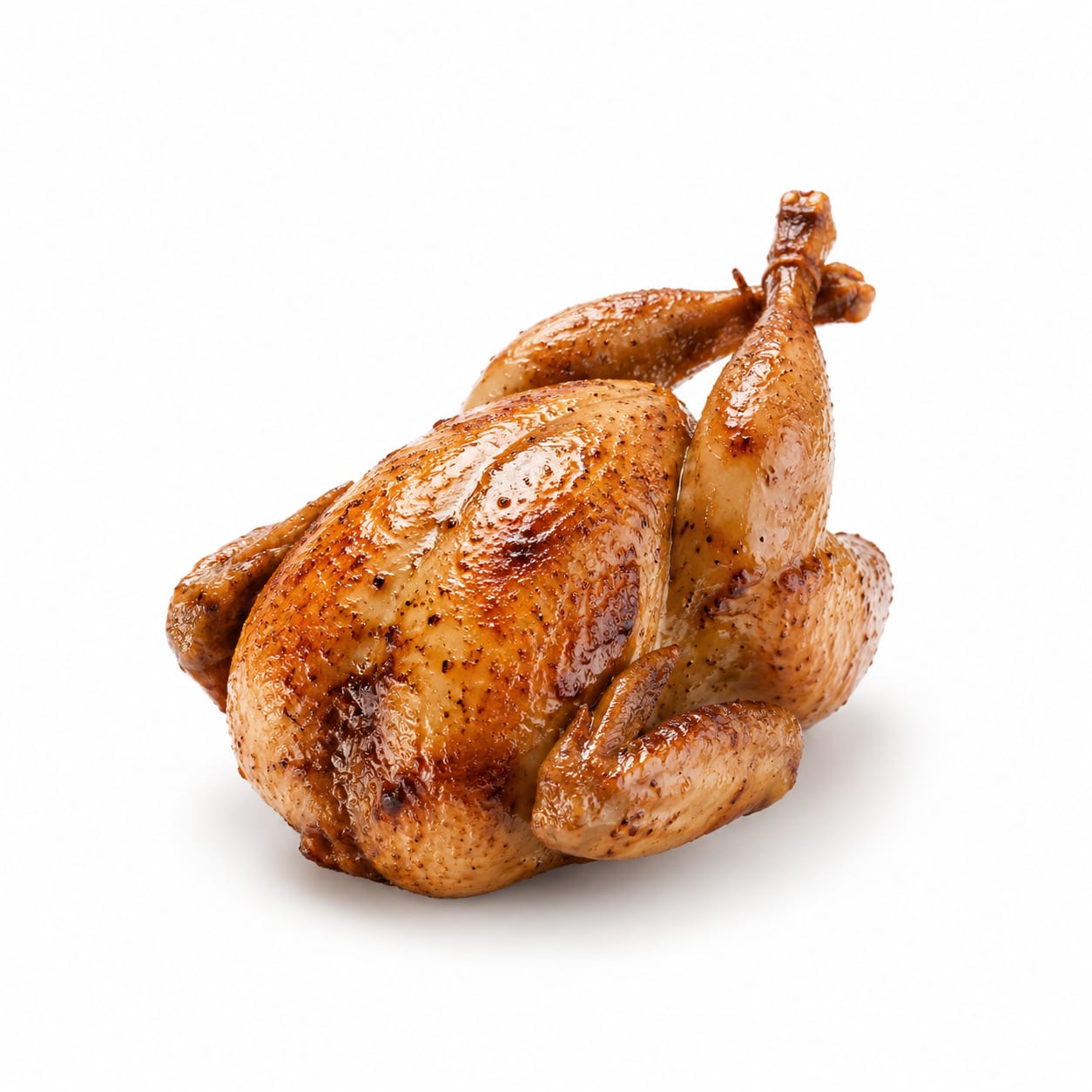
Poultry and Game Meat
Quail
A small, lean game bird providing high-quality, zero-carb protein and dense micronutrition.
Quail is a small game bird consumed globally, prized for its tender, lean dark meat and distinct, slightly gamey flavor. It is typically eaten whole due to its small size and provides a dense source of high-quality protein and essential micronutrients.
protein-dense lean game meat
Typical serving · 120g
Common varieties · Coturnix, Bobwhite, California, Gambel's, Montezuma
Overall context score across nutrition, safety, and diet fit
At a glance
Quick facts
Simple indicators based on nutrition, processing, and diet fit.
The story
What makes it unique
Quail meat is a fast-digesting, high-biological-value protein source with a complete amino acid profile. It contains zero carbohydrates, resulting in no glycemic response. The meat is predominantly lean muscle tissue with minimal intramuscular fat, promoting high satiety per calorie. As a minimally processed whole food, it retains its native micronutrient matrix, including B vitamins and heme iron.
Varieties: Coturnix · Bobwhite · California · Gambel's · Montezuma
Per 100g
Nutrition breakdown
Macro balance and key metrics at a glance.
Energy
Density 1.34 kcal/g
Protein
Carbs
Fat
Fiber
Sugar
0 g
Sodium
52 mg
Potassium
247 mg
Glycemic index
0
Glycemic load
0
Water content
72%
Standout compounds
Nutrient highlights
Protein
highsupports muscle growth and structural repair
Vitamin B3 (Niacin)
highdrives cellular energy metabolism and DNA repair
Vitamin B6
moderatefacilitates amino acid metabolism and neurotransmitter synthesis
Iron
moderateenhances oxygen transport in the blood
Phosphorus
moderatemaintains bone density and cellular membrane integrity
Wellness map
Health scores & processing
NOVA processing scale
unprocessed · Whole food
Fresh or frozen quail is a whole, unprocessed animal food requiring no industrial alteration before cooking.
Diet compatibility
- Weight loss
- Muscle gain
- Diabetes
- Gut health
- Low carb
- High protein
- Heart health
Relative standing
Food rankings
Qualitative ranks compared to similar whole foods.
- Satietyexcellent
- Blood sugarexcellent
- Nutrient densitygood
- Fitness fuelexcellent
- Processing qualityexcellent
Eat with confidence
Food safety profile
Like all poultry, raw quail carries a moderate risk of bacterial contamination like Salmonella. It must be cooked to an internal temperature of 165°F (74°C) to ensure safety.
Evidence confidence 85%
- Pesticideslow
- Antibioticsmoderate
- Heavy metalslow
- Contaminationmoderate
Watch for
- Salmonella
- Campylobacter
Safer choices
Farm-raised quail from reputable sources with verified antibiotic-free protocols reduce antibiotic exposure risk.
Prep tips
Do not wash raw quail under running water to avoid splashing and cross-contamination. Use separate cutting boards and utensils for raw poultry.
Farm-raised quail may receive antibiotics, though less frequently than industrial chicken. Wild quail are exempt from antibiotic oversight but carry standard wild game handling requirements.
Deep dive
Health analysis
How this food may fit different goals and preparation choices.
Weight loss
High protein and low energy density drive strong satiety, reducing overall calorie intake by keeping hunger at bay for extended periods.
Blood sugar
Zero carbohydrates eliminate direct glycemic impact, making it ideal for stabilizing postprandial blood glucose levels.
Fitness & energy
Rapidly digesting complete protein supplies essential amino acids for muscle protein synthesis and post-exercise recovery.
Gut health
Easily digestible protein places minimal burden on the gastrointestinal tract, though it lacks dietary fiber required for optimal microbiome fermentation.
Processing quality
Whole food with no additives, preservatives, or refined ingredients, representing the highest tier of food processing quality.
Food safety
Standard poultry handling mitigates most risks. Thorough cooking eliminates common bacterial pathogens associated with raw bird meat.
Common mistakes
Overcooking the lean breast meat, resulting in dry, tough texture, and failing to properly spatchcock or score the small carcass for even cooking.
Best preparation
Roasting, grilling, or pan-searing whole birds, and braising older birds to tenderize the dark meat while preserving moisture.
Practical guide
Best use cases
When and how this food fits real eating patterns.
high-protein low-carb dinner
Provides a complete amino acid profile with zero carbohydrates for ketogenic or low-carb diets.
gourmet weight loss meal
Delivers strong portion control and high satiety in a small, low-calorie package.
iron-deficiency diet inclusion
Supplies highly bioavailable heme iron to support red blood cell production and oxygen transport.
post-workout muscle recovery
Fast-digesting protein stimulates muscle protein synthesis after resistance training.
Balance sheet
Pros & cons
Upsides
- Zero carbohydrate content eliminates glycemic impact
- High protein density maximizes satiety per calorie
- Rich in highly bioavailable heme iron
- Excellent source of B vitamins for energy metabolism
- Unprocessed whole food with no additives
- Small portion size naturally supports portion control
Trade-offs
- Small size makes meat yield low relative to carcass weight
- More expensive per pound than standard commercial poultry
- Lacks dietary fiber necessary for gut microbiome health
- Contains dietary cholesterol which may concern some individuals
- Can easily dry out if overcooked due to low fat content
Fit check
Who is it for?
Great match
- low-carb and ketogenic diets
- weight loss through high-satiety eating
- athletes needing lean post-workout protein
- individuals seeking iron-rich foods
- gourmet and whole-food cooking
Consider alternatives
- strict low-fat diets
- those seeking high-fiber meals
- budget-conscious bulk meal prep
- people averse to handling small bones
Side by side
How it compares
Open the full head-to-head analysis for nutrition, safety, and practical tradeoffs.
This food
Quail
VS92% alike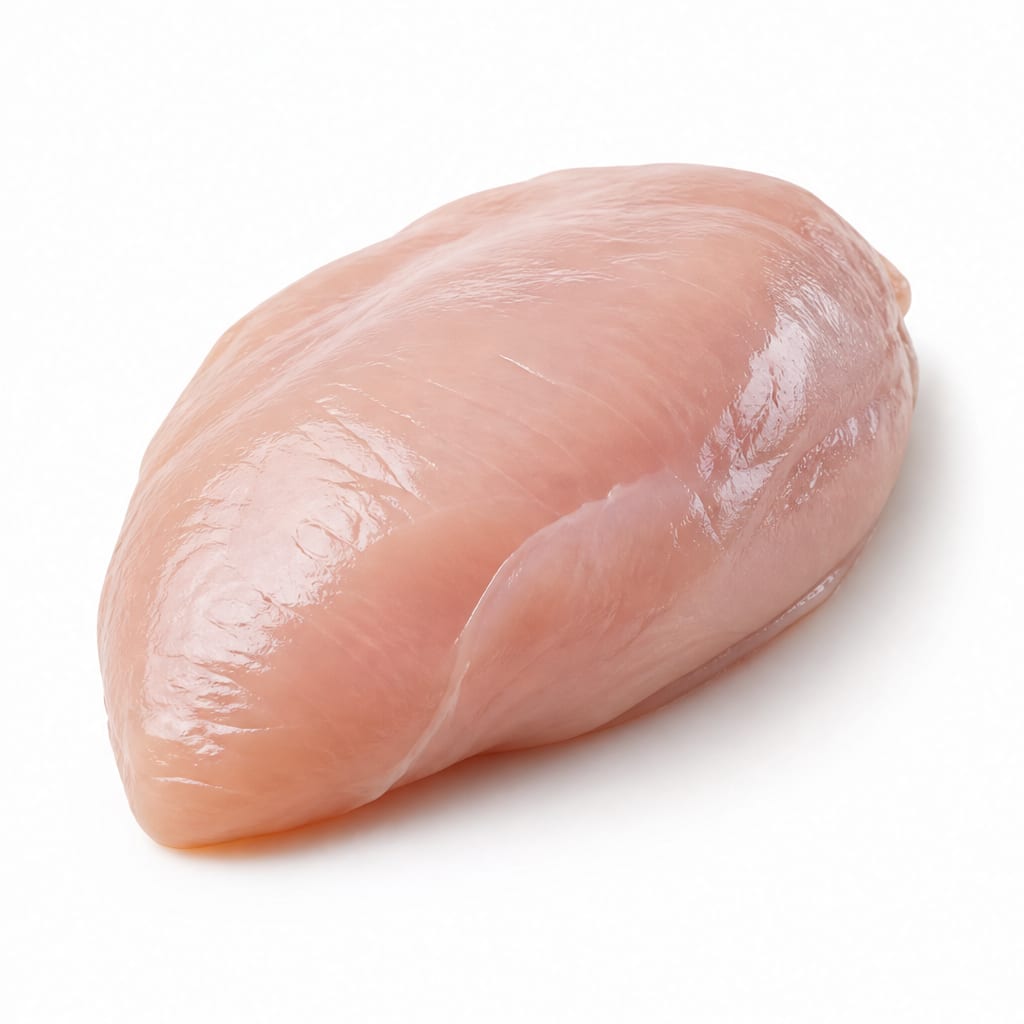
Compare with
Chicken Breast
Chicken breast is leaner and higher in protein by weight, but quail offers more iron and a richer flavor profile.
Chicken breast is leaner and higher in protein, while quail provides more iron and a gamier flavor for gourmet dishes.
This food
Quail
VS80% alike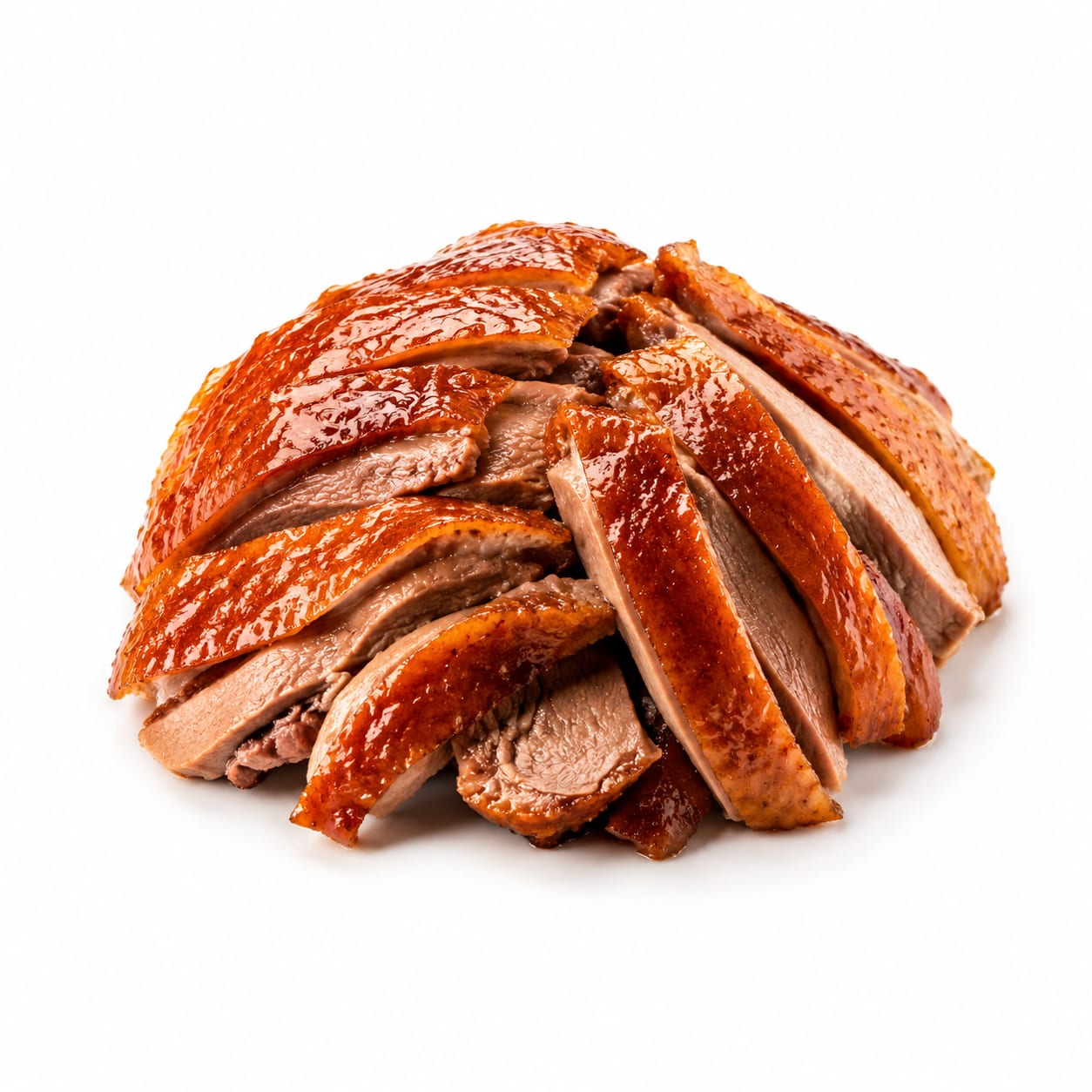
Compare with
Duck
Duck is significantly higher in fat and calories, making quail the better choice for lean protein and weight loss.
Quail is a much leaner protein source than duck, which is high in fat and calories, making quail better for weight loss.
This food
Quail
VS88% alike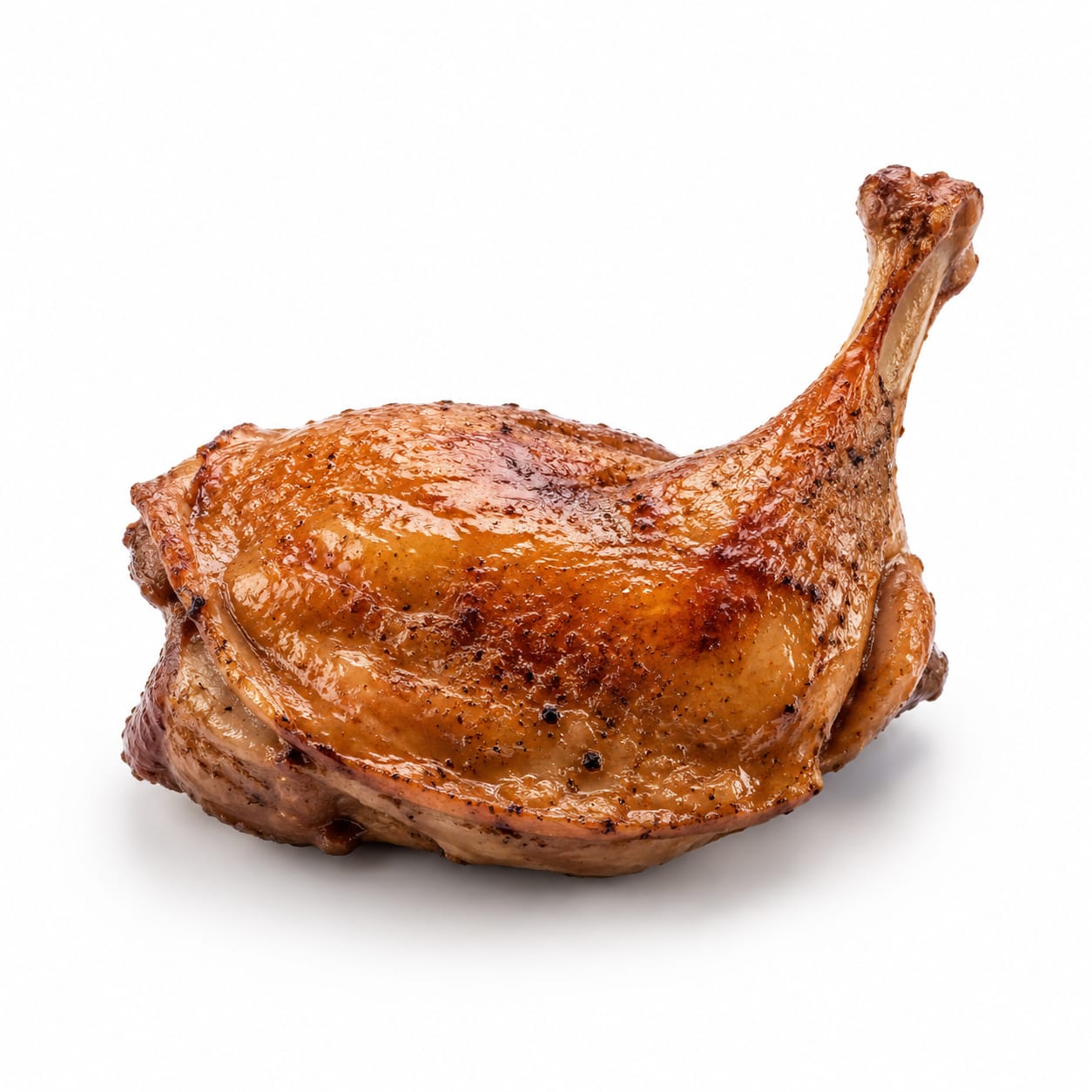
Compare with
Pheasant
Both are lean game birds, but pheasant is larger and slightly lower in fat, while quail offers denser micronutrition per ounce.
Pheasant is slightly leaner and larger than quail, but both provide excellent zero-carb, high-protein game meat nutrition.
This food
Quail
VS85% alike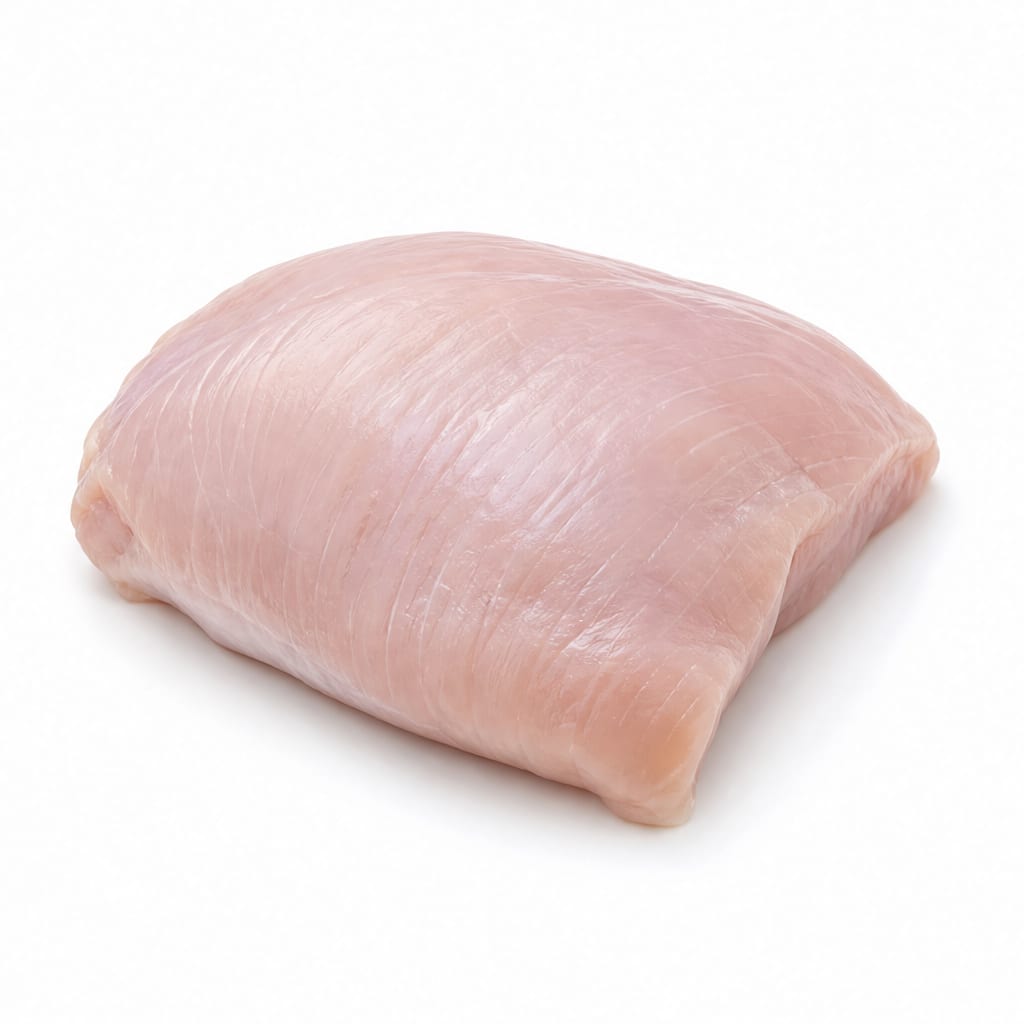
Compare with
Turkey Breast
Turkey breast is leaner and higher in protein, but quail delivers a stronger micronutrient punch in terms of iron and B vitamins.
Turkey breast provides more protein with less fat, whereas quail offers richer iron content and a more distinct flavor.
This food
Quail
VS90% alike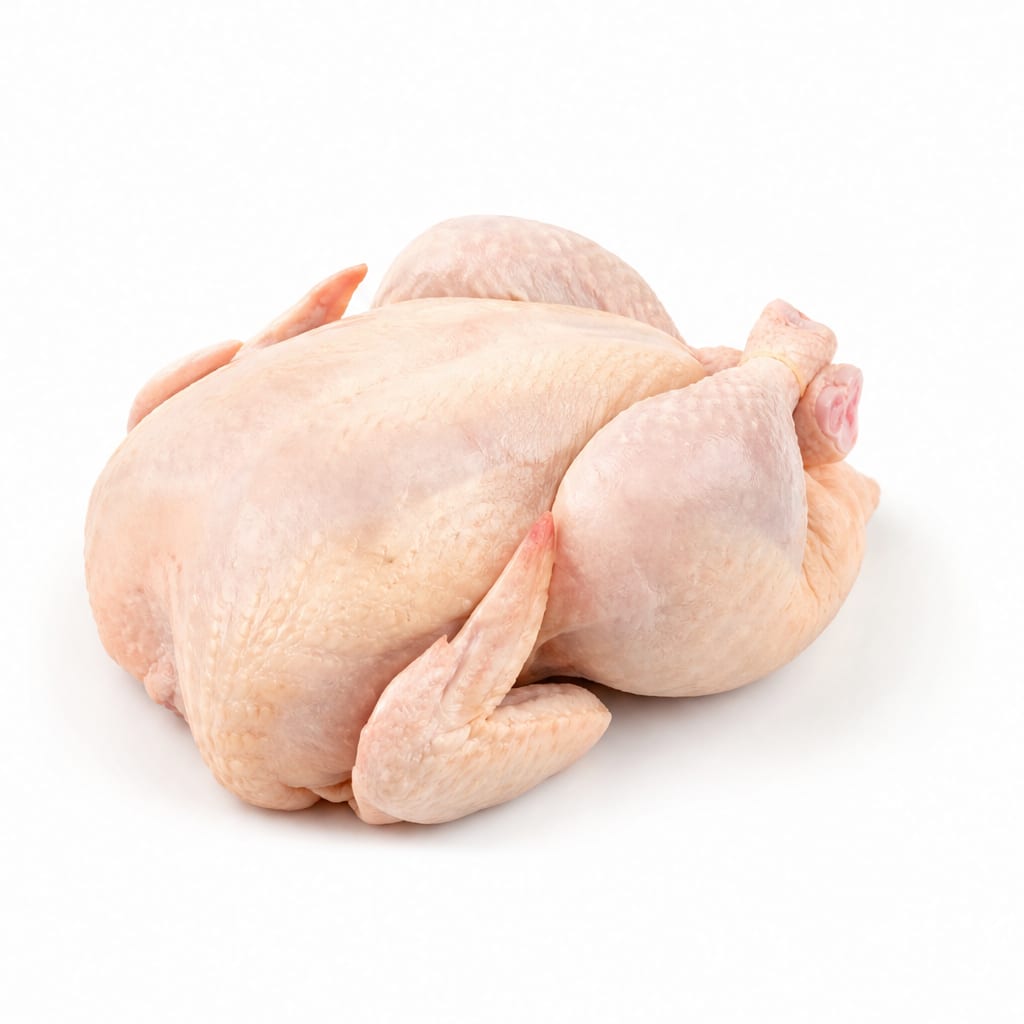
Compare with
Cornish Hen
Cornish hen is slightly higher in fat and calories than quail, but offers more meat per bird.
Quail is leaner and lower in calories than Cornish hen, making it the better option for strict calorie control.
This food
Quail
VS75% alike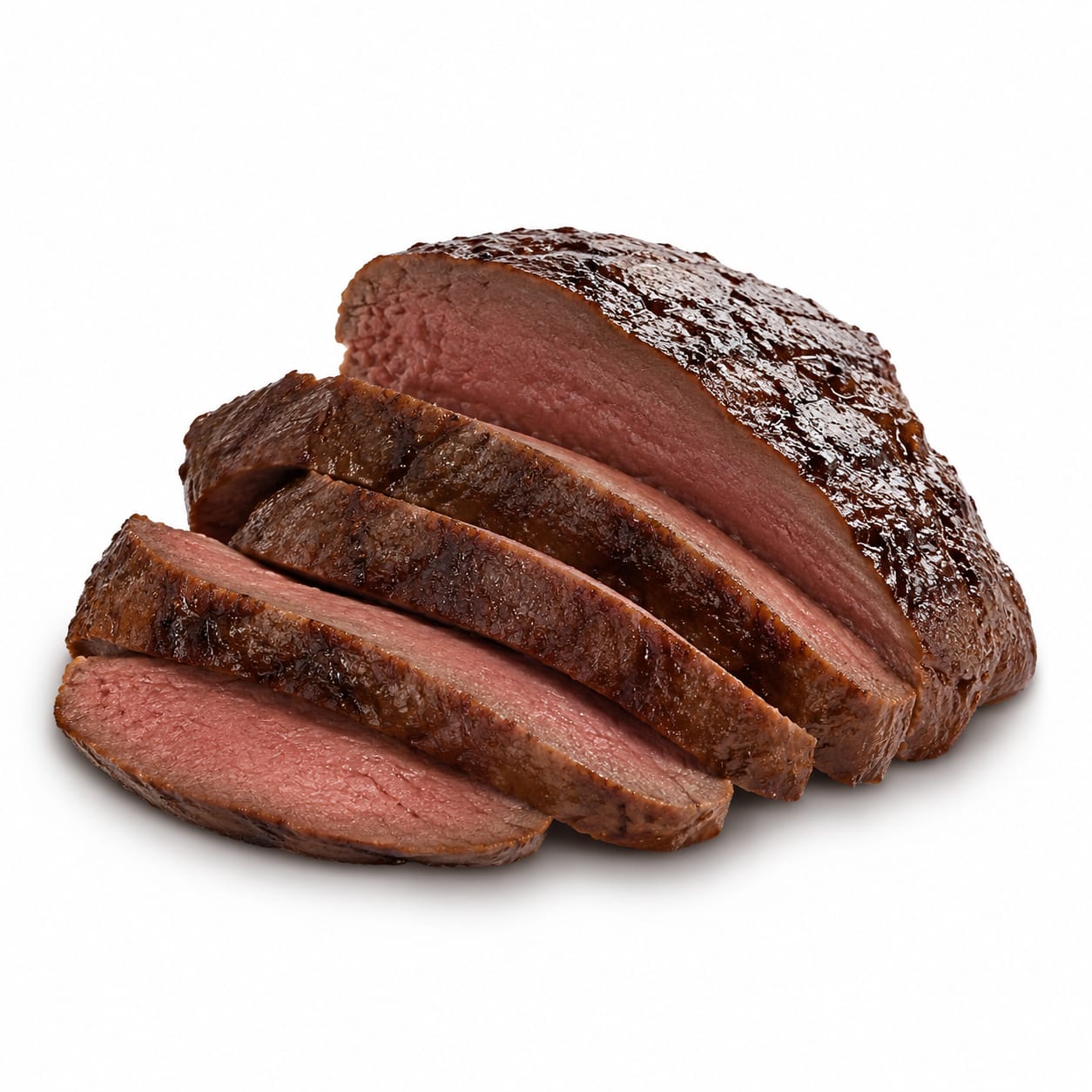
Compare with
Venison
Venison is lower in fat and higher in protein than quail, but both are excellent zero-carb, iron-rich game meats.
Venison is leaner and higher in protein than quail, but both are top-tier game meats for iron and zero-carb nutrition.
This food
Quail
VS78% alike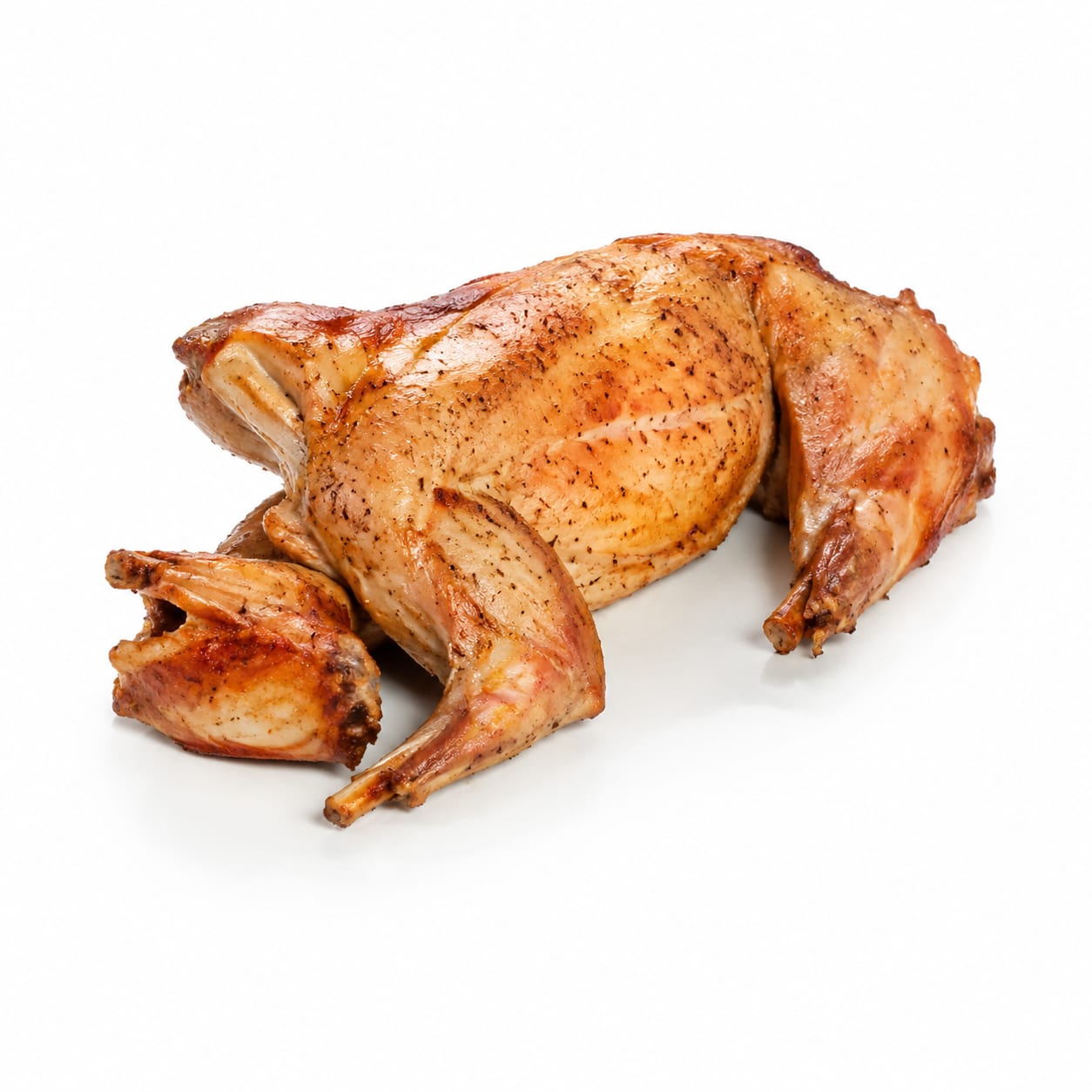
Compare with
Rabbit
Rabbit is exceptionally lean, even slightly lower in fat than quail, making it a strong competitor for lean protein.
Rabbit is slightly leaner than quail, but both provide high-quality, low-calorie protein with zero carbohydrates.
This food
Quail
VS70% alike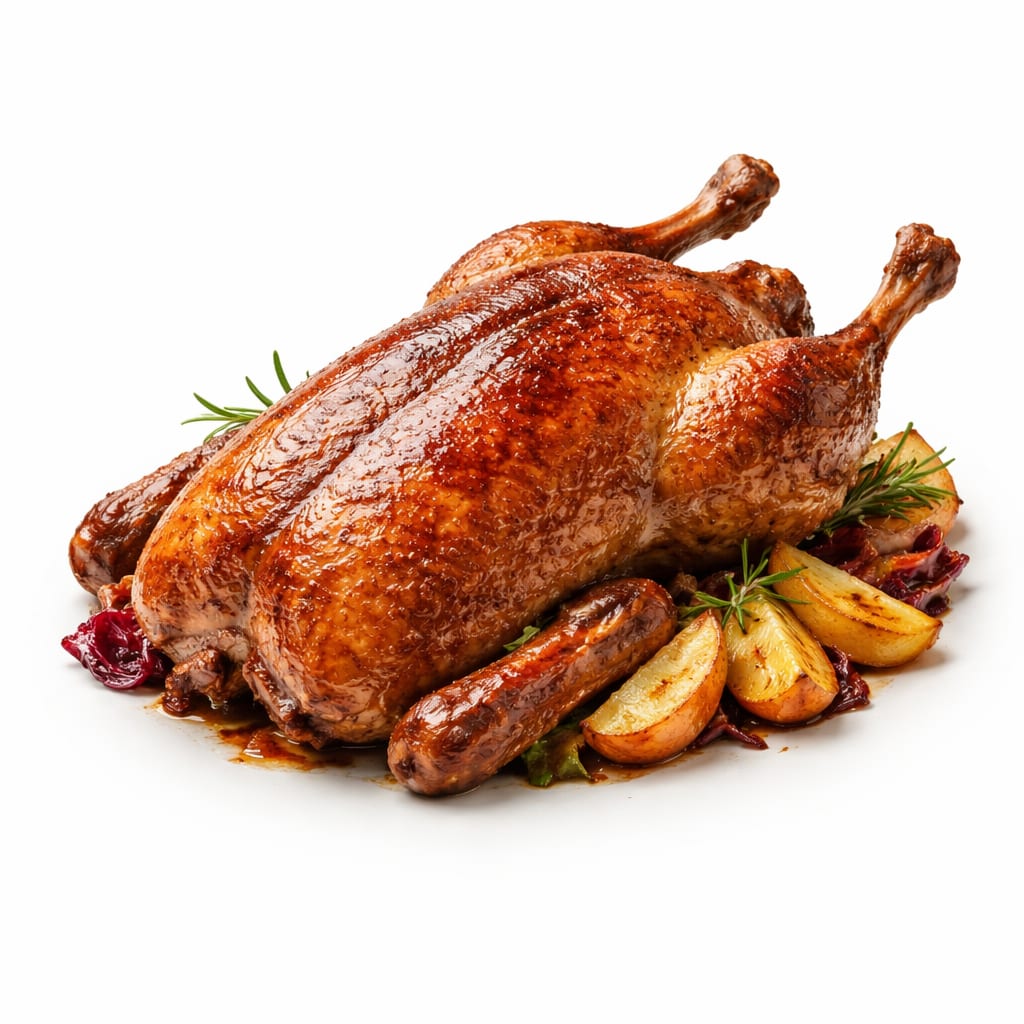
Compare with
Goose
Goose is a very high-fat bird, whereas quail is lean, making quail far superior for weight loss and macronutrient control.
Quail is a lean protein ideal for weight loss, while goose is a high-fat bird better suited for keto or high-fat diets.
This food
Quail
VS89% alike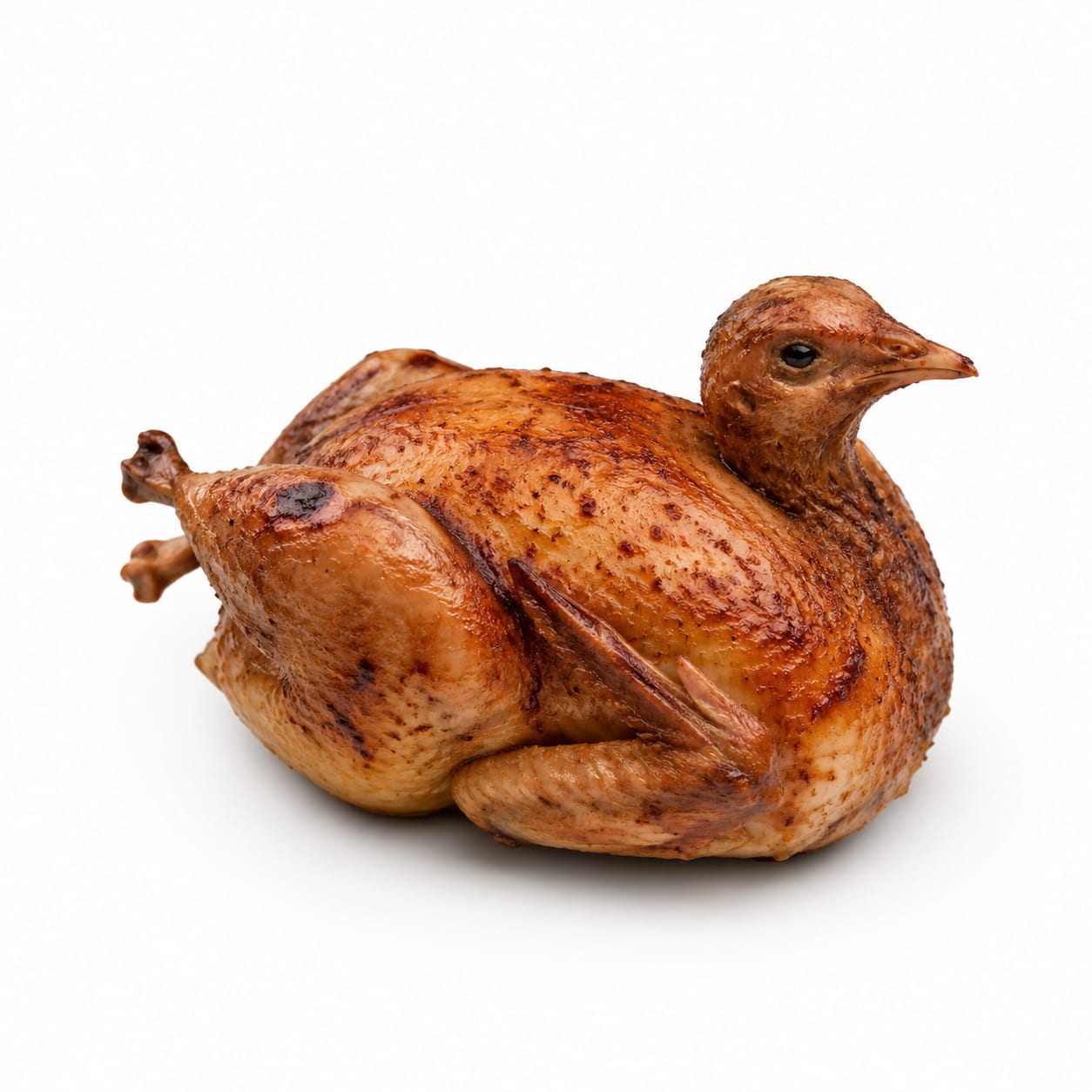
Compare with
Partridge
Partridge and quail have nearly identical macronutrient profiles, both offering lean, zero-carb protein with high B vitamins.
Partridge and quail are nutritionally almost identical, both providing lean, high-protein game meat with zero carbs.
This food
Quail
VS82% alike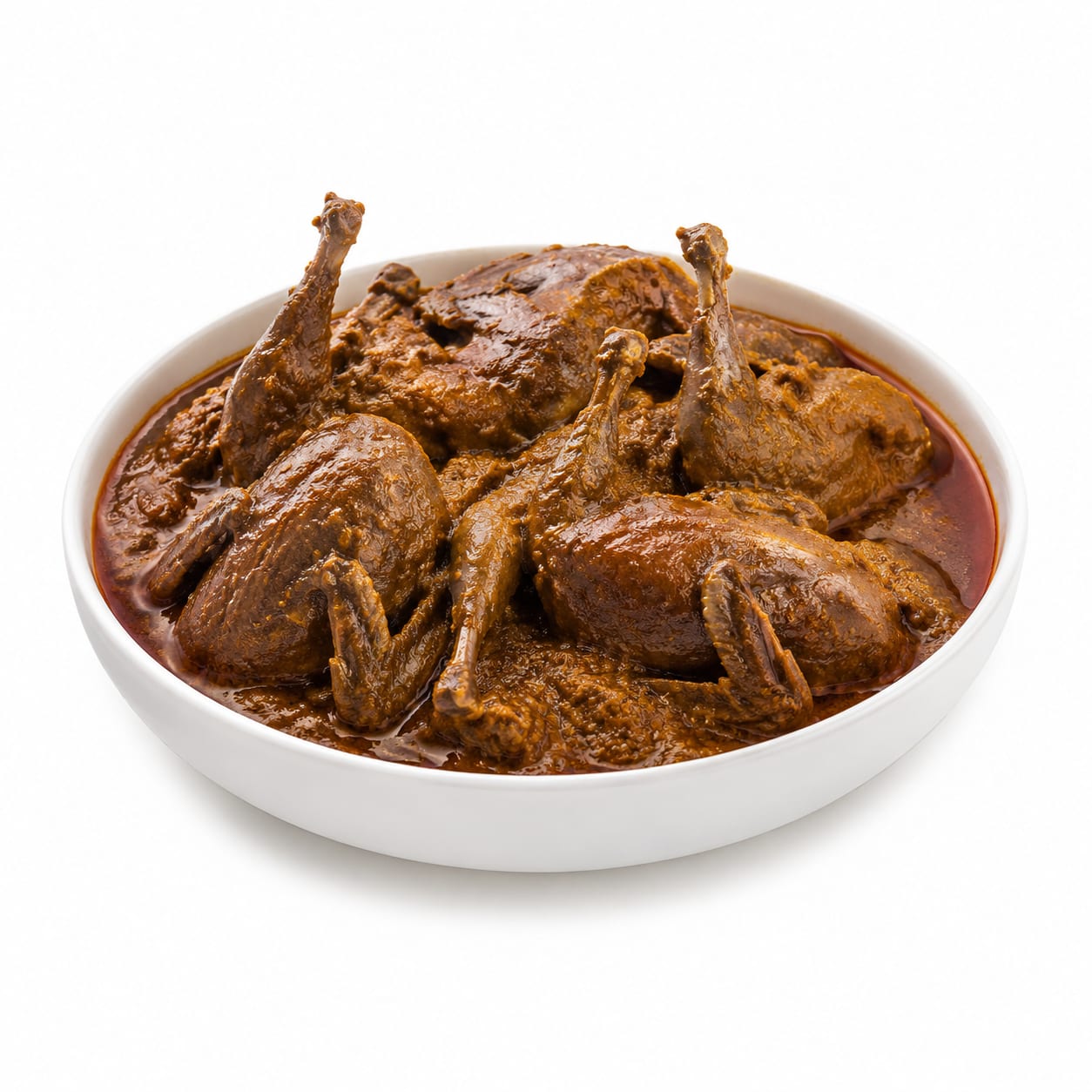
Compare with
Pigeon
Pigeon has slightly more iron due to darker meat, but quail is leaner and more widely accessible for commercial purchase.
Quail is leaner than pigeon, though both offer rich dark meat flavor and excellent zero-carb protein for gourmet meals.
Common questions
FAQ
Answers aligned with how people search for this food.
Is quail healthier than chicken?
Quail is nutritionally comparable to chicken but offers more iron and vitamin B12 per serving. It is slightly higher in fat than chicken breast but provides a similar high-protein, zero-carb profile.
Can diabetics eat quail?
Yes, quail contains zero carbohydrates and will not spike blood sugar. Its high protein content also helps stabilize glucose levels and improves satiety.
Is quail meat good for weight loss?
Quail is excellent for weight loss due to its high protein and low calorie content. Protein increases feelings of fullness, which helps reduce overall calorie consumption.
Does quail have high cholesterol?
Quail contains dietary cholesterol, similar to other poultry, but current research shows dietary cholesterol has minimal impact on blood cholesterol for most people compared to saturated fat.
What does quail taste like?
Quail tastes similar to chicken but with a slightly richer, gamier flavor. The dark meat is more pronounced, and the texture is tender when cooked properly.
How many calories are in a whole quail?
A single average whole quail weighs about 120 grams and contains approximately 160 to 170 calories, depending on the exact size and preparation method.
Is quail hard to digest?
No, quail is a lean meat that is generally easy to digest. It lacks fiber, so pairing it with vegetables can support overall digestion and gut motility.
Do you eat the bones of a quail?
The bones are not typically eaten due to choking hazards, but the small bones are often left in during cooking to retain moisture and flavor. Diners pick the meat off the carcass.
Transparency
Data confidence
Estimated confidence for nutrition data, interpretation, safety notes, and comparisons.
Nutrition data
Health analysis
Food safety
Comparisons