
Nutrition comparison
Quail vs Chicken Breast: Nutrition, Taste, and Which to Choose
Compare quail and chicken breast side by side — protein, calories, iron, cost, and practicality. Find out which poultry is better for weight loss, muscle gain, and daily meals.
Overall winner · Chicken Breast
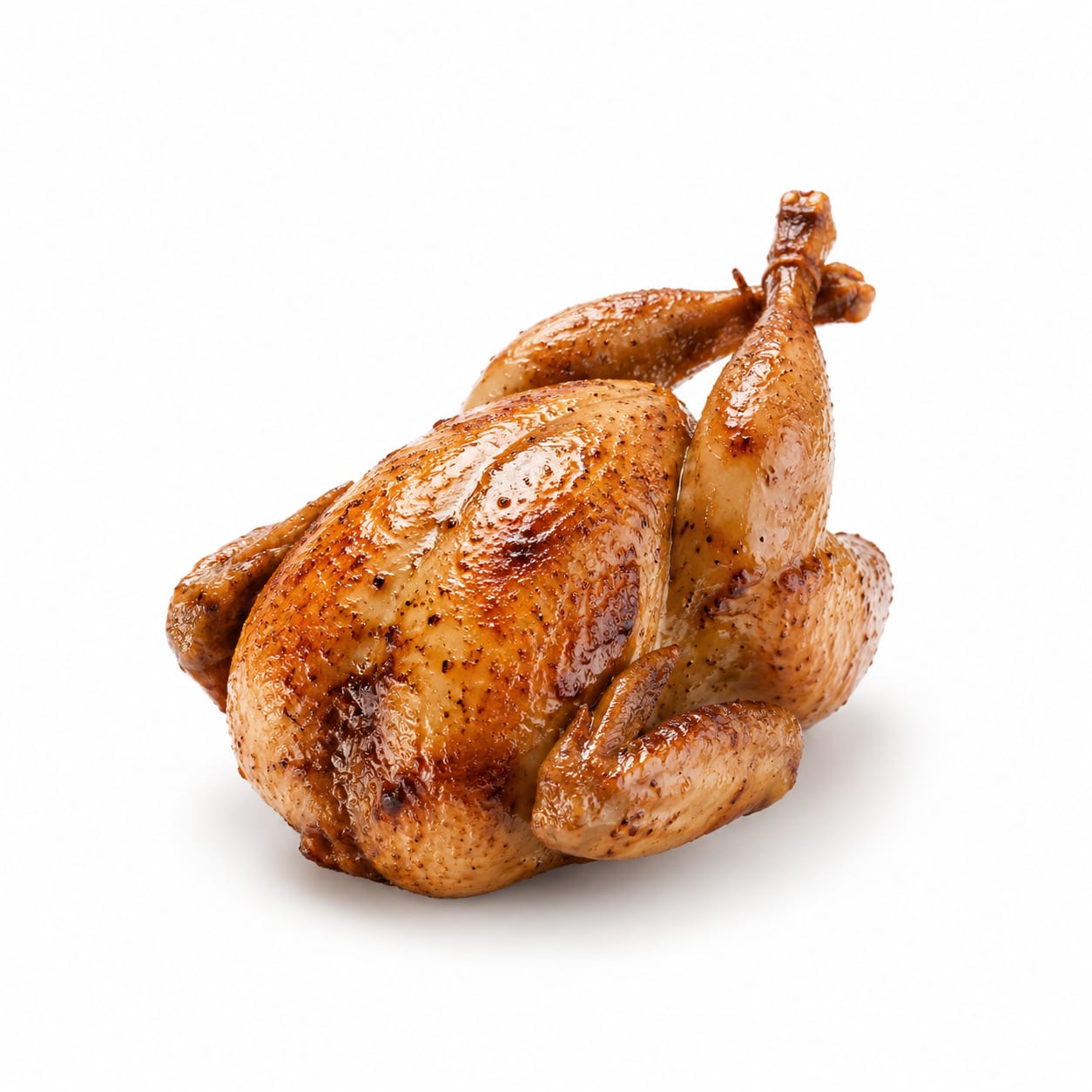
Quail
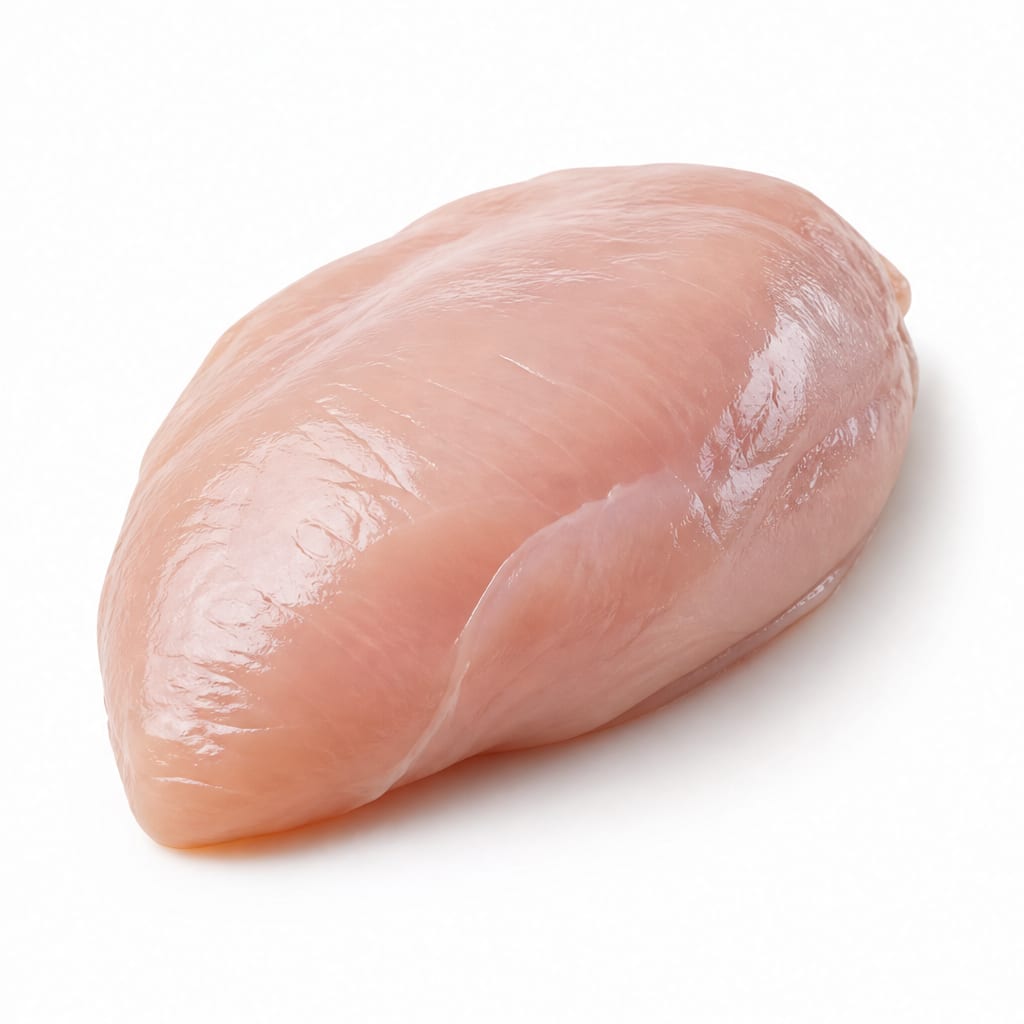
Chicken Breast
Chicken breast wins for daily lean protein needs, but quail delivers richer flavor and superior micronutrients when you want something special.
Chicken breast scores notably higher due to its unmatched protein-to-calorie ratio, widespread availability, and affordability. Quail earns solid marks for micronutrient density and culinary appeal but loses ground on practicality, cost, and everyday usability. The gap reflects real-world sustainability: most people can eat chicken breast five times a week; almost nobody does that with quail.
Calorie-efficient, widely available protein versus a more nutrient-dense, flavorful bird that costs significantly more and requires effort to source.
At a glance
Executive summary
Overall
Chicken Breast
Healthier
Chicken Breast
More practical
Chicken Breast
Daily use
Chicken Breast
Key comparison lenses
lean protein source selection
Both are animal proteins but with vastly different fat-to-protein ratios, making this the primary decision driver
everyday meal practicality
Chicken breast is a weekly staple for most households while quail is a specialty item with very different accessibility
micronutrient density comparison
Quail offers surprisingly different mineral and vitamin profiles compared to conventional poultry
dietary variety and culinary experience
Users choosing between these may be weighing nutrition against eating enjoyment and novelty
budget-conscious meal planning
Price difference is dramatic and affects long-term sustainability of either choice
Best choice for
Quail
- Culinary enthusiasts seeking richer flavor and dining variety
- People with iron deficiency needing a natural iron boost
- Those wanting to reduce poultry antibiotic exposure through game bird sourcing
- Anyone bored with standard chicken and needing a motivational reset
- Special occasion meals where experience matters as much as nutrition
Chicken Breast
- Athletes and bodybuilders tracking macros precisely
- Weight loss dieters needing maximum protein per calorie
- Meal preppers who cook in bulk for the week
- Budget-conscious families feeding multiple people
- Anyone needing reliable, consistent lean protein daily
Least suitable for
Quail
- Strict calorie counters who find the higher fat content problematic
- Large families on tight grocery budgets
- People who need quick weeknight meals with minimal prep
- Those uncomfortable cooking and eating small game birds with bones
- Anyone needing large portion sizes to feel satisfied
Chicken Breast
- Flavor-chasers who find plain chicken breast dry and uninspiring
- Those seeking dietary diversity to break monotony
- People wanting to maximize iron and B-vitamin intake from poultry
- Anyone concerned about conventional poultry farming practices
- Diners who find repetitive chicken meals mentally exhausting
Deep comparison
Dimension by dimension
Each lens scores both foods and breaks down who each option suits.
- Dimension 1 · Priority 95Chicken Breast
Protein Efficiency
Quail · 62Chicken Breast · 95Chicken breast delivers far more protein per calorie and per gram, making it the gold standard for lean protein goals.
Tradeoff
Quail provides adequate protein but comes with significantly more fat per serving, meaning more calories for the same protein hit.
Why it matters
If you are tracking macros or trying to hit protein targets without overshooting calories, this difference compounds quickly over weeks and months.
Real-world impact
A 6oz chicken breast gets you roughly 45g protein for 230 calories. The same protein from quail costs you roughly 350+ calories due to higher fat content.
Quail
- Those who prefer fattier cuts and find lean meat unsatisfying
- Low-carb eaters who welcome the additional fat
Better for
- Strict calorie-restricted diets
- Bodybuilding contest prep phases
Worse for
Chicken Breast
- Anyone cutting weight while preserving muscle
- Post-workout meals where lean protein is prioritized
- High-protein dieters tracking every calorie
Better for
- Those who find ultra-lean meat causes them to overeat later from dissatisfaction
Worse for
- Dimension 2 · Priority 82Quail
Micronutrient Density
Quail · 83Chicken Breast · 65Quail outshines chicken breast in iron, zinc, and several B vitamins, offering more nutritional depth per bite.
Tradeoff
You gain micronutrients with quail but pay for it with more calories and less total protein per serving.
Why it matters
For people with marginal iron status or those eating limited red meat, quail can meaningfully close nutrient gaps that chicken breast cannot.
Real-world impact
Eating quail a few times a month can provide a noticeable iron and B12 boost, especially for women prone to deficiency or people avoiding red meat.
Quail
- Women with low ferritin levels
- Pescatarians and light meat eaters needing iron
- Older adults with diminished B12 absorption
Better for
- Those with hemochromatosis or iron overload conditions
Worse for
Chicken Breast
- Those already taking multivitamins or eating iron-rich foods elsewhere
- People whose diet already covers micronutrient needs
Better for
- Anyone relying on a single protein source for all micronutrients
Worse for
- Dimension 3 · Priority 80It depends
Satiety and Eating Satisfaction
Quail · 78Chicken Breast · 75Quail feels more satisfying per bite due to its richer flavor and fat content, but chicken breast fills you up with more volume and protein for fewer calories.
Tradeoff
Quail delivers hedonic satisfaction that prevents post-meal cravings, while chicken breast provides physical fullness that lasts longer per calorie spent.
Why it matters
The type of satiety matters: emotional eaters may prefer quail's richness, while volume eaters prefer chicken breast's portion flexibility.
Real-world impact
After a quail dinner you likely feel satisfied with less food but more calories. After chicken breast, you feel physically full but may crave something richer later.
Quail
- Emotional eaters who need flavor satisfaction to stop eating
- Those who find lean meat leaves them searching for snacks
- Diners eating smaller, richer meals by preference
Better for
- Anyone who struggles to stop eating rich foods once started
Worse for
Chicken Breast
- Volume eaters who need large portions to feel full
- Those who prefer to eat more food by weight for the same calories
- People who handle cravings with discipline rather than richer food
Better for
- Those who experience post-chicken-bread binges from flavor deprivation
Worse for
- Dimension 4 · Priority 88Chicken Breast
Practicality and Accessibility
Quail · 30Chicken Breast · 95Chicken breast is available everywhere, cheap, and easy to cook. Quail requires specialty sourcing, costs far more, and demands more culinary skill.
Tradeoff
Convenience and affordability versus novelty and uniqueness. This is the starkest difference between the two.
Why it matters
The best protein source is the one you can consistently buy, prepare, and eat. Quail fails this test for most people most of the time.
Real-world impact
Chicken breast is in every grocery store for $3-4 per pound. Quail often requires specialty butchers or online orders at $15-25 per pound, and you must navigate small bones.
Quail
- Home cooks who enjoy sourcing specialty ingredients
- Those near farmers markets or game meat suppliers
- Adventurous eaters who treat cooking as a hobby
Better for
- People in food deserts or rural areas without specialty shops
- Those who need to feed a family of four on a tight schedule
Worse for
Chicken Breast
- Busy professionals needing quick weeknight dinners
- Families who buy groceries at standard supermarkets
- Anyone meal-prepping in bulk on Sundays
Better for
- Cooks who find plain chicken breast demotivating and eventually abandon meal plans
Worse for
- Dimension 5 · Priority 72Quail
Food Safety and Contamination Risk
Quail · 78Chicken Breast · 62Quail generally carries lower antibiotic and hormone exposure risk since game birds are less intensively farmed. Chicken breast from conventional sources has well-documented contamination concerns.
Tradeoff
Quail's safety advantage assumes you source from reputable game suppliers. Wild-caught quail carries its own risks. Chicken breast safety depends heavily on whether you choose organic or conventional.
Why it matters
Repeated exposure to antibiotic-resistant bacteria and residual antibiotics in conventional chicken is a legitimate long-term health concern that many people underestimate.
Real-world impact
Choosing organic or air-chilled chicken breast largely closes this gap. But if you are eating conventional chicken daily, the cumulative exposure matters over years.
Quail
- Those avoiding antibiotic exposure from conventional poultry
- People concerned about industrial farming practices
- Consumers prioritizing cleaner meat sources
Better for
- Eaters of wild-hunted quail without proper handling knowledge
Worse for
Chicken Breast
- Anyone buying organic, free-range chicken breast
- People who trust USDA inspection standards for conventional poultry
Better for
- Those eating conventional chicken breast multiple times daily for years
Worse for
- Dimension 6 · Priority 70Chicken Breast
Culinary Versatility
Quail · 50Chicken Breast · 88Chicken breast adapts to nearly every cuisine and cooking method. Quail has a narrower range and is best suited to roasting, grilling, or braising.
Tradeoff
Chicken breast is a blank canvas that works everywhere but excels nowhere. Quail is a specialty ingredient that shines in specific preparations but feels limited beyond them.
Why it matters
If you eat the same protein frequently, versatility determines whether you actually stick with it or abandon it from boredom.
Real-world impact
Chicken breast works in stir-fries, salads, soups, sandwiches, and curries. Quail is stunning roasted with herbs but awkward in a lunch container or a quick stir-fry.
Quail
- Home cooks who enjoy French or Mediterranean game bird preparations
- Those who treat protein as a centerpiece rather than an ingredient
Better for
- People who need quick, flexible protein for varied cuisines
Worse for
Chicken Breast
- Anyone who needs one protein to work across 10 different recipes
- Meal preppers who cook large batches and repurpose throughout the week
Better for
- Those who find chicken breast's blandness requires heavy saucing, adding hidden calories
Worse for
Timeline
Health impact over time
Short-term
Hours to days
Quail
- Higher fat content provides steadier energy with less blood sugar fluctuation after meals
- Richer flavor leads to greater meal satisfaction and less post-meal snacking
- Small bones require careful eating, naturally slowing consumption pace
Chicken Breast
- Very lean protein may cause quicker hunger return if eaten without added fats or fiber
- Large portions are easy to consume rapidly, which can reduce satiety signaling
- Low fat content makes it ideal for post-workout recovery when quick protein absorption matters
Long-term
Months to years
Quail
- Superior iron and zinc intake supports immune resilience and energy metabolism over decades
- Occasional variety from standard poultry may improve dietary adherence and reduce burnout
- Higher fat intake from regular consumption could contribute to calorie creep if not monitored
Chicken Breast
- Consistent lean protein intake supports muscle preservation and metabolic health with aging
- Lower saturated fat intake over years meaningfully reduces cardiovascular risk markers
- Potential monotony from repetitive consumption may trigger dietary abandonment cycles
Risk profile
Safety & processing
Both quail and chicken breast are whole, minimally processed foods when purchased raw. The real difference lies in farming practices: quail are typically raised in less industrial conditions with fewer antibiotics, while conventional chicken breast may carry residues from intensive farming. Choosing organic chicken breast largely eliminates this concern but at higher cost.
Quail
Small bone fragments
mediumQuail bones are small and sharp, posing a choking hazard especially for children. Careful eating and preparation are essential.
Wild game contamination
lowIf sourcing wild-hunted quail, lead shot contamination and improper field dressing can introduce pathogens. Farmed quail from reputable sources avoids this.
Undercooking risk
mediumQuail is often served slightly pink, which increases risk compared to fully cooked chicken breast. Internal temperature should still reach safe levels.
Chicken Breast
Salmonella and Campylobacter
highConventional chicken breast is among the most common sources of bacterial foodborne illness. Proper handling and thorough cooking are non-negotiable.
Antibiotic-resistant bacteria
mediumConventional farming practices contribute to antibiotic resistance. Organic chicken reduces but does not eliminate this concern.
Cross-contamination in kitchens
highRaw chicken juice contaminates surfaces and utensils easily. Home cooks must be vigilant about hygiene when chicken breast is a frequent protein.
Who wins for whom
Audience fit
Same foods, different winners depending on your goal.
children
Chicken BreastChicken breast is easier to prepare boneless, has no choking hazard from small bones, and offers mild flavor kids accept readily. Quail bones pose a real risk for young children.
daily consumption
Chicken BreastAffordability, availability, and ease of preparation make chicken breast realistic as a daily staple. Quail is better reserved for a few times per month as a nutritional and culinary boost.
diabetes
Chicken BreastLower fat content and higher protein density help stabilize blood sugar without adding unnecessary calories. Both are zero-carb, but chicken breast's leanness gives it an edge.
elderly
It dependsChicken breast is easier to chew and digest for those with dental issues. But quail's superior iron and B12 content benefits older adults with absorption challenges and anemia risk.
muscle gain
Chicken BreastHigher protein per serving and per calorie makes chicken breast more efficient for hitting elevated protein targets without excess energy intake.
weight loss
Chicken BreastChicken breast provides maximum protein with minimum calories, making it easier to maintain a calorie deficit while preserving muscle and staying full.
Your move
Decision guide
Choose Quail
- You want to break out of a chicken breast rut and need culinary excitement to stay motivated
- You have mild iron deficiency and want a food-based approach to improving levels
- You are hosting a dinner party and want to impress with something unexpected
- You prioritize lower antibiotic exposure and have access to quality game bird suppliers
- You follow a lower-carb approach and welcome the additional fat in your protein
Choose Chicken Breast
- You need reliable, affordable lean protein for daily meals
- You are tracking macros precisely for weight loss or muscle gain
- You meal prep in bulk and need a versatile protein that works across multiple recipes
- You are feeding children and need boneless, mild-flavored meat
- You want the most protein per dollar spent at the grocery store
Either works if
- You simply want high-quality complete protein and have no specific macro targets
- You rotate proteins regularly and both fit into your weekly meal plan
- You value whole, unprocessed foods and either option beats processed alternatives
Avoid both if
- You follow a vegetarian or vegan diet
- You have a poultry allergy
- You have severe gout and need to limit purine intake from all poultry
Final recommendation
Make chicken breast your daily driver and quail your occasional upgrade. Chicken breast handles the nutritional heavy lifting with unmatched protein efficiency and practicality. Quail adds micronutrient depth and culinary joy when you need variety. Eating quail once or twice a month gives you the iron and B-vitamin boost while keeping your budget and routine intact. The best diet includes both consistency and occasional delight — these two birds cover each side perfectly.
Practical
Consumer tips
- 1
If buying chicken breast, choose organic or air-chilled when budget allows to reduce antibiotic and contamination exposure significantly.
- 2
Buy quail frozen from reputable game suppliers if fresh is unavailable — frozen quail retains quality well and is often more affordable.
- 3
For chicken breast, marinate or brine before cooking to prevent the dryness that makes people abandon it. A simple salt brine for 30 minutes transforms the texture.
- 4
When cooking quail, do not overcook — its small size means it dries out faster than chicken. Pull it from heat slightly before you think it is done.
- 5
If cost is a barrier for quail, try splitting one or two birds as an appetizer course rather than making them the main protein. A little goes a long way for flavor and nutrients.
- 6
Pair chicken breast with healthy fats like olive oil or avocado to improve satiety and absorption of fat-soluble vitamins — eating it completely plain often backfires into later snacking.