
Nutrition comparison
Quail vs Partridge: Nutrition, Taste, and Which Game Bird Is Better for You
Compare quail and partridge nutrition, protein, fat, iron content, and practicality. Find out which game bird is leaner, which is more satisfying, and which fits your health goals.
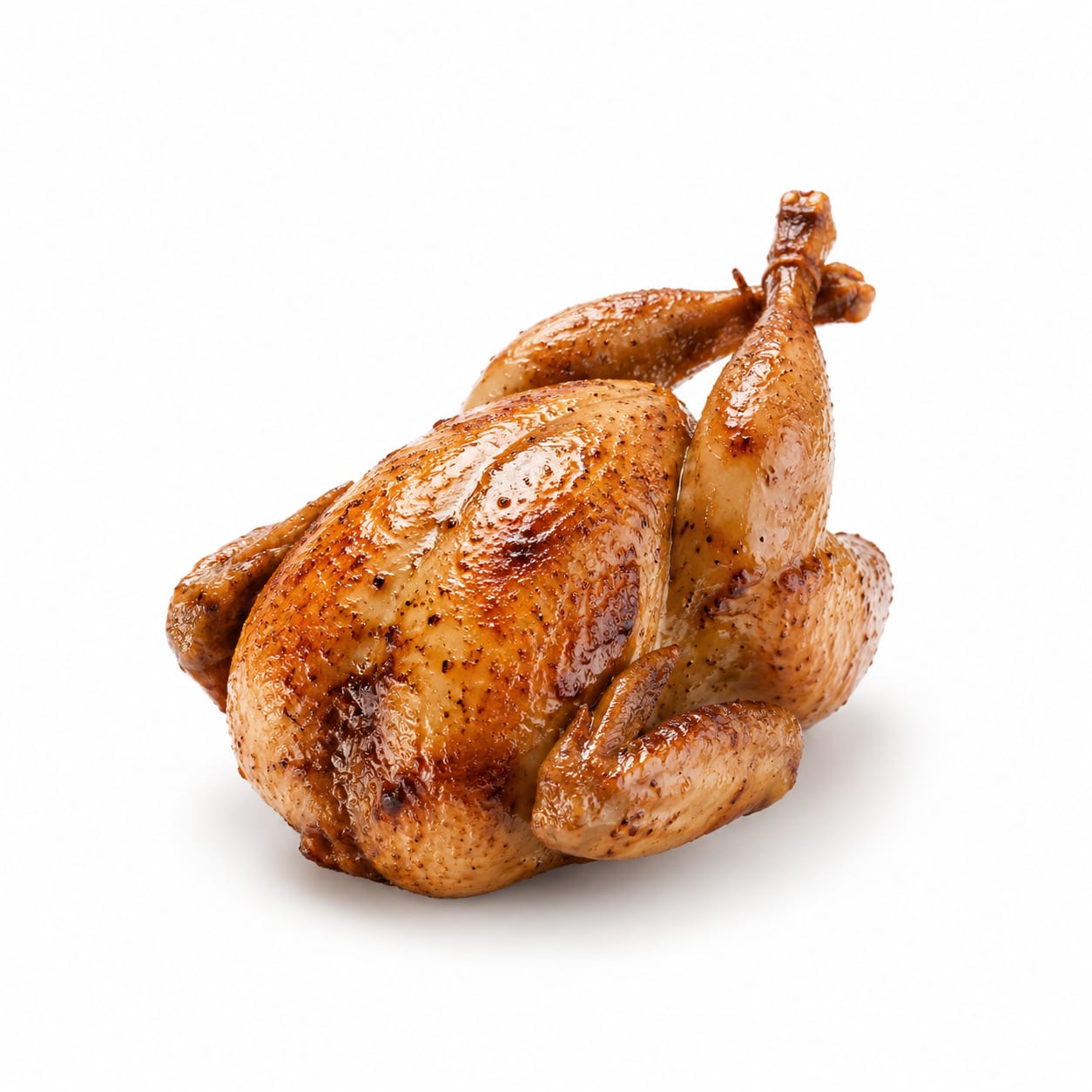
Quail
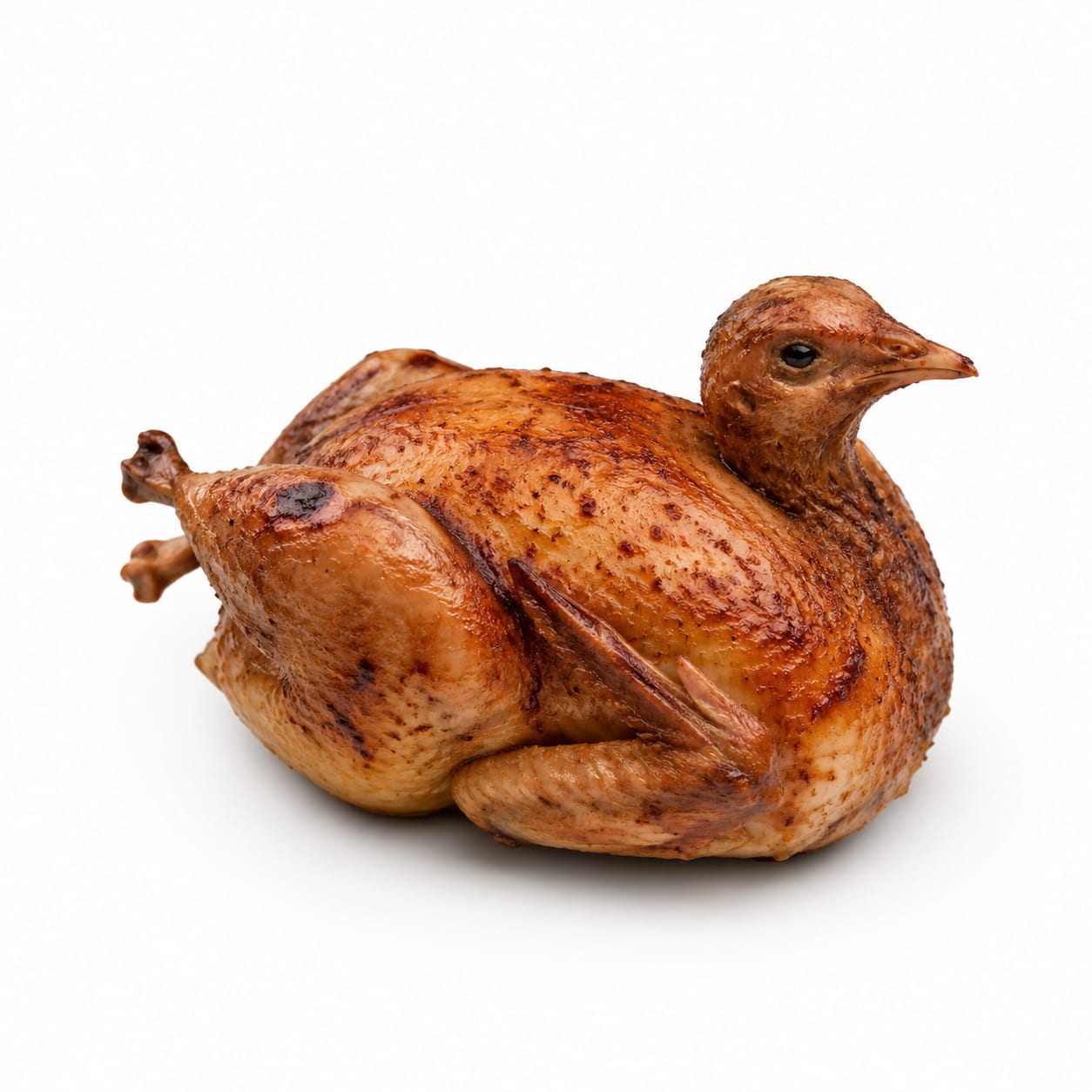
Partridge
Quail is leaner and slightly more nutrient-dense per calorie, while partridge is more satisfying and practical as a standalone meal.
Quail edges ahead on leanness and micronutrient density per calorie, but partridge is close behind and wins on practicality and satiety. The narrow gap reflects how similar these game birds are nutritionally.
Maximum leanness and micronutrient density versus better portion size, satiety, and everyday usability.
At a glance
Executive summary
Overall
It depends
Healthier
Quail
More practical
Partridge
Daily use
Partridge
Key comparison lenses
Lean protein comparison for game birds
Both are lean game meats, so protein density and fat profile are the primary decision drivers
Portion practicality and meal satisfaction
Quail is tiny and often requires multiple birds per person, while partridge offers a more realistic single-serving size
Wild game safety and contamination risk
Both are commonly hunted wild, raising concerns about lead shot, parasites, and environmental contaminants
Flavor and culinary versatility
Quail is delicate and mild, partridge is richer and more robust—this affects how each fits into meals
Micronutrient density per calorie
Game birds are prized for iron, zinc, and B vitamins, and the density differences matter for health-conscious eaters
Best choice for
Quail
- Strict calorie counters wanting maximum protein per calorie
- People eating light multi-course meals where small portions make sense
- Those seeking the leanest possible game meat
- Nutrient-density optimizers tracking every calorie
Partridge
- Home cooks wanting a satisfying single-serving game bird
- People who find tiny portions frustrating and unsatisfying
- Those prioritizing iron and zinc from a more substantial meal
- Anyone new to game meat who wants a more forgiving, flavorful introduction
Least suitable for
Quail
- Very hungry people expecting a filling meal from one bird
- Budget-conscious shoppers (multiple quail per person gets expensive)
- Those bothered by fussy, small-bone preparation
- Children who may struggle with tiny bones
Partridge
- Those wanting the absolute leanest meat possible
- People looking for very delicate, mild-flavored protein
- Anyone serving small tasting portions in a multi-course format
Deep comparison
Dimension by dimension
Each lens scores both foods and breaks down who each option suits.
- Dimension 1 · Priority 90Quail
Protein Density Per Calorie
Quail · 88Partridge · 82Quail delivers slightly more protein per calorie thanks to its extremely lean composition and lower fat content.
Tradeoff
That extra leanness means less inherent juiciness and a greater risk of dry meat if overcooked even slightly.
Why it matters
For anyone tracking macros closely, quail gives you more protein bang per calorie buck.
Real-world impact
A quail serving feels lighter and less filling—great for portion control, less great if you're actually hungry.
Quail
- Cutting phases where every calorie matters
- High-protein low-calorie meal plans
Better for
- Recovery meals needing substantial calories
- Anyone who feels deprived by tiny portions
Worse for
Partridge
- Post-workout meals where satisfaction matters as much as macros
- Days when you need a meal that actually fills you up
Better for
- Strict calorie restriction diets
- Competition prep requiring precise macro control
Worse for
- Dimension 2 · Priority 86Partridge
Satiety and Meal Satisfaction
Quail · 62Partridge · 81Partridge provides a meaningfully larger, more satisfying portion. One partridge feels like a meal; one quail feels like an appetizer.
Tradeoff
That bigger portion comes with slightly more fat and calories, though both are still lean by meat standards.
Why it matters
Satiety drives whether you snack later. A meal that doesn't fill you up often leads to overeating elsewhere.
Real-world impact
Eat quail for dinner and you may be rummaging the fridge two hours later. Partridge is far more likely to hold you.
Quail
- Multi-course dining where small portions are intentional
- Appetizer courses and tasting menus
Better for
- Anyone eating a single-bird dinner expecting fullness
- Busy people who need one meal to carry them for hours
Worse for
Partridge
- Main course dinners where one plate should be enough
- Meal prep where satisfaction prevents later snacking
Better for
- Light eaters who prefer smaller amounts
- Situations calling for dainty presentation
Worse for
- Dimension 3 · Priority 80Partridge
Iron and Mineral Density
Quail · 76Partridge · 83Partridge typically provides more iron and zinc per serving due to its darker, more active leg muscles and larger edible portion.
Tradeoff
You have to eat more total food to get those minerals, which is fine unless you're restricting calories.
Why it matters
Iron deficiency is common, especially in women. Game birds are excellent sources, and partridge delivers more per meal.
Real-world impact
A single partridge dinner covers a larger share of your daily iron needs than a single quail.
Quail
- Getting B vitamins in a very low-calorie package
- Adding mineral variety alongside other iron sources
Better for
- Those counting on one serving for a big iron boost
- Anemia-prone individuals needing maximum iron per meal
Worse for
Partridge
- Women with higher iron needs
- Anyone relying on a single meal to deliver substantial minerals
- Older adults needing zinc for immune support
Better for
- Those who need to limit iron intake due to hemochromatosis
Worse for
- Dimension 4 · Priority 74Partridge
Preparation Ease and Culinary Forgiveness
Quail · 58Partridge · 72Quail's tiny size makes it easy to overcook and fussy to eat. Partridge is more forgiving and easier to handle in the kitchen.
Tradeoff
Partridge takes longer to cook, but the wider margin for error makes it less stressful for home cooks.
Why it matters
A protein you're afraid to overcook becomes a protein you avoid cooking. Ease of preparation drives real-world use.
Real-world impact
Quail goes from perfect to dry in about 60 seconds. Partridge gives you a few extra minutes of wiggle room.
Quail
- Quick cooking when you're experienced with game birds
- Elegant presentations where small size is an advantage
Better for
- Beginners who haven't learned the narrow timing window
- Households with kids put off by tiny bones
Worse for
Partridge
- Home cooks new to game meat
- Roasting or braising where forgiving cook times matter
- Family meals where fussy eating isn't practical
Better for
- Quick weeknight cooking when time is very tight
Worse for
- Dimension 5 · Priority 78It depends
Wild Game Safety and Contamination Risk
Quail · 70Partridge · 70Both carry similar risks when wild-hunted: lead shot fragments, parasites, and environmental contaminants are real concerns for either bird.
Tradeoff
Farmed quail is more widely available than farmed partridge, which reduces risk but costs more and may have lower omega-3 content.
Why it matters
Lead exposure from wild game is not theoretical—it's a documented health concern, especially for frequent consumers.
Real-world impact
If you eat wild game regularly, lead exposure accumulates. Farmed birds eliminate this but change the nutritional profile.
Quail
- Access to farmed quail eliminates lead risk entirely
- More consistent farmed availability in some regions
Better for
- Tiny size makes lead fragments harder to find and remove
- Wild quail may forage in areas with pesticide exposure
Worse for
Partridge
- Similar wild risk profile means no disadvantage versus quail
- Larger bird makes lead shot easier to detect and remove
Better for
- Less farmed availability means more reliance on wild-hunted birds
- Larger range as a wild bird may mean more environmental exposure
Worse for
Timeline
Health impact over time
Short-term
Hours to days
Quail
- Very light post-meal feeling due to low fat and small portion
- Quick digestion with minimal heaviness or sluggishness
- Likely hunger returning within 1-2 hours if eaten alone
Partridge
- More sustained fullness from larger portion and slightly higher fat
- Steadier energy without the rapid rebound hunger
- Comforting, satisfying meal experience that feels complete
Long-term
Months to years
Quail
- Excellent for maintaining low body fat when eaten as part of a balanced diet
- Strong B-vitamin intake supports energy metabolism over time
- Risk of under-eating if relied on as a sole protein source without adequate sides
Partridge
- Better iron status over time, especially valuable for women and vegetarians transitioning to meat
- More sustainable as a regular meal component due to satiety
- Still very lean by general meat standards, so heart health remains strong
Risk profile
Safety & processing
Both quail and partridge are among the least processed proteins you can eat. Whether farmed or wild, they're typically sold whole with no additives, preservatives, or artificial ingredients. This is as clean as meat gets.
Quail
Lead shot fragments in wild-caught birds
highTiny quail make lead fragments extremely difficult to detect and remove. Frequent consumption of wild quail poses real cumulative lead exposure risk.
Undercooking due to delicate size
mediumThe small mass means rapid temperature changes. Achieving safe internal temperature without overcooking requires attention and a good thermometer.
Pesticide exposure in foraging grounds
lowWild quail foraging in agricultural areas may accumulate pesticide residues, though this is generally a minor concern compared to lead.
Partridge
Lead shot fragments in wild-caught birds
mediumLarger bird size makes lead fragments somewhat easier to locate and remove, but risk remains significant with wild-hunted partridge.
Parasites in wild populations
mediumWild partridge can carry parasites that are eliminated by proper cooking. Thorough cooking to 165°F is essential.
Environmental contaminants from wide foraging range
lowPartridge cover large territories, potentially exposing them to varied environmental contaminants, though this rarely reaches concerning levels.
Who wins for whom
Audience fit
Same foods, different winners depending on your goal.
children
PartridgePartridge has fewer tiny, hazardous bones per bite and a more approachable portion size, making it safer and less frustrating for kids.
daily consumption
PartridgePartridge works better as a regular meal component because it's more satisfying, more forgiving to cook, and doesn't leave you hungry an hour later.
diabetes
QuailBoth have zero carbs and minimal fat, but quail's lighter impact and lower calorie density make it slightly more aligned with blood sugar management diets.
elderly
PartridgeThe larger portion, higher iron per serving, and easier bone navigation make partridge more practical and nutritionally supportive for older adults.
muscle gain
PartridgePartridge provides more total protein and calories per serving, which supports muscle building better than the tiny portions of quail.
weight loss
QuailQuail's extreme leanness and small portion size make it easier to control calories precisely, though you must manage the hunger that follows.
Your move
Decision guide
Choose Quail
- You're counting every calorie and want the leanest game bird available
- You're serving a multi-course meal where small, elegant portions are the point
- You have reliable access to farmed quail and want to avoid wild-game lead risk
- You're an experienced cook comfortable with the narrow timing window
Choose Partridge
- You want one bird to actually fill you up for dinner
- You're new to cooking game meat and want something more forgiving
- Iron intake matters to you and you want maximum mineral delivery per meal
- You're feeding a family and need a practical, satisfying main course
Either works if
- You simply want a clean, minimally processed lean protein
- You're rotating game birds into your diet for variety
- Both are available farmed and you want to avoid wild-game safety concerns
Avoid both if
- You have gout and are sensitive to purine-rich meats
- You cannot verify the source and lead exposure is a concern for you
- You're a vegetarian—these are obviously not for you
- You lack a meat thermometer and are uncomfortable judging doneness on game birds
Final recommendation
For most people, partridge is the more practical and satisfying choice for regular meals. Choose quail when leanness is your absolute priority or when you're building a multi-course dining experience. If you go wild-caught with either bird, invest in a good meat thermometer and learn to check for lead fragments.
Practical
Consumer tips
- 1
If buying wild-caught, ask your supplier whether lead shot or steel shot was used—steel eliminates the lead concern entirely
- 2
Farmed quail is widely available online and at specialty butchers, and it removes nearly all contamination risk
- 3
Always cook game birds to 165°F internal temperature—a thermometer is non-negotiable for food safety
- 4
Pair quail with calorie-dense sides like roasted root vegetables or grain salads to make up for its small portion size
- 5
Partridge benefits from brining before cooking, which keeps it juicier and more forgiving
- 6
Freeze wild game for at least 30 days before cooking to kill potential parasites
- 7
If lead exposure concerns you, discard any meat within a one-inch radius of visible shot wounds