
Nutrition comparison
Quail vs Venison: Nutrition, Taste, and Health Comparison
Compare Quail and Venison to find out which game meat is better for protein, iron, weight loss, and cooking. Discover the nutritional tradeoffs between these lean meats.
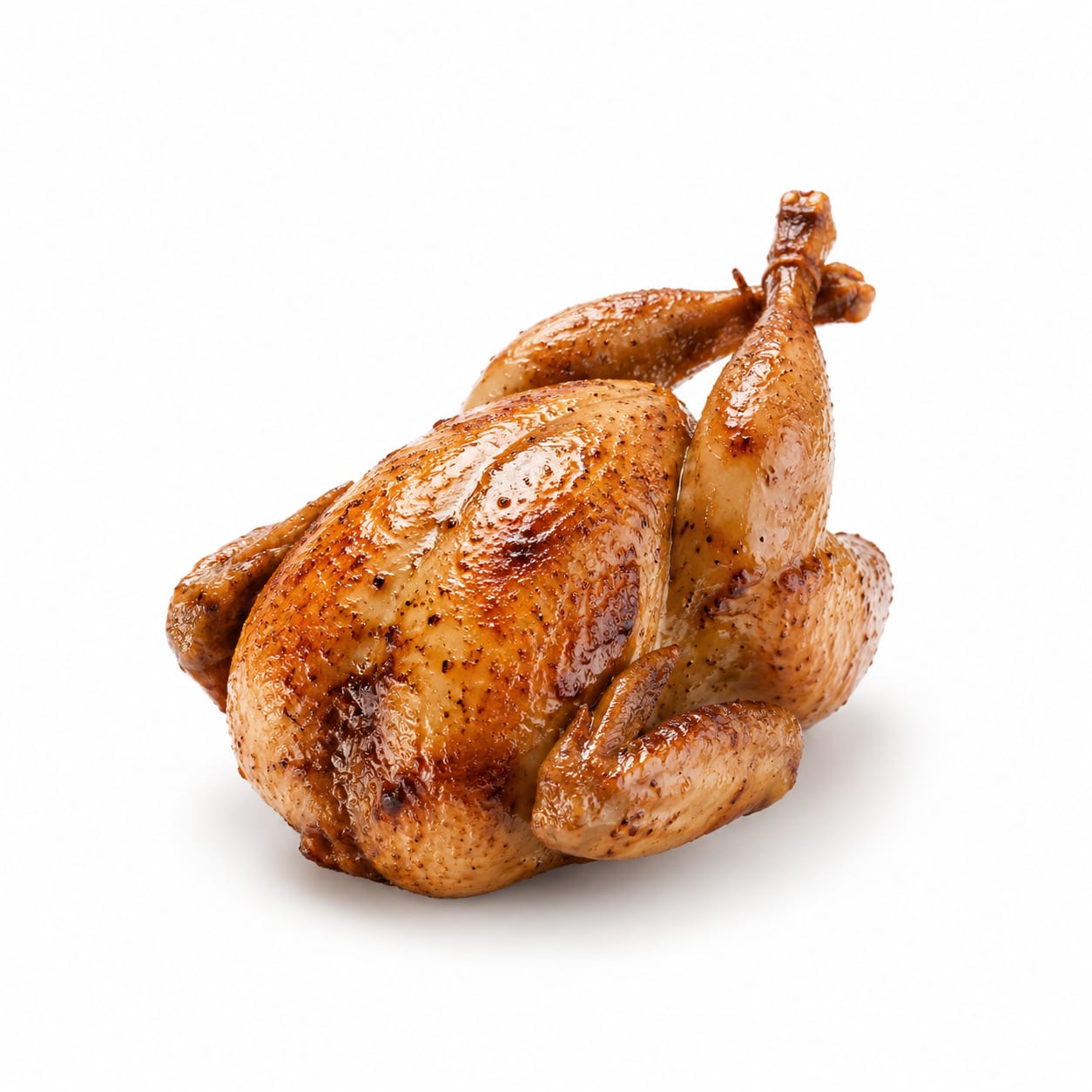
Quail
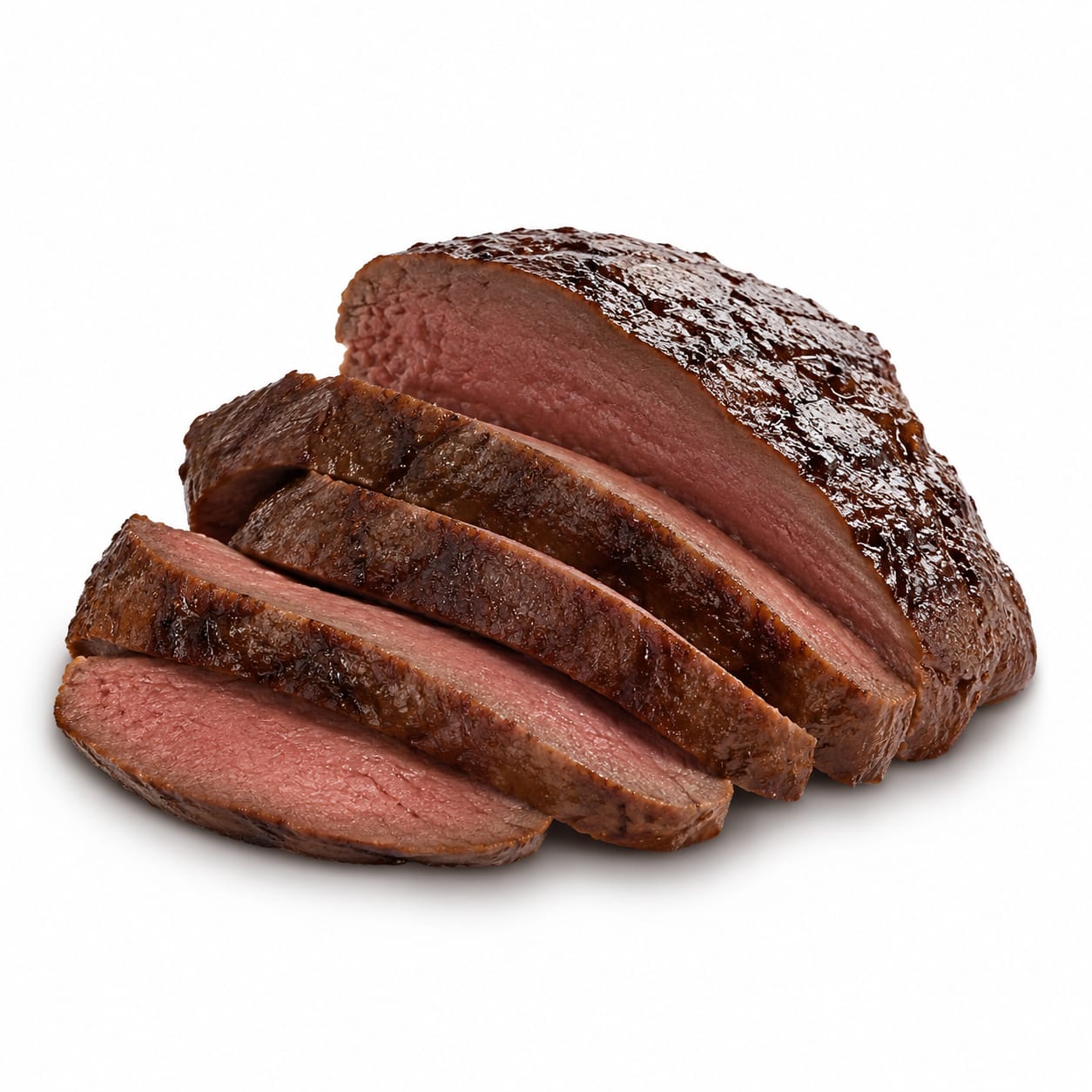
Venison
Venison delivers more protein and iron per bite with virtually zero fat, while Quail offers a milder, easier-to-cook entry into game meats.
Venison scores higher due to its exceptional nutrient density and leanness, though Quail remains a strong choice for practicality and lighter meals.
Venison is nutritionally superior for red meat benefits but can be tough and intensely flavored, whereas Quail is more approachable but less nutrient-dense per serving.
At a glance
Executive summary
Overall
It depends
Healthier
Venison
More practical
Quail
Daily use
It depends
Key comparison lenses
Protein density and leanness for muscle and weight goals
Both are exceptionally lean game meats, but their protein and fat profiles differ significantly per serving.
Micronutrient superiority for energy and blood health
Venison is a red meat powerhouse for iron and B12, while Quail offers lighter poultry-style nutrition.
Cooking difficulty and practical weeknight use
Venison is notoriously easy to overcook and turn tough, whereas Quail cooks quickly and stays moist.
Sourcing safety and wild game risks
Wild game carries specific risks like Chronic Wasting Disease in deer and lead shot exposure, which require careful sourcing.
Best choice for
Quail
- People wanting a milder introduction to game meats
- Those who prefer portion-controlled, quick-cooking proteins
- Home cooks wanting a forgiving, fast-roasting dinner
Venison
- Athletes needing high iron and protein with minimal fat
- Anyone following a strict lean-meat or keto-style diet
- People managing iron deficiency or anemia
Least suitable for
Quail
- Those needing a large volume of protein per meal
- People on a tight grocery budget
Venison
- People uncomfortable with strong, earthy flavors
- Impatient cooks who easily overcook lean meats
Deep comparison
Dimension by dimension
Each lens scores both foods and breaks down who each option suits.
- Dimension 1 · Priority 95Venison
Protein Density & Muscle Building
Quail · 75Venison · 92Venison packs significantly more protein per ounce compared to Quail, making it a superior choice for muscle repair and growth.
Tradeoff
You get more protein from Venison, but Quail provides a lighter, less dense eating experience.
Why it matters
Higher protein density means you need smaller portions to hit your daily targets, which is crucial for athletes.
Real-world impact
A single Venison steak easily covers half your daily protein, whereas Quail requires eating multiple birds to get the same amount.
Quail
- Lighter post-workout meals
- Appetizer-style dining
Better for
- Bodybuilders needing massive protein intake
Worse for
Venison
- Heavy lifting recovery
- Satiating main courses
Better for
- Small appetites overwhelmed by dense meat
Worse for
- Dimension 2 · Priority 90Venison
Fat Content & Leanness
Quail · 70Venison · 95Venison is famously lean with almost no intramuscular fat, while Quail—especially with the skin on—carries more fat per serving.
Tradeoff
Venison's extreme leanness makes it healthier for the heart but very easy to overcook and dry out, whereas Quail's skin keeps it moist but adds saturated fat.
Why it matters
Lower saturated fat intake supports cardiovascular health, but extremely lean meats require careful cooking techniques.
Real-world impact
Venison requires marinades or quick searing to stay tender; Quail stays juicier more easily thanks to its skin.
Quail
- Easier cooking with built-in moisture
- Richer mouthfeel
Better for
- Low-fat diet protocols
Worse for
Venison
- Heart-healthy diets
- Strict calorie and fat tracking
Better for
- Dry, tough results if overcooked
Worse for
- Dimension 3 · Priority 88Venison
Micronutrient Density (Iron & B12)
Quail · 72Venison · 90As a red meat, Venison delivers substantially more iron and B12 than Quail, which is classified as a light poultry meat.
Tradeoff
Choosing Venison gives you a massive boost in energy-supporting nutrients, while Quail offers less iron but still decent B vitamins.
Why it matters
Iron and B12 are essential for preventing fatigue and supporting oxygen transport in the blood.
Real-world impact
Eating Venison regularly can help correct mild iron deficiency, while Quail is better suited for maintaining already healthy levels.
Quail
- Maintaining normal energy levels
Better for
- Anemia management
Worse for
Venison
- Correcting iron deficiency
- Women with heavy menstrual cycles
Better for
- People with hemochromatosis (iron overload)
Worse for
- Dimension 4 · Priority 85Quail
Cooking Practicality & Versatility
Quail · 82Venison · 60Quail cooks quickly and is forgiving, while Venison requires specific techniques to prevent toughness.
Tradeoff
Quail is faster to the table but requires eating around small bones; Venison is boneless in steak form but demands more culinary skill.
Why it matters
A difficult-to-cook protein often gets avoided, making convenience a major factor in long-term diet adherence.
Real-world impact
You can roast Quail in 15 minutes for a weeknight dinner, whereas Venison needs planning, marinating, and careful temperature control.
Quail
- Busy weeknight dinners
- Novice cooks
Better for
- Those who hate picking out small bones
Worse for
Venison
- Slow-cooked weekend stews
- Experienced home chefs
Better for
- Last-minute meal prep
Worse for
- Dimension 5 · Priority 80It depends
Satiety & Digestibility
Quail · 78Venison · 85Venison is deeply filling due to its dense protein, but Quail is lighter and easier on the stomach if you have digestive sensitivities.
Tradeoff
You stay full longer after Venison, but Quail feels less heavy and sleeps better if eaten later in the evening.
Why it matters
Matching your food's heaviness to your activity level prevents that sluggish, overly full feeling.
Real-world impact
Venison is ideal after a physically exhausting day; Quail is better for a lighter lunch that won't cause an afternoon crash.
Quail
- Light dinners
- People with sensitive digestion
Better for
- Extreme hunger moments
Worse for
Venison
- Post-hiking recovery
- Days with high physical exertion
Better for
- Late-night eating
Worse for
Timeline
Health impact over time
Short-term
Hours to days
Quail
- Quick energy from B vitamins
- Light, comfortable fullness without bloating
Venison
- Deep satiety that kills hunger for hours
- Risk of feeling overly full if portion is too large
Long-term
Months to years
Quail
- Maintained protein intake without excessive saturated fat
- Support for steady energy metabolism
Venison
- Improved iron stores and prevention of anemia
- Excellent heart health due to minimal saturated fat
Risk profile
Safety & processing
Both Quail and Venison are typically sold as whole, unprocessed cuts of meat with no added ingredients, making them exceptionally clean protein sources.
Quail
Bacterial contamination (Salmonella/Campylobacter)
mediumLike all poultry, Quail carries a risk of bacterial contamination and must be cooked to safe internal temperatures.
Wild-harvested parasites
lowIf hunted wild, Quail can carry parasites, though farmed Quail largely avoids this issue.
Venison
Chronic Wasting Disease (CWD)
mediumWild Venison carries a risk of CWD, a prion disease. Health agencies recommend testing wild deer before consumption.
Lead fragment exposure
mediumWild Venison hunted with lead ammunition can contain lead fragments, which is particularly dangerous for children and pregnant women.
Who wins for whom
Audience fit
Same foods, different winners depending on your goal.
children
QuailQuail has a milder flavor and smaller, fun-sized portions, though caregivers must watch out for small bones.
daily consumption
It dependsVenison is nutritionally superior for daily red-meat benefits, but Quail is more practical for quick, everyday cooking.
diabetes
VenisonBoth have zero carbs, but Venison's higher protein content provides better blood sugar stability over long periods.
elderly
QuailQuail is generally easier to chew and digest than the naturally dense, tough fibers of Venison.
muscle gain
VenisonThe sheer density of protein and iron in Venison makes it superior for building and repairing muscle tissue.
weight loss
VenisonVenison offers more protein and fewer calories per serving than Quail, keeping you full longer on less food.
Your move
Decision guide
Choose Quail
- You want a quick-cooking, lighter protein for weeknights
- You prefer milder flavors over intense gamey taste
- You have a sensitive stomach and need easily digestible meat
Choose Venison
- You need maximum protein and iron per bite
- You are an athlete or highly active person
- You enjoy slow cooking and rich, earthy flavors
Either works if
- You want a high-quality, unprocessed whole-food protein
- You are tired of conventional meats like chicken and beef
Avoid both if
- You follow a strict plant-based or vegetarian diet
- You have severe gout and are highly sensitive to purines
Final recommendation
Choose Venison for unmatched nutrient density and leanness, especially if you are active or need an iron boost. Opt for Quail when you want a faster, lighter, and more approachable game meat that won't weigh you down.
Practical
Consumer tips
- 1
If cooking Venison, never cook it past medium-rare to prevent it from turning shoe-leather tough.
- 2
Remove Quail bones before serving to children to avoid choking hazards.
- 3
If buying wild Venison, always ask if it has been tested for Chronic Wasting Disease.
- 4
Marinate Venison in olive oil and acid (like vinegar or citrus) to help break down the tough muscle fibers.
- 5
Roast Quail whole at high heat to crisp the skin while keeping the breast meat juicy.