
Nutrition comparison
Quail vs Cornish Hen: Nutrition, Taste, and Value Compared
Quail is leaner and more nutrient-dense, but Cornish Hen is more affordable and practical. Compare these two poultry options to find which fits your goals.
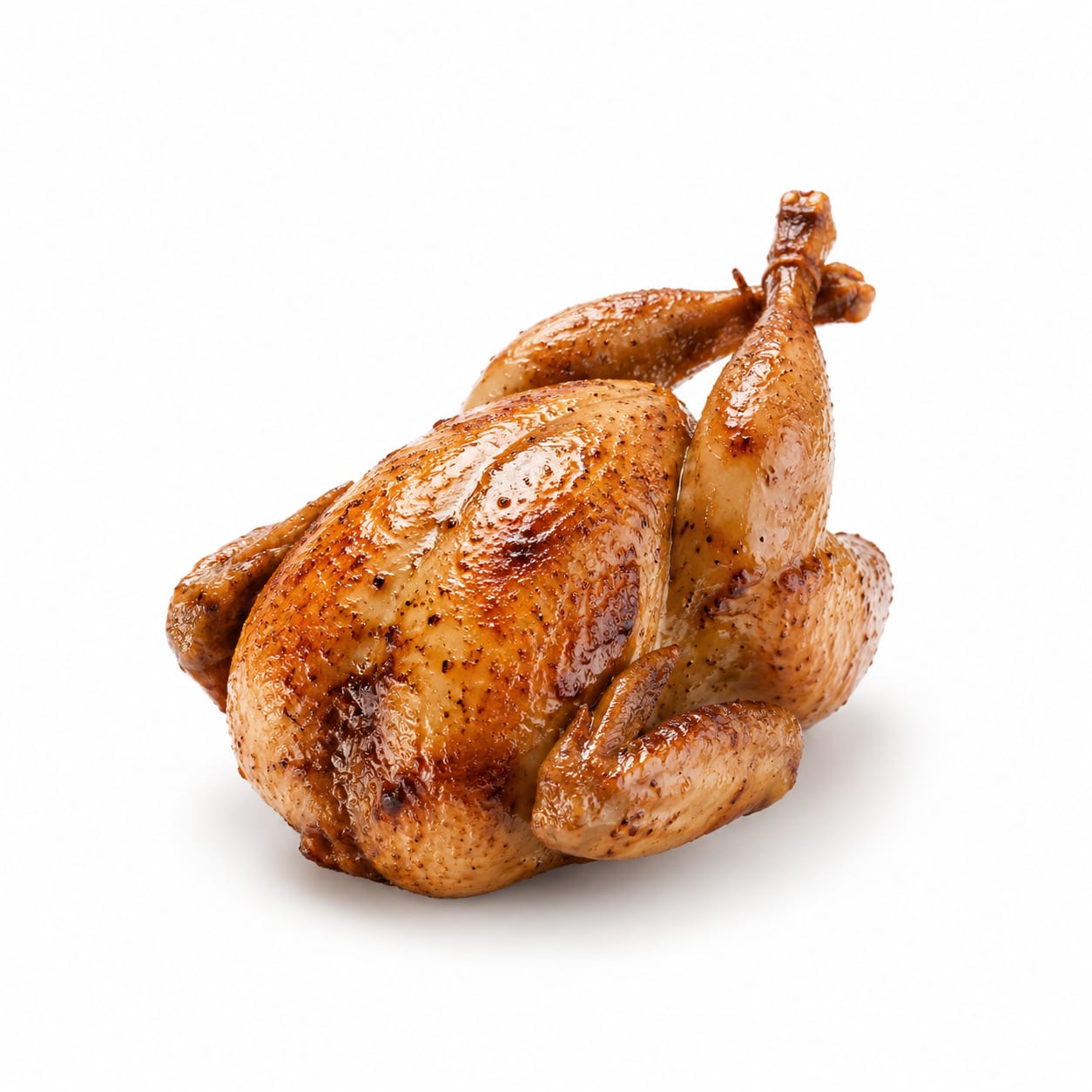
Quail
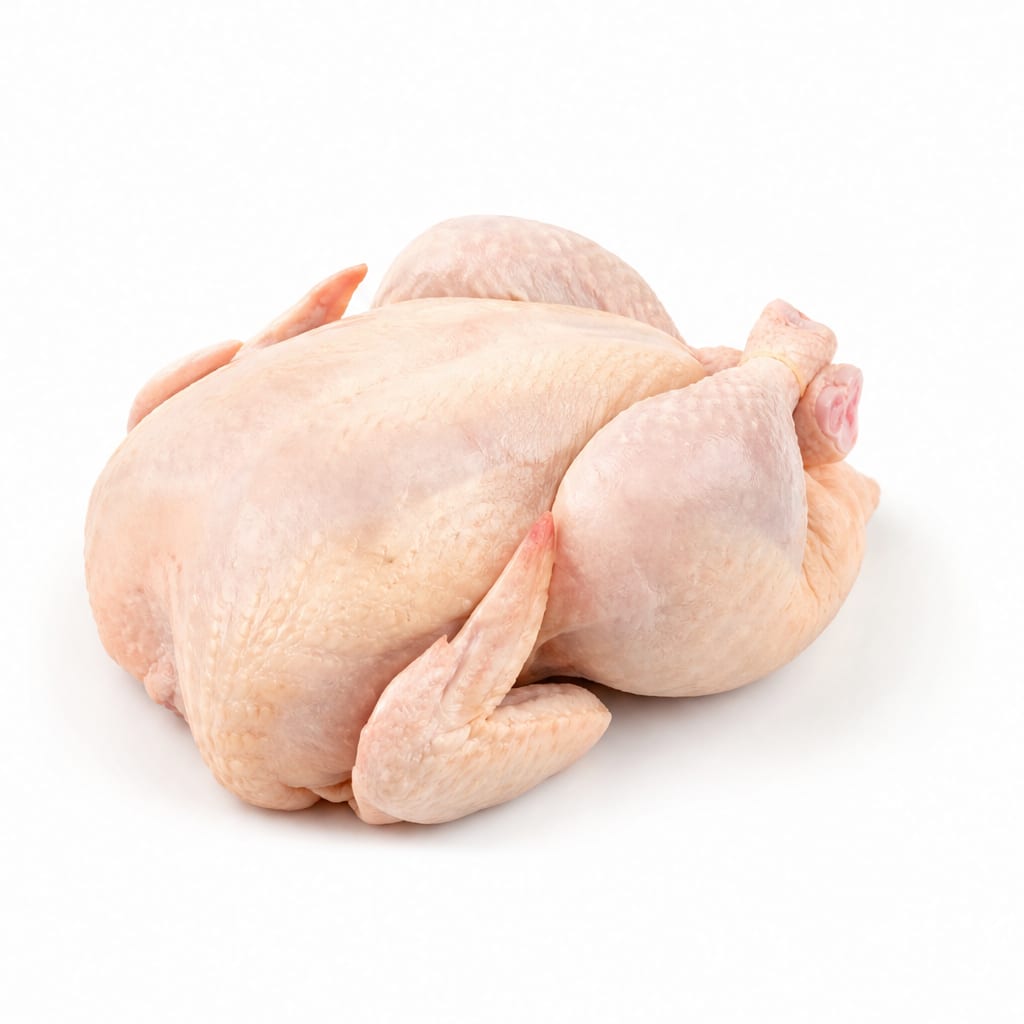
Cornish Hen
Quail wins on leanness and nutrient density, but Cornish Hen wins on practicality, value, and everyday usability.
Cornish Hen edges ahead due to practicality and sustainability for regular use. Quail scores higher on specific nutritional metrics but loses ground on cost, availability, and everyday feasibility.
You trade convenience and affordability for a leaner, more nutrient-dense bird with a gamier flavor profile.
At a glance
Executive summary
Overall
It depends
Healthier
Quail
More practical
Cornish Hen
Daily use
Cornish Hen
Key comparison lenses
protein quality and leanness comparison between two poultry options
Both are lean poultry but quail is significantly leaner with a denser nutrient profile per calorie
practicality and everyday meal feasibility
Cornish Hen is far more accessible and easier to prepare, while quail requires specialty sourcing
value and cost-effectiveness for regular consumption
Quail is notably more expensive per serving, making daily use unrealistic for most households
culinary experience and flavor preference
Quail offers a richer, gamier taste while Cornish Hen provides a milder, more familiar chicken-like flavor
micronutrient density per calorie
Quail delivers more iron, B vitamins, and zinc per ounce due to its lower fat content and denser meat
Best choice for
Quail
- Adventurous eaters seeking lean, nutrient-dense protein
- Low-fat diets requiring minimal caloric investment
- Special occasion meals where presentation matters
- People avoiding higher-fat poultry
Cornish Hen
- Weeknight family dinners needing a reliable protein
- Budget-conscious households wanting quality poultry
- Meal preppers who value consistent portion sizes
- Anyone transitioning from chicken to something slightly more elevated
Least suitable for
Quail
- Large families on a tight budget
- People uncomfortable with gamey flavors
- Those who need quick, low-effort weeknight meals
- Diners who find small-bone birds frustrating to eat
Cornish Hen
- Strict low-fat dieters wanting the leanest option possible
- Culinary adventurers craving bold, gamey flavors
- Those seeking peak micronutrient density per calorie
Deep comparison
Dimension by dimension
Each lens scores both foods and breaks down who each option suits.
- Dimension 1 · Priority 93Quail
Protein Quality and Density
Quail · 88Cornish Hen · 80Quail delivers more protein per calorie thanks to its leaner profile, making it a more efficient protein source.
Tradeoff
Cornish Hen provides more total protein per bird simply due to size, but a higher portion of its calories come from fat.
Why it matters
If you are tracking calories while trying to hit protein targets, quail gives you more protein per bite.
Real-world impact
A quail dinner fills your protein needs with fewer total calories, which helps if you are cutting.
Quail
- Calorie-conscious lifters
- Anyone on a strict macro plan
- Lean bulk phases
Better for
- Very active people needing large protein volumes from a single meal
Worse for
Cornish Hen
- People who need larger total protein servings in one sitting
- Those not worried about fat calories
Better for
- Strict calorie counters trying to maximize protein per calorie
Worse for
- Dimension 2 · Priority 88Quail
Fat Content and Profile
Quail · 86Cornish Hen · 72Quail is significantly leaner, with roughly half the fat content of Cornish Hen per serving.
Tradeoff
Less fat means less natural juiciness and a higher risk of dry meat if overcooked. Cornish Hen stays more forgiving in the kitchen.
Why it matters
Lower fat intake supports heart health and calorie control, but fat also carries flavor and helps with satiety.
Real-world impact
Quail requires careful cooking to avoid dryness, while Cornish Hen is more forgiving and naturally juicier.
Quail
- Heart-health-conscious diners
- Low-fat diet followers
- Those monitoring saturated fat intake
Better for
- Anyone who struggles with dry poultry
- Diners who dislike lean meat textures
Worse for
Cornish Hen
- Home cooks who worry about overcooking
- People who prefer naturally juicy meat
- Keto or moderate-fat eaters
Better for
- People strictly limiting dietary fat
Worse for
- Dimension 3 · Priority 82Quail
Micronutrient Density
Quail · 85Cornish Hen · 73Quail packs more iron, zinc, and B vitamins per calorie due to its leaner composition and denser meat.
Tradeoff
The difference is meaningful but not dramatic. Cornish Hen still provides solid nutrition, just with more fat diluting the micronutrient density.
Why it matters
Iron and B vitamins affect energy levels, and zinc supports immunity. Getting more per calorie matters when you are eating less.
Real-world impact
If you eat smaller portions or fewer calories, quail helps you squeeze more nutrition out of each bite.
Quail
- Smaller eaters needing nutrient efficiency
- Anyone at risk of iron deficiency
- Older adults with reduced appetites
Better for
- People who eat large volumes and get enough micronutrients anyway
Worse for
Cornish Hen
- Those eating adequate portions who already meet micronutrient needs
Better for
- Anyone eating small portions who needs maximum nutrient density
Worse for
- Dimension 4 · Priority 90Cornish Hen
Practicality and Availability
Quail · 45Cornish Hen · 88Cornish Hen is widely available at regular grocery stores and easy to cook. Quail requires specialty shops or online ordering.
Tradeoff
Quail offers a unique dining experience but demands effort to source and more skill to prepare well.
Why it matters
The healthiest food only works if you can actually buy and cook it regularly.
Real-world impact
You can grab a Cornish Hen on the way home from work. Quail usually requires planning ahead and possibly paying shipping.
Quail
- Urban dwellers near specialty butchers
- Home cooks who enjoy sourcing unique ingredients
Better for
- Last-minute meal planners
- People without specialty grocers nearby
Worse for
Cornish Hen
- Busy families needing grocery-store convenience
- Rural shoppers with limited specialty access
- Anyone who values grab-and-cook simplicity
Better for
- Those with easy access to game meat suppliers
Worse for
- Dimension 5 · Priority 87Cornish Hen
Cost and Value
Quail · 38Cornish Hen · 82Cornish Hen costs roughly half to a third of quail per serving, making it far more sustainable for regular meals.
Tradeoff
Quail is a luxury protein. You pay for uniqueness and leanness, not volume or value.
Why it matters
Protein affordability determines whether a food can become a staple or stays a special-occasion choice.
Real-world impact
Feeding a family of four with quail could cost three times more than Cornish Hen for less total food.
Quail
- Special occasions where cost matters less
- Solo diners treating themselves
Better for
- Large families
- Anyone on a tight food budget
Worse for
Cornish Hen
- Household budgets needing protein value
- Families eating poultry multiple times per week
- Meal preppers watching grocery costs
Better for
- Those where cost is no object
Worse for
- Dimension 6 · Priority 78Cornish Hen
Satiety and Eating Experience
Quail · 65Cornish Hen · 80Cornish Hen provides a more filling meal with more fat and a larger portion size. Quail can feel light to the point of unsatisfying.
Tradeoff
Quail's lightness is great for calorie control but may leave you hungry sooner. Cornish Hen feels like a complete meal.
Why it matters
A meal that does not satisfy leads to snacking, which undermines dietary goals more than a slightly higher-calorie main dish.
Real-world impact
One Cornish Hen is a satisfying single serving. You typically need two or three quail to feel equally full.
Quail
- Light lunch eaters
- Multi-course dining where portions are small
- Appetizer or starter courses
Better for
- Hearty eaters who feel shortchanged by small portions
Worse for
Cornish Hen
- Dinner as a standalone main course
- Active people needing full meals
- Anyone prone to after-dinner snacking
Better for
- Those who prefer grazing small plates
Worse for
- Dimension 7 · Priority 74It depends
Flavor and Culinary Versatility
Quail · 78Cornish Hen · 78Quail offers a richer, gamier flavor that excites adventurous palates. Cornish Hen delivers a milder, more universally appealing taste.
Tradeoff
Gamy flavor is polarizing. Some love it, others find it off-putting. Cornish Hen is the safer crowd-pleaser.
Why it matters
Flavor determines whether you actually look forward to eating something, which drives long-term dietary adherence.
Real-world impact
Serve quail to foodies and they are thrilled. Serve it to picky eaters and you may have a problem.
Quail
- Adventurous eaters
- Fine-dining-style home cooking
- Cooks who enjoy bold flavors
Better for
- Picky eaters
- People expecting chicken-like mildness
Worse for
Cornish Hen
- Families with kids
- Dinner parties with mixed palates
- Comfort-food-style meals
Better for
- Diners bored by mild poultry flavors
Worse for
Timeline
Health impact over time
Short-term
Hours to days
Quail
- Very light post-meal feeling due to low fat content
- Quick digestion without heaviness or sluggishness
- Risk of early hunger if eaten as a standalone meal without sides
Cornish Hen
- More sustained fullness from higher fat content
- Comforting, satisfying meal that reduces urge to snack
- Slightly heavier digestion that may feel slow before physical activity
Long-term
Months to years
Quail
- Lower cumulative saturated fat intake supports heart health
- Higher iron intake per calorie may help prevent deficiency over time
- Cost may prevent consistent consumption, reducing practical long-term benefit
Cornish Hen
- Consistent affordable protein access supports muscle maintenance
- Moderate fat intake is sustainable and satisfying for long-term adherence
- Slightly higher saturated fat intake warrants portion awareness for heart health
Risk profile
Safety & processing
Both quail and Cornish Hen are whole, minimally processed proteins. Neither typically contains additives when sold fresh. The main concern is farming practices — always check for antibiotic-free and free-range options for either bird.
Quail
Wild-caught contamination
mediumWild quail may carry lead shot residue or environmental contaminants. Farm-raised quail avoids this but is less common.
Undercooking risk with small birds
mediumSmall birds cook fast and unevenly. Undercooked quail can harbor the same poultry pathogens as chicken.
Cross-contamination during prep
lowStandard poultry handling applies. Small size means more handling per ounce, slightly increasing contact risk.
Cornish Hen
Salmonella and Campylobacter
mediumStandard poultry risk. Cornish Hens carry the same pathogen profile as conventional chicken.
Antibiotic residues in conventionally raised birds
lowMost major producers have reduced antibiotic use, but conventionally raised birds may still carry trace residues.
Improper thawing
lowOften sold frozen. Thawing at room temperature instead of in the fridge increases bacterial growth risk.
Who wins for whom
Audience fit
Same foods, different winners depending on your goal.
children
Cornish HenCornish Hen has a milder flavor kids accept more readily, and the larger portion size matches children's appetites better than tiny quail.
daily consumption
Cornish HenAffordability, availability, and familiar flavor make Cornish Hen a realistic daily or weekly staple. Quail is better as an occasional choice.
diabetes
QuailBoth are zero-carb proteins, but quail's lower fat content and higher nutrient density per calorie give it a slight edge for metabolic health.
elderly
QuailQuail's superior micronutrient density per calorie helps older adults with reduced appetites get more nutrition from less food.
muscle gain
Cornish HenCornish Hen provides more total protein per bird and more calories to support growth, making it easier to hit higher macro targets.
weight loss
QuailQuail's lower calorie and fat content per serving makes it easier to stay within a deficit while still eating satisfying protein.
Your move
Decision guide
Choose Quail
- You want the leanest poultry option available
- Nutrient density per calorie is your top priority
- You enjoy gamey flavors and adventurous cooking
- Cost is not a primary concern
- You are cooking a special-occasion meal for food lovers
Choose Cornish Hen
- You need an affordable, reliable weekly protein
- You are feeding a family with varying taste preferences
- You want a forgiving bird that stays juicy with basic cooking skills
- You value convenience and grocery-store availability
- You need a single-serving main course that actually fills you up
Either works if
- You simply want a high-quality whole-bird protein instead of chicken
- You are comfortable cooking poultry and want variety
- Both fit your budget and you want to rotate for enjoyment
Avoid both if
- You follow a plant-based diet
- You have a poultry allergy
- You cannot reliably cook poultry to safe internal temperatures
Final recommendation
Make Cornish Hen your everyday bird and save quail for when you want something special. You get the practical benefits of affordability and familiarity most days, with the nutritional and culinary excitement of quail as a rewarding upgrade. Neither is a bad choice — the real win is choosing whole poultry over processed meats.
Practical
Consumer tips
- 1
Buy quail from reputable farms to avoid wild-caught contamination concerns
- 2
Brine Cornish Hen before roasting to keep it even juicier with minimal effort
- 3
Cook quail to 155°F and rest it — overcooking turns it dry fast
- 4
Look for air-chilled Cornish Hens for better flavor and less water weight
- 5
Freeze extra quail immediately since it is often sold in multi-packs
- 6
Pair quail with a starch and vegetable to make a complete meal from a small portion
- 7
Check labels for antibiotic-free and free-range on both birds for cleaner protein