
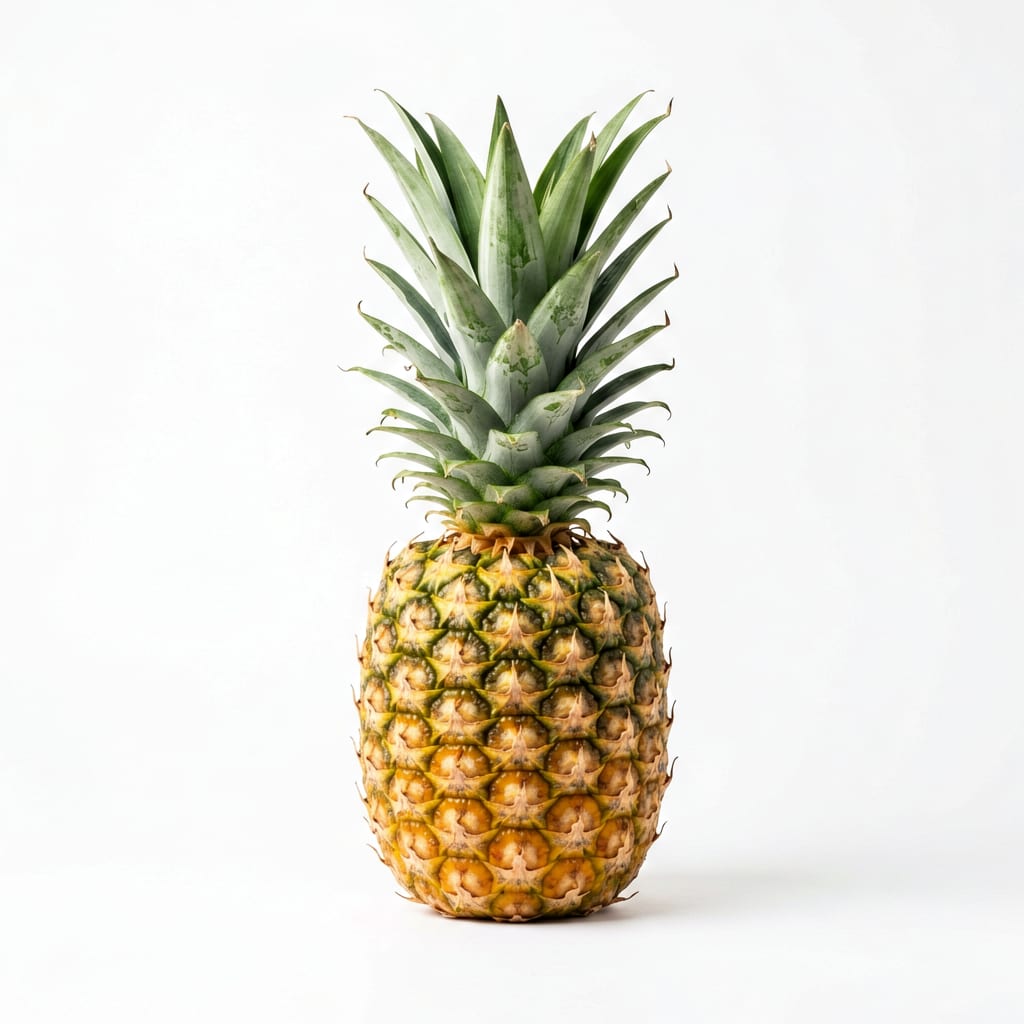
Fruit
Pineapple
A sweet, tart tropical fruit rich in vitamin C and the digestive enzyme bromelain.
A tropical fruit known for its sweet, tart flavor and juiciness, characterized by a tough, segmented outer skin and a fibrous core.
fast-digesting tropical carbohydrate source
Typical serving · 165g
Common varieties · Smooth Cayenne, Red Spanish, Queen, Abacaxi
Overall context score across nutrition, safety, and diet fit
At a glance
Quick facts
Simple indicators based on nutrition, processing, and diet fit.
The story
What makes it unique
Pineapple is a carbohydrate-dominant fruit with moderate sugar content and a medium glycemic index. It digests relatively quickly due to its water and sugar composition, but contains bromelain, a unique proteolytic enzyme that aids protein digestion. Satiety is moderate, driven by water volume rather than dense fiber.
Varieties: Smooth Cayenne · Red Spanish · Queen · Abacaxi
Per 100g
Nutrition breakdown
Macro balance and key metrics at a glance.
Energy
Density 0.50 kcal/g
Protein
Carbs
Fat
Fiber
Sugar
9.9 g
Sodium
1 mg
Potassium
109 mg
Glycemic index
66
Glycemic load
8
Water content
86%
Standout compounds
Nutrient highlights
Vitamin C
highSupports immune function and collagen synthesis
Manganese
highEssential for bone health and metabolic function
Bromelain
highAids protein digestion and reduces inflammation
Fiber
moderatePromotes digestive regularity
Wellness map
Health scores & processing
NOVA processing scale
Unprocessed · Whole food
Raw pineapple is a whole, unprocessed food. Canned or dried versions often contain added sugars, shifting them to processed categories.
Diet compatibility
- Weight loss
- Muscle gain
- Diabetes
- Gut health
- Low carb
- High protein
- Heart health
Relative standing
Food rankings
Qualitative ranks compared to similar whole foods.
- Satietygood
- Blood sugarmoderate
- Nutrient densitygood
- Fitness fuelgood
- Processing qualityexcellent
Eat with confidence
Food safety profile
The thick skin of a pineapple shields the edible flesh from most pesticide residues and microbial contamination. Washing the exterior before cutting prevents transferring bacteria from the rind to the fruit.
Evidence confidence 90%
- Pesticideslow
- Antibioticslow
- Heavy metalslow
- Contaminationlow
Watch for
- pesticide residues on skin
- soil-borne bacteria
Safer choices
Organic pineapple reduces exposure to systemic pesticides used in conventional farming.
Prep tips
Always wash the outer rind thoroughly under running water before slicing to avoid introducing bacteria to the flesh.
Conventional pineapple farming can use significant pesticides, but the thick skin protects the edible flesh from direct residue.
Deep dive
Health analysis
How this food may fit different goals and preparation choices.
Weight loss
Low energy density and high water content promote fullness per calorie, but natural sugars require mindful portion control.
Blood sugar
A medium glycemic index means it can raise blood sugar faster than berries, though the glycemic load per standard serving remains manageable.
Fitness & energy
Provides fast-digesting carbohydrates ideal for quick pre-workout energy or post-workout glycogen replenishment.
Gut health
Bromelain enzymes assist in protein breakdown, while dietary fiber supports regular bowel movements.
Processing quality
Whole, raw pineapple is an unprocessed whole food; canned versions in heavy syrup are processed and sugar-dense.
Food safety
The thick rind protects the flesh from most agricultural chemicals, making the edible portion relatively low in pesticide residues.
Common mistakes
Confusing canned pineapple in heavy syrup with raw pineapple, which drastically increases sugar and calorie intake.
Best preparation
Consumed fresh and raw to preserve heat-sensitive vitamin C and bromelain enzymes, or lightly grilled for a caramelized flavor without added sugars.
Practical guide
Best use cases
When and how this food fits real eating patterns.
Pre-workout quick energy
The fast-digesting carbohydrates provide a rapid energy boost without causing digestive heaviness during exercise.
Digestive aid with protein meals
Bromelain helps break down tough proteins, making it an excellent dessert or side after a heavy meat dish.
Low-calorie sweet snack
Satisfies sweet cravings with a relatively low calorie count and high water volume to keep you hydrated.
Balance sheet
Pros & cons
Upsides
- Rich in vitamin C and manganese
- Contains unique bromelain enzyme for digestion
- Low calorie per volume due to high water content
- Provides quick, easily digestible energy
Trade-offs
- Medium glycemic index can spike blood sugar
- Bromelain can cause mouth irritation
- Canned versions often packed in added sugars
- Not suitable for strict low-carb diets
Fit check
Who is it for?
Great match
- pre-workout fuel
- protein digestion support
- immunity boosting
- sweet fruit cravings
Consider alternatives
- strict ketogenic diets
- severe blood sugar management
- fructose malabsorption
Side by side
How it compares
Open the full head-to-head analysis for nutrition, safety, and practical tradeoffs.
This food
Pineapple
VS90% alike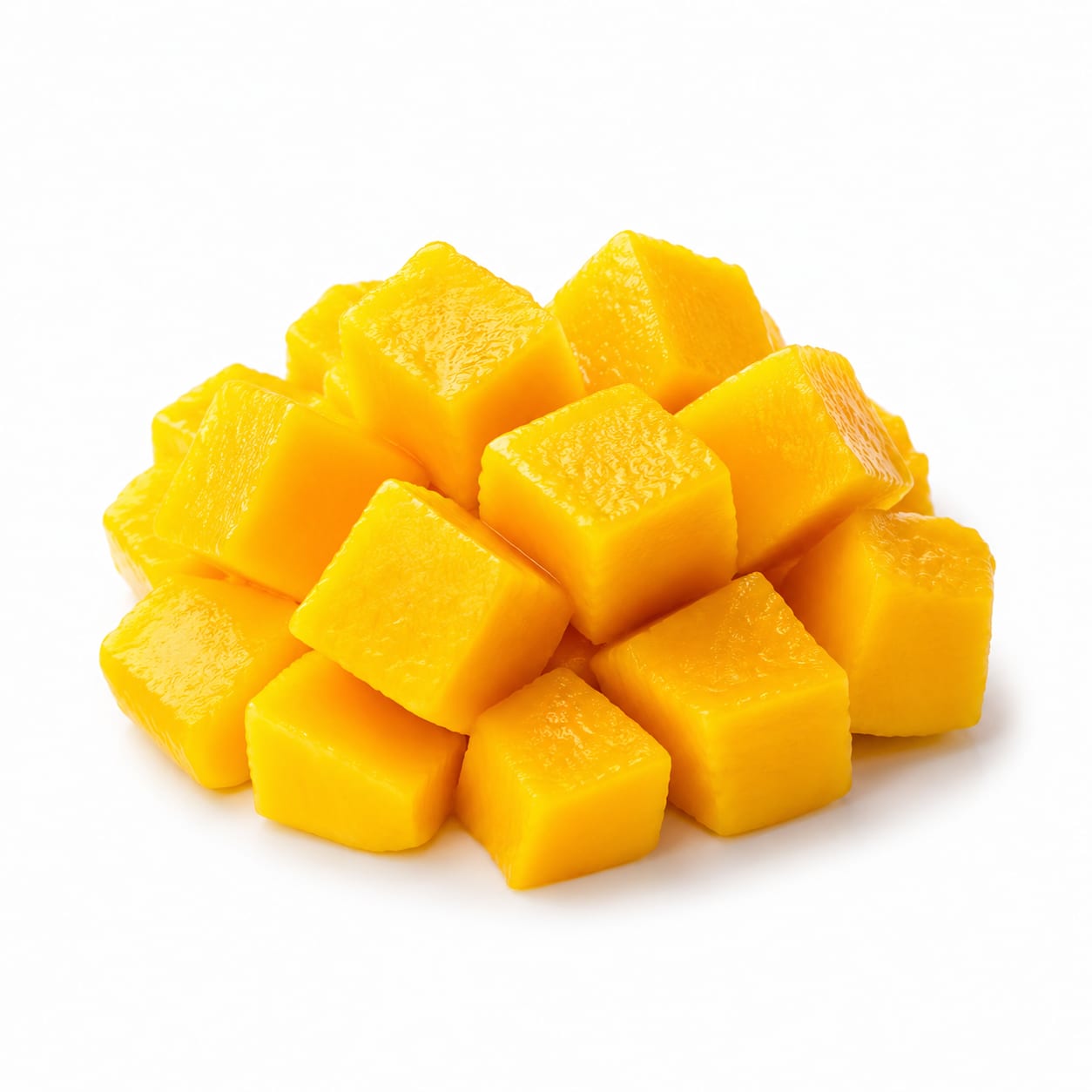
Compare with
Mango
Mango is higher in vitamins A and folate, while pineapple provides vitamin C and bromelain. Mango is slightly higher in sugar and calories.
Pineapple is lower in calories and sugar than mango, and contains bromelain for digestion, making it slightly better for weight loss and blood sugar control.
This food
Pineapple
VS85% alike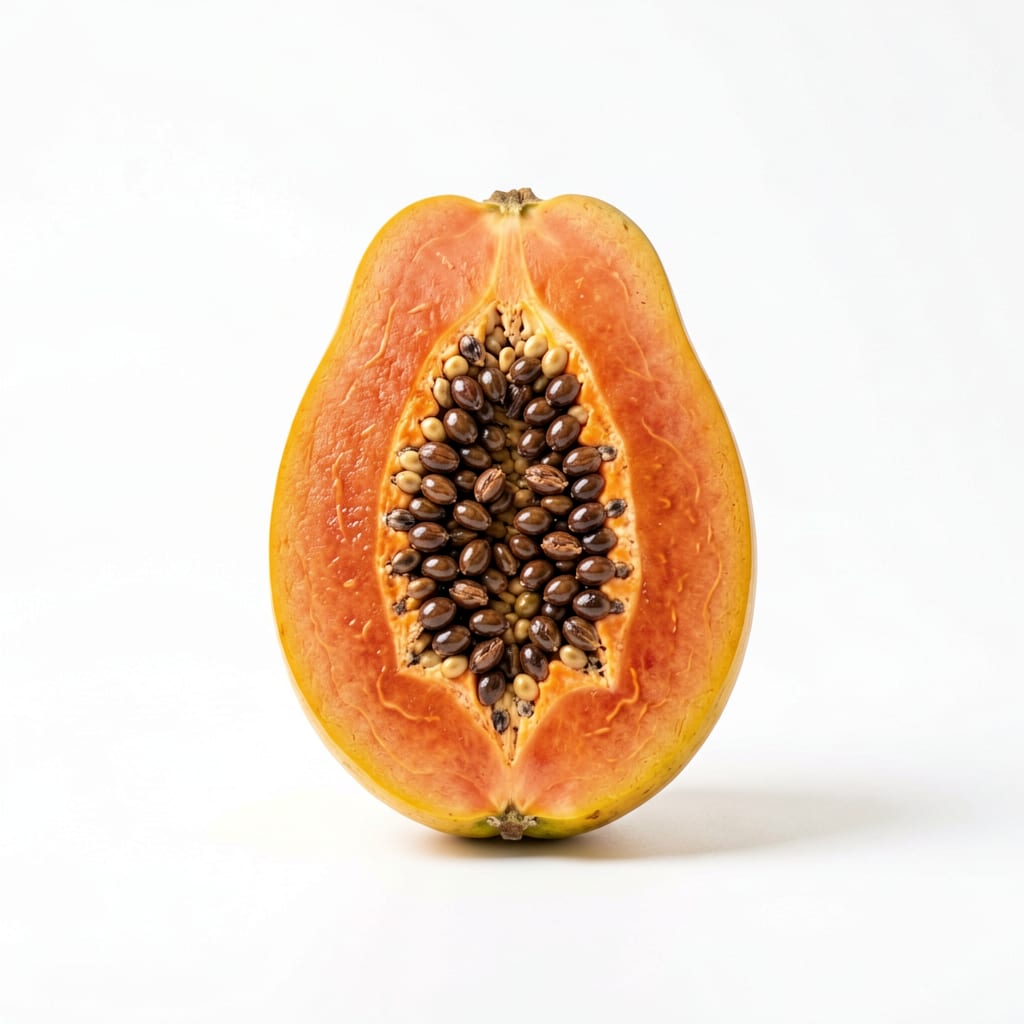
Compare with
Papaya
Papaya contains papain, while pineapple contains bromelain. Papaya is lower in sugar and higher in vitamin A, while pineapple is higher in vitamin C.
Papaya is lower in sugar and better for blood sugar, while pineapple offers more vitamin C and a tangier flavor for pre-workout energy.
This food
Pineapple
VS75% alike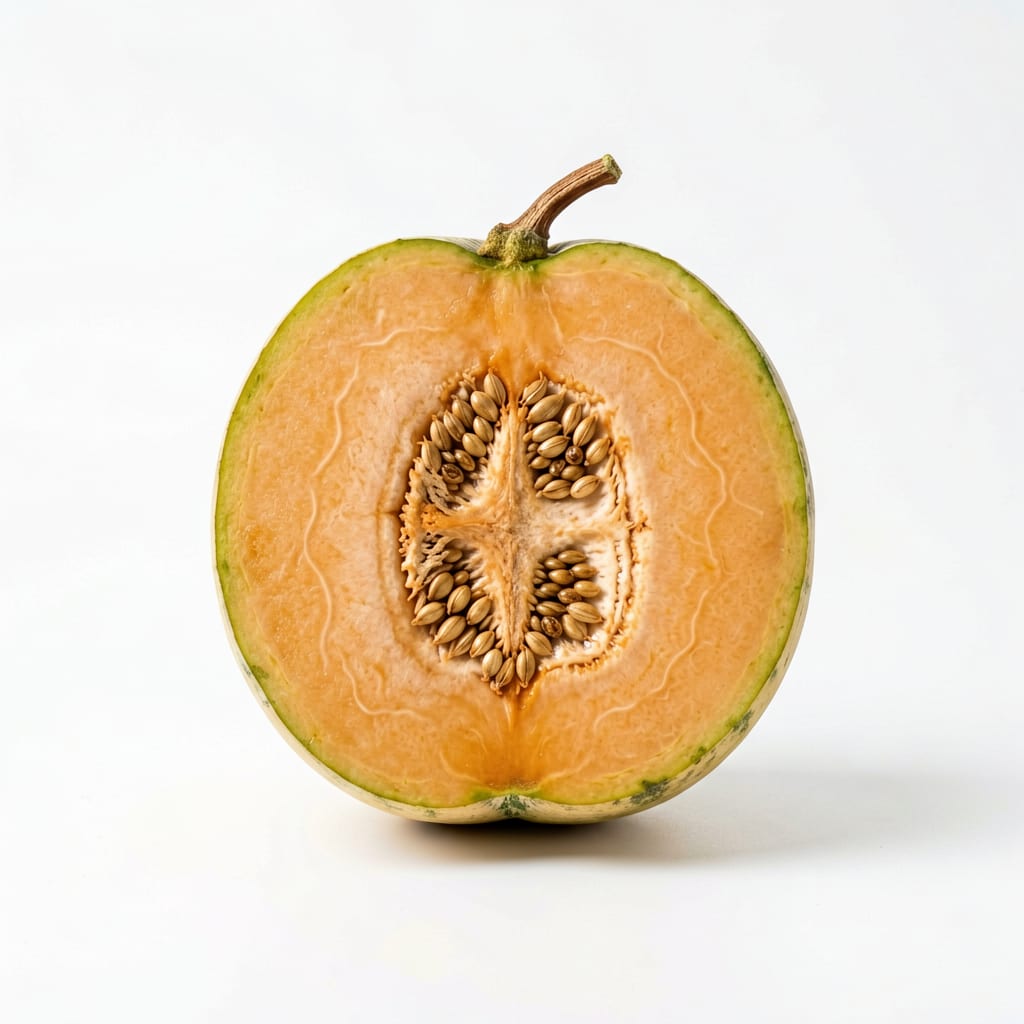
Compare with
Cantaloupe
Cantaloupe is significantly lower in sugar and calories, with a lower glycemic load. Pineapple offers more distinct digestive enzymes.
Cantaloupe is lower in calories and sugar, making it better for weight loss, while pineapple provides more carbohydrates for fitness energy.
This food
Pineapple
VS70% alike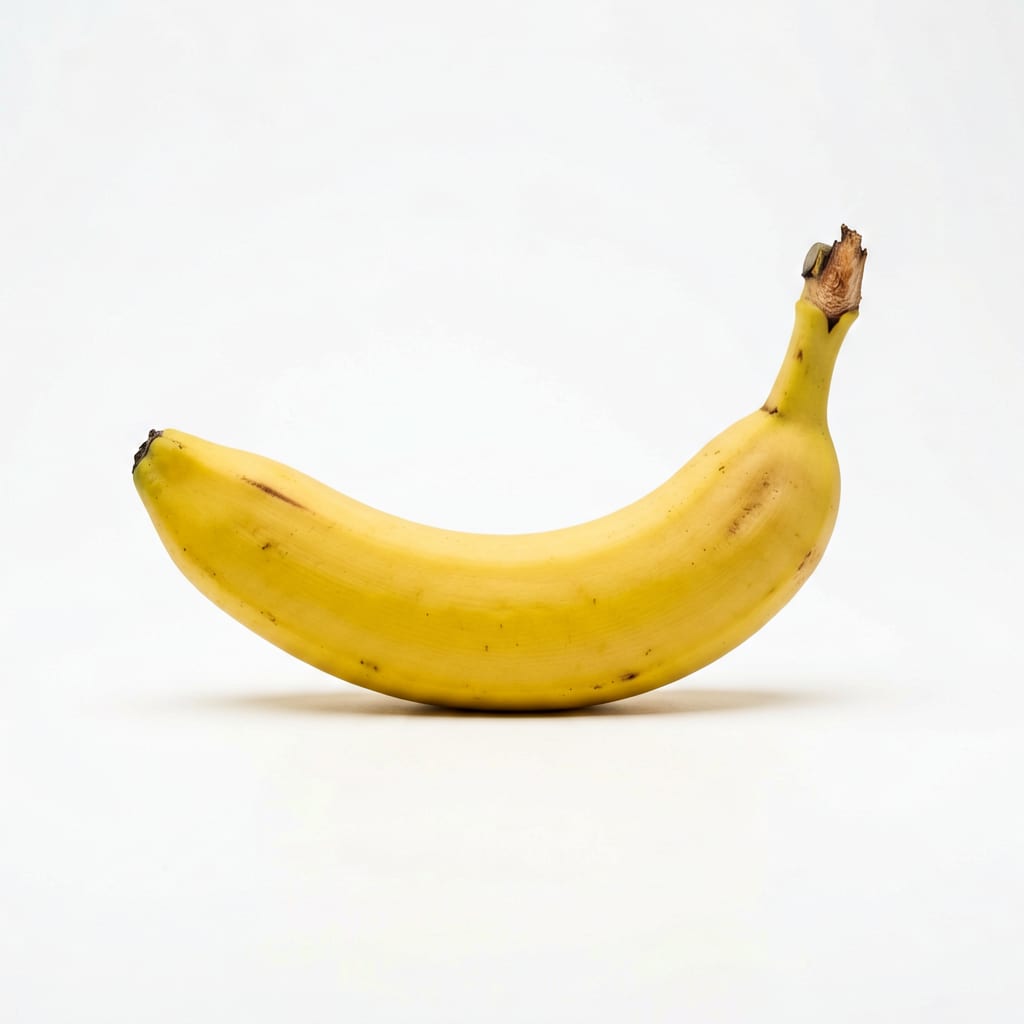
Compare with
Banana
Bananas are higher in potassium and starch, while pineapples are lower in calories and higher in water and vitamin C.
Bananas provide more potassium and workout fuel, while pineapple is lower in calories and better for weight loss.
This food
Pineapple
VS65% alike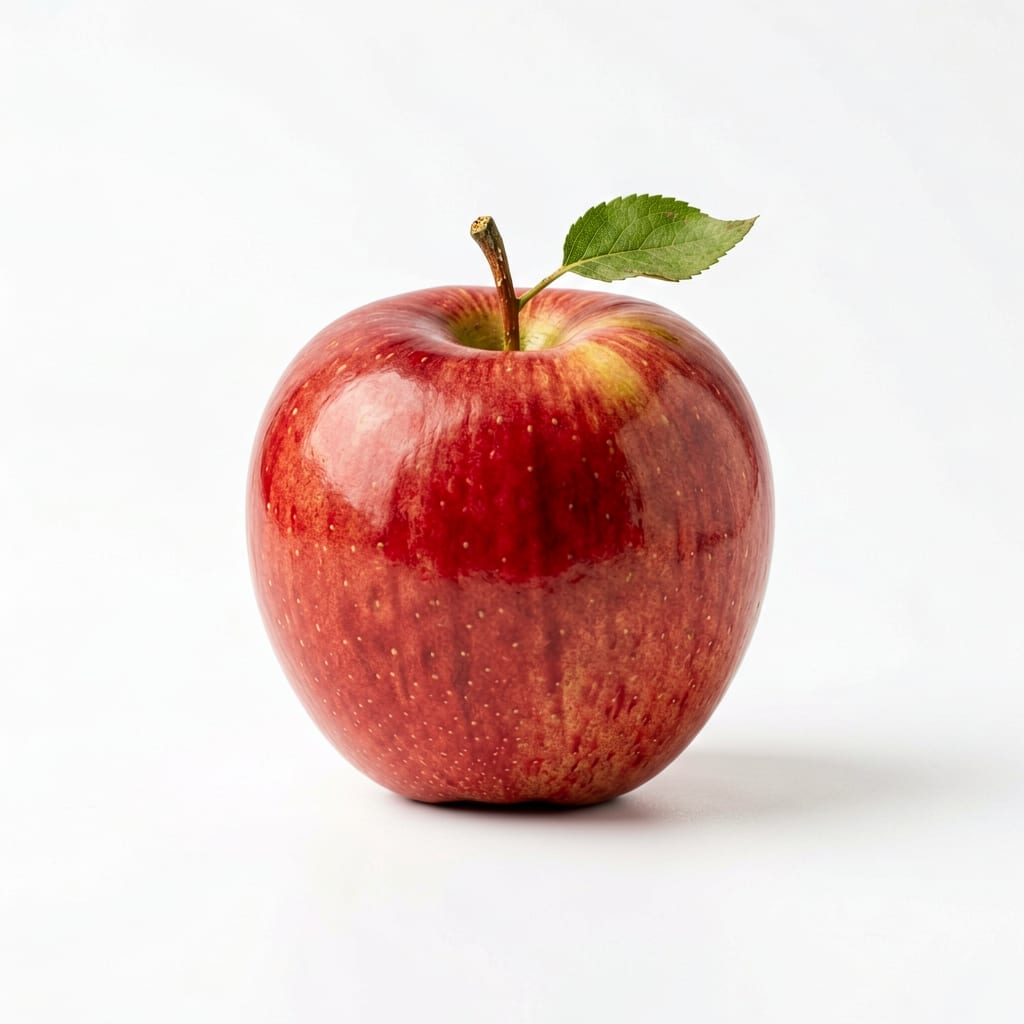
Compare with
Apple
Apples are lower in sugar and higher in fiber, providing a slower energy release. Pineapple offers faster energy and unique enzymes.
Apples are higher in fiber and lower in sugar for better satiety, while pineapple provides faster-digesting carbs and digestive enzymes.
This food
Pineapple
VS60% alike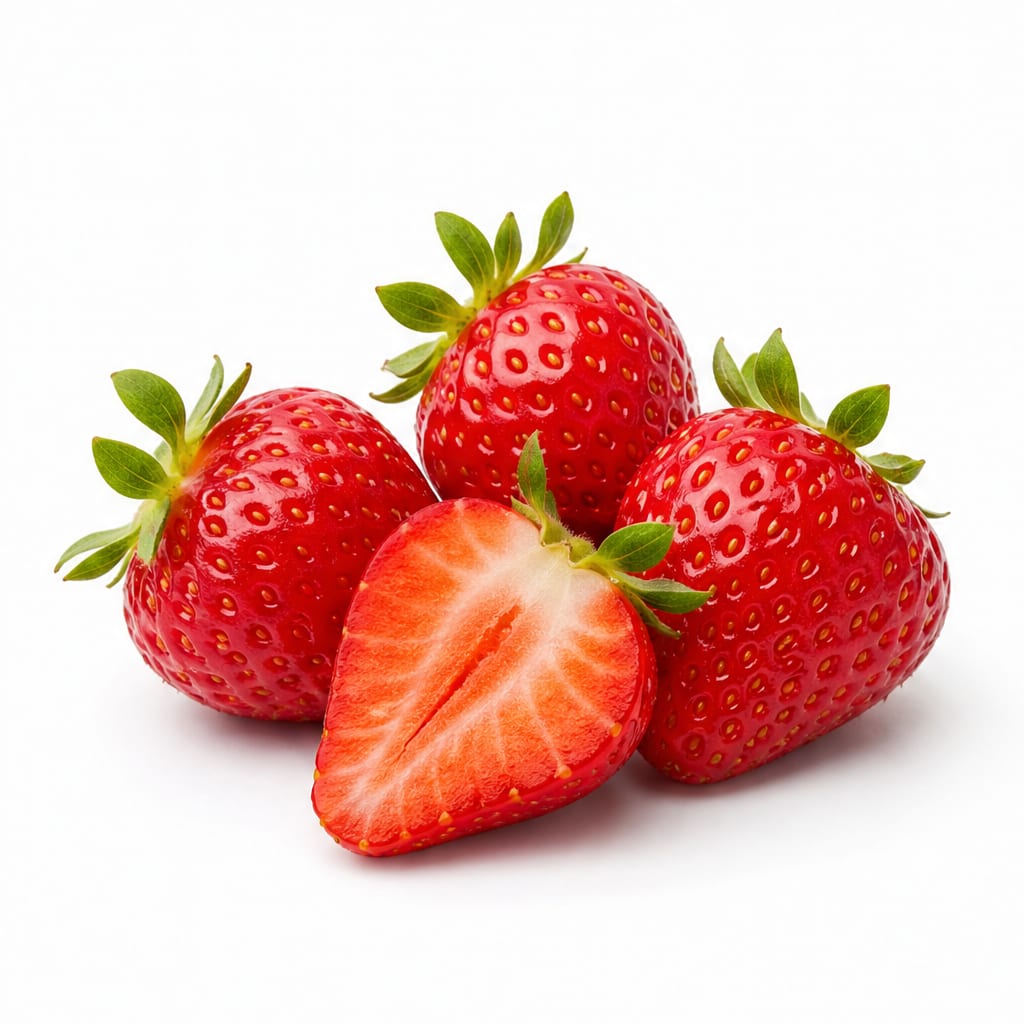
Compare with
Strawberries
Strawberries are significantly lower in sugar and calories, with a much lower glycemic load. Pineapple provides more manganese and bromelain.
Strawberries are much lower in sugar and better for blood sugar control, while pineapple offers more quick carbs for fitness energy.
This food
Pineapple
VS80% alike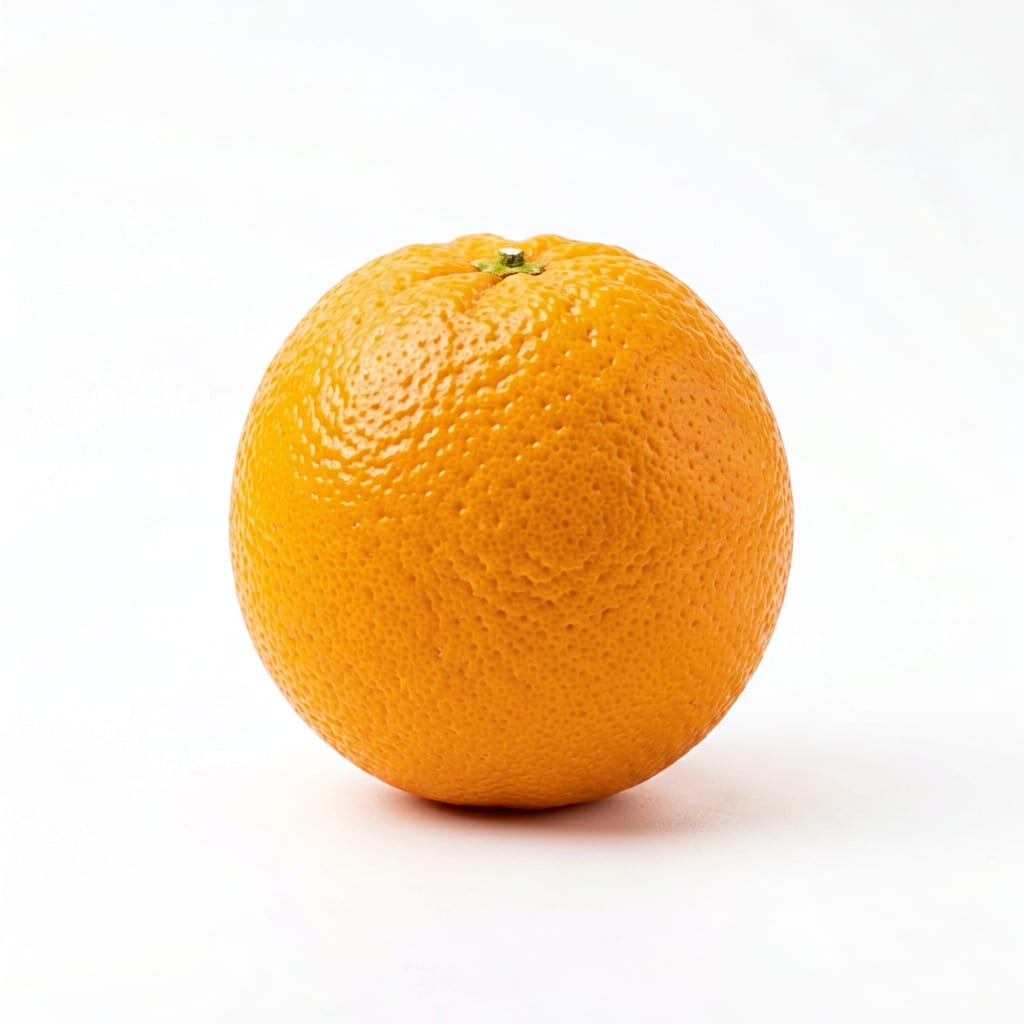
Compare with
Orange
Oranges are slightly lower in sugar and higher in fiber. Pineapple provides manganese and bromelain, which oranges lack.
Oranges are higher in fiber and lower in sugar for better blood sugar control, while pineapple offers unique digestive enzymes and faster energy.
This food
Pineapple
VS65% alike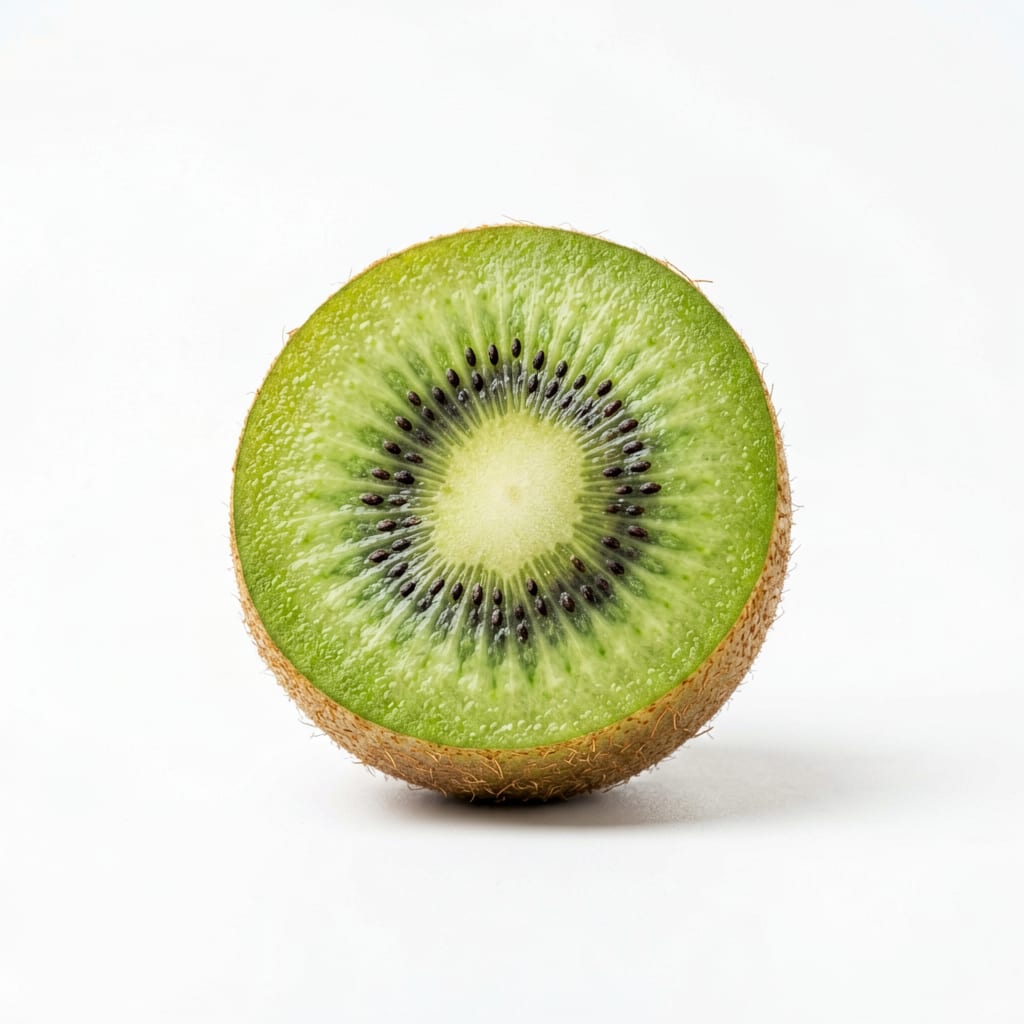
Compare with
Kiwi
Kiwi is much lower in sugar and higher in fiber, making it better for blood sugar. Pineapple provides more volume per calorie.
Kiwi is lower in sugar and higher in fiber for better satiety, while pineapple provides more fast-digesting carbs for workouts.
This food
Pineapple
VS70% alike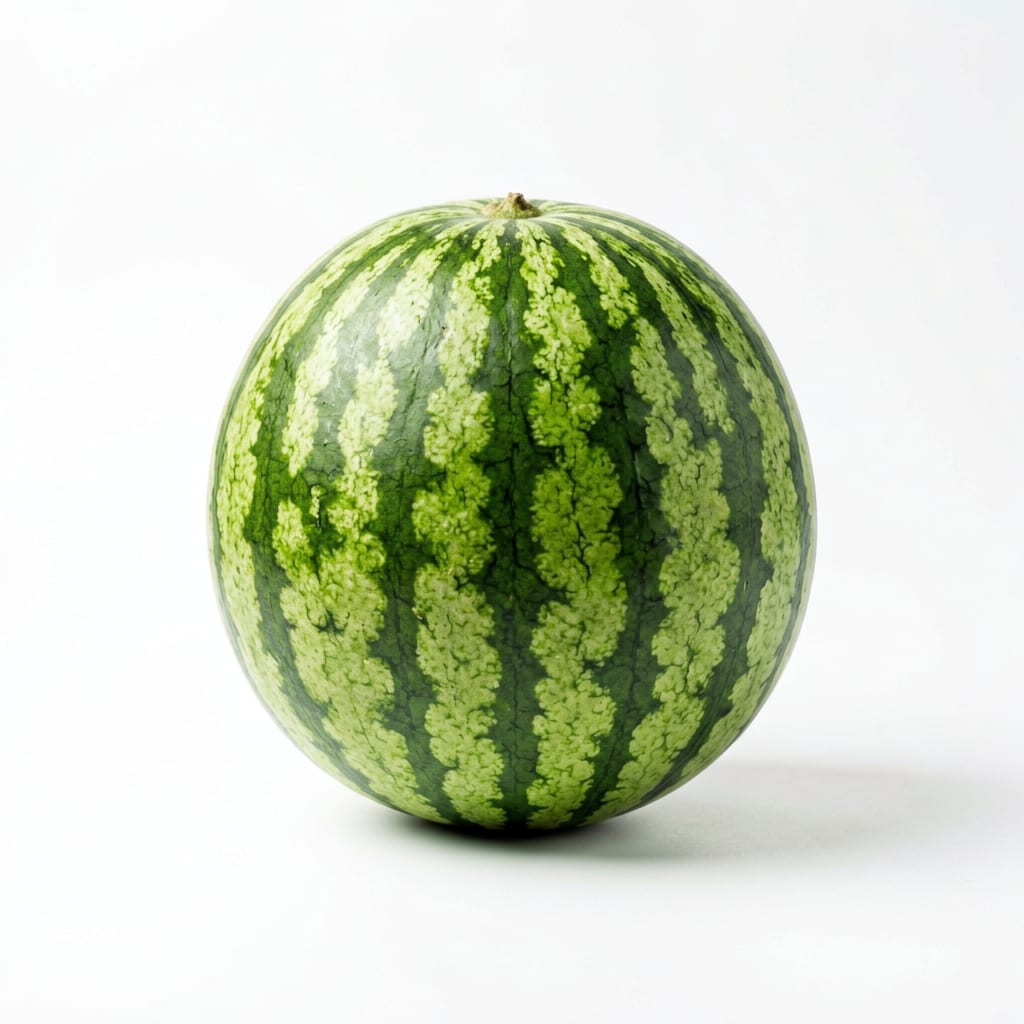
Compare with
Watermelon
Watermelon is lower in calories and has a lower glycemic load per serving despite a higher glycemic index. Pineapple has more fiber and vitamin C.
Watermelon is lower in calories, while pineapple has more fiber and vitamin C, making pineapple slightly better for sustained energy.
This food
Pineapple
VS60% alike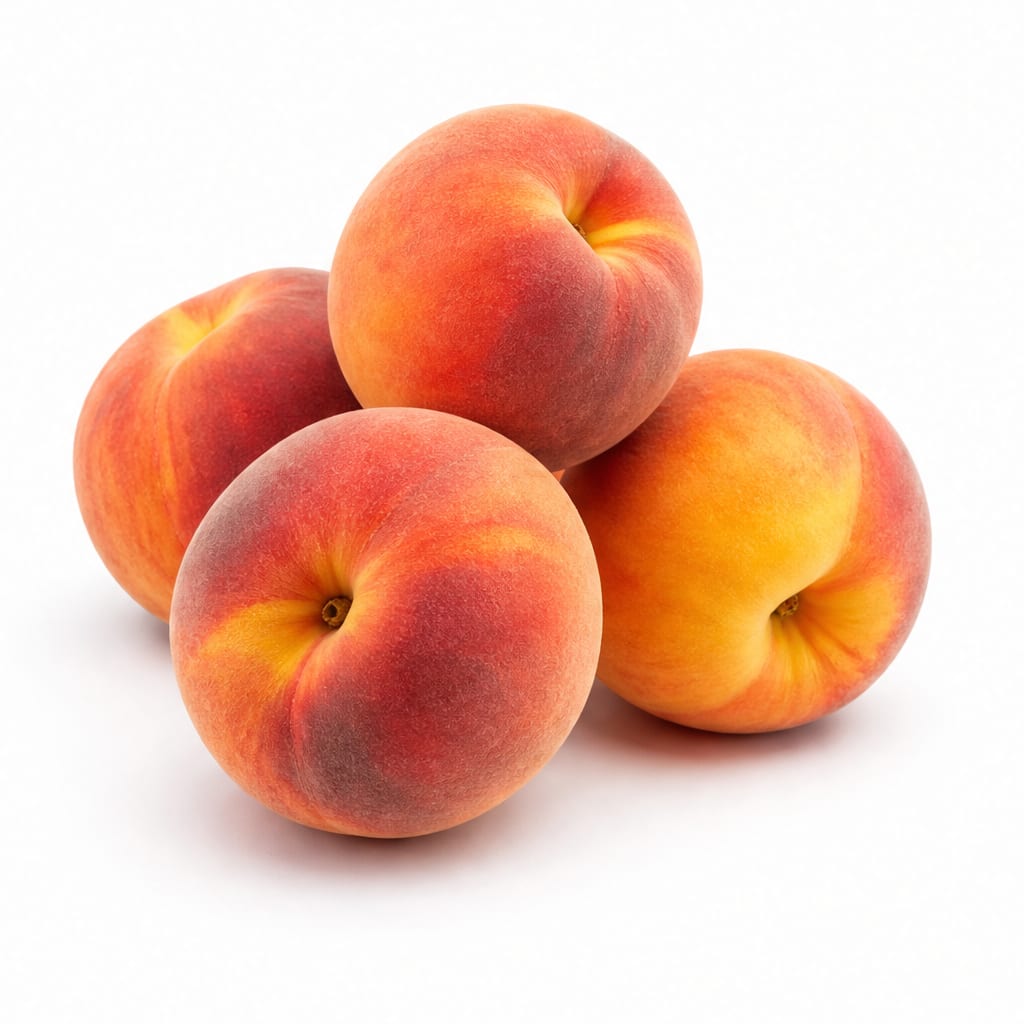
Compare with
Peaches
Peaches are lower in sugar and calories with a lower glycemic impact. Pineapple is richer in vitamin C and manganese.
Peaches are lower in sugar and better for blood sugar management, while pineapple provides more quick carbs and anti-inflammatory bromelain.
Common questions
FAQ
Answers aligned with how people search for this food.
Is pineapple good for weight loss?
Yes, pineapple is good for weight loss in moderation. It is low in calories and high in water, which helps with satiety, but its natural sugar content means portions should be managed.
Can diabetics eat pineapple?
Diabetics can eat pineapple, but portion control is essential. Pineapple has a medium glycemic index, so pairing it with protein or fat can help prevent rapid blood sugar spikes.
Does pineapple actually burn belly fat?
No specific food burns belly fat, including pineapple. While it is low in calories and contains bromelain, weight loss requires an overall calorie deficit.
Why does my mouth burn when I eat pineapple?
The burning sensation is caused by bromelain, an enzyme that breaks down proteins. It essentially begins digesting the mucosal lining of your mouth, which heals quickly once the enzyme is neutralized by stomach acid.
Is canned pineapple as healthy as fresh?
Fresh pineapple is healthier. Canned pineapple often contains added sugars in the form of heavy syrup, and the canning process destroys heat-sensitive bromelain and vitamin C.
Can you eat the core of a pineapple?
Yes, the core is edible and contains the highest concentration of bromelain. It is tougher and less sweet than the flesh, but can be blended or juiced.
Is pineapple high in sugar?
Pineapple contains about 10 grams of sugar per 100 grams, which is moderate to high compared to other fruits like berries, but lower than dates or grapes.
What are the benefits of bromelain?
Bromelain aids in protein digestion, reduces inflammation, and may help alleviate sinus congestion. It is concentrated in the core of the pineapple.
Transparency
Data confidence
Estimated confidence for nutrition data, interpretation, safety notes, and comparisons.
Nutrition data
Health analysis
Food safety
Comparisons