
Nutrition comparison
Pineapple vs Peaches: Nutrition, Sugar, and Digestion Compared
Which fruit is healthier? Compare Pineapple and Peaches on sugar content, digestion, vitamins, and weight loss to find the best fit for your diet.
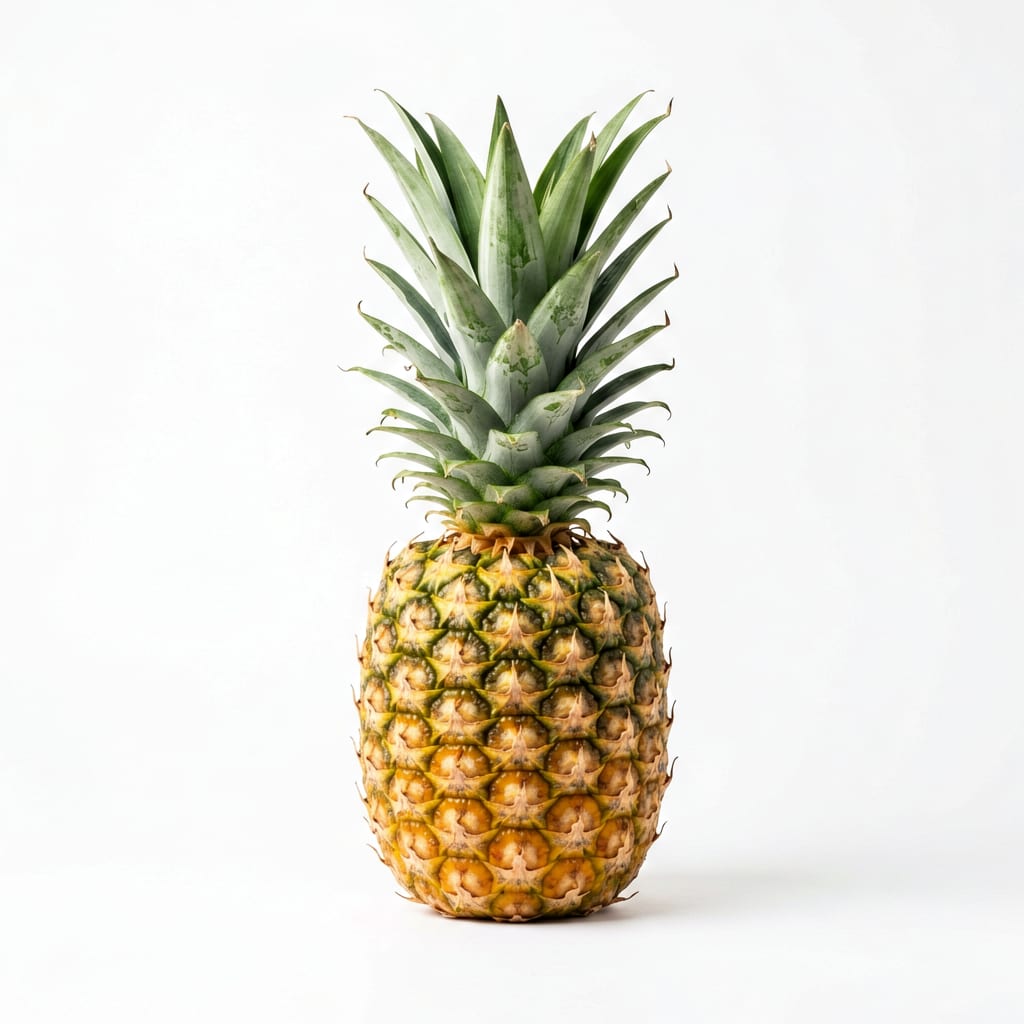
Pineapple
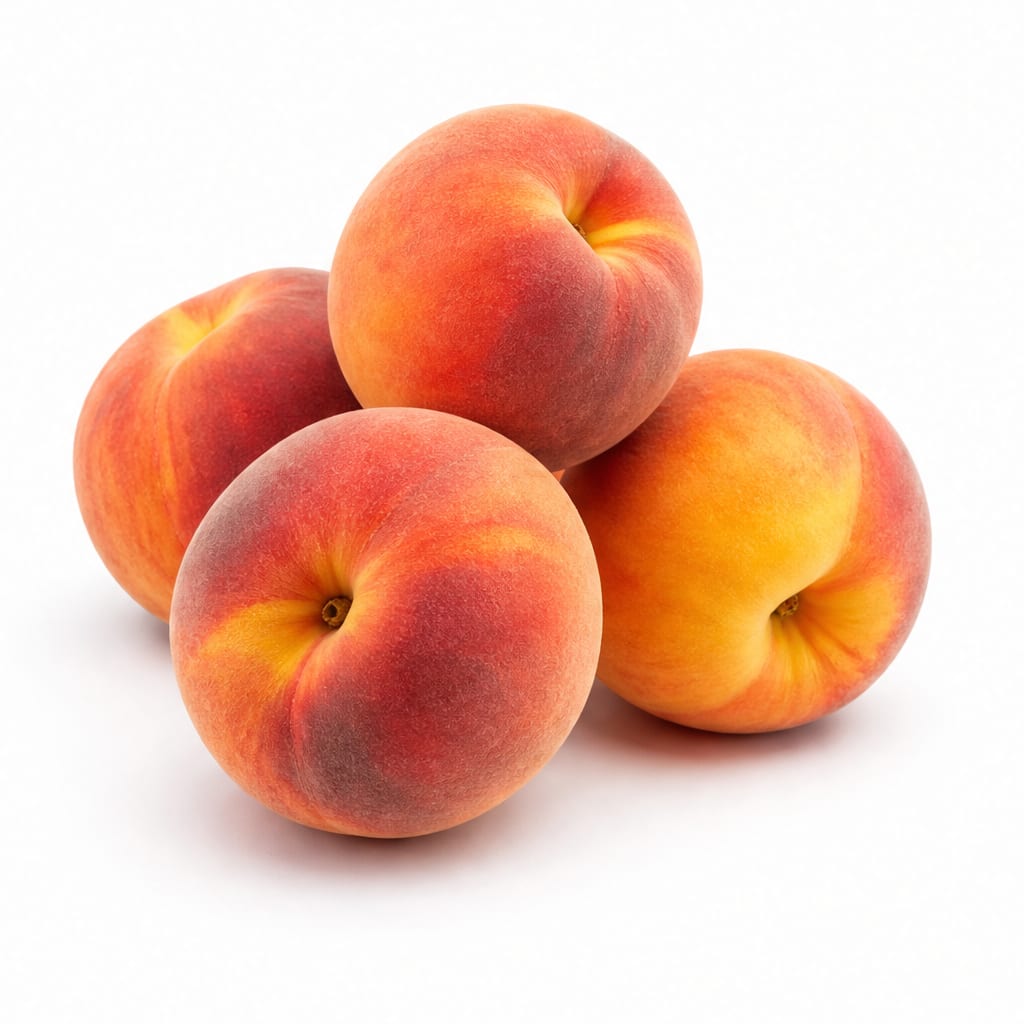
Peaches
Pineapple delivers a stronger vitamin and enzyme punch, but Peaches win for lower sugar, fewer calories, and gentler digestion.
Peaches score slightly higher due to broader digestive tolerance and lower sugar content, making them easier to eat daily. Pineapple is nutritionally potent but its acidity and sugar limit everyday practicality for some.
You trade digestive comfort and lower sugar for a major boost in vitamin C and anti-inflammatory enzymes.
At a glance
Executive summary
Overall
It depends
Healthier
It depends
More practical
Peaches
Daily use
Peaches
Key comparison lenses
Managing sugar intake from fruit
Pineapple is notably higher in sugar and glycemic index than Peaches, making this a key differentiator for weight and blood sugar goals.
Digestive sensitivity and comfort
Pineapple contains bromelain and high acidity which can irritate some stomachs, while Peaches are generally soothing and well-tolerated.
Vitamin C and immune support
Pineapple is a powerhouse for vitamin C, significantly outpacing Peaches, which matters for immune and skin health.
Best choice for
Pineapple
- People needing a post-meal digestive aid
- Those seeking high vitamin C intake
- Individuals wanting anti-inflammatory bromelain benefits
Peaches
- People managing blood sugar or weight
- Those with acid reflux or sensitive stomachs
- Anyone wanting a low-calorie, hydrating snack
Least suitable for
Pineapple
- People with severe acid reflux or GERD
- Those on strict low-sugar or keto diets
- Individuals prone to mouth sores or oral allergy syndrome
Peaches
- Those needing a high-vitamin C food source
- People looking for enzyme-rich foods to aid protein digestion
Deep comparison
Dimension by dimension
Each lens scores both foods and breaks down who each option suits.
- Dimension 1 · Priority 90Peaches
Blood Sugar & Sweetness Profile
Pineapple · 60Peaches · 85Peaches have significantly less sugar and a lower glycemic load, making them far steadier on blood sugar.
Tradeoff
Pineapple offers a more intense sweet flavor but comes with a sharper blood sugar rise that can trigger cravings later.
Why it matters
A fruit that spikes blood sugar less keeps you fuller longer and avoids the afternoon energy crash.
Real-world impact
Eating Peaches as a mid-morning snack feels light and satisfying, while Pineapple might leave you reaching for more food an hour later.
Pineapple
- Athletes needing quick carbs after a workout
Better for
- Diabetics managing glucose spikes
- Those prone to sugar crashes
Worse for
Peaches
- People trying to lose weight
- Those monitoring their blood sugar
Better for
- Endurance athletes needing rapid energy replenishment
Worse for
- Dimension 2 · Priority 85It depends
Digestive Comfort & Enzymes
Pineapple · 70Peaches · 88Pineapple contains bromelain, an enzyme that helps break down protein, but its high acidity irritates sensitive stomachs. Peaches are incredibly gentle and soothing.
Tradeoff
You get superior digestive enzymes with Pineapple, but at the risk of heartburn or mouth irritation that Peaches completely avoid.
Why it matters
If you have GERD or a sensitive stomach, the wrong fruit can ruin your afternoon with discomfort.
Real-world impact
Pineapple after a heavy meat meal can ease bloating, but eating it on an empty stomach might cause a burning sensation. Peaches are safe almost any time.
Pineapple
- People eating high-protein meals who need digestion support
- Those without acid reflux seeking gut benefits
Better for
- People with GERD or ulcers
- Those who experience mouth soreness from acidic foods
Worse for
Peaches
- Individuals with IBS or acid reflux
- Anyone with a sensitive stomach
Better for
- Those relying on fruit to aid heavy protein digestion
Worse for
- Dimension 3 · Priority 80Pineapple
Micronutrient Density
Pineapple · 90Peaches · 70Pineapple is a nutritional powerhouse, offering far more vitamin C and manganese than Peaches.
Tradeoff
You sacrifice some vitamin density when choosing Peaches, though they still provide decent potassium.
Why it matters
Vitamin C is crucial for immune function and skin health, and getting it from whole foods is always superior to supplements.
Real-world impact
A cup of Pineapple covers your entire daily vitamin C need, while you would need to eat several Peaches to achieve the same.
Pineapple
- Anyone fighting off a cold
- People wanting better skin and collagen support
Better for
- People avoiding high-acid vitamins on an empty stomach
Worse for
Peaches
- Those specifically looking to increase potassium for heart health
Better for
- Those relying on fruit as their primary vitamin C source
Worse for
- Dimension 4 · Priority 75Peaches
Calorie Efficiency & Satiety
Pineapple · 68Peaches · 84Peaches are lower in calories and often feel more filling per serving due to their lower sugar density.
Tradeoff
Pineapple is more calorie-dense and easier to overeat because of its intense sweetness, while Peaches naturally limit themselves.
Why it matters
When snacking, calories can add up fast before you feel full, especially with sweet fruits.
Real-world impact
You can eat two large Peaches for roughly the same calories as one and a half cups of Pineapple, but the Peaches will feel more substantial in your stomach.
Pineapple
- Active individuals needing higher calorie intake from clean sources
Better for
- Anyone strictly cutting calories
Worse for
Peaches
- People counting calories
- Those who struggle with portion control
Better for
- Underweight individuals needing calorie-dense whole foods
Worse for
Timeline
Health impact over time
Short-term
Hours to days
Pineapple
- Quick energy boost from natural sugars
- Potential mouth tingling or soreness from bromelain
- May trigger heartburn in susceptible individuals
Peaches
- Gentle, steady energy without a crash
- Soothing on the digestive tract
- Highly hydrating due to water content
Long-term
Months to years
Pineapple
- Stronger immune system from high vitamin C
- Improved joint health due to bromelain's anti-inflammatory properties
- Potential tooth enamel wear if consumed excessively due to acidity
Peaches
- Easier weight maintenance over time
- Better long-term blood sugar stability
- Support for heart health through potassium intake
Risk profile
Safety & processing
Both Pineapple and Peaches are whole, minimally processed fruits when purchased fresh or frozen. The main concern is canned varieties, which often pack them in heavy syrups loaded with added sugars.
Pineapple
Oral allergy syndrome or mouth irritation
mediumBromelain in Pineapple can cause a tingling or burning sensation in the mouth, which is uncomfortable but not dangerous for most people.
Acid reflux trigger
mediumThe high acidity can exacerbate GERD or heartburn symptoms in prone individuals.
Peaches
High pesticide residue
highPeaches consistently rank on the Dirty Dozen list due to high pesticide residue on their delicate skin; buying organic is strongly recommended.
Cyanogenic compounds in pit
lowThe pit contains a compound that releases cyanide when crushed, but this is easily avoided by not eating the hard pit.
Who wins for whom
Audience fit
Same foods, different winners depending on your goal.
children
PeachesPeaches are gentler on the mouth and stomach, making them a safer and more comfortable snack for kids, especially toddlers.
daily consumption
PeachesPeaches are less acidic and lower in sugar, making them a safer everyday staple that will not wear down tooth enamel or upset the stomach over time.
diabetes
PeachesPeaches have a lower glycemic index and less sugar, causing gentler blood sugar fluctuations compared to Pineapple.
elderly
PeachesPeaches are softer to chew, easier on aging digestive systems, and less likely to cause heartburn or mouth irritation.
muscle gain
PineapplePineapple provides more manganese for bone and joint support, and its quick carbs and bromelain can aid post-workout protein digestion and recovery.
weight loss
PeachesPeaches are lower in calories and sugar, making them a much easier fit into a calorie-controlled diet without triggering sugar cravings.
Your move
Decision guide
Choose Pineapple
- You want a powerful digestive enzyme to pair with heavy meals
- You need a major vitamin C boost for immune support
- You are an athlete needing quick-absorbing carbs post-workout
Choose Peaches
- You have acid reflux or a sensitive stomach
- You are watching your sugar or calorie intake
- You want a gentle, everyday fruit that is easy to snack on
Either works if
- You just want a healthy, whole-food dessert alternative
- You are mixing fruit into a protein smoothie with greens
Avoid both if
- You have a severe fructose intolerance
- You are on a strict ketogenic diet
Final recommendation
Keep Peaches as your daily go-to for a gentle, low-sugar snack, and use Pineapple strategically after heavy meals or when you need an immune boost. Both are excellent choices, but Peaches are more forgiving for everyday grazing.
Practical
Consumer tips
- 1
Always buy organic Peaches to avoid high pesticide exposure on their delicate skin.
- 2
Eat Pineapple after a protein-rich meal to leverage bromelain for better digestion and reduced bloating.
- 3
Pair either fruit with a handful of nuts or Greek yogurt to slow down sugar absorption and keep hunger at bay.
- 4
If fresh Pineapple makes your mouth sore, try grilling it lightly, which deactivates the bromelain and mellows the acidity.