
Nutrition comparison
Pineapple vs Banana: Nutrition, Sugar, and Health Benefits Compared
Which is healthier: Pineapple or Banana? Compare sugar content, vitamins, and the best times to eat each fruit for your health goals.
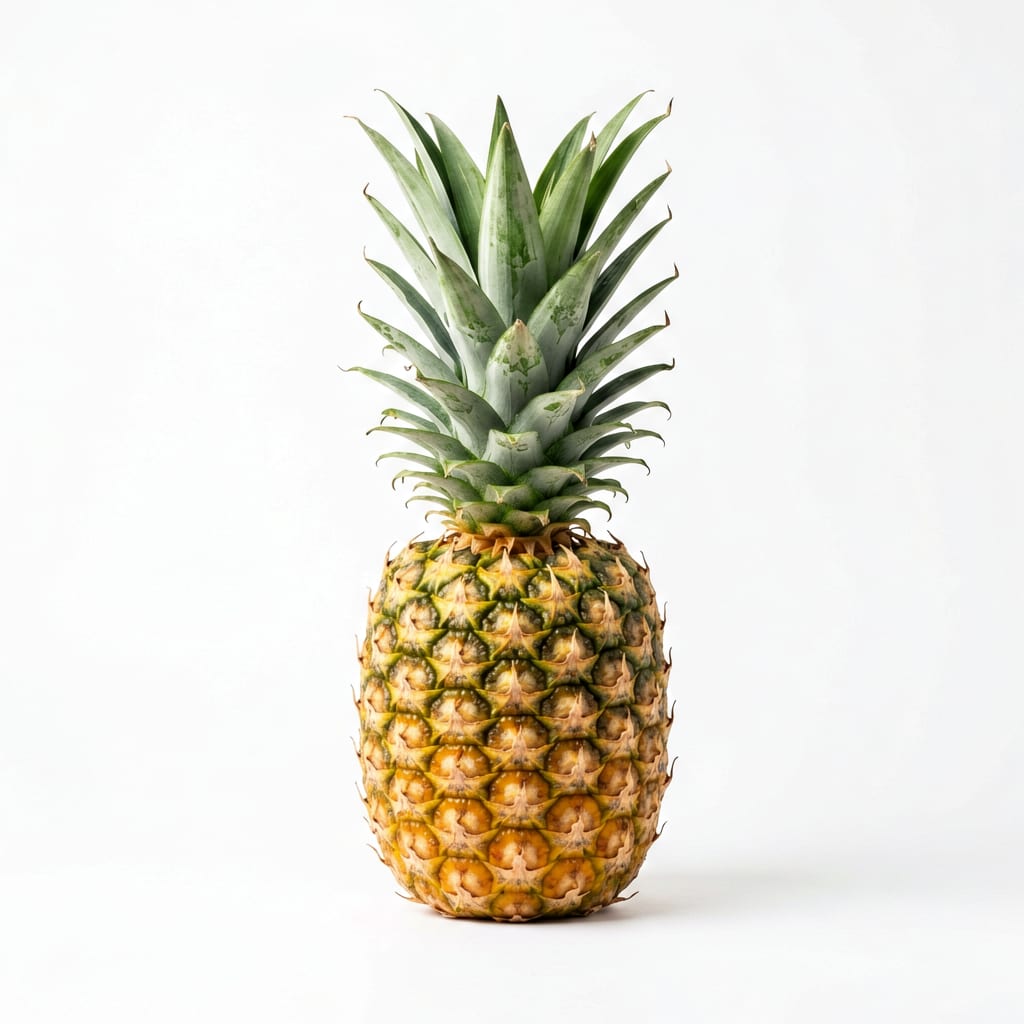
Pineapple
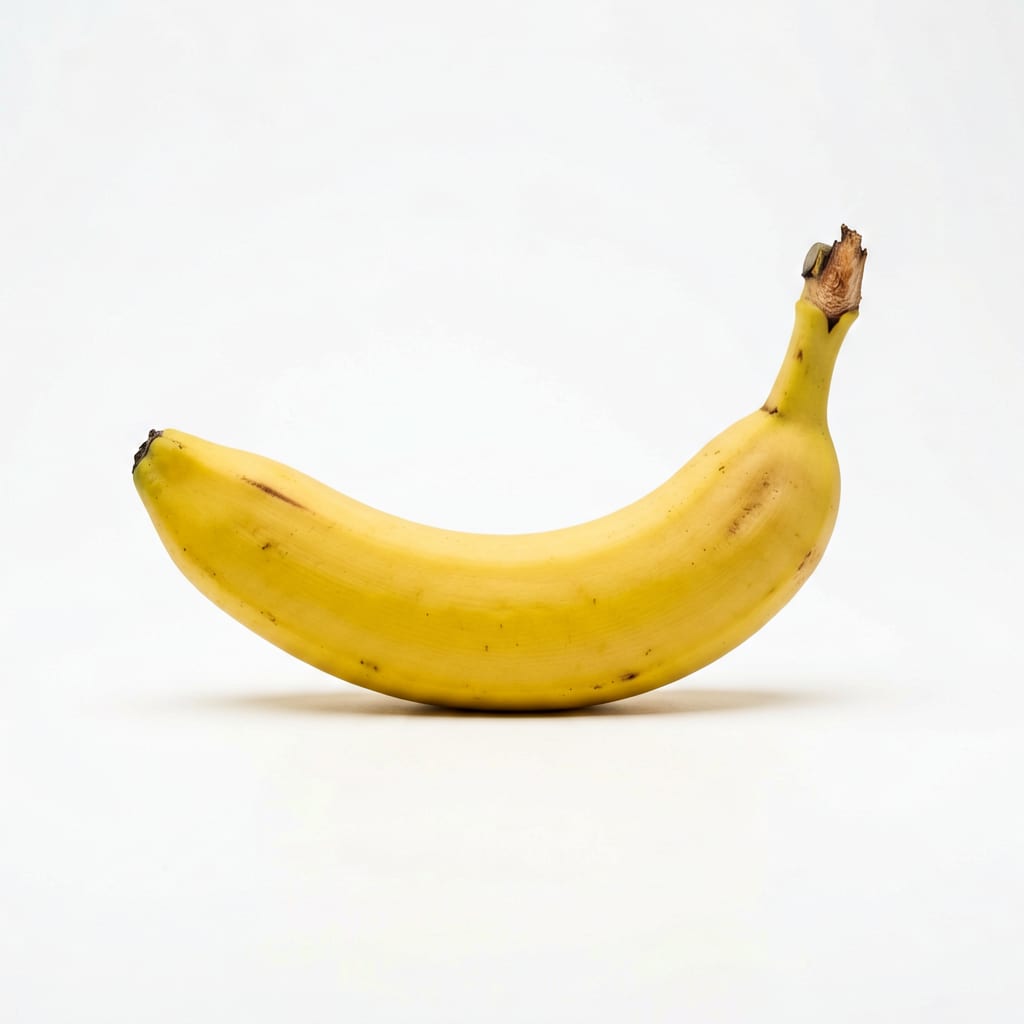
Banana
Banana is the ultimate convenient, filling fuel, while Pineapple is a vitamin C and digestion powerhouse that requires more prep.
Banana slightly edges out Pineapple due to superior convenience, satiety, and potassium benefits, though Pineapple wins on vitamin C and specific digestive enzymes.
You trade the portable, stomach-settling steadiness of a Banana for the anti-inflammatory, immune-boosting burst of Pineapple.
At a glance
Executive summary
Overall
It depends
Healthier
It depends
More practical
Banana
Daily use
Banana
Key comparison lenses
Blood sugar and sugar content comparison
Both are sweet fruits, but they affect blood sugar differently due to fiber types and sugar concentration.
Vitamin and mineral profile
Pineapple is famous for Vitamin C and manganese, while Banana is known for potassium and Vitamin B6.
Digestive health and tolerance
Pineapple contains bromelain for protein digestion, while Banana offers pectin for gut health, but both can cause issues for sensitive stomachs.
Convenience and snacking practicality
Banana is a grab-and-go staple, whereas Pineapple requires preparation and is messier to eat.
Best choice for
Pineapple
- Reducing inflammation and joint pain
- Boosting immune system before travel
- Aiding digestion after a heavy protein meal
Banana
- Quick pre-workout energy
- Preventing muscle cramps
- A filling on-the-go breakfast
Least suitable for
Pineapple
- People with acid reflux or mouth sores
- Those needing a portable, mess-free snack
- Strict low-carb dieters
Banana
- People managing severe blood sugar spikes
- Those with latex-fruit allergy syndrome
- Individuals trying to limit carbohydrate intake
Deep comparison
Dimension by dimension
Each lens scores both foods and breaks down who each option suits.
- Dimension 1 · Priority 90Banana
Blood Sugar & Energy
Pineapple · 65Banana · 75Banana provides steadier energy, especially if slightly green, while Pineapple causes a faster blood sugar rise.
Tradeoff
Pineapple offers a quicker energy spike but risks a crash, whereas Banana delivers longer-lasting fuel.
Why it matters
Choosing the right fruit prevents the afternoon energy slump and keeps cravings in check.
Real-world impact
Eating a Banana before a workout feels sustaining; Pineapple alone might leave you hungry again in 30 minutes.
Pineapple
- Quick carb-loading right before a short sprint
Better for
- Fasting or low-glycemic diets
Worse for
Banana
- Sustained energy for a long hike
- Avoiding the afternoon crash at your desk
Better for
- Severe insulin resistance when eaten fully ripe
Worse for
- Dimension 2 · Priority 85It depends
Nutrient Density
Pineapple · 82Banana · 80Pineapple is loaded with Vitamin C and manganese, while Banana dominates in potassium and Vitamin B6.
Tradeoff
You choose between immune and antioxidant support (Pineapple) or electrolyte and metabolic support (Banana).
Why it matters
Your daily nutrient gaps should dictate which fruit serves you better.
Real-world impact
Pineapple helps you fight off a cold, while Banana helps you recover from a sweaty workout.
Pineapple
- Fighting off a cold
- Supporting bone health and wound healing
Better for
- Those needing high potassium for cramp prevention
Worse for
Banana
- Preventing muscle cramps after exercise
- Supporting heart health and blood pressure regulation
Better for
- Those needing high Vitamin C for immunity
Worse for
- Dimension 3 · Priority 80It depends
Digestive Health
Pineapple · 78Banana · 78Pineapple contains bromelain to break down protein, while Banana offers pectin and resistant starch to feed gut bacteria.
Tradeoff
Pineapple helps you digest a heavy meal, but Banana is gentler on an upset stomach.
Why it matters
Eating the wrong fruit at the wrong time can cause bloating or discomfort.
Real-world impact
Pineapple after a steak dinner feels relieving; Banana is comforting when your stomach is already uneasy.
Pineapple
- Reducing bloating after a high-protein meal
Better for
- Eating on an empty stomach if prone to heartburn
Worse for
Banana
- Soothing an upset stomach
- Feeding beneficial gut bacteria with resistant starch
Better for
- Eating when severely constipated (can be binding if underripe)
Worse for
- Dimension 4 · Priority 75Banana
Convenience & Practicality
Pineapple · 40Banana · 95Banana comes in its own biodegradable wrapper and requires zero prep; Pineapple is messy and time-consuming to cut.
Tradeoff
You sacrifice high convenience for a juicier, more tropical flavor experience.
Why it matters
If a healthy snack isn't easy to grab, you're more likely to reach for junk food.
Real-world impact
Tossing a Banana in your gym bag is effortless; bringing Pineapple requires containers and utensils.
Pineapple
- Enjoying a leisurely fruit salad at home
Better for
- Busy mornings with no prep time
Worse for
Banana
- Commuting or traveling
- Eating at your desk without making a mess
Better for
- Recipes requiring a juicy, acidic fruit
Worse for
Timeline
Health impact over time
Short-term
Hours to days
Pineapple
- Quick burst of natural sugars for immediate energy
- Possible mouth or tongue irritation from bromelain enzymes
- Acidic sting if you have active mouth sores
Banana
- Rapid feeling of fullness and stomach settling
- Quick replenishment of electrolytes after sweating
- Steadier energy compared to juicier, higher-GI fruits
Long-term
Months to years
Pineapple
- Lower systemic inflammation due to bromelain and antioxidants
- Stronger immune defense from high Vitamin C intake
- Potential enamel erosion if consumed excessively due to acidity
Banana
- Better blood pressure management from consistent potassium intake
- Improved gut microbiome diversity from prebiotic fibers
- Stable energy habits reducing cravings for processed sweets
Risk profile
Safety & processing
Both Pineapple and Banana are whole, minimally processed foods when bought fresh. Watch out for canned Pineapple packed in heavy syrup, which adds refined sugar.
Pineapple
Mouth and tongue irritation
mediumBromelain enzymes literally digest the proteins on your tongue, causing a raw feeling if you eat too much.
Acid reflux trigger
mediumHigh acidity can trigger heartburn in susceptible individuals, especially when eaten on an empty stomach.
Banana
Latex-fruit syndrome allergy
mediumPeople with latex allergies may experience itching or swelling in the mouth from Banana proteins.
Migraine trigger
lowBananas contain tyramine, which can trigger migraines in highly sensitive individuals if overripe.
Who wins for whom
Audience fit
Same foods, different winners depending on your goal.
children
BananaBanana is sweeter, easier to chew, gentler on the stomach, and poses zero choking hazard compared to fibrous Pineapple chunks.
daily consumption
BananaBanana is easier on the teeth, less acidic, and far more convenient to integrate into a daily breakfast routine.
diabetes
It dependsA slightly green Banana has a lower glycemic index and resistant starch, but Pineapple has a lower glycemic load per typical serving. Both require portion control.
elderly
BananaBanana is soft, easy to digest, and its high potassium content supports heart health and blood pressure regulation in older adults.
muscle gain
BananaBanana provides easily digestible carbs for workout fuel and potassium to prevent cramping, making it a gym staple.
weight loss
PineapplePineapple has fewer calories per cup and more water content, making it less calorie-dense, though portion control is still needed due to sugar.
Your move
Decision guide
Choose Pineapple
- You want to reduce inflammation or joint pain
- You need a vitamin C boost to fight off a cold
- You are eating after a heavy protein meal and want digestive help
Choose Banana
- You need quick, portable pre-workout fuel
- You want a filling snack that stabilizes blood sugar
- You are prone to muscle cramps and need more potassium
Either works if
- You are craving a natural, whole-food sweet treat
- You want to blend a tropical fruit into a smoothie
Avoid both if
- You are on a strict ketogenic or very low-carb diet
- You need a high-protein snack to stay full
Final recommendation
Keep Bananas on the counter for daily, grab-and-go fuel and stomach-settling comfort. Buy a fresh Pineapple for weekends or post-heavy-meal digestion when you have time to prep and want an anti-inflammatory boost.
Practical
Consumer tips
- 1
Choose slightly green Bananas if you want lower sugar and more gut-friendly resistant starch.
- 2
Buy frozen Pineapple chunks to skip the messy cutting process and make smoothies easier.
- 3
Pair either fruit with a handful of nuts or a scoop of protein powder to prevent blood sugar spikes.
- 4
If Pineapple makes your tongue burn, soak the chunks in salt water for a minute before eating to neutralize the bromelain.