
Nutrition comparison
Pineapple vs Mango: Nutrition, Sugar, and Health Benefits Compared
Compare Pineapple and Mango to see which tropical fruit is healthier. Discover the differences in sugar, vitamins, digestion, and which is best for your diet.
Overall winner · Pineapple

Pineapple
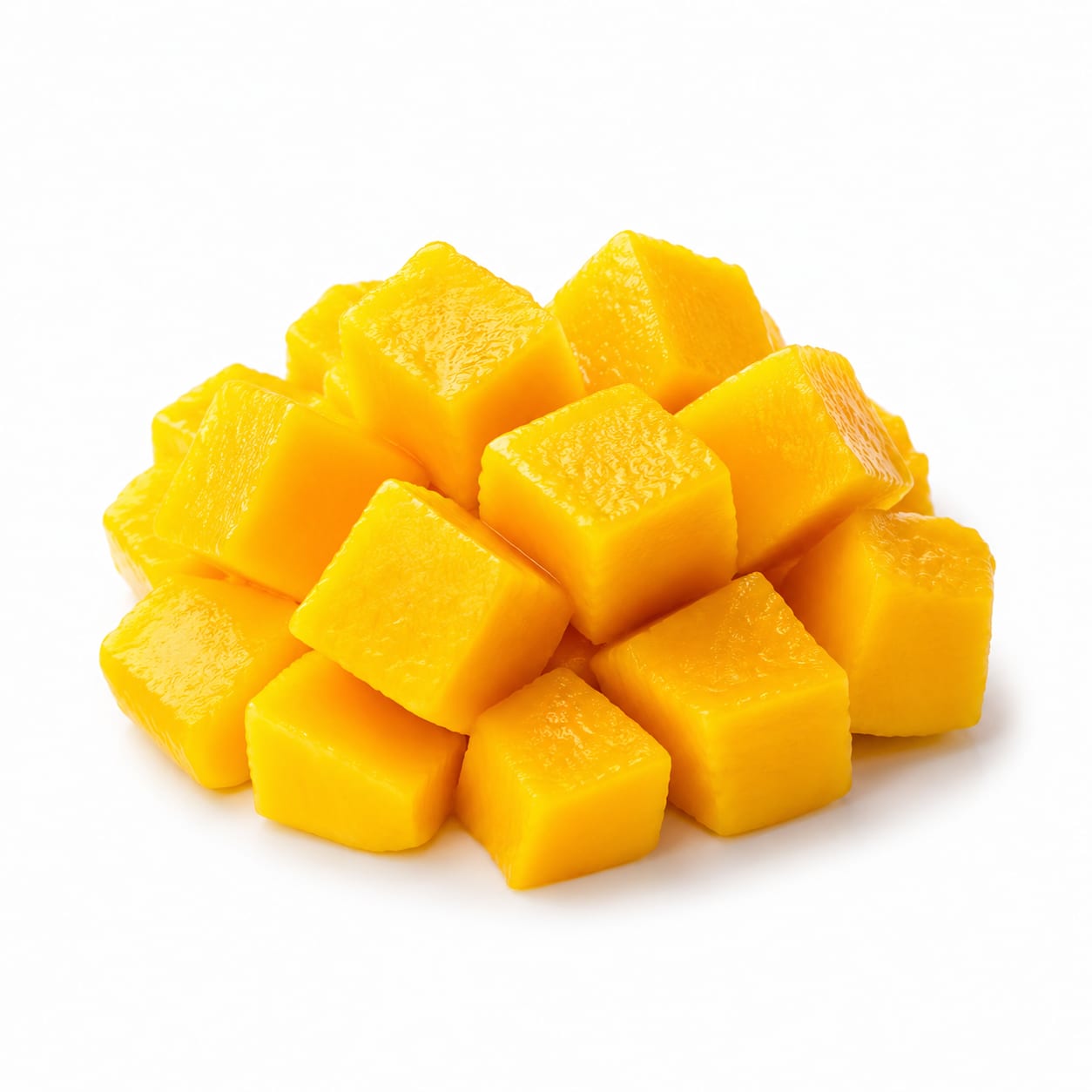
Mango
Pineapple edges out Mango due to its unique digestive enzymes, lower sugar content, and higher vitamin C density, though Mango remains an exceptional choice for vitamin A and palatability.
Pineapple scores slightly higher for its unique bromelain enzyme content and lower calorie density, but Mango is nutritionally competitive with its exceptional vitamin A richness.
Pineapple provides targeted digestion support and fewer calories, while Mango delivers superior vision-supporting vitamin A and a creamier, sweeter bite.
At a glance
Executive summary
Overall
Pineapple
Healthier
Pineapple
More practical
Mango
Daily use
Pineapple
Key comparison lenses
Digestive enzyme benefits
Pineapple contains bromelain, a unique protein-digesting enzyme that Mango lacks, making it a natural digestive aid.
Vitamin A vs Vitamin C prioritization
Mango is a powerhouse for vitamin A and folate, while Pineapple delivers significantly more vitamin C and manganese.
Blood sugar and sugar content management
Both are sweet tropical fruits, but Mango has a higher sugar content per serving, which impacts glucose differently.
Anti-inflammatory vs antioxidant needs
Pineapple offers targeted anti-inflammatory benefits via bromelain, whereas Mango provides broader antioxidant carotenoids.
Best choice for
Pineapple
- People seeking a natural digestive aid after heavy meals
- Those wanting to lower their sugar intake while enjoying tropical fruit
- Anyone needing an anti-inflammatory boost for joint health
Mango
- Those wanting a vitamin A boost for eye and skin health
- Parents preparing fruit for children who dislike acidic flavors
- Athletes needing quick, easily digestible pre-workout energy
Least suitable for
Pineapple
- People with severe acid reflux or stomach ulcers
- Those sensitive to mouth irritation from acidic fruits
Mango
- People strictly monitoring their carbohydrate or sugar intake
- Those with a poison ivy allergy handling unpeeled fruit
Deep comparison
Dimension by dimension
Each lens scores both foods and breaks down who each option suits.
- Dimension 1 · Priority 90Mango
Vitamin & Mineral Profile
Pineapple · 78Mango · 85Mango dominates in vitamin A and folate, while Pineapple leads in vitamin C and manganese.
Tradeoff
You trade Pineapple's immune-boosting vitamin C for Mango's vision-supporting vitamin A.
Why it matters
Vitamin A is harder to get from most fruits, making Mango uniquely valuable for eye and skin health.
Real-world impact
Eating Mango regularly can help with night vision and skin clarity, whereas Pineapple keeps your immune defenses and connective tissue strong.
Pineapple
- Immune support during cold season
- Connective tissue and bone health
Better for
- Those specifically needing a vitamin A boost
- Pregnant women seeking high folate
Worse for
Mango
- Eye health and night vision
- Skin repair and cell turnover
Better for
- Those needing a vitamin C surge
- People wanting manganese for bone density
Worse for
- Dimension 2 · Priority 88Pineapple
Digestive Health & Enzymes
Pineapple · 90Mango · 70Pineapple contains bromelain, a powerful enzyme that breaks down protein and reduces bloating.
Tradeoff
Pineapple actively helps digest other foods, while Mango mostly provides gentle fiber for regularity.
Why it matters
If you struggle with heavy meals or bloating, Pineapple acts as a natural digestive aid.
Real-world impact
Eating Pineapple after a steak dinner can significantly reduce that heavy, sluggish feeling.
Pineapple
- Post-meal digestion support
- Reducing bloating and gas
Better for
- People with stomach ulcers or severe acid reflux
- Those sensitive to acidic foods
Worse for
Mango
- Gentle daily regularity
- Soothing the digestive tract
Better for
- Those needing active protein digestion help
- People wanting immediate bloating relief
Worse for
- Dimension 3 · Priority 82Pineapple
Sugar Content & Blood Sugar
Pineapple · 72Mango · 65Pineapple has slightly less sugar per cup and a lower glycemic load than Mango.
Tradeoff
Mango tastes sweeter and provides quicker energy, but it spikes blood sugar a bit more.
Why it matters
For those monitoring their sugar intake, Pineapple offers a tropical flavor with less metabolic impact.
Real-world impact
A cup of Pineapple is easier on your blood sugar than a cup of Mango, making it a safer daily snack for diabetics.
Pineapple
- Managing daily sugar intake
- Diabetic-friendly fruit choices
Better for
- Those wanting maximum energy output before a workout
- People who find Pineapple too tart
Worse for
Mango
- Pre-workout quick energy
- Satisfying intense sweet cravings with natural sugar
Better for
- Strict low-carb dieters
- Those with severe insulin resistance
Worse for
- Dimension 4 · Priority 75Pineapple
Anti-Inflammatory Benefits
Pineapple · 88Mango · 75Bromelain in Pineapple is a clinically proven anti-inflammatory that rivals some supplements.
Tradeoff
Pineapple offers targeted inflammation reduction, while Mango provides general antioxidant protection.
Why it matters
Chronic inflammation drives joint pain and disease; Pineapple actively fights it beyond basic antioxidants.
Real-world impact
Eating Pineapple regularly can help take the edge off joint stiffness and post-workout muscle soreness.
Pineapple
- Joint pain and arthritis management
- Post-surgery swelling reduction
Better for
- Those taking blood thinners without doctor approval
- People with bleeding disorders
Worse for
Mango
- General cellular protection
- Skin aging defense from UV stress
Better for
- Those needing targeted joint pain relief
- People looking for acute inflammation reduction
Worse for
Timeline
Health impact over time
Short-term
Hours to days
Pineapple
- May cause tongue tingling or micro-cuts due to bromelain
- Refreshing, hydrating, and highly satiating
Mango
- Quick energy from natural sugars
- Very satisfying for intense sweet cravings
Long-term
Months to years
Pineapple
- Reduced systemic inflammation and joint pain
- Better wound healing and stronger immunity
Mango
- Improved vision health and eye moisture
- Healthier skin aging and cell turnover
Risk profile
Safety & processing
Both Pineapple and Mango are whole, unprocessed fruits with zero artificial additives when eaten fresh.
Pineapple
Bromelain mouth irritation
lowPineapple enzymes can cause a burning sensation or micro-cuts on the tongue if eaten in large amounts.
Mango
Urushiol skin dermatitis
mediumMango skin contains urushiol, the same oil as poison ivy, which can cause severe rashes when handling the unpeeled fruit.
Who wins for whom
Audience fit
Same foods, different winners depending on your goal.
children
MangoMango is sweeter, softer, and lacks the acidic bite that often makes Pineapple unappealing to kids.
daily consumption
PineapplePineapple provides more unique daily benefits like bromelain with less sugar, assuming you tolerate the acidity well.
diabetes
PineapplePineapple contains slightly less sugar per serving and has a marginally lower glycemic load than Mango.
elderly
MangoMango is softer to chew and gentler on the stomach, avoiding the acidic irritation Pineapple can cause.
muscle gain
It dependsNeither is a primary muscle-building food, though Mango offers slightly more quick carbs for post-workout glycogen replenishment.
weight loss
PineapplePineapple has fewer calories per cup and more water volume, making it more filling for fewer calories.
Your move
Decision guide
Choose Pineapple
- You want a low-calorie digestive aid after heavy meals
- You need to reduce inflammation or joint pain naturally
- You are watching your daily sugar intake but crave tropical flavor
Choose Mango
- You want a creamier, sweeter treat that feels like dessert
- You need more vitamin A for eye and skin health
- You are preparing fruit for children or someone with acid sensitivity
Either works if
- You just want a hydrating, whole-food tropical snack
- You are blending a smoothie and want a flavor upgrade
Avoid both if
- You are on a strict very-low-carb or keto diet
Final recommendation
Let your immediate needs guide you: grab Pineapple for digestion and anti-inflammatory benefits, or reach for Mango when you want sweeter, gentler energy with a massive vitamin A boost.
Practical
Consumer tips
- 1
Cut Mango away from the pit and avoid touching the skin if you have a poison ivy allergy.
- 2
Let Pineapple sit for a few minutes after cutting to let bromelain break down slightly, reducing tongue burn.
- 3
Pair either fruit with a protein source like Greek yogurt to prevent blood sugar spikes and stay full longer.