
Nutrition comparison
Pineapple vs Cantaloupe: Which Fruit Is Healthier for You?
Compare pineapple and cantaloupe on sugar, vitamins, digestion, and health benefits. Find out which fruit fits your goals better with this expert breakdown.
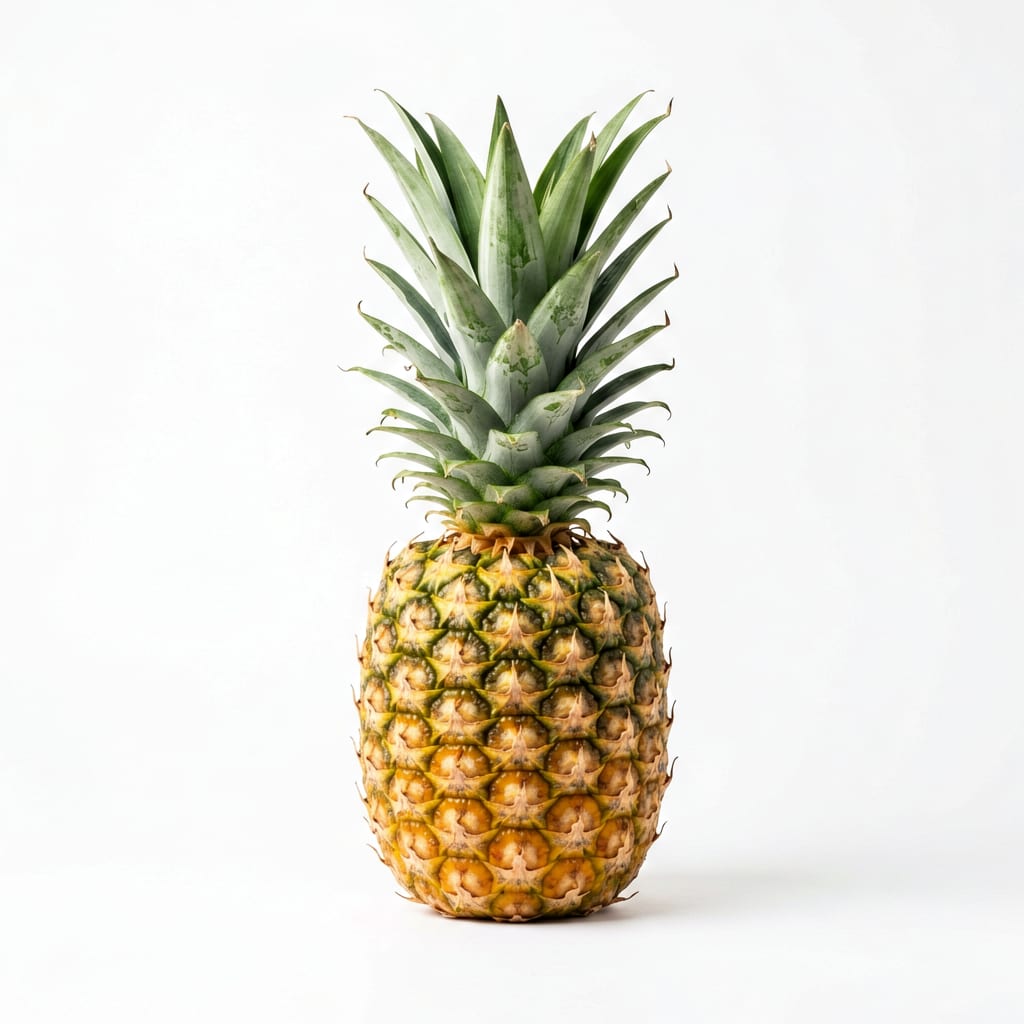
Pineapple
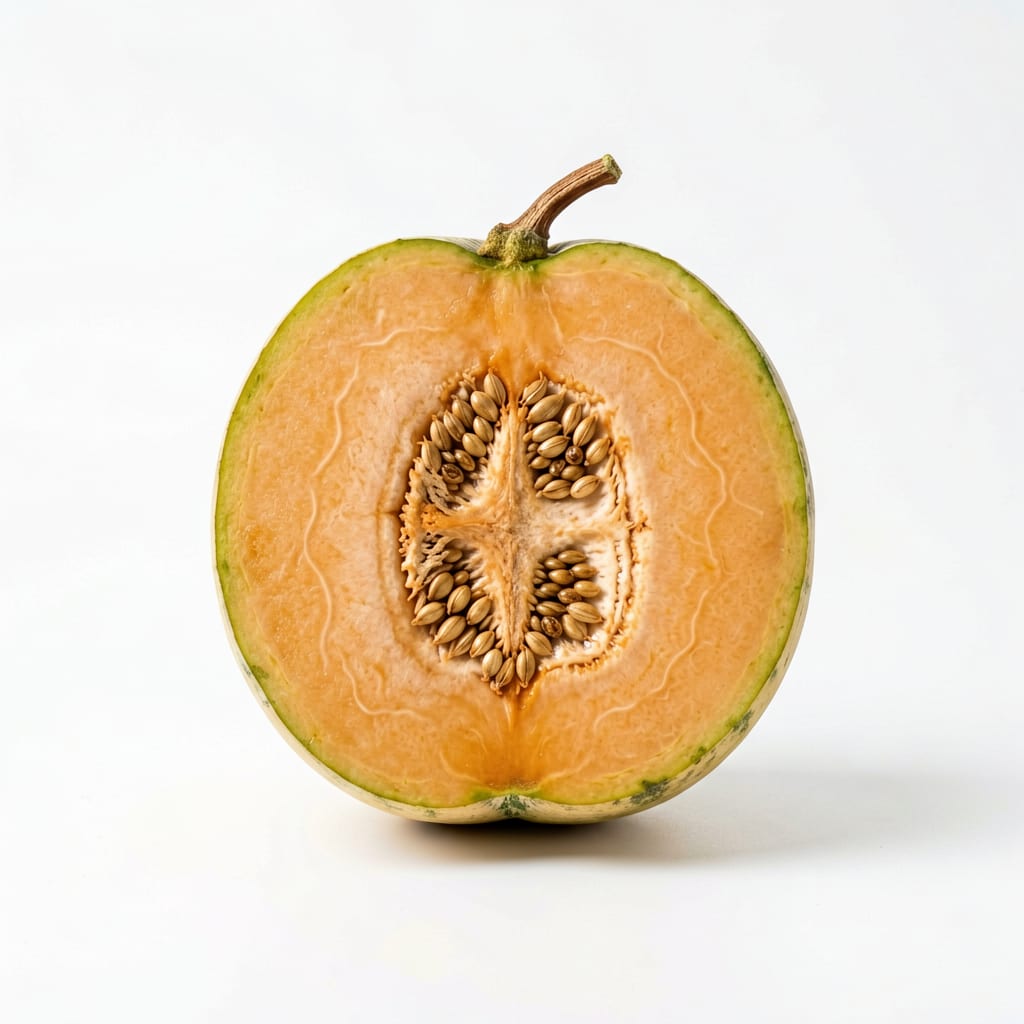
Cantaloupe
Pineapple wins on vitamin C and anti-inflammatory power, while cantaloupe wins on hydration, lower sugar, and easier digestion.
Cantaloupe edges ahead slightly due to lower sugar, better hydration, and broader daily usability. Pineapple's unique bromelain benefits are powerful but more situational, and its higher sugar and acidity limit everyday consumption for some people.
More immune and inflammation support from pineapple versus fewer calories and gentler digestion from cantaloupe.
At a glance
Executive summary
Overall
It depends
Healthier
It depends
More practical
Cantaloupe
Daily use
Cantaloupe
Key comparison lenses
sugar and blood sugar management
Both are sweet fruits but differ significantly in sugar load and glycemic impact, a top concern for most users comparing tropical fruits
vitamin priority
Pineapple delivers heavy vitamin C while cantaloupe dominates in vitamin A, making this a classic nutrient tradeoff
digestive tolerance
Pineapple's bromelain enzyme aids digestion but can irritate sensitive mouths and stomachs, while cantaloupe is gentler
hydration and lightness
Cantaloupe's higher water content makes it a refreshing low-calorie choice, especially in hot weather or after exercise
anti inflammatory benefits
Bromelain gives pineapple a unique anti-inflammatory edge that cantaloupe cannot match
Best choice for
Pineapple
- Immune system support during cold season
- Post-surgery recovery or injury healing
- Digestive enzyme support with heavy meals
- Anti-inflammatory needs like joint stiffness
- Tropical flavor craving satisfaction
Cantaloupe
- Weight management and calorie counting
- Hot weather hydration and refreshment
- Blood sugar conscious snacking
- Gentle digestion for sensitive stomachs
- Vitamin A and skin health focus
Least suitable for
Pineapple
- People with acid reflux or GERD
- Strict low-sugar diets
- Those with oral allergy syndrome or mouth sensitivity
- Late-night snacking due to acidity
Cantaloupe
- Those needing high vitamin C intake
- People seeking anti-inflammatory food therapy
- Anyone wanting strong tropical flavor intensity
Deep comparison
Dimension by dimension
Each lens scores both foods and breaks down who each option suits.
- Dimension 1 · Priority 90Cantaloupe
sugar_and_blood_sugar
Pineapple · 55Cantaloupe · 78Cantaloupe has meaningfully less sugar per serving and a lower glycemic load, making it the safer bet for steady energy.
Tradeoff
Pineapple tastes sweeter and more satisfying but spikes blood sugar more sharply, especially on an empty stomach.
Why it matters
If you are watching blood sugar, managing weight, or prone to afternoon energy crashes, cantaloupe is the easier choice.
Real-world impact
A bowl of cantaloupe feels light and won't leave you hungry 30 minutes later. Pineapple can trigger a quicker sugar rush followed by a dip.
Pineapple
- Pre-workout quick energy
Better for
- Fasting or low-carb eating windows
- Blood sugar sensitive individuals
Worse for
Cantaloupe
- Steady afternoon snacking
- Diabetes-friendly fruit option
- Weight loss calorie control
Better for
- Situations where quick carbohydrate energy is desired
Worse for
- Dimension 2 · Priority 85It depends
vitamin_profile
Pineapple · 82Cantaloupe · 80Pineapple is a vitamin C powerhouse while cantaloupe is a vitamin A champion. They serve completely different nutritional purposes.
Tradeoff
You choose between immune defense (vitamin C) or skin and eye health (vitamin A). Both are important but serve different body systems.
Why it matters
Your current health priorities should drive this choice. Fighting colds? Pineapple. Supporting skin and vision? Cantaloupe.
Real-world impact
One cup of pineapple covers over 100% of daily vitamin C. One cup of cantaloupe covers over 100% of daily vitamin A. Both are excellent at their specialty.
Pineapple
- Cold and flu season immune support
- Wound healing and collagen production
- Iron absorption enhancement when eaten with iron-rich foods
Better for
- Situations where vitamin A is the priority nutrient
Worse for
Cantaloupe
- Skin health and anti-aging routines
- Eye health and night vision support
- Sun damage recovery and skin repair
Better for
- When immune support is the immediate goal
Worse for
- Dimension 3 · Priority 80Cantaloupe
digestive_tolerance
Pineapple · 58Cantaloupe · 85Cantaloupe is one of the gentlest fruits on the digestive system. Pineapple's bromelain enzyme is a double-edged sword.
Tradeoff
Pineapple helps break down protein and aids heavy meal digestion but can irritate sensitive stomachs and cause mouth soreness.
Why it matters
If you have acid reflux, IBS, or mouth sensitivity, cantaloupe is much safer. Pineapple is therapeutic but not for everyone.
Real-world impact
Eating too much pineapple can make your tongue burn and your stomach churn. Cantaloupe almost never causes these issues.
Pineapple
- Digestive enzyme support after heavy protein meals
- Bloating relief from slow digestion
Better for
- GERD and acid reflux sufferers
- People with oral allergy syndrome
- Those with stomach ulcers
Worse for
Cantaloupe
- Sensitive stomachs and acid reflux
- Gentle morning fruit on an empty stomach
- Post-workout rehydration without irritation
Better for
- Situations where active digestive enzyme support is needed
Worse for
- Dimension 4 · Priority 75Cantaloupe
hydration_and_calorie_density
Pineapple · 60Cantaloupe · 88Cantaloupe is over 90% water and packs fewer calories per cup, making it the ultimate light and hydrating fruit.
Tradeoff
Pineapple is more calorie-dense and less hydrating but offers more flavor intensity per bite.
Why it matters
For hot days, post-exercise rehydration, or when you want volume without calories, cantaloupe is clearly superior.
Real-world impact
You can eat a large bowl of cantaloupe for under 60 calories. The same volume of pineapple costs nearly double.
Pineapple
- When you want richer flavor in a smaller portion
Better for
- Calorie-restricted eating where volume matters
Worse for
Cantaloupe
- Summer hydration and heat relief
- Large volume snacking without calorie overload
- Post-workout refreshment
Better for
- When calorie density and satiety per bite are preferred
Worse for
- Dimension 5 · Priority 70Pineapple
anti_inflammatory_and_therapeutic_value
Pineapple · 88Cantaloupe · 55Pineapple's bromelain is a clinically-studied anti-inflammatory compound that gives it unique therapeutic value beyond basic nutrition.
Tradeoff
Cantaloupe offers solid baseline nutrition but lacks any standout therapeutic compound like bromelain.
Why it matters
For joint pain, post-surgery recovery, sinus issues, or chronic inflammation, pineapple functions almost like a mild natural supplement.
Real-world impact
Regular pineapple consumption can meaningfully reduce joint stiffness and swelling. Cantaloupe simply does not offer this benefit.
Pineapple
- Arthritis and joint inflammation
- Post-surgical recovery and bruising
- Sinus congestion and respiratory inflammation
- Sports injury recovery
Better for
- People on blood thinners should consult a doctor due to bromelain effects
Worse for
Cantaloupe
- General healthy eating without specific therapeutic goals
Better for
- Anyone seeking food-based anti-inflammatory therapy
Worse for
Timeline
Health impact over time
Short-term
Hours to days
Pineapple
- Quick energy boost from natural sugars
- Possible tongue or mouth tingling from bromelain
- Acidic sensation that can trigger heartburn in sensitive people
- Immediate digestive aid if eaten with protein-heavy meals
Cantaloupe
- Refreshing hydration and thirst relief
- Gentle on stomach with almost no irritation risk
- Mild blood sugar rise without sharp crash
- Light satisfying feeling without heaviness
Long-term
Months to years
Pineapple
- Reduced chronic inflammation from regular bromelain intake
- Stronger immune function from high vitamin C
- Potential dental enamel wear from frequent acid exposure
- Better wound healing and collagen maintenance
Cantaloupe
- Improved skin health and UV protection from beta carotene
- Better eye health and reduced macular degeneration risk
- Easier weight maintenance from low calorie density
- Consistent hydration supporting kidney and digestive health
Risk profile
Safety & processing
Both pineapple and cantaloupe are whole fresh fruits with no processing concerns. The only consideration is canned pineapple in syrup, which adds significant sugar and should be avoided in favor of fresh or juice-packed versions.
Pineapple
Pesticide residue
mediumPineapple's thick skin reduces pesticide exposure to edible flesh significantly, making it a lower-risk tropical fruit even in conventional form.
Oral irritation from bromelain
mediumBromelain can cause burning, tingling, or soreness in the mouth and tongue, especially with large portions or underripe fruit.
Allergic cross-reactivity
lowSome people with latex allergies experience cross-reactivity with pineapple due to similar proteins.
Cantaloupe
Surface contamination from rind
highCantaloupe rinds harbor bacteria including Salmonella. Always wash the exterior thoroughly before cutting to prevent knife contamination of the flesh.
Listeria risk in pre-cut portions
mediumPre-cut cantaloupe has been linked to listeria outbreaks. Whole melons cut at home are significantly safer.
Pesticide residue
mediumCantaloupe appears on the EWG's Clean Fifteen list, meaning conventional options have relatively low pesticide concerns.
Who wins for whom
Audience fit
Same foods, different winners depending on your goal.
children
CantaloupeCantaloupe's mild sweetness, soft texture, and lack of mouth irritation make it more kid-friendly. Pineapple's acidity can bother young children's mouths.
daily consumption
CantaloupeCantaloupe's lower sugar, gentler digestion, and hydration benefits make it more sustainable as a daily fruit without accumulating downsides.
diabetes
CantaloupeCantaloupe's lower glycemic load and sugar content make it the safer choice for blood sugar management, though both should be portion-controlled.
elderly
CantaloupeCantaloupe is easier to chew, gentler on aging digestive systems, and provides vitamin A for eye health which is a common elderly concern.
muscle gain
It dependsNeither fruit is a muscle-building food. Pineapple's bromelain may slightly help with post-workout inflammation recovery, but the difference is minimal.
weight loss
CantaloupeCantaloupe provides more volume per calorie, less sugar, and better hydration, making it easier to eat generously without overshooting daily targets.
Your move
Decision guide
Choose Pineapple
- You want immune support during cold and flu season
- You need anti-inflammatory benefits for joints or injury recovery
- You are eating a heavy protein meal and want digestive help
- You crave bold tropical flavor and find mild fruit unsatisfying
- You are not sensitive to acidic foods
Choose Cantaloupe
- You are managing weight or counting calories
- You want a refreshing hydrating snack especially in warm weather
- You have acid reflux, sensitive stomach, or mouth irritation issues
- You are focused on skin health and vitamin A intake
- You want a daily fruit that is easy to eat without side effects
Either works if
- You simply want a nutritious whole fruit snack
- You are meal prepping fruit salads or breakfast bowls
- You are rotating fruits for dietary variety
Avoid both if
- You are on a strict very-low-carb or ketogenic diet
- You have fructose intolerance or malabsorption
- You are limiting all fruit sugar for a specific medical protocol
Final recommendation
For most people eating fruit daily, cantaloupe is the easier and more sustainable choice. But if you specifically want anti-inflammatory benefits or immune support, pineapple is worth the tradeoffs. The smartest approach is rotating both to get the full spectrum of vitamin C, vitamin A, bromelain, and hydration benefits across the week.
Practical
Consumer tips
- 1
Always wash cantaloupe rind thoroughly with running water and a brush before cutting to prevent bacterial transfer to the flesh
- 2
Choose whole cantaloupe over pre-cut to significantly reduce listeria risk
- 3
If pineapple makes your mouth sore, try grilling it briefly to deactivate some bromelain
- 4
Canned pineapple should be packed in juice not heavy syrup to avoid massive added sugar
- 5
Ripe cantaloupe should feel heavy for its size and smell sweet at the stem end
- 6
Pineapple does not ripen further after picking, so choose one that already smells sweet at the base
- 7
Freeze pineapple chunks for a naturally sweet hot-weather treat that lasts months
- 8
Pair either fruit with a protein source like Greek yogurt to slow sugar absorption and stay full longer