
Nutrition comparison
Pineapple vs Apple: Which Fruit Is Better for You?
Compare pineapple and apple on nutrition, blood sugar impact, vitamin C, fiber, and daily practicality. Find out which fruit fits your health goals better.

Pineapple
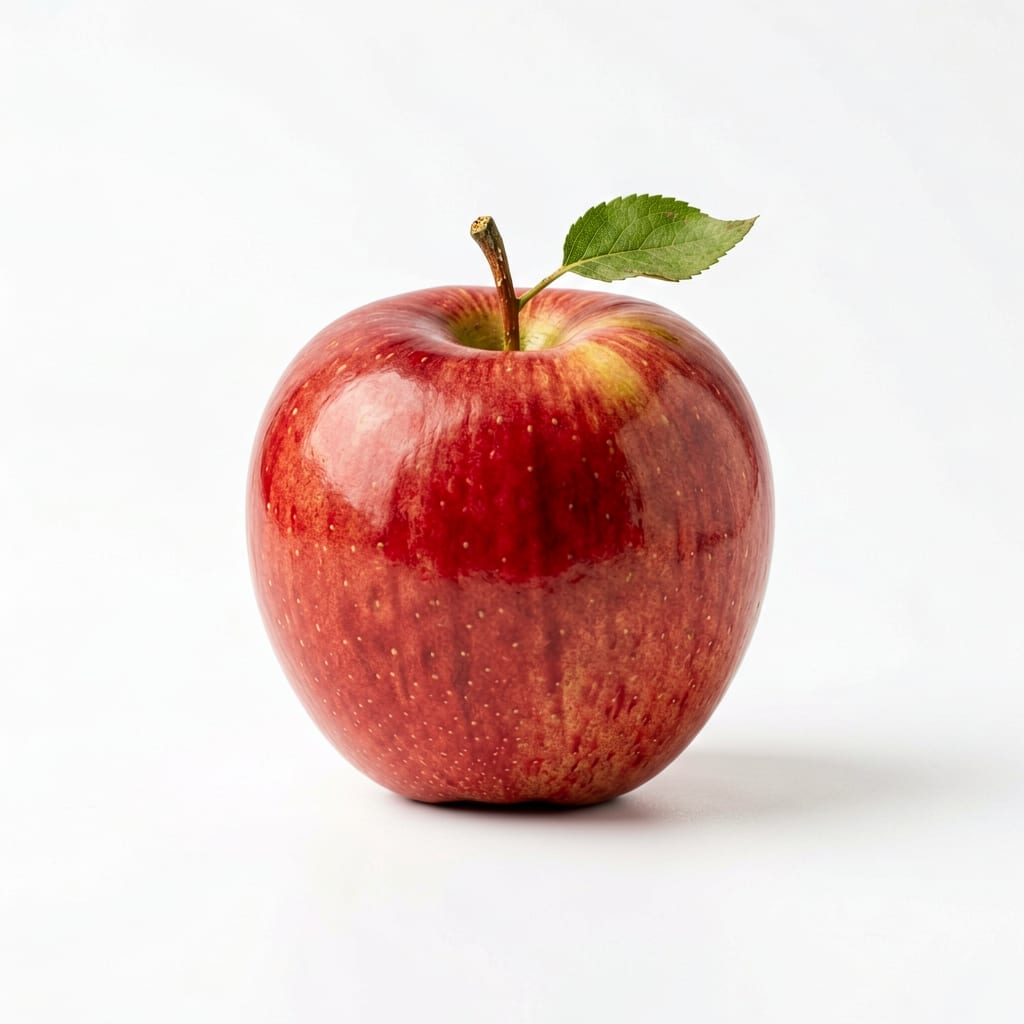
Apple
Apples win for everyday reliability and steadier energy; pineapples win for vitamin C and anti-inflammatory benefits but demand more digestive caution.
Apples score higher for daily sustainability, blood sugar stability, and digestive tolerance. Pineapples score well for micronutrients and therapeutic enzymes but lose ground on sugar impact and convenience. The gap is moderate because both are genuinely healthy whole foods.
Pineapple delivers far more vitamin C and unique enzymes but hits your blood sugar harder and can irritate your mouth or stomach. Apples provide steadier energy, more fiber, and easier daily eating.
At a glance
Executive summary
Overall
It depends
Healthier
It depends
More practical
Apple
Daily use
Apple
Key comparison lenses
blood sugar management
Both fruits carry meaningful sugar loads but affect blood sugar differently due to fiber and glycemic differences
daily snacking sustainability
Users choosing between these fruits are often deciding what to eat daily, so convenience and tolerance matter
vitamin and antioxidant intake
Pineapple is a vitamin C powerhouse while apples offer different polyphenols, making this a key tradeoff
digestive comfort
Pineapple's bromelain and acidity can irritate sensitive stomachs, while apples are generally gentler
weight management
Calorie density and satiety differ enough to influence weight-related decisions
Best choice for
Pineapple
- Immune support during cold season
- Anti-inflammatory needs like joint stiffness
- Post-meal digestive aid
- Athletes needing quick carb replenishment
- Anyone low on vitamin C
Apple
- Steady all-day snacking without crashes
- Blood sugar management
- Weight loss or calorie control
- Sensitive stomachs or acid reflux
- On-the-go portable nutrition
Least suitable for
Pineapple
- People with acid reflux or GERD
- Anyone managing diabetes carefully
- Those with oral allergy or mouth sensitivity
- People prone to heartburn
Apple
- Anyone needing high vitamin C intake
- People seeking anti-inflammatory enzymes
- Those wanting tropical flavor variety
Deep comparison
Dimension by dimension
Each lens scores both foods and breaks down who each option suits.
- Dimension 1 · Priority 92Apple
blood sugar stability
Pineapple · 55Apple · 78Apples release sugar more slowly thanks to higher fiber and a lower glycemic load. Pineapple spikes blood sugar faster.
Tradeoff
Pineapple gives you quicker energy but at the cost of a sharper rise and fall. Apples keep you on a more even keel.
Why it matters
If you're managing diabetes, prediabetes, or just trying to avoid afternoon energy crashes, this difference is significant.
Real-world impact
A pineapple snack at 2pm may leave you hungry again by 3pm. An apple is more likely to hold you over until dinner.
Pineapple
- Quick pre-workout fuel
- Recovery after intense exercise
Better for
- Late-night snacking
- Fasting blood sugar management
Worse for
Apple
- Sustained energy between meals
- Diabetes-friendly snacking
- Avoiding the 3pm crash
Better for
- Immediate energy replenishment
Worse for
- Dimension 2 · Priority 88Pineapple
vitamin and mineral density
Pineapple · 85Apple · 58Pineapple delivers dramatically more vitamin C and meaningful manganese. Apples offer decent polyphenols but fall short on vitamins.
Tradeoff
You get far more immune-supporting nutrients from pineapple, but apples contribute different antioxidants that support heart health over time.
Why it matters
If you're not eating many vitamin C sources, pineapple fills that gap efficiently. One cup covers your entire daily need.
Real-world impact
Eating pineapple a few times a week can meaningfully reduce your need for other vitamin C sources. Apples alone won't do that.
Pineapple
- Immune system support
- Collagen production and skin health
- Manganese for bone strength
Better for
- Those already supplementing high-dose vitamin C
Worse for
Apple
- Quercetin for long-term heart health
- Consistent low-level antioxidant intake
Better for
- Anyone relying on fruit as a primary vitamin C source
Worse for
- Dimension 3 · Priority 82Apple
digestive comfort and tolerance
Pineapple · 52Apple · 80Pineapple's acidity and bromelain enzymes can irritate mouths, tongues, and stomachs. Apples are generally well-tolerated and gentle.
Tradeoff
Bromelain helps break down protein and reduces inflammation, but it can also make your tongue burn and worsen reflux. Apples lack this therapeutic enzyme but also lack the irritation.
Why it matters
If you have GERD, acid sensitivity, or oral allergy syndrome, pineapple can be genuinely uncomfortable. Apples rarely cause these issues.
Real-world impact
That tingling tongue after eating fresh pineapple? That's bromelain literally breaking down tissue. Some people find it intolerable.
Pineapple
- Post-meal protein digestion aid
- Reducing sinus or joint inflammation
Better for
- Mouth and tongue sensitivity
- GERD and heartburn sufferers
- Oral allergy syndrome
Worse for
Apple
- Acid reflux and GERD management
- Gentle on sensitive stomachs
- Safe for most food allergies
Better for
- Those wanting digestive enzyme support
Worse for
- Dimension 4 · Priority 78Apple
satiety and fullness
Pineapple · 58Apple · 80Apples keep you fuller longer due to more fiber and slower digestion. Pineapple is less filling despite being sweeter.
Tradeoff
Pineapple tastes more satisfying in the moment but leaves you hungry sooner. Apples are less exciting but actually do the job of holding you over.
Why it matters
For weight management or long gaps between meals, satiety per calorie matters more than flavor intensity.
Real-world impact
An apple at 10am can reasonably get you to lunch. A bowl of pineapple at 10am often leaves you reaching for something else by 11am.
Pineapple
- Quick satisfying sweetness
Better for
- Portion control challenges
- Mindless overeating due to low satiety
Worse for
Apple
- Bridging long gaps between meals
- Reducing overall calorie intake
- Preventing overeating later
Better for
- Those wanting intense flavor reward
Worse for
- Dimension 5 · Priority 75Apple
convenience and practicality
Pineapple · 45Apple · 90Apples are grab-and-go with no prep needed. Pineapple requires cutting, creates mess, and spoils quickly once opened.
Tradeoff
Pineapple rewards you with tropical flavor and juiciness but demands effort and planning. Apples are always ready.
Why it matters
The best healthy food is the one you actually eat. Convenience often determines whether a fruit becomes a habit or a rare treat.
Real-world impact
Tossing an apple in your bag takes two seconds. Preparing pineapple means sticky hands, a cutting board, and storing leftovers that go bad in days.
Pineapple
- Home meal prep and smoothies
- Entertaining and fruit platters
Better for
- Busy mornings
- Office snacking
- Travel food
Worse for
Apple
- Commuting and work snacks
- Backpacking and travel
- Minimal prep lifestyles
Better for
- Culinary variety seekers
Worse for
- Dimension 6 · Priority 72Pineapple
anti-inflammatory potential
Pineapple · 82Apple · 65Bromelain in pineapple is a well-studied anti-inflammatory compound. Apples offer quercetin but at lower effective doses.
Tradeoff
Pineapple's bromelain is potent enough that it's sold as a supplement. Apple's quercetin is beneficial but more subtle and cumulative.
Why it matters
For chronic inflammation, joint pain, or post-surgery recovery, pineapple offers a genuinely therapeutic food option.
Real-world impact
People with arthritis or sinus issues often notice real improvement eating fresh pineapple regularly. Apple benefits are real but harder to feel directly.
Pineapple
- Joint stiffness and arthritis
- Post-surgical recovery
- Sinus inflammation
- Sports injury recovery
Better for
- Those who can't tolerate the acidity
Worse for
Apple
- Long-term cardiovascular inflammation reduction
- Chronic low-grade inflammation prevention
Better for
- Acute inflammatory conditions needing faster relief
Worse for
Timeline
Health impact over time
Short-term
Hours to days
Pineapple
- Quick energy boost from natural sugars
- Possible tongue or mouth tingling from bromelain
- Potential heartburn in sensitive individuals
- Immediate vitamin C replenishment
Apple
- Steady energy without sharp spikes
- Gentle digestive support from soluble fiber
- Quick feeling of fullness
- Minimal digestive discomfort
Long-term
Months to years
Pineapple
- Improved immune resilience from consistent vitamin C
- Reduced chronic inflammation from bromelain
- Potential dental enamel wear from frequent acid exposure
- Better wound healing and collagen maintenance
Apple
- Improved gut health from pectin fiber feeding beneficial bacteria
- Lower cardiovascular risk from quercetin and fiber
- More stable blood sugar patterns over time
- Better weight management from consistent satiety
Risk profile
Safety & processing
Both pineapple and apple are whole, minimally processed foods when eaten fresh. Canned pineapple often comes in syrup which dramatically changes the sugar profile, so always choose fresh or packed in juice. Dried versions of both fruits concentrate sugar significantly and lose water content that helps with satiety.
Pineapple
Oral tissue irritation from bromelain
mediumBromelain enzymes literally break down protein on your tongue and cheeks. This causes the common tingling or burning sensation. It's harmless for most people but uncomfortable for some.
Pesticide residue on conventional pineapple
lowThick skin protects the edible flesh, making pineapple one of the cleaner conventional fruit choices. The EWG does not flag it as a high-risk crop.
Allergic cross-reactivity
lowSome people with latex allergies experience cross-reactivity with pineapple. Symptoms range from mild mouth itching to more serious reactions.
Apple
Pesticide residue on conventional apples
highApples consistently rank in the EWG's Dirty Dozen for pesticide residue. The thin skin absorbs and retains chemicals. Buying organic significantly reduces exposure.
Wax coatings on supermarket apples
lowMany conventional apples are coated with shellac or carnauba wax to improve appearance and shelf life. While generally recognized as safe, some consumers prefer to avoid these.
Cyanogenic compounds in apple seeds
lowApple seeds contain amygdalin, which releases cyanide when crushed. You'd need to chew and swallow hundreds of seeds for toxicity, but it's best to avoid eating them deliberately.
Who wins for whom
Audience fit
Same foods, different winners depending on your goal.
children
AppleApples are easier on kids' sensitive mouths and stomachs, more portable for lunchboxes, and less likely to cause sticky sugar-driven dental issues.
daily consumption
AppleApples are easier to eat every day without digestive fatigue, dental concerns, or blood sugar disruption. Pineapple is better as a few-times-per-week addition.
diabetes
AppleLower glycemic load and more fiber make apples significantly safer for blood sugar management. Pineapple's faster glucose impact requires more careful portioning.
elderly
AppleGentler digestion, steadier blood sugar, and easier chewing make apples more suitable for older adults. Pineapple's acidity can aggravate common elderly digestive issues.
muscle gain
PineapplePineapple's quicker-digesting carbs and bromelain make it a better post-workout choice for glycogen replenishment and recovery.
weight loss
AppleApples provide more satiety per calorie with higher fiber and slower sugar release, making it easier to eat less overall.
Your move
Decision guide
Choose Pineapple
- You want strong immune support and vitamin C intake
- You're dealing with joint pain or chronic inflammation
- You need quick post-workout carb replenishment
- You enjoy tropical flavors and want food variety
- You're eating it at home where prep and mess don't matter
Choose Apple
- You want a reliable daily snack that won't let you down
- You're managing blood sugar or trying to lose weight
- You need something portable for work, school, or travel
- You have acid reflux or a sensitive stomach
- You want something filling that prevents overeating later
Either works if
- You just want a healthy whole-food snack and both sound good
- You're rotating fruits for dietary diversity
- You're making a fruit salad and both fit the mix
Avoid both if
- You're on a strict very-low-carb or keto diet
- You have fructose intolerance or malabsorption
- You're trying to minimize all sugar intake for a defined period
Final recommendation
Make apples your daily default and treat pineapple as your high-value supplement. An apple a day genuinely supports steady energy, gut health, and satiety. Add pineapple two or three times a week for the vitamin C, bromelain, and anti-inflammatory benefits. This combination gives you the best of both without overloading on sugar or acid.
Practical
Consumer tips
- 1
Buy organic apples when possible — they're consistently high in pesticide residue. Organic pineapple matters far less since the thick skin shields the flesh.
- 2
If pineapple makes your tongue burn, try grilling it briefly. Heat deactivates bromelain and brings out natural sweetness.
- 3
Choose canned pineapple packed in its own juice, never heavy syrup. The syrup version doubles the sugar content.
- 4
Leave apple skins on — that's where most fiber and polyphenols live. Peeling removes roughly half the benefit.
- 5
Pre-cut pineapple loses vitamin C rapidly. Cut it fresh when possible, and store leftovers no more than two days.
- 6
Pair either fruit with a protein or fat source like nut butter or cheese to slow sugar absorption and extend satiety.
- 7
Green apples have slightly less sugar and a lower glycemic impact than red varieties if blood sugar is a priority.