
Nutrition comparison
Pineapple vs Strawberries: Nutrition, Sugar, and Health Benefits Compared
Compare Pineapple vs Strawberries to see which fruit is better for weight loss, diabetes, and daily snacking. Learn about sugar content, pesticide risks, and more.
Overall winner · Strawberries

Pineapple
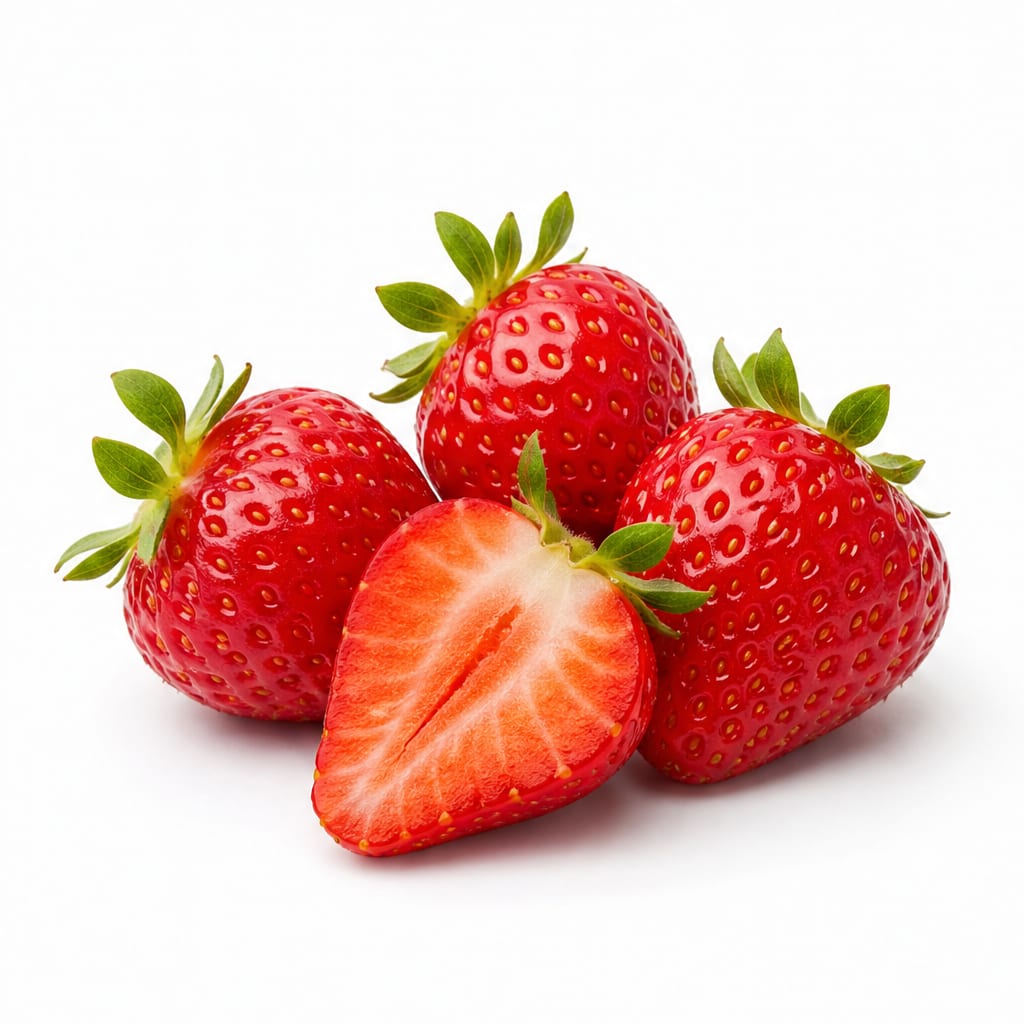
Strawberries
Strawberries win as the better everyday snack due to their low sugar and high volume, but Pineapple offers unique digestive and anti-inflammatory perks.
Strawberries score higher overall due to their lower sugar, lower calorie density, and richer antioxidant profile for daily use. Pineapple remains a strong contender but is penalized slightly for its higher sugar content and potential to trigger acid reflux.
You are trading the lower calories and safer blood sugar of Strawberries for the digestive enzymes and lower pesticide risk of Pineapple.
At a glance
Executive summary
Overall
Strawberries
Healthier
Strawberries
More practical
Strawberries
Daily use
Strawberries
Key comparison lenses
Sugar content and blood sugar impact
Pineapple contains nearly double the sugar of Strawberries, making it a critical factor for daily snacking and metabolic health.
Pesticide exposure and safety
Strawberries consistently rank at the top of the Dirty Dozen list for pesticide residues, while Pineapple's thick skin offers natural protection.
Anti-inflammatory and digestive benefits
Pineapple contains bromelain, a unique enzyme that aids digestion and fights inflammation, which Strawberries lack.
Volume eating and weight management
Strawberries allow for much larger portions per calorie, making them a superior choice for satisfying sweet cravings without overeating.
Best choice for
Pineapple
- People needing digestive support after heavy meals
- Those looking to reduce joint inflammation
- Shoppers on a budget who cannot buy organic produce
Strawberries
- Volume eaters wanting large, satisfying portions
- People monitoring their blood sugar or calorie intake
- Anyone seeking a low-sugar daily sweet treat
Least suitable for
Pineapple
- People with severe acid reflux or GERD
- Those on a strict low-carb or keto diet
- Diabetics needing to tightly control sugar spikes
Strawberries
- Those avoiding heavily sprayed conventional produce
- People with a birch pollen allergy
Deep comparison
Dimension by dimension
Each lens scores both foods and breaks down who each option suits.
- Dimension 1 · Priority 95Strawberries
Sugar and Blood Sugar Impact
Pineapple · 55Strawberries · 90Strawberries have less than half the sugar of Pineapple per serving, making them far easier on your blood sugar.
Tradeoff
Pineapple provides quicker energy from its higher sugar content, but risks a sharper blood sugar spike and subsequent crash.
Why it matters
Steady blood sugar means steadier energy, fewer cravings, and better metabolic health over time.
Real-world impact
Eating Strawberries as an afternoon snack keeps you satisfied, while a large portion of Pineapple might leave you reaching for more food an hour later.
Pineapple
- Post-workout glycogen replenishment
Better for
- Late-night snacking
- Fasting periods
Worse for
Strawberries
- Managing afternoon cravings
- Pre-diabetics or diabetics
- Steady energy during long workdays
Better for
- Quick carbohydrate refueling
Worse for
- Dimension 2 · Priority 88Pineapple
Pesticide Residue and Safety
Pineapple · 95Strawberries · 40Pineapple's thick skin shields the edible flesh from agricultural chemicals, while Strawberries are highly vulnerable and heavily sprayed.
Tradeoff
Choosing conventional Pineapple is very safe, whereas conventional Strawberries carry a high pesticide burden that is difficult to wash off.
Why it matters
Chronic pesticide exposure is linked to hormonal disruption and neurological issues, making it a key factor for frequent consumption.
Real-world impact
If you cannot afford organic, Pineapple is the safer daily choice to avoid chemical buildup in your body.
Pineapple
- Budget-conscious shoppers buying conventional produce
- Families concerned about chemical exposure
Better for
Strawberries
- Access to affordable organic produce
Better for
- Eating conventional Strawberries daily
Worse for
- Dimension 3 · Priority 85Pineapple
Digestive and Anti-Inflammatory Support
Pineapple · 92Strawberries · 65Pineapple is packed with bromelain, a powerful enzyme that breaks down proteins and lowers inflammation, a benefit Strawberries cannot match.
Tradeoff
While Pineapple aids digestion and reduces swelling, its high acidity can irritate sensitive stomachs and trigger heartburn.
Why it matters
Reducing systemic inflammation and improving protein digestion can significantly impact joint comfort and gut health.
Real-world impact
Eating Pineapple after a heavy steak dinner can reduce bloating, whereas Strawberries will not offer the same digestive relief.
Pineapple
- Easing bloating after high-protein meals
- Managing joint pain from exercise
- Reducing sinus inflammation
Better for
- People with active acid reflux
Worse for
Strawberries
- Those with sensitive stomachs or GERD
Better for
- Situations requiring digestive enzyme support
Worse for
- Dimension 4 · Priority 80Strawberries
Calorie Density and Volume Eating
Pineapple · 60Strawberries · 95Strawberries offer a much larger portion size for fewer calories, making them highly satisfying for weight management.
Tradeoff
You can eat a generous bowl of Strawberries for under 100 calories, but the same calorie amount of Pineapple is a much smaller portion.
Why it matters
Feeling physically full on fewer calories is the cornerstone of sustainable weight loss and preventing overeating.
Real-world impact
A massive bowl of Strawberries feels like a decadent treat for minimal calories, while Pineapple disappears quickly from the bowl.
Pineapple
- Compact calorie needs for athletes
Better for
- Mindless snacking while watching TV
Worse for
Strawberries
- Late-night emotional eaters
- Volume eaters
- Calorie tracking
Better for
Timeline
Health impact over time
Short-term
Hours to days
Pineapple
- Quick energy boost from natural sugars
- May cause mouth tingling or heartburn due to bromelain and acidity
Strawberries
- Steady, crash-free energy
- High water content provides quick hydration
Long-term
Months to years
Pineapple
- Bromelain supports joint health and reduces chronic inflammation
- Higher daily sugar intake could add up if portions are not controlled
Strawberries
- Anthocyanins support heart health and cognitive function
- Consistent low-calorie intake aids long-term weight management
Risk profile
Safety & processing
Both are whole, raw fruits when purchased fresh. However, Pineapple is frequently sold canned in heavy syrup, which drastically increases its sugar content and processing level. Always opt for fresh or frozen unsweetened varieties of either fruit.
Pineapple
Bromelain irritation
lowThe enzyme can cause a tingling or burning sensation in the mouth, which is harmless but uncomfortable for some.
Acid reflux trigger
mediumHigh acidity can aggravate GERD or heartburn in sensitive individuals, especially when eaten on an empty stomach.
Strawberries
Pesticide residue
highStrawberries consistently top the EWG's Dirty Dozen list due to high pesticide use; washing does not fully remove them.
Oral allergy syndrome
lowCan cause mild itching in the mouth for those with birch pollen allergies.
Who wins for whom
Audience fit
Same foods, different winners depending on your goal.
children
StrawberriesStrawberries are an easy, low-sugar snack that kids love, though they should ideally be organic to avoid pesticide exposure.
daily consumption
StrawberriesLower sugar and calorie density make Strawberries a more forgiving daily staple for most people.
diabetes
StrawberriesStrawberries have significantly less sugar and a lower glycemic load, keeping blood sugar more stable.
elderly
PineapplePineapple's bromelain can help with joint pain and slower digestion common in older adults.
muscle gain
It dependsNeither is a significant protein source, but Pineapple provides slightly more fast-digesting carbs for post-workout glycogen replenishment.
weight loss
StrawberriesStrawberries offer double the portion size for the same calories and sugar, making them far easier to fit into a calorie deficit.
Your move
Decision guide
Choose Pineapple
- You want digestive support after heavy protein meals
- You struggle with joint inflammation and want a natural remedy
- Organic produce is out of budget and you want to avoid pesticide residues
Choose Strawberries
- You are watching your sugar or calorie intake
- You want a large, satisfying portion for minimal calories
- You are managing insulin resistance or diabetes
Either works if
- You just want a refreshing, vitamin C-rich snack
- You are making a smoothie and want natural sweetness
Avoid both if
- You are on a strict very-low-carb diet and counting every gram of sugar
Final recommendation
Keep Strawberries as your daily go-to for a low-sugar, high-volume treat, and enjoy Pineapple strategically after meals or when you need its anti-inflammatory enzymes.
Practical
Consumer tips
- 1
Buy organic Strawberries whenever possible to avoid high pesticide residues.
- 2
If buying canned Pineapple, choose varieties packed in water or their own juice, never heavy syrup.
- 3
If fresh Pineapple makes your mouth burn, try grilling it—the heat deactivates the bromelain enzyme.
- 4
Freeze Strawberries that are about to go bad for easy smoothie additions later.