
Dumpling
Pierogi
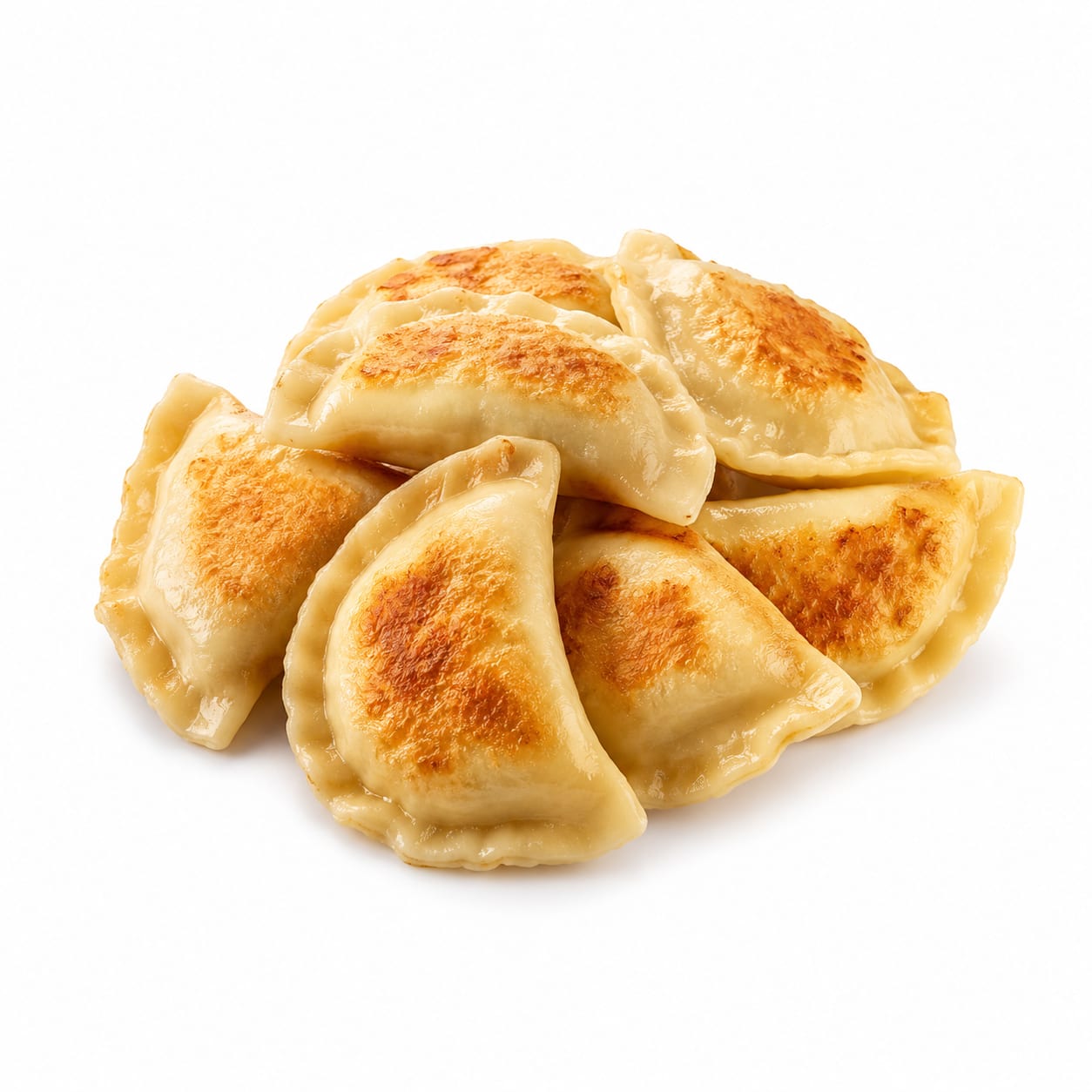
Pierogi are boiled or fried dumplings made of refined wheat dough stuffed with savory or sweet fillings like potato, cheese, or meat.
Pierogi are filled dumplings of Central and Eastern European origin, made by wrapping unleavened dough around a savory or sweet filling and cooking in boiling water. They are often pan-fried before serving and traditionally served with sour cream.
refined-carbohydrate comfort dumpling
Typical serving · 150g
Common varieties · potato and cheese, meat, sauerkraut and mushroom, fruit (strawberry or cherry), spinach and feta
Overall context score across nutrition, safety, and diet fit
At a glance
Quick facts
Simple indicators based on nutrition, processing, and diet fit.
The story
What makes it unique
Pierogi consist of refined wheat flour dough encasing starchy or protein-based fillings. Digestion is rapid due to the refined carbohydrates, leading to quick glucose absorption and moderate satiety. The macronutrient profile is heavily skewed toward carbohydrates and fats, particularly when pan-fried or served with traditional accompaniments. Commercially produced varieties often contain emulsifiers and preservatives that extend shelf life but increase processing intensity.
Varieties: potato and cheese · meat · sauerkraut and mushroom · fruit (strawberry or cherry) · spinach and feta
Per 100g
Nutrition breakdown
Macro balance and key metrics at a glance.
Energy
Density 2.10 kcal/g
Protein
Carbs
Fat
Fiber
Sugar
1.5 g
Sodium
450 mg
Potassium
120 mg
Glycemic index
70
Glycemic load
22
Water content
55%
Standout compounds
Nutrient highlights
Carbohydrates
highQuick energy source from refined flour and potatoes
Sodium
moderateElectrolyte replenishment, mostly from salted dough and fillings
Saturated Fat
moderateConcentrated energy, primarily if pan-fried or cheese-filled
Selenium
lowAntioxidant protection provided by the wheat flour
Wellness map
Health scores & processing
NOVA processing scale
Ultra-processed (commercial) / Processed (homemade) · Ultra-processed
Commercial frozen pierogi often contain modified starches, preservatives, and emulsifiers. Traditional homemade versions are processed culinary preparations but rely heavily on refined white flour.
Diet compatibility
- Weight loss
- Muscle gain
- Diabetes
- Gut health
- Low carb
- High protein
- Heart health
Relative standing
Food rankings
Qualitative ranks compared to similar whole foods.
- Satietymoderate
- Blood sugarpoor
- Nutrient densitypoor
- Fitness fuelmoderate
- Processing qualitypoor
Eat with confidence
Food safety profile
Generally safe, but meat and dairy fillings require proper cooking and storage to prevent bacterial growth. Frozen varieties must be cooked to safe internal temperatures.
Evidence confidence 90%
- Pesticideslow
- Antibioticsmoderate
- Heavy metalslow
- Contaminationlow
Watch for
- listeria
- salmonella
Safer choices
Organic or locally sourced meat and cheese fillings reduce antibiotic and pesticide exposure risks.
Prep tips
Ensure internal temperature reaches 165°F (74°C) when cooking meat-filled pierogi to eliminate potential pathogens.
Standard grain and meat/dairy processing regulations apply.
Deep dive
Health analysis
How this food may fit different goals and preparation choices.
Weight loss
High energy density and refined carbs make portion control difficult for weight loss.
Blood sugar
Refined wheat dough and starchy potato fillings cause rapid blood sugar spikes.
Fitness & energy
Provides quick carbohydrates for glycogen replenishment but lacks optimal protein for muscle repair.
Gut health
Low fiber content limits microbiome benefits, though sauerkraut fillings offer minor probiotic support.
Processing quality
Commercial versions contain refined flours and additives; homemade versions are slightly better but still use refined grains.
Food safety
Safe when cooked properly, but meat and dairy fillings require strict temperature control to prevent foodborne illness.
Common mistakes
Frying in butter or serving with sour cream adds excessive saturated fat and calories to an already carb-dense meal.
Best preparation
Boiling instead of frying, and pairing with a side of vegetables or lean protein to balance the meal.
Practical guide
Best use cases
When and how this food fits real eating patterns.
Post-workout carb reload
Provides fast-digesting carbohydrates to replenish glycogen stores after intense endurance exercise.
High-calorie bulking
Useful for adding calorie density and starchy carbs when trying to achieve a caloric surplus for weight gain.
Cultural comfort meal
Traditional dish for holidays and family gatherings where cultural enjoyment takes priority over macronutrient optimization.
Balance sheet
Pros & cons
Upsides
- Provides quick energy from carbohydrates
- Versatile fillings allow for some nutrient customization
- Sauerkraut fillings offer minor probiotic benefits
- Convenient frozen storage and easy meal prep
Trade-offs
- High in refined carbohydrates that spike blood sugar
- Low dietary fiber limits satiety
- Often pan-fried in butter, adding excess saturated fat
- Commercial varieties contain preservatives and modified starches
- Calorie-dense, making portion control challenging
Fit check
Who is it for?
Great match
- post-workout glycogen replenishment
- calorie surplus bulking
- cultural and holiday meals
Consider alternatives
- strict low-carb diets
- blood sugar management
- weight loss diets
- high-fiber diets
Side by side
How it compares
Open the full head-to-head analysis for nutrition, safety, and practical tradeoffs.
This food
Pierogi
VS85% alike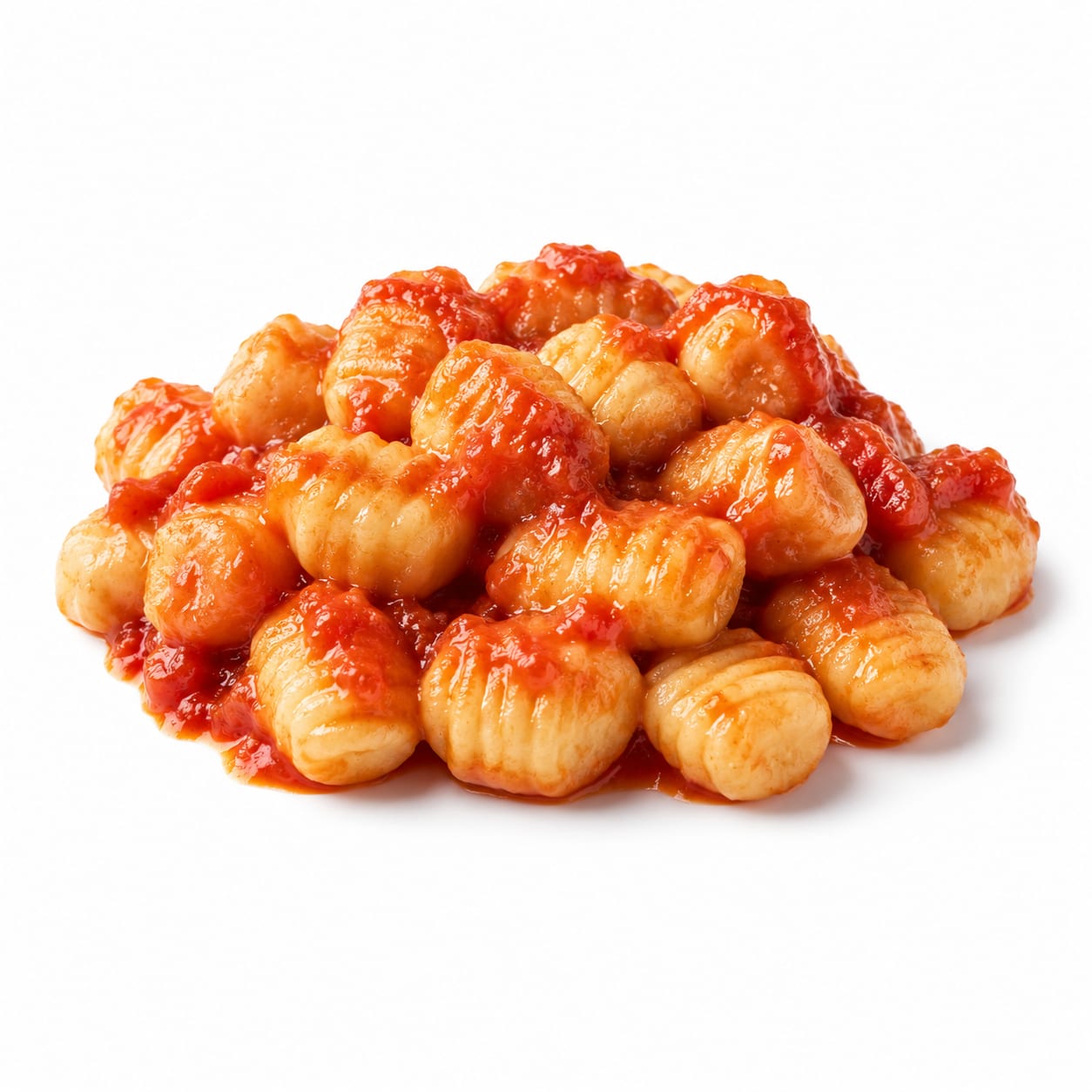
Compare with
Gnocchi
Pierogi offer more protein from fillings like cheese or meat, while gnocchi are lower in fat but higher in starchy carbs.
Pierogi provide more protein from fillings, while gnocchi are lower in fat but equally high in starchy carbs.
This food
Pierogi
VS90% alike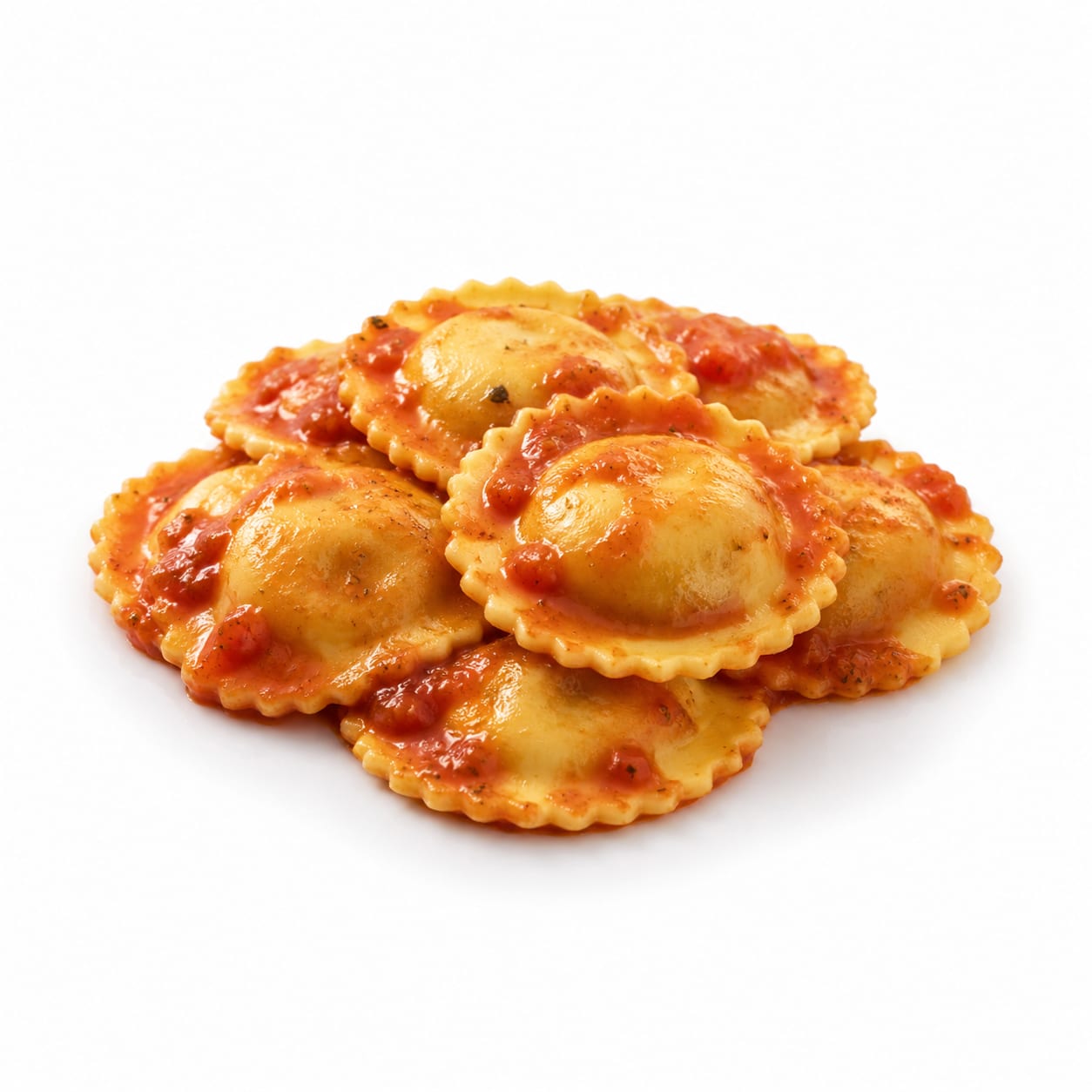
Compare with
Ravioli
Ravioli is usually served in a tomato or broth base, while pierogi are often pan-fried in butter, making ravioli lower in fat.
Ravioli is generally lower in fat because it is boiled and sauced, whereas pierogi are often pan-fried in butter.
This food
Pierogi
VS75% alike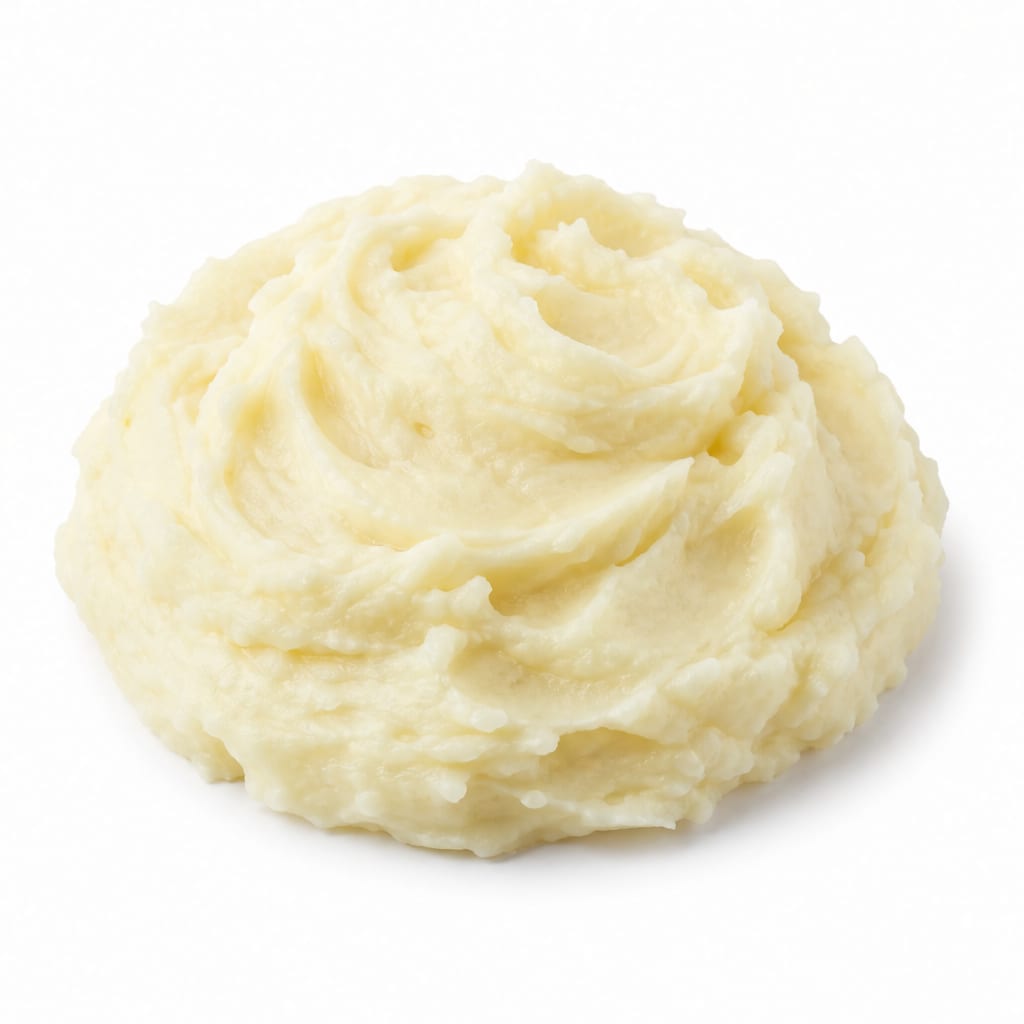
Compare with
Mashed Potatoes
Mashed potatoes lack the refined flour dough wrapper, offering slightly fewer calories per serving, but both are starchy comfort foods.
Mashed potatoes lack the dense flour wrapper of pierogi, making them slightly lower in calories, but both spike blood sugar similarly.
This food
Pierogi
VS70% alike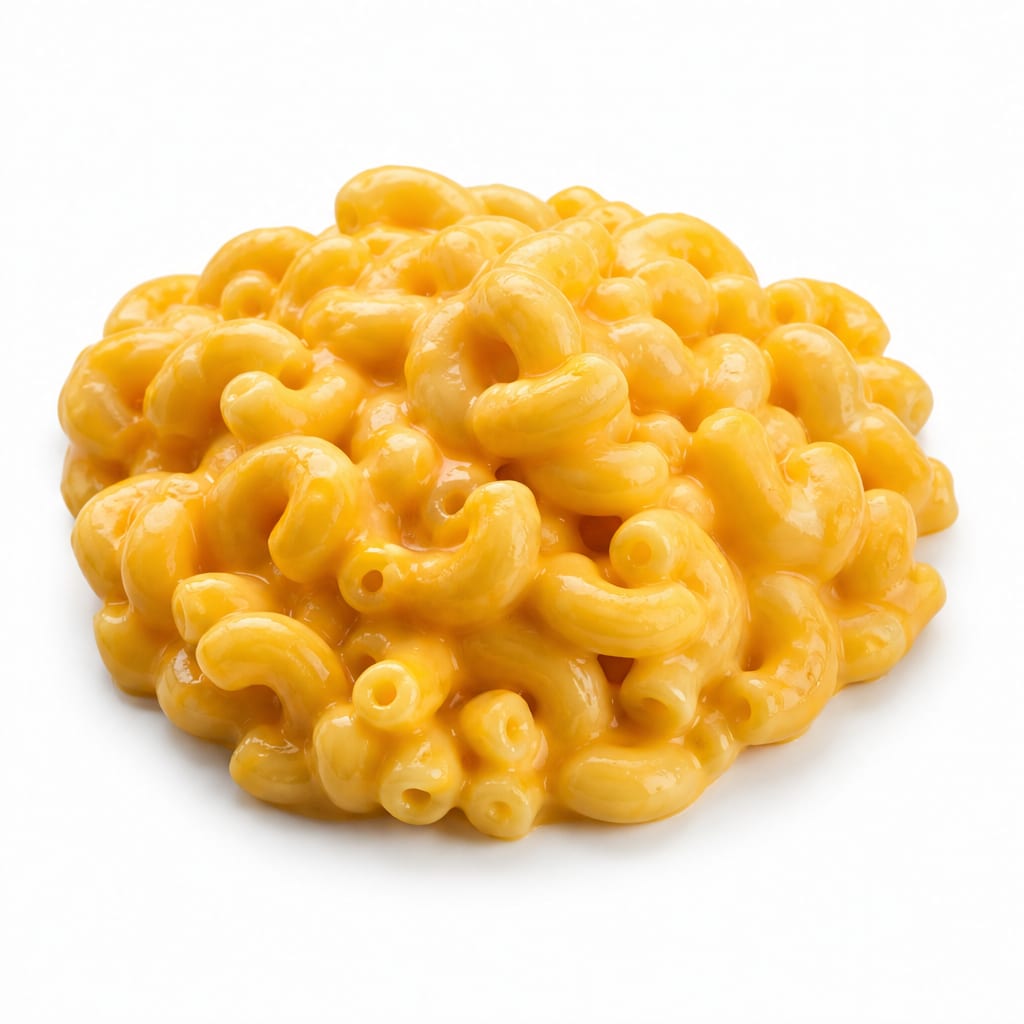
Compare with
Mac and Cheese
Mac and cheese typically has more saturated fat from the cheese sauce, while pierogi have a higher carb-to-fat ratio from the dough wrapper.
Mac and cheese is higher in saturated fat from cheese sauce, while pierogi pack more carbohydrates from the thick dough wrapper.
This food
Pierogi
VS80% alike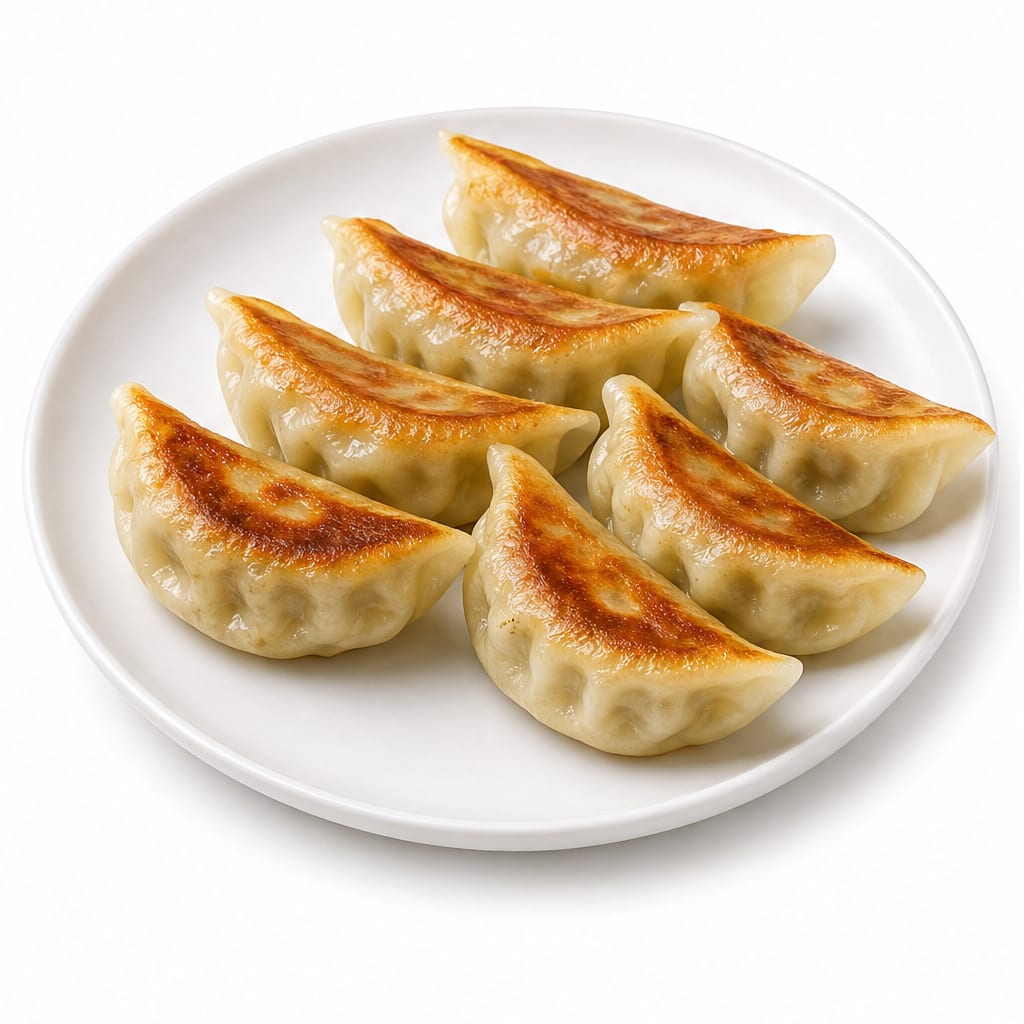
Compare with
Potstickers
Potstickers use a thinner wrapper and often contain leaner meat fillings, making them lower in calories and carbs than pierogi.
Potstickers have a thinner wrapper and leaner fillings, making them lower in calories and carbs compared to dense pierogi.
This food
Pierogi
VS85% alike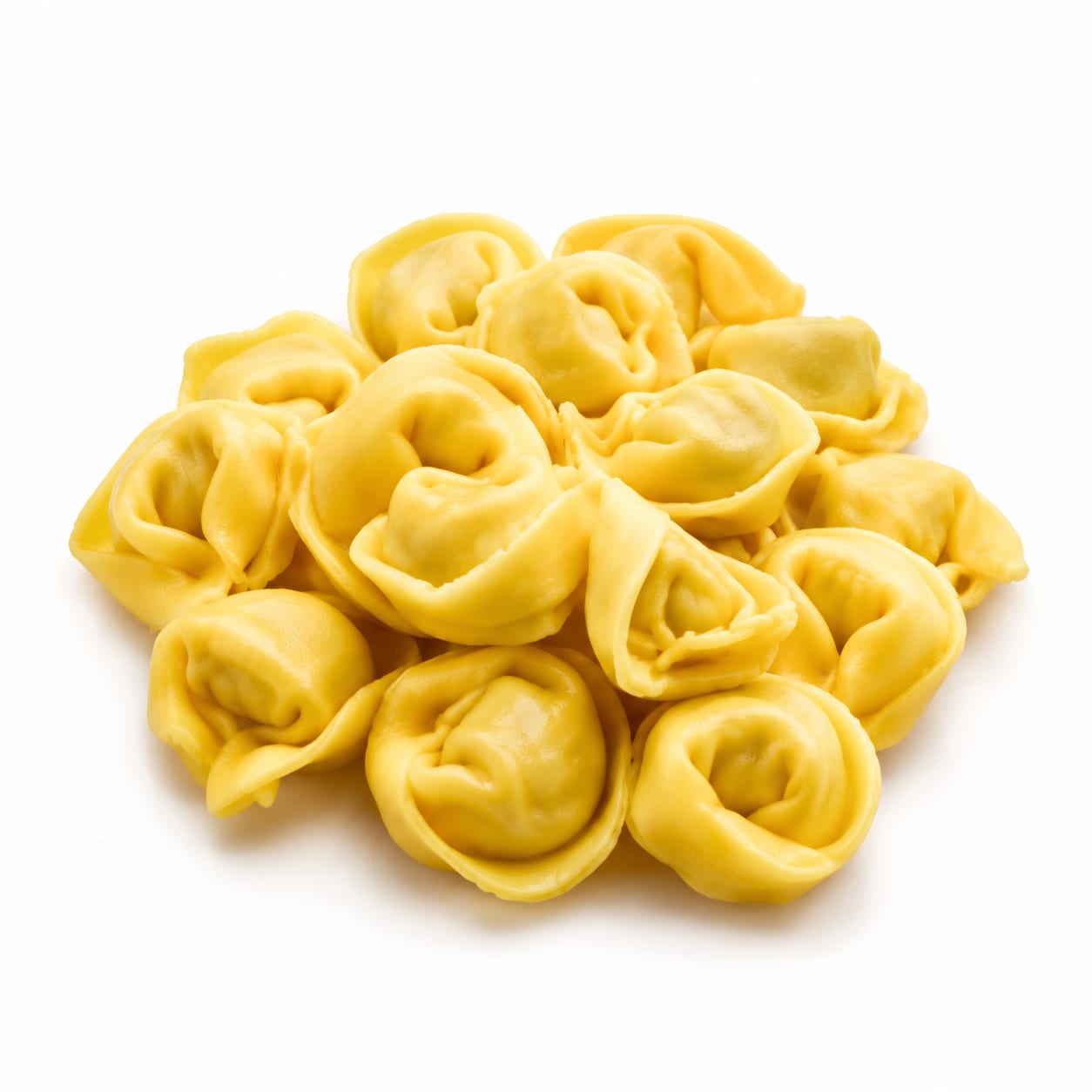
Compare with
Tortellini
Tortellini is lighter with a thinner pasta wall, resulting in fewer carbs and calories per serving than the dense pierogi.
Tortellini is lighter with less dough per bite, offering fewer carbs and calories than the dense, thick-walled pierogi.
This food
Pierogi
VS60% alike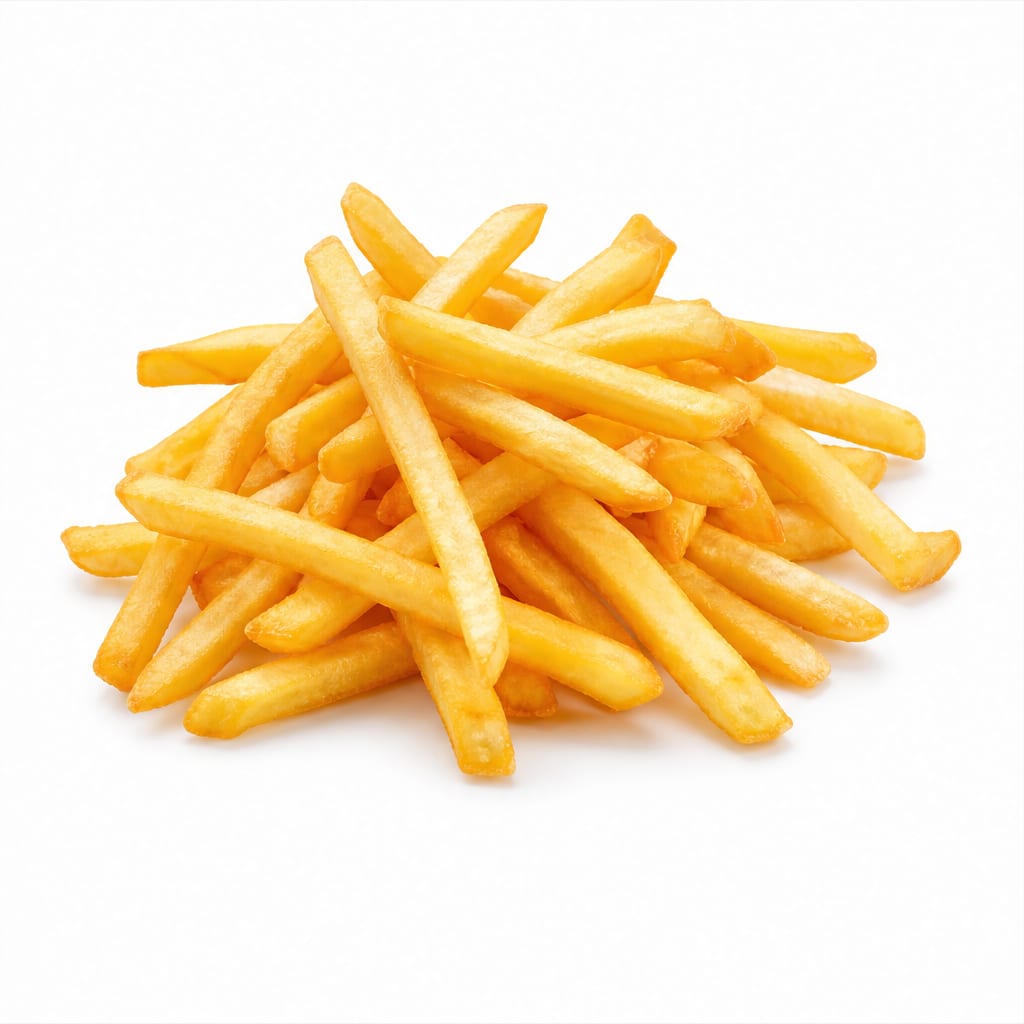
Compare with
French Fries
French fries are deep-fried and higher in fat, while pierogi get their calorie density from both the refined dough and the frying process.
French fries are deep-fried and higher in fat, while pierogi provide a mix of carbs and fat from both the dough and the filling.
This food
Pierogi
VS55% alike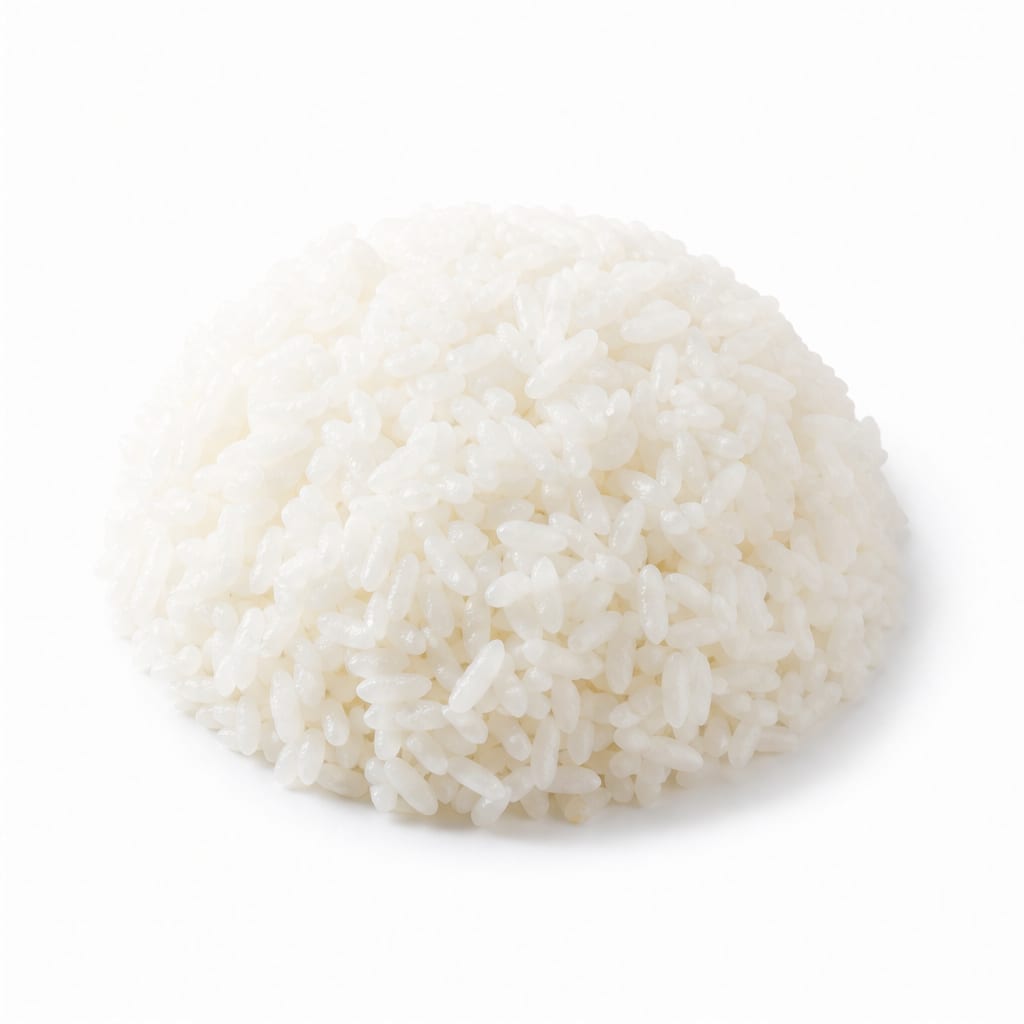
Compare with
White Rice
White rice is fat-free and lower in calories per gram, while pierogi add fat and protein from fillings but are much more calorie-dense.
White rice is fat-free and lower in calories per serving, whereas pierogi are a calorie-dense mix of refined carbs and fats.
This food
Pierogi
VS65% alike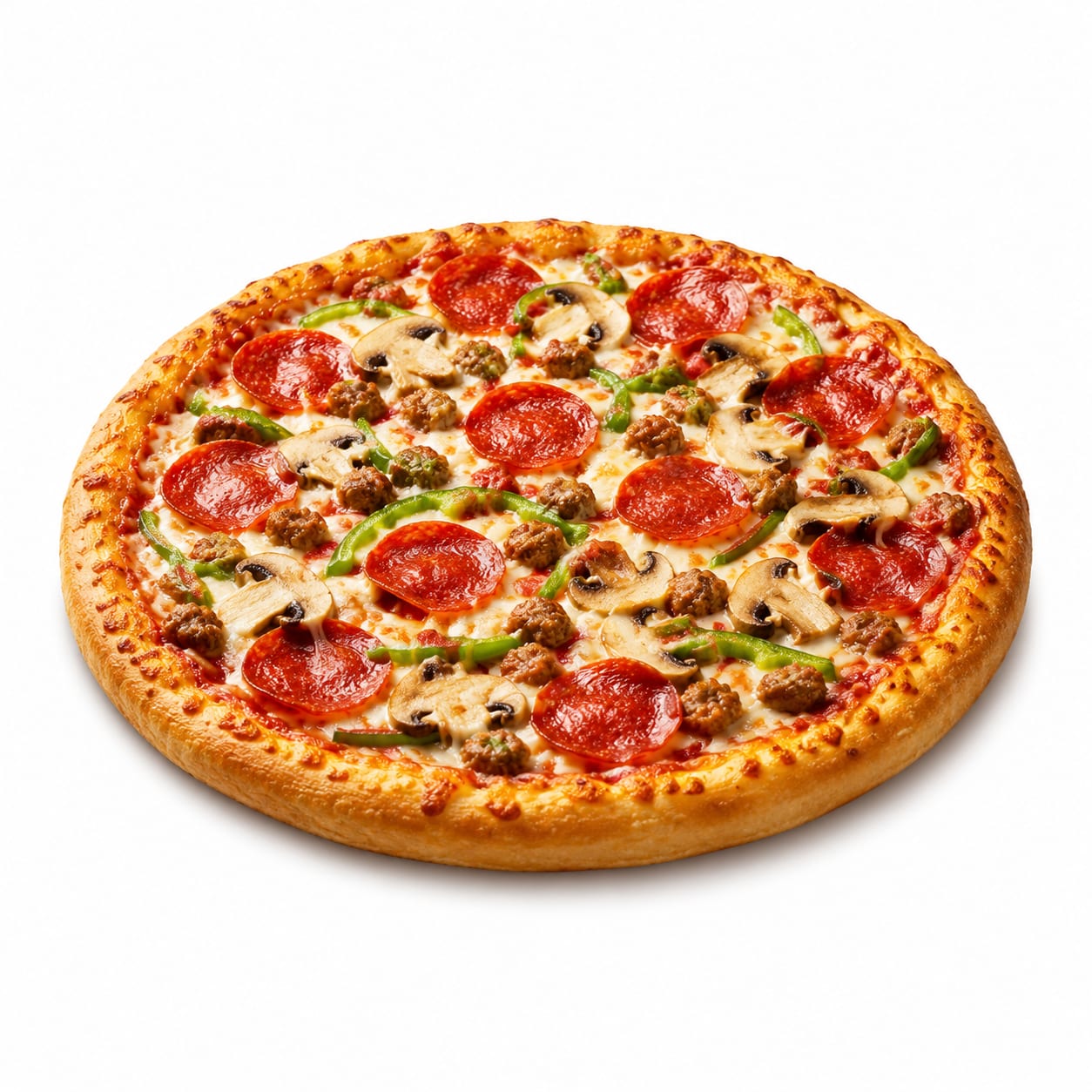
Compare with
Pizza
Pizza offers more protein per calorie due to cheese and meat toppings, while pierogi are heavily dominated by starchy carbohydrates.
Pizza provides more protein per calorie from cheese and sauce, while pierogi are heavily dominated by starchy carbohydrates.
This food
Pierogi
VS60% alike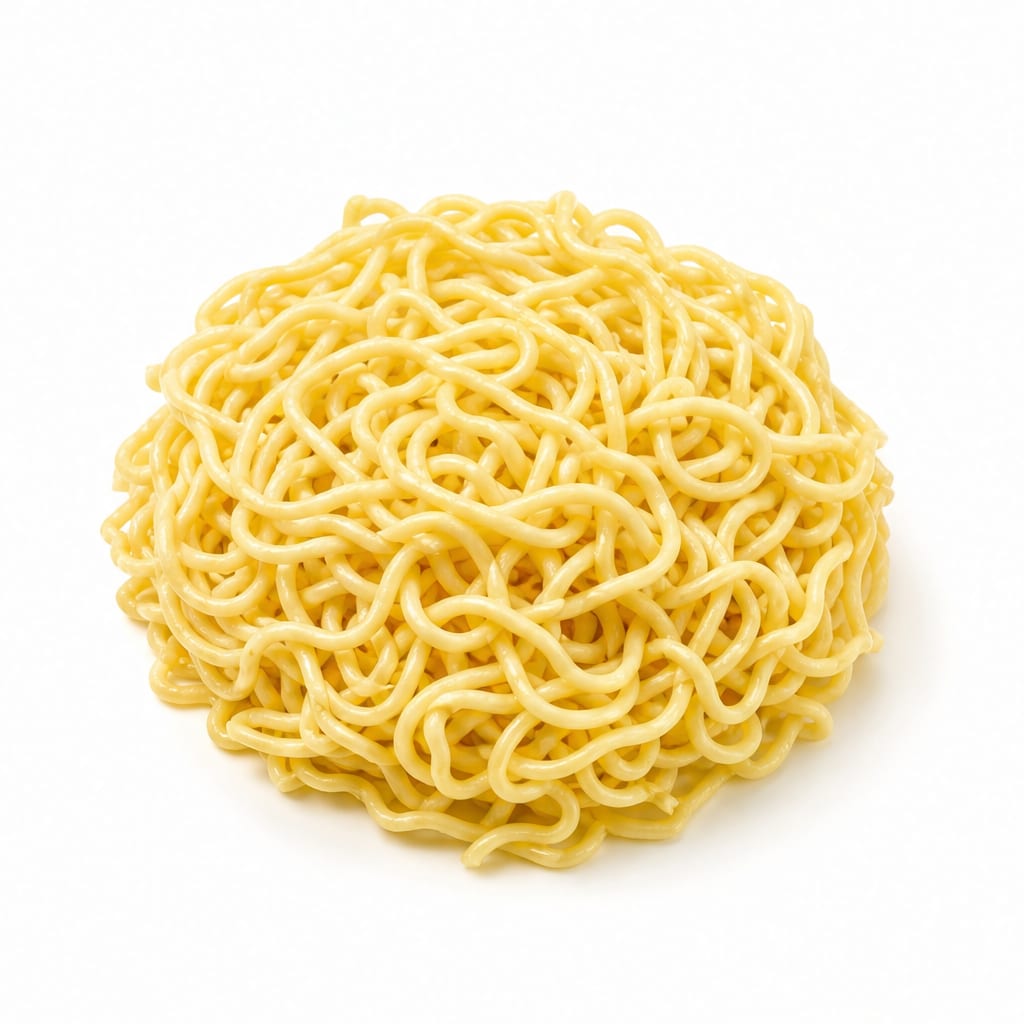
Compare with
Ramen Noodles
Ramen noodles are ultra-processed and deep-fried, often higher in sodium and fat than boiled pierogi, but pierogi are more carb-heavy.
Instant ramen is deep-fried and extremely high in sodium, while pierogi are boiled and rely more on starchy carbs for calories.
Common questions
FAQ
Answers aligned with how people search for this food.
Are pierogi healthy?
Traditional pierogi are high in refined carbohydrates and calories, making them a comfort food best enjoyed in moderation rather than a health food. They lack significant fiber and can spike blood sugar.
How many calories are in pierogi?
A typical 100g serving of pierogi contains around 210 calories, but this can increase significantly if they are pan-fried in butter or served with sour cream.
Can diabetics eat pierogi?
Pierogi are made with refined wheat flour and starchy fillings like potato, which can cause rapid blood sugar spikes. Diabetics should eat them cautiously, limit portion sizes, and pair them with protein or fiber.
Are pierogi good for weight loss?
Pierogi are not ideal for weight loss due to their high energy density and refined carbohydrate content, which offers low satiety per calorie compared to whole foods.
Are pierogi high in carbs?
Yes, pierogi are high in carbohydrates. The dough is made from refined white flour, and the most common fillings, like potato, add additional starchy carbs.
Are frozen pierogi ultra-processed?
Most commercial frozen pierogi are ultra-processed (NOVA Group 4) because they contain preservatives, modified starches, and emulsifiers not found in homemade versions.
What is the healthiest pierogi filling?
Sauerkraut and mushroom filling is generally the healthiest option, as it is lower in calories and fat compared to cheese or meat, and sauerkraut provides some probiotic benefits and fiber.
Are pierogi healthier boiled or fried?
Boiled pierogi are healthier than fried ones. Pan-frying adds significant calories and saturated fat from butter or oil, turning a moderately caloric dish into a high-fat meal.
Transparency
Data confidence
Estimated confidence for nutrition data, interpretation, safety notes, and comparisons.
Nutrition data
Health analysis
Food safety
Comparisons