
Nutrition comparison
Ravioli vs Pierogi: Nutrition, Calories, and Health Comparison
Compare Ravioli vs Pierogi to see which dumpling is healthier. Learn about protein, carbs, calories, and which is better for weight loss and blood sugar.
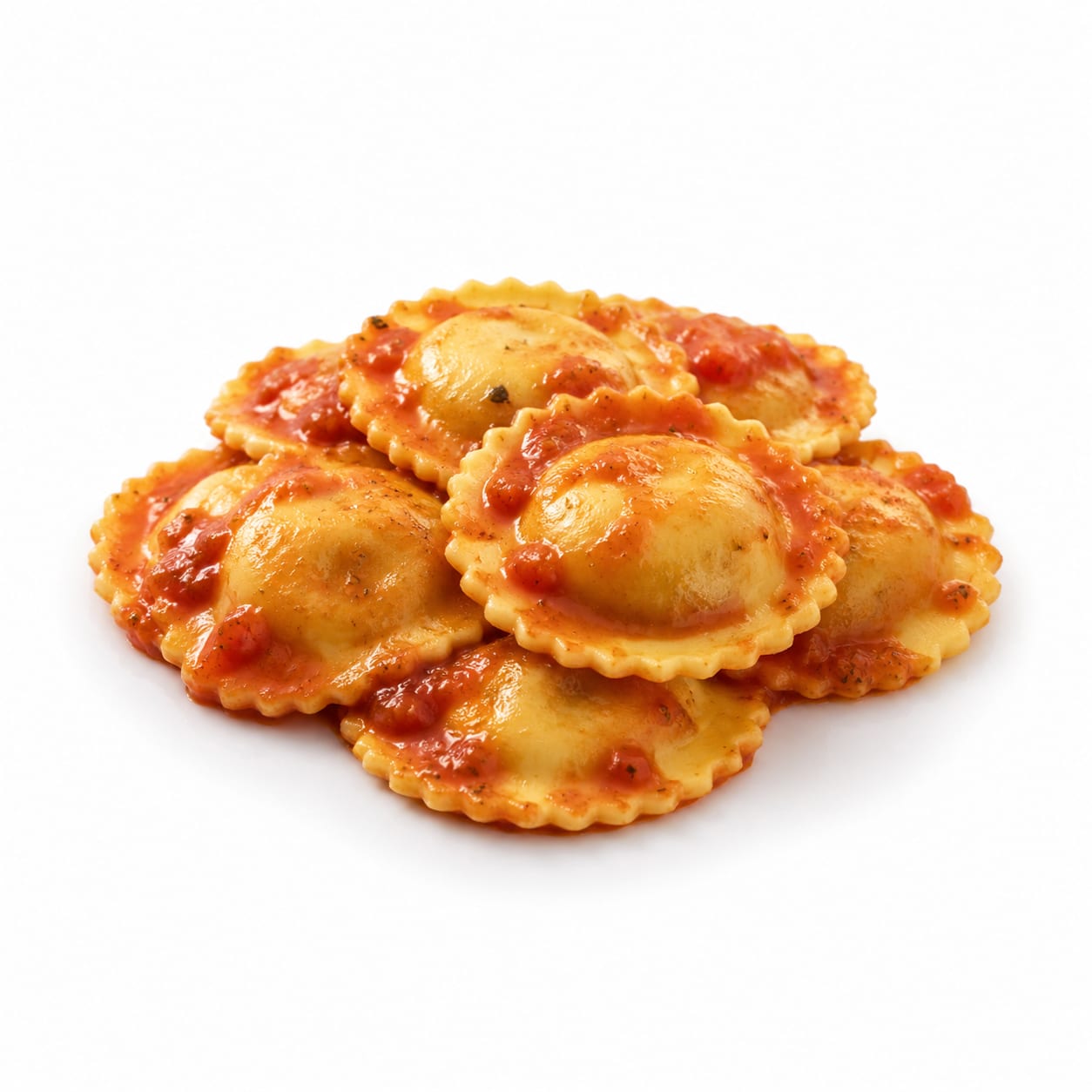
Ravioli
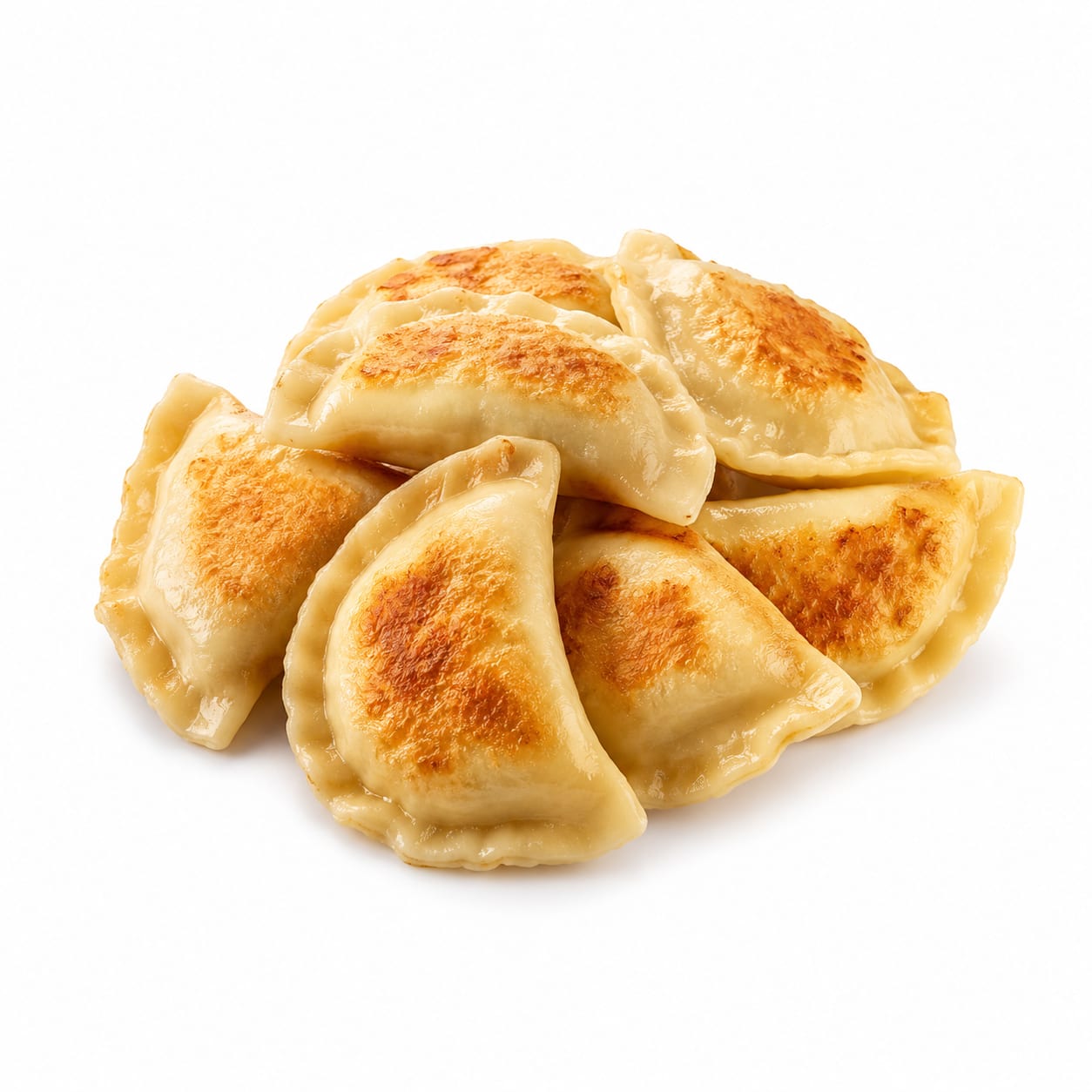
Pierogi
Ravioli offers more protein and steadier energy, while Pierogi delivers comforting carbs but hits harder with fat and calories when pan-fried.
Ravioli scores higher due to better protein content and lower carbohydrate density, making it easier to fit into a balanced diet. Pierogi loses points because the traditional butter-frying and potato-heavy filling create a high-calorie, high-carb meal that can spike blood sugar.
Protein and blood sugar stability versus comforting carbohydrate density and traditional butter-rich preparation.
At a glance
Executive summary
Overall
It depends
Healthier
Ravioli
More practical
It depends
Daily use
Ravioli
Key comparison lenses
Carbohydrate load and blood sugar impact
Pierogi often use potato dough and potato filling, doubling down on carbs, while Ravioli relies on wheat pasta with protein-rich fillings.
Preparation methods and fat content
Pierogi are traditionally boiled then pan-fried in butter, significantly increasing their fat and calorie content compared to typically boiled or lightly sauced Ravioli.
Protein quality and satiety
Ravioli fillings like meat, ricotta, or seafood offer higher protein, keeping you fuller longer than the carb-heavy potato and cheese fillings of Pierogi.
Best choice for
Ravioli
- Higher protein needs
- Steadier blood sugar
- Lighter weeknight dinners
Pierogi
- Post-workout carb refueling
- Hearty comfort food cravings
- Cold weather meals
Least suitable for
Ravioli
- Strict low-carb diets
- Gluten-free needs
Pierogi
- Weight loss diets
- Blood sugar management
- Low-fat diets
Deep comparison
Dimension by dimension
Each lens scores both foods and breaks down who each option suits.
- Dimension 1 · Priority 90Ravioli
Satiety & Fullness
Ravioli · 75Pierogi · 65Ravioli keeps you full longer thanks to protein-rich fillings like meat or cheese, whereas Pierogi rely heavily on starchy carbs that digest faster.
Tradeoff
You get a heavier, more immediate fullness from Pierogi's carb and fat load, but Ravioli provides longer-lasting satiety without the crash.
Why it matters
Meals that keep you full longer prevent snacking later in the day.
Real-world impact
Eating Ravioli for dinner means you are less likely to crave a late-night snack compared to eating a Pierogi meal that burns through your system quickly.
Ravioli
- Avoiding afternoon energy crashes
- Staying full between meals
Better for
- Those wanting a light, easily digestible meal
Worse for
Pierogi
- Feeling immediately stuffed after a heavy meal
Better for
- Sustained energy throughout the evening
Worse for
- Dimension 2 · Priority 85Ravioli
Blood Sugar Stability
Ravioli · 70Pierogi · 45Ravioli's wheat pasta and protein fillings slow down sugar absorption. Pierogi's double-hit of potato dough and potato filling can cause a rapid blood sugar spike.
Tradeoff
Pierogi provide quick energy but risk a sugar crash, while Ravioli offer a slower, steadier release of energy.
Why it matters
Frequent blood sugar spikes lead to fatigue, cravings, and long-term metabolic strain.
Real-world impact
A Pierogi lunch might leave you fighting sleep by 3 PM, whereas Ravioli would give you steadier focus.
Ravioli
- People with insulin resistance
- Avoiding the post-meal food coma
Better for
- Those who need immediate high-energy fuel
Worse for
Pierogi
- Athletes needing quick glycogen replenishment
Better for
- Anyone monitoring their blood sugar
Worse for
- Dimension 3 · Priority 80Ravioli
Calorie Density & Weight Management
Ravioli · 65Pierogi · 40Pierogi are often pan-fried in butter after boiling, drastically increasing their calorie density. Ravioli are usually served in a light sauce or broth, keeping calories lower.
Tradeoff
The buttery, crispy exterior of Pierogi is delicious but costs significantly more calories than a standard Ravioli dish.
Why it matters
High-calorie comfort foods are easy to overeat, making weight management harder.
Real-world impact
A plate of butter-fried Pierogi can easily pack double the calories of a bowl of Ravioli in light tomato sauce.
Ravioli
- Calorie counting
- Weight loss goals
Better for
- Those needing calorie-dense meals on a budget
Worse for
Pierogi
- Bulking up
- High-calorie winter comfort
Better for
- Portion control
- Fat loss
Worse for
- Dimension 4 · Priority 70It depends
Nutrient Diversity
Ravioli · 70Pierogi · 65Ravioli wins on protein and iron, especially with meat fillings, while Pierogi offer more potassium and vitamin C from their potato content.
Tradeoff
Protein and micronutrients from meat versus potassium and starch from potatoes.
Why it matters
Diverse nutrient intake supports overall health without needing supplements.
Real-world impact
Choosing meat Ravioli helps hit your protein targets, while Pierogi contribute to your potassium intake for muscle function.
Ravioli
- Muscle maintenance
- Preventing anemia
Better for
- Vegetarians avoiding egg pasta
Worse for
Pierogi
- Electrolyte balance
- Plant-based meal preferences
Better for
- High-protein diet followers
Worse for
- Dimension 5 · Priority 75Ravioli
Sodium & Heart Health
Ravioli · 55Pierogi · 45Both can be high in sodium, but Pierogi fillings often include processed cheese and heavy salting, plus the butter-frying adds saturated fat.
Tradeoff
Ravioli's cheese and sauce sodium versus Pierogi's salted potato filling and butter fat.
Why it matters
High sodium and saturated fat intake strain the cardiovascular system over time.
Real-world impact
If you have high blood pressure, a heavy Pierogi dinner will likely push you over your daily sodium and saturated fat limits faster than Ravioli.
Ravioli
- Managing blood pressure
- Lower saturated fat intake
Better for
- People eating canned or highly processed Ravioli
Worse for
Pierogi
- Those adding minimal salt at home
Better for
- Heart health
- Low-sodium diets
Worse for
Timeline
Health impact over time
Short-term
Hours to days
Ravioli
- Steadier energy for a few hours
- Good post-workout protein if meat-filled
Pierogi
- Quick energy surge from carbs
- Heavy, sleepy feeling if overeating due to high fat and carbs
Long-term
Months to years
Ravioli
- Easier weight maintenance due to better satiety
- Better muscle preservation from higher protein
Pierogi
- Potential weight gain if eaten frequently due to high calorie density
- Blood sugar management challenges if consumed in large portions
Risk profile
Safety & processing
Store-bought versions of both Ravioli and Pierogi are processed and can contain preservatives. Homemade Ravioli or Pierogi are minimally processed, but canned Ravioli and frozen Pierogi often add sodium and stabilizers.
Ravioli
Dairy and meat spoilage
mediumRavioli fillings often contain perishable cheeses or meats that can harbor bacteria like Listeria if not cooked thoroughly or stored properly.
Pierogi
Dairy spoilage
mediumPierogi filled with cheese or farmer's cheese can spoil if left at room temperature, though potato fillings are slightly more forgiving.
Who wins for whom
Audience fit
Same foods, different winners depending on your goal.
children
It dependsKids love both, but Pierogi's soft texture and mild potato flavor are often easier for picky eaters, while Ravioli hides protein well.
daily consumption
RavioliRavioli fits better into a daily balanced diet due to its macronutrient profile, whereas Pierogi is better reserved as an occasional comfort meal.
diabetes
RavioliRavioli's wheat pasta and protein filling causes a slower, lower glycemic response than the double-potato hit of Pierogi.
elderly
RavioliOlder adults need more protein to prevent muscle loss, making Ravioli a more functional choice than carb-heavy Pierogi.
muscle gain
RavioliMeat or cheese-filled Ravioli provides higher quality protein essential for muscle repair compared to potato-filled Pierogi.
weight loss
RavioliRavioli generally has fewer calories, less fat, and more protein to keep you satisfied on a calorie deficit.
Your move
Decision guide
Choose Ravioli
- You want a balanced meal with decent protein
- You are watching your carbohydrate or calorie intake
- You need sustained energy without the post-meal crash
Choose Pierogi
- You are craving serious comfort food
- You just finished an intense workout and need carbs
- It is a special occasion or cultural celebration
Either works if
- You are making them from scratch with healthy ingredients
- You want a comforting dumpling-style dinner
Avoid both if
- You have a severe gluten intolerance or celiac disease
- You are on a strict ketogenic diet
Final recommendation
Choose Ravioli for an everyday dinner that balances protein and carbs without weighing you down. Save Pierogi for when you truly need a hearty, comforting meal, and try boiling them without the butter-fry to cut the fat.
Practical
Consumer tips
- 1
If making Pierogi at home, try pan-frying in a small amount of olive oil instead of butter to reduce saturated fat.
- 2
Opt for meat or spinach-filled Ravioli over cheese-filled to boost protein and micronutrients.
- 3
If buying frozen, check the sodium content on both—canned Ravioli and frozen Pierogi can be sodium bombs.
- 4
Pair either dish with a large side salad to add fiber and slow down the absorption of carbs.