
Nutrition comparison
Pierogi vs Tortellini: Which Stuffed Dumpling Is Healthier?
Compare Pierogi and Tortellini nutrition including protein, sodium, calories, and blood sugar impact. Find out which comfort food is the smarter choice for your goals.
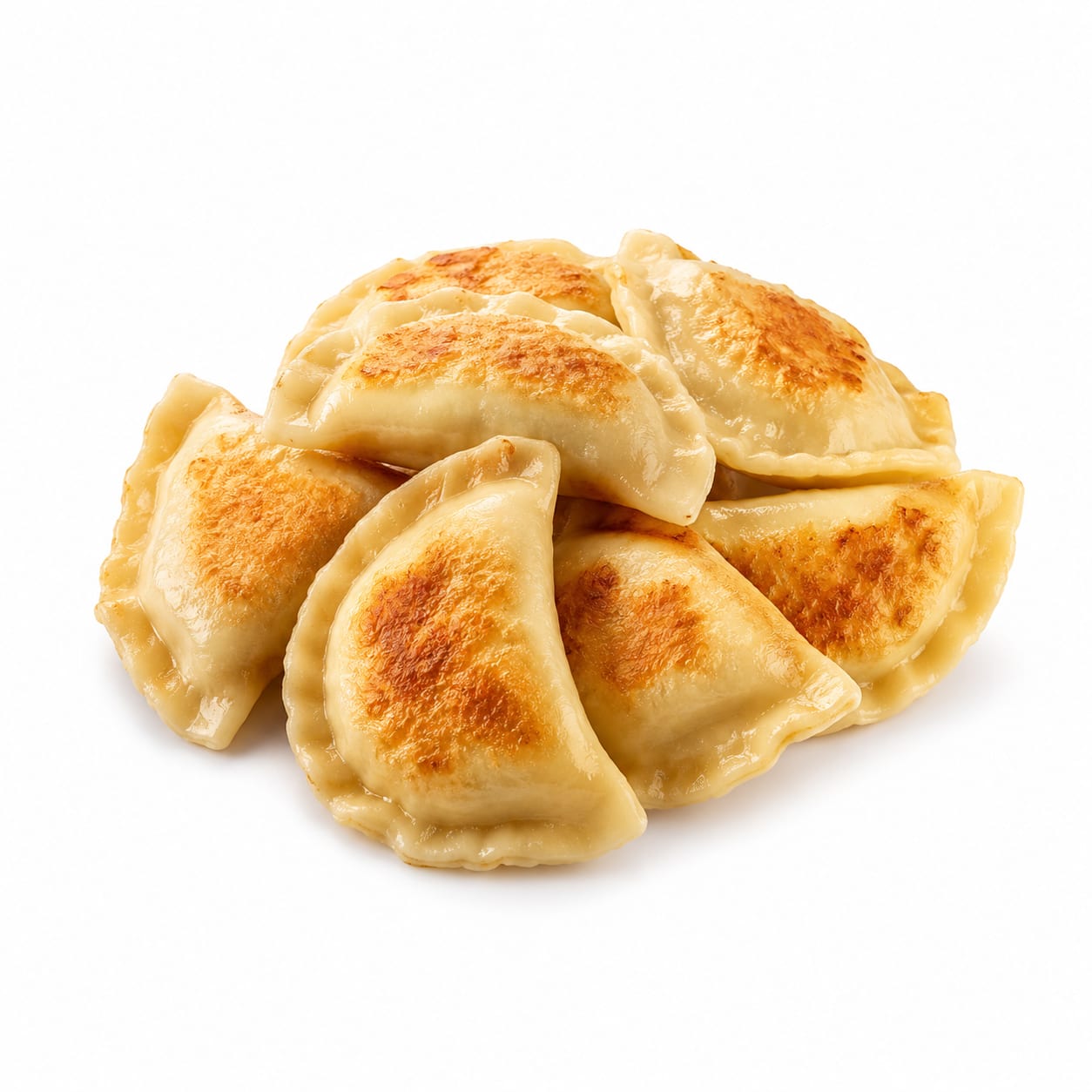
Pierogi
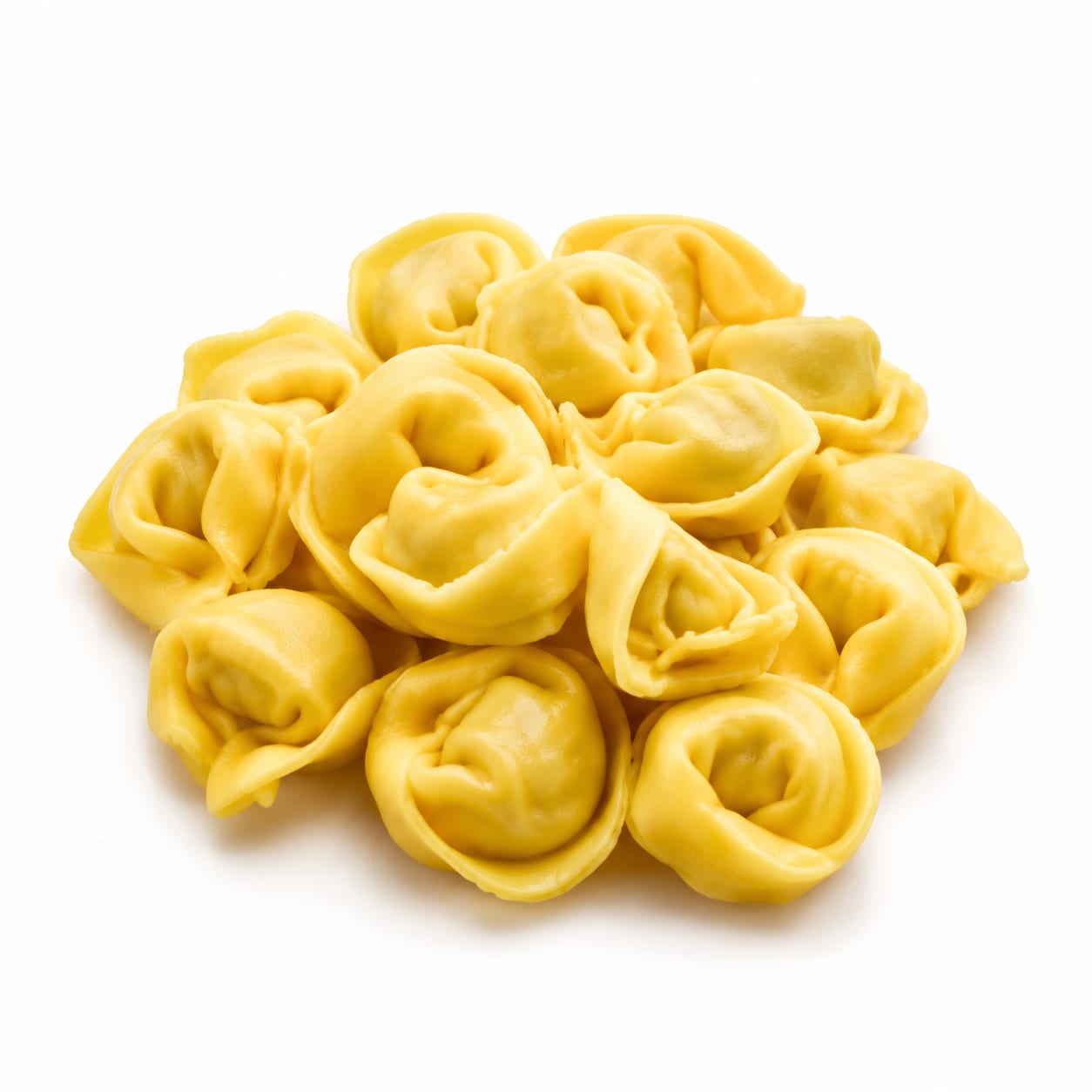
Tortellini
Tortellini wins on protein and portion control; Pierogi wins on lower sodium and simpler ingredients. Neither is a health food.
Tortellini edges ahead due to higher protein content and naturally smaller portions, but both are processed carb-heavy foods. The gap is modest because Pierogi's lower sodium and simpler fillings partially offset its weaker protein profile.
Tortellini delivers more protein per bite but comes with higher sodium and more processed fillings. Pierogi is lighter on salt but heavier on carbs and less satiating.
At a glance
Executive summary
Overall
It depends
Healthier
Tortellini
More practical
Tortellini
Daily use
It depends
Key comparison lenses
comfort food nutrition comparison
Both are stuffed dumpling-style comfort foods, so users want to know which indulgence is less nutritionally costly
carb and blood sugar management
Both are wheat-based with starchy fillings, making glycemic impact a primary concern
protein quality for meals
Fillings differ significantly—potato vs meat/cheese—affecting whether either can serve as a complete meal
sodium and heart health
Tortellini's cheese and cured meat fillings carry more sodium than typical pierogi fillings
weight management practicality
Both are calorie-dense comfort foods where portion control is a real challenge
Best choice for
Pierogi
- Low-sodium diets
- Budget-conscious home cooking
- Vegetarian comfort food seekers
- People who want simpler ingredient lists
Tortellini
- Higher protein meals
- Smaller portion control
- Post-workout recovery meals
- Quick weeknight dinners
Least suitable for
Pierogi
- Low-carb or keto diets
- Diabetes management
- Those needing high-protein meals
- People struggling with portion control
Tortellini
- Sodium-sensitive individuals
- Those avoiding cured meats
- Strict vegetarians (most traditional varieties)
- People seeking minimally processed options
Deep comparison
Dimension by dimension
Each lens scores both foods and breaks down who each option suits.
- Dimension 1 · Priority 90Tortellini
Protein Quality and Quantity
Pierogi · 28Tortellini · 68Tortellini typically packs 12-15g protein per serving from meat and cheese fillings, while Pierogi delivers only 5-8g from potato and cheese.
Tradeoff
Tortellini's protein advantage comes from cured meats and aged cheeses that bring more sodium and processing concerns.
Why it matters
Protein determines how long you stay full. A Pierogi meal leaves you hungry again in 2 hours; Tortellini buys you another hour.
Real-world impact
If you're eating either as a main dish, Tortellini actually functions like a meal. Pierogi often needs sausage or eggs added to feel complete.
Pierogi
- Athletes
- Anyone needing satiety from a single dish
Worse for
Tortellini
- Active individuals
- Older adults preserving muscle
- Anyone eating this as a standalone meal
Better for
- Dimension 2 · Priority 88Tortellini
Carb Load and Blood Sugar Impact
Pierogi · 30Tortellini · 45Pierogi's potato filling creates a double carb hit—wheat dough plus starchy interior. Tortellini's meat filling slightly dampens the glycemic spike.
Tradeoff
Neither is blood-sugar-friendly, but Pierogi's potato-cheese combo hits harder and faster than Tortellini's meat-wrapped approach.
Why it matters
That double starch in Pierogi means a quicker blood sugar rise and a steeper crash an hour later.
Real-world impact
After a Pierogi lunch, you're more likely to crave something sweet by 3pm. Tortellini gives a slightly steadier ride.
Pierogi
- Diabetics
- Low-carb followers
- Anyone sensitive to sugar crashes
Worse for
Tortellini
- Pre-diabetics
- People managing energy crashes
- Those pairing with fiber-rich sides
Better for
- Dimension 3 · Priority 82Pierogi
Sodium Load
Pierogi · 55Tortellini · 32Pierogi typically contains 300-500mg sodium per serving. Tortellini often hits 600-900mg due to cheese, prosciutto, and cured meat fillings.
Tradeoff
Pierogi's milder sodium profile comes at the cost of less flavor complexity and less protein. You trade taste and nutrition for lower blood pressure risk.
Why it matters
If you have two servings of Tortellini, you've consumed nearly half your daily sodium budget. Pierogi leaves more room.
Real-world impact
After a Tortellini dinner, you might wake up puffy and thirsty. Pierogi is less likely to cause that bloated morning-after feeling.
Pierogi
- Hypertension patients
- Salt-sensitive individuals
- Those eating other salty foods that day
Better for
Tortellini
- People on sodium-restricted diets
- Those prone to bloating
- Anyone already eating processed foods that day
Worse for
- Dimension 4 · Priority 80Tortellini
Satiety and Portion Control
Pierogi · 35Tortellini · 62Tortellini is naturally portioned smaller and its protein keeps you fuller. Pierogi are larger, more carb-dense, and easier to overeat.
Tradeoff
Tortellini's built-in portion discipline means you might stop at one bowl. Pierogi invites a second and third helping.
Why it matters
Comfort foods are where portion control fails most. The food that naturally limits you wins in real life.
Real-world impact
It's easier to accidentally eat 800 calories of Pierogi than Tortellini. The smaller pieces and richer filling signal 'enough' sooner.
Pierogi
- Binge-prone eaters
- Anyone counting calories
Worse for
Tortellini
- Weight-conscious eaters
- Mindful eating practitioners
- Those who struggle with stopping at one serving
Better for
- Dimension 5 · Priority 72Pierogi
Ingredient Simplicity and Processing
Pierogi · 60Tortellini · 42Homemade Pierogi uses flour, potato, cheese, and onion—recognizable ingredients. Traditional Tortellini requires prosciutto, mortadella, Parmigiano, and nutmeg—more processed components.
Tradeoff
Simpler ingredients don't automatically mean healthier. Pierogi's potato filling is simple but nutritionally weak.
Why it matters
If you're trying to eat foods your grandmother would recognize, Pierogi is closer to that ideal.
Real-world impact
Reading a Pierogi ingredient list feels manageable. Store-bought Tortellini often contains preservatives and emulsifiers you wouldn't use at home.
Pierogi
- Clean-eating advocates
- People avoiding preservatives
- Home cooks wanting from-scratch meals
Better for
Tortellini
- Those avoiding nitrates from cured meats
- People sensitive to food additives
Worse for
- Dimension 6 · Priority 75Tortellini
Calorie Density
Pierogi · 32Tortellini · 50Pierogi averages 350-450 calories per 6-piece serving, especially when pan-fried in butter. Tortellini sits around 280-350 calories per similar serving before sauce.
Tradeoff
Pierogi's butter-frying tradition adds significant calories. Tortellini's calorie count climbs fast once you add cream sauce, but at least you start lower.
Why it matters
The default preparation method matters. Pierogi is almost always finished in butter. Tortellini has lighter options like broth.
Real-world impact
A plate of butter-fried Pierogi can silently hit 600+ calories. Tortellini in broth stays under 400.
Pierogi
- Weight loss seekers
- Those unaware of butter calorie additions
Worse for
Tortellini
- Calorie counters
- Those choosing broth-based preparations
- People who skip heavy sauces
Better for
Timeline
Health impact over time
Short-term
Hours to days
Pierogi
- Quick energy from double starch but followed by a crash within 90 minutes
- Butter-fried preparation can cause sluggishness and heaviness
- Lower sodium means less post-meal thirst and bloating
Tortellini
- More sustained energy from protein-fat-carb balance
- Higher sodium may cause immediate thirst and mild bloating
- Richer filling triggers fullness signals faster
Long-term
Months to years
Pierogi
- Regular consumption without protein pairing may contribute to muscle loss over time
- High refined carb intake increases metabolic syndrome risk if eaten frequently
- Simpler ingredients reduce cumulative additive exposure
Tortellini
- Better protein intake supports muscle maintenance long-term
- Consistent high sodium intake raises hypertension risk if eaten multiple times weekly
- Cured meat fillings add incremental processed meat exposure linked to colorectal cancer risk
Risk profile
Safety & processing
Both are processed foods by nature—stuffed dough is never a whole food. Pierogi stays closer to homemade simplicity with potato and cheese. Store-bought Tortellini often contains preservatives, nitrates from cured meats, and emulsifiers for shelf stability. Homemade versions of either narrow this gap significantly.
Pierogi
Foodborne illness from cheese filling
lowIf improperly stored, cheese-filled Pierogi can harbor Listeria. Commercial products are generally safe; homemade requires careful refrigeration.
Acrylamide from pan-frying
mediumFrying Pierogi in butter at high temperatures creates acrylamide compounds. Boiling first, then lightly browning reduces this significantly.
Tortellini
Processed meat carcinogenicity
mediumTraditional Tortellini fillings include prosciutto and mortadella—processed meats classified as Group 1 carcinogens by WHO. Occasional consumption is low risk; regular intake raises concerns.
High sodium health effects
mediumA single serving can contain a third of daily sodium limits. Combined with other meals, this easily pushes intake into cardiovascular risk territory.
Who wins for whom
Audience fit
Same foods, different winners depending on your goal.
children
PierogiPierogi's milder flavor, lower sodium, and simpler ingredients suit kids better. Most children find the potato-cheese combo more approachable than cured meat fillings.
daily consumption
It dependsNeither should be daily. If forced to choose, Tortellini provides better daily nutrition profile, but Pierogi's lower sodium makes it safer for frequent consumption.
diabetes
TortelliniNeither is great, but Tortellini's protein and fat slow glucose absorption more effectively than Pierogi's double-starch hit.
elderly
PierogiLower sodium and softer texture make Pierogi more appropriate for older adults managing blood pressure. Tortellini's cured meats are less advisable for this group.
muscle gain
TortelliniWith nearly double the protein per serving, Tortellini supports muscle recovery better. Pair with a side salad for a more complete meal.
weight loss
TortelliniTortellini's higher protein and natural portion control make it easier to eat fewer calories without feeling deprived. Just avoid cream sauces.
Your move
Decision guide
Choose Pierogi
- You're watching your blood pressure or sodium intake
- You want a vegetarian comfort food option
- You're cooking from scratch with simple ingredients
- You're feeding kids who prefer mild flavors
- You're already eating salty foods elsewhere in your day
Choose Tortellini
- You need more protein in your meal
- You want something that keeps you full longer
- You're eating this as a post-workout meal
- You prefer smaller, richer portions
- You're serving it in broth rather than heavy sauce
Either works if
- You're eating it as an occasional treat, not a staple
- You're pairing it with a large vegetable side
- You're making either from scratch at home
- You want comfort food on a cold evening
Avoid both if
- You're following a low-carb or keto diet
- You have severe gluten intolerance or celiac disease
- You're trying to lose weight and struggle with portion control
- You need anti-inflammatory eating patterns
Final recommendation
For everyday meals, Tortellini in broth is the smarter pick—more protein, better portion control, steadier energy. For occasional comfort eating with family, Pierogi brings simpler ingredients and lower sodium. The real winner is whoever makes either from scratch and adds a vegetable side.
Practical
Consumer tips
- 1
Boil Pierogi first, then lightly pan-fry instead of deep-frying to cut calories and acrylamide exposure
- 2
Choose Tortellini in brodo over Tortellini in cream sauce to save 200+ calories per bowl
- 3
Look for fresh Tortellini in the refrigerated section—shelf-stable versions contain more preservatives
- 4
Add a side of sauerkraut to Pierogi for probiotics and fiber that slow the carb hit
- 5
Freeze homemade batches of either to control ingredients and avoid store-bought additives
- 6
Check sodium on Tortellini labels—some brands exceed 1000mg per serving
- 7
Pair either with a large green salad to add volume and fiber without many calories
- 8
If buying Pierogi, choose potato and cheese over meat varieties to avoid the worst of both worlds—high carbs plus processed meat