
Nutrition comparison
Pierogi vs Mashed Potatoes: Which Comfort Carb Is Better for You?
Compare pierogi and mashed potatoes on calories, protein, sodium, and blood sugar impact. Find out which comfort food fits your health goals and when to choose each.
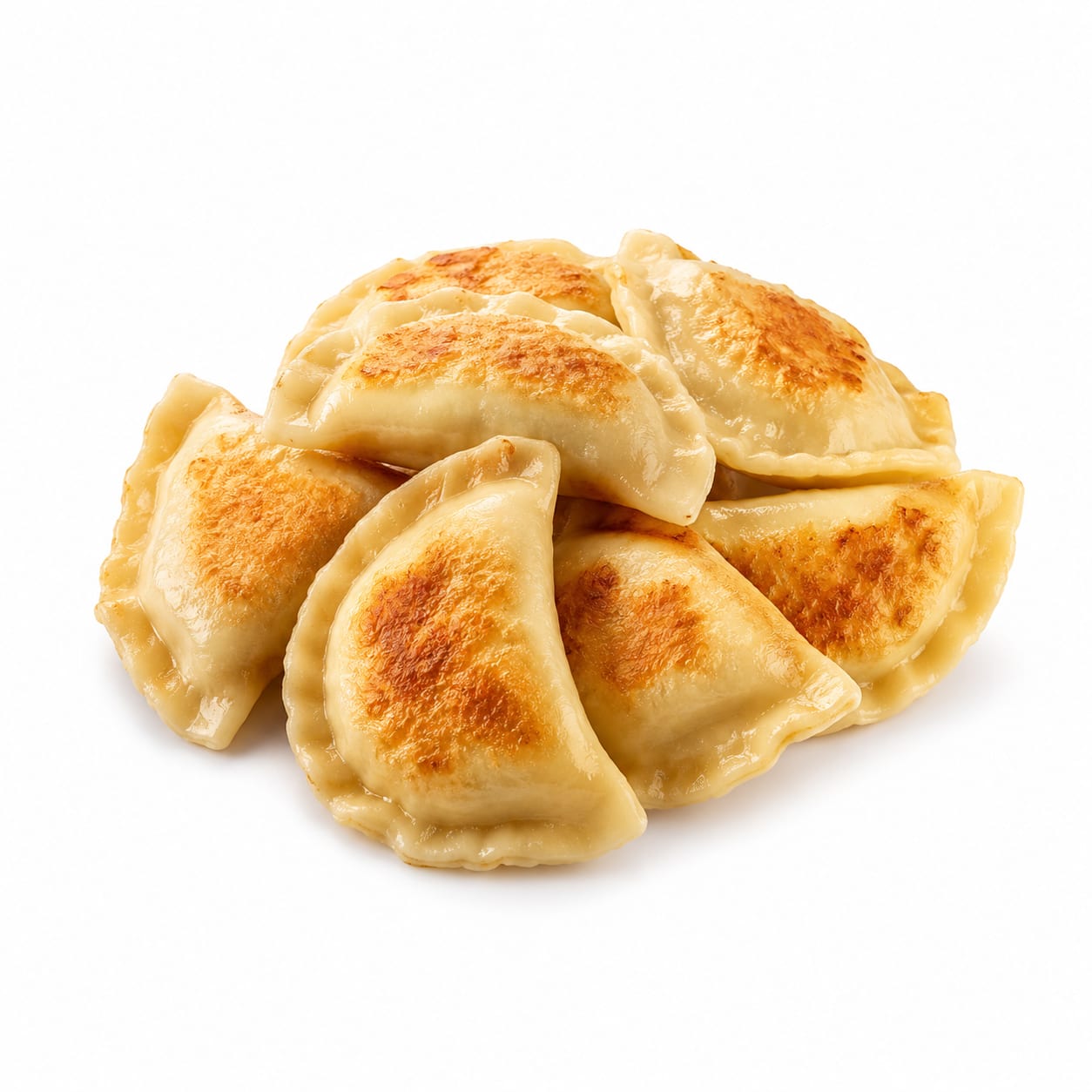
Pierogi
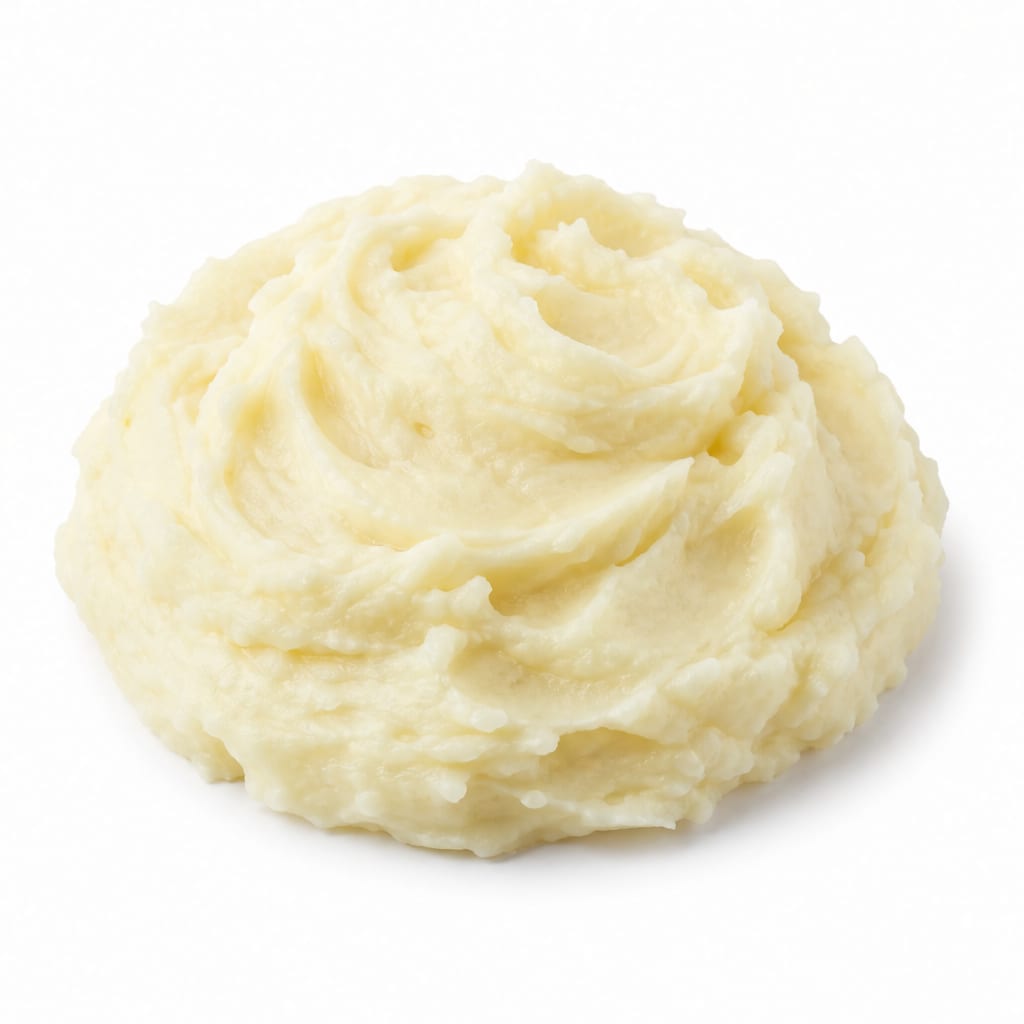
Mashed Potatoes
Mashed potatoes win for simplicity and calorie control; pierogi win for protein, satiety, and satisfaction as a standalone meal.
Mashed potatoes score higher mainly due to lower calorie density, fewer ingredients, and easier portion control. Pierogi lose ground on sodium, refined flour, and calorie load but earn points for protein and satiety when filled with cheese or meat.
Pierogi offer more protein and staying power but cost you significantly more calories and sodium. Mashed potatoes are lighter and simpler but leave you hungry sooner.
At a glance
Executive summary
Overall
It depends
Healthier
Mashed Potatoes
More practical
Mashed Potatoes
Daily use
Mashed Potatoes
Key comparison lenses
comfort food carb comparison
Both foods are starchy comfort staples, so users are likely deciding which carb-heavy side satisfies without overdoing calories
weight management tradeoffs
Pierogi pack more calories per bite due to dough and fillings, while mashed potatoes can be lighter if prepared simply
blood sugar impact
Both are high-glycemic foods, but the dough wrapper and added fat in pierogi slow glucose absorption slightly
meal versatility and convenience
Mashed potatoes are an easy side dish; pierogi can serve as a main or side but require more prep or sourcing
satiety and fullness duration
Pierogi with cheese or meat filling provide more protein and fat, keeping you fuller longer than plain mashed potatoes
Best choice for
Pierogi
- People needing a filling meatless main dish
- Those wanting higher protein from a comfort food
- Active individuals who can afford the extra calories
- Anyone craving a complete satisfying meal in one dish
Mashed Potatoes
- People watching their calorie intake
- Those who want a simple low-effort side dish
- Anyone managing sodium intake
- Families needing an easy everyday staple
Least suitable for
Pierogi
- People on low-calorie or low-sodium diets
- Those avoiding refined flour
- Anyone managing blood sugar tightly
- People who struggle with portion control on rich foods
Mashed Potatoes
- People needing high protein intake
- Those wanting a dish that keeps them full for hours
- Anyone looking for a complete meal rather than a side
- People on low-carb or keto diets
Deep comparison
Dimension by dimension
Each lens scores both foods and breaks down who each option suits.
- Dimension 1 · Priority 92Mashed Potatoes
Calorie Density and Weight Management
Pierogi · 30Mashed Potatoes · 60Pierogi are calorie-dense due to dough, filling, and butter or oil used in pan-frying. Mashed potatoes can be kept relatively light with modest butter and milk.
Tradeoff
You get more flavor and satisfaction per serving with pierogi, but at nearly double the calorie cost of simply prepared mashed potatoes.
Why it matters
If you eat to feel full without overconsuming calories, mashed potatoes give you more volume per calorie. Pierogi make that much harder.
Real-world impact
A plate of six pierogi can easily hit 500-600 calories before any sides. A generous cup of mashed potatoes sits around 200-250 calories with moderate butter.
Pierogi
- Weight gain when that is the goal
- Recovering from illness with low appetite
Better for
- Cutting calories for weight loss
- Controlling portions at dinner
Worse for
Mashed Potatoes
- Steady weight maintenance
- Creating a calorie deficit without feeling deprived
Better for
- Situations where you need high energy density
- Very active days when you need more fuel
Worse for
- Dimension 2 · Priority 82Pierogi
Blood Sugar Stability
Pierogi · 38Mashed Potatoes · 30Both foods spike blood sugar significantly, but pierogi's added fat and protein from filling and butter slow absorption slightly compared to mashed potatoes alone.
Tradeoff
Neither food is great for blood sugar, but pierogi offer a modest advantage because the dough and fat buffer the glucose rise. Mashed potatoes digest faster, causing a quicker spike and crash.
Why it matters
If you are prediabetic or insulin resistant, both foods require careful pairing with protein and fiber to blunt the glycemic response.
Real-world impact
Eating mashed potatoes on their own can leave you tired and hungry again within 90 minutes. Pierogi with cheese filling might buy you an extra 30-60 minutes before the crash.
Pierogi
- Slightly slower glucose release
- Pairing with protein is already built in with cheese fillings
Better for
- Large portions cause a prolonged insulin response
- Refined flour adds another high-glycemic layer
Worse for
Mashed Potatoes
- Easier to control portions since you can serve a small scoop
- Simple to pair with a lean protein side
Better for
- Rapid blood sugar spike when eaten alone
- Quick energy crash leading to more snacking
Worse for
- Dimension 3 · Priority 85Pierogi
Satiety and Fullness
Pierogi · 70Mashed Potatoes · 45Pierogi with cheese or meat filling provide significantly more protein and fat, which keeps you full far longer than mashed potatoes.
Tradeoff
That fullness comes at a high calorie price. Mashed potatoes fill your stomach temporarily but digest quickly, leaving you hungry again sooner.
Why it matters
If you tend to snack between meals or overeat at dinner, choosing the more satiating option can reduce total daily intake despite higher per-serving calories.
Real-world impact
After a pierogi dinner, you are less likely to raid the fridge at 10 PM. After a mashed potato dinner, you might be hunting for a snack within two hours.
Pierogi
- Reducing between-meal snacking
- Feeling satisfied after one plate
- Active people who need lasting fuel
Better for
- Feeling overly stuffed if you eat too many
- Heavy feeling that can reduce afternoon energy
Worse for
Mashed Potatoes
- Light meals before exercise
- Days when you prefer eating smaller amounts more frequently
Better for
- Hunger returning quickly
- Needing to add protein sides to feel satisfied
Worse for
- Dimension 4 · Priority 78Mashed Potatoes
Sodium Load
Pierogi · 28Mashed Potatoes · 55Pierogi are surprisingly high in sodium, especially cheese and meat fillings, plus salted boiling water and pan-frying butter. Mashed potatoes contain only the salt you choose to add.
Tradeoff
With mashed potatoes, you control every grain of salt. With pierogi, the sodium is baked in and hidden.
Why it matters
For anyone with hypertension, heart disease risk, or kidney concerns, sodium is a silent dealbreaker that adds up fast across a day of eating.
Real-world impact
Six frozen pierogi can contain 800-1200mg of sodium. A cup of homemade mashed potatoes might have 200-400mg depending on your salt hand.
Pierogi
- Situations where sodium is not a concern
- Post-sweat repletion when you need electrolytes
Better for
- Anyone on a low-sodium diet
- People with hypertension or heart disease
Worse for
Mashed Potatoes
- Blood pressure management
- Controlling daily sodium intake easily
Better for
- Very bland taste if you undersalt, leading to over-buttering
Worse for
- Dimension 5 · Priority 75Pierogi
Protein Quality and Quantity
Pierogi · 62Mashed Potatoes · 25Cheese or meat-filled pierogi deliver meaningful protein per serving. Mashed potatoes provide almost none unless you add gravy or eat them alongside a protein source.
Tradeoff
Pierogi function closer to a complete meal because of their protein content. Mashed potatoes are purely a carb side that requires a separate protein dish.
Why it matters
Protein is essential for muscle maintenance, satiety, and metabolic health. Getting it from a comfort food is a rare win.
Real-world impact
A serving of cheese pierogi provides roughly 10-14g of protein. A cup of mashed potatoes offers about 4g, which is negligible for any protein goal.
Pierogi
- Vegetarians needing protein from non-meat sources
- Making a single-dish meal that actually satisfies
Better for
- Protein quality from cheese is incomplete compared to meat or eggs
- Still not enough protein for serious muscle-building goals
Worse for
Mashed Potatoes
- Meals that already include a dedicated protein like chicken or fish
- Anyone who prefers getting protein from higher-quality sources
Better for
- Virtually no protein contribution to your daily needs
- Requires planning to add protein elsewhere in the meal
Worse for
- Dimension 6 · Priority 70Mashed Potatoes
Processing and Ingredient Simplicity
Pierogi · 35Mashed Potatoes · 65Mashed potatoes are made from whole potatoes with minimal additions. Pierogi involve refined flour dough, processed fillings, and often preservatives in frozen varieties.
Tradeoff
Mashed potatoes give you a short, recognizable ingredient list. Pierogi, especially store-bought, hide refined carbs, additives, and fillers behind a comforting exterior.
Why it matters
Less processing generally means better nutrient retention, fewer hidden additives, and more predictable effects on your body.
Real-world impact
Homemade mashed potatoes contain potatoes, butter, milk, and salt. Frozen pierogi can include dough conditioners, preservatives, and fillers you would never cook with at home.
Pierogi
- Homemade pierogi with simple fillings can close this gap significantly
Better for
- Refined flour wrapper strips away fiber and nutrients
- Store-bought versions often contain preservatives and emulsifiers
Worse for
Mashed Potatoes
- Transparency about what you are eating
- Fewer mystery ingredients and additives
- Better nutrient retention from whole food
Better for
- Over-buttering or adding cream can turn a simple dish into a rich one
Worse for
Timeline
Health impact over time
Short-term
Hours to days
Pierogi
- Quick satisfaction and fullness from fat and protein content
- Possible bloating from refined flour and rich fillings
- Energy crash within 2-3 hours if eaten in large portions
- High sodium may cause thirst and water retention
Mashed Potatoes
- Rapid blood sugar spike followed by hunger within 1-2 hours
- Light feeling in the stomach compared to heavier dishes
- Easy to overeat because of low satiety per calorie
- Comforting and easy to digest for most people
Long-term
Months to years
Pierogi
- Regular consumption contributes to high sodium intake and cardiovascular risk
- Refined flour wrapper adds to daily processed carb load
- Cheese filling provides calcium but also saturated fat
- Risk of gradual weight gain if eaten frequently due to calorie density
Mashed Potatoes
- Frequent consumption without protein pairing may worsen insulin sensitivity
- Low nutrient density beyond potassium and some vitamin C
- Easy to habitually over-butter, increasing saturated fat intake over time
- Generally neutral if portions are controlled and paired with protein and vegetables
Risk profile
Safety & processing
Mashed potatoes are clearly less processed, typically involving just whole potatoes, dairy, and salt. Pierogi require refined flour dough and often contain preservatives, especially in frozen form. Homemade pierogi narrow this gap considerably, but the refined flour wrapper remains a processing step that mashed potatoes skip entirely.
Pierogi
Foodborne illness from improper filling storage
mediumCheese and meat fillings can harbor bacteria if pierogi are left at room temperature too long or undercooked. Frozen varieties reduce this risk significantly.
Allergen exposure from multiple ingredients
mediumPierogi commonly contain wheat, dairy, and sometimes eggs, making them a multi-allergen food that requires careful checking for sensitive individuals.
Mashed Potatoes
Solanine toxicity from green or sprouted potatoes
lowImproperly stored potatoes can develop solanine, which causes digestive upset. Simply cutting away green spots and sprouts eliminates this concern.
Dairy spoilage in leftover mashed potatoes
lowMashed potatoes made with milk or butter can spoil faster than plain boiled potatoes. Refrigerate leftovers within two hours and consume within 3-4 days.
Who wins for whom
Audience fit
Same foods, different winners depending on your goal.
children
Mashed PotatoesMashed potatoes are gentler on young digestive systems, have fewer allergens, and are easier to portion appropriately. Pierogi can be a choking hazard for toddlers and contain more sodium than kids need.
daily consumption
Mashed PotatoesMashed potatoes are simpler, less processed, and easier to incorporate regularly without excessive calorie or sodium accumulation. Pierogi are better enjoyed as an occasional meal.
diabetes
It dependsNeither food is diabetes-friendly on its own. Pierogi have slightly slower glucose release due to fat and protein, but refined flour is problematic. Mashed potatoes spike blood sugar faster but are easier to portion-control and pair with fiber-rich vegetables.
elderly
Mashed PotatoesMashed potatoes are soft, easy to chew and digest, and lower in sodium. Pierogi's higher sodium content is particularly concerning for older adults managing blood pressure or heart conditions.
muscle gain
PierogiCheese or meat-filled pierogi provide more protein per serving, which supports muscle repair. Neither food is ideal for muscle gain on its own, but pierogi contribute more toward that goal.
weight loss
Mashed PotatoesMashed potatoes offer better portion control and lower calorie density, making it easier to stay within a calorie deficit. Pierogi's calorie load works against weight loss goals.
Your move
Decision guide
Choose Pierogi
- You want a satisfying standalone meal rather than just a side dish
- You are active and can handle the extra calories without issue
- You are craving something hearty and comforting on a cold evening
- You are making them from scratch with quality ingredients and controlling the sodium
Choose Mashed Potatoes
- You need a simple side dish for a balanced plate with protein and vegetables
- You are watching your calorie or sodium intake
- You want something light that will not leave you feeling heavy or sluggish
- You are meal prepping and need a versatile base that pairs with anything
Either works if
- You are eating a balanced meal with plenty of vegetables and lean protein alongside
- You simply want a comforting carb and will adjust the rest of your day accordingly
- You are cooking for a group and offering both as options
Avoid both if
- You are on a strict low-carb or ketogenic diet
- You are managing diabetes and cannot pair either food with adequate protein and fiber
- You are trying to minimize refined starches and high-glycemic foods in your diet
Final recommendation
For everyday eating, mashed potatoes are the safer and simpler choice. Save pierogi for when you want a satisfying treat meal that stands on its own. If you love pierogi, making them homemade with whole wheat dough and less salt closes the health gap considerably while keeping the comfort factor high.
Practical
Consumer tips
- 1
If you choose pierogi, boil them instead of pan-frying to cut calories and fat by roughly 30%
- 2
Make mashed potatoes with Greek yogurt instead of butter and cream to add protein while keeping them creamy
- 3
Pair either food with a large serving of non-starchy vegetables to blunt the blood sugar spike and add missing fiber
- 4
If buying frozen pierogi, check the sodium label — some brands contain over 400mg per serving
- 5
For mashed potatoes, leave some skin on for added fiber and potassium — it also improves texture
- 6
Limit pierogi portions to 4-5 per meal and fill the rest of your plate with vegetables and a lean protein
- 7
Make a large batch of mashed potatoes and freeze portions for easy weeknight sides without the prep time