
Nutrition comparison
Pierogi vs Gnocchi: Which Dumpling Is Healthier?
Compare pierogi and gnocchi on calories, protein, sodium, and blood sugar impact. Find out which carb-heavy comfort food fits your health goals better.
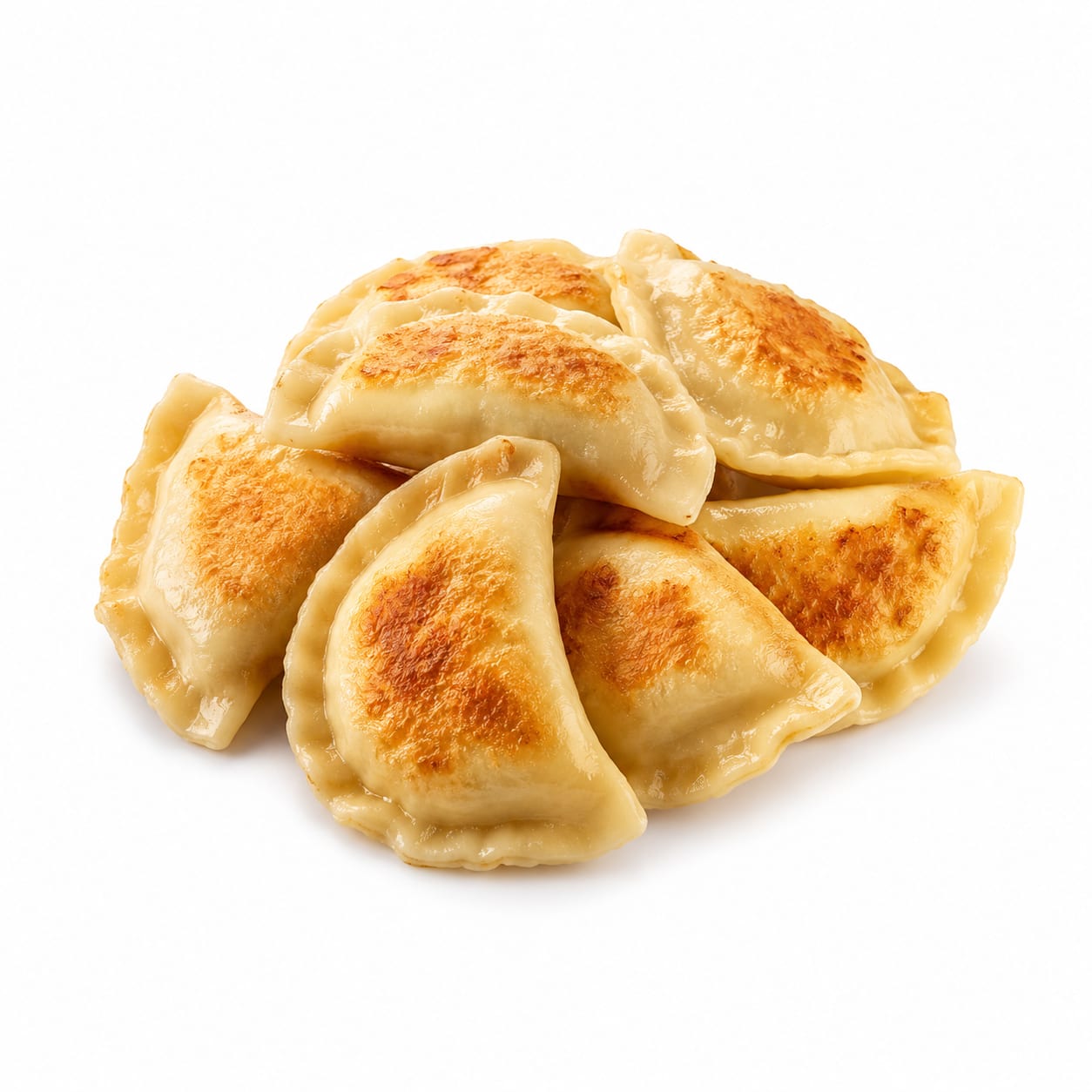
Pierogi
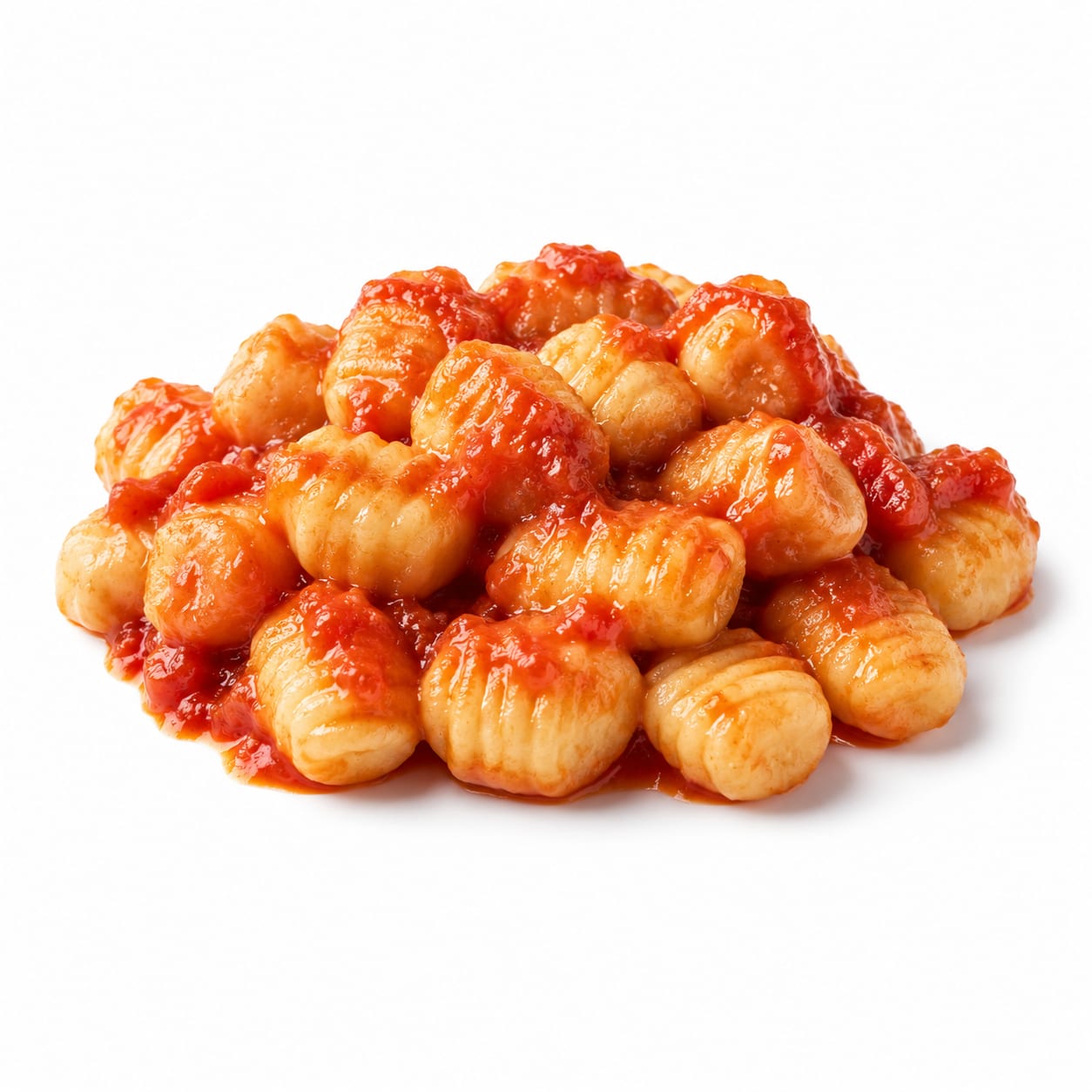
Gnocchi
Gnocchi is lighter and simpler, while pierogi are more filling and nutritionally complex due to their fillings.
Gnocchi scores slightly higher due to lower calorie density and simpler ingredients, but pierogi's protein advantage from fillings keeps them competitive depending on context.
Lighter carb load with gnocchi versus more protein and satiety with pierogi, but at the cost of higher calories and sodium.
At a glance
Executive summary
Overall
It depends
Healthier
It depends
More practical
Gnocchi
Daily use
Gnocchi
Key comparison lenses
carb-heavy comfort food choice for weight management
Both are starchy dumplings, so calorie density and portion control are the real decision drivers
blood sugar impact of potato-based dishes
Both rely heavily on refined carbs and potatoes, making glycemic response a top concern
protein and satiety comparison
Pierogi often contain cheese or meat fillings that change the fullness equation significantly
sodium and heart health tradeoffs
Filled pierogi can be surprisingly high in sodium, especially with cheese or sauerkraut
meal versatility and satisfaction
Users want to know which feels more like a complete meal versus a side dish
Best choice for
Pierogi
- People wanting a complete meal in one dish
- Those needing higher protein from cheese or meat fillings
- Anyone seeking long-lasting fullness from a single serving
- Comfort food cravings that also deliver some nutrition
Gnocchi
- Lighter eaters wanting a side dish or quick meal base
- Those watching calorie intake more strictly
- People who prefer simpler ingredient lists
- Anyone meal-prepping with versatile sauce pairings
Least suitable for
Pierogi
- People strictly limiting sodium
- Those wanting a light meal before physical activity
- Anyone counting calories closely
Gnocchi
- People needing substantial protein from their carb dish
- Those who find carb-only meals unsatisfying
- Anyone looking for a self-contained meal without additions
Deep comparison
Dimension by dimension
Each lens scores both foods and breaks down who each option suits.
- Dimension 1 · Priority 93Gnocchi
Calorie Density and Portion Control
Pierogi · 35Gnocchi · 60Pierogi pack significantly more calories per serving, especially when pan-fried or filled with cheese and meat.
Tradeoff
Gnocchi lets you eat a satisfying-looking portion for fewer calories, but you may feel hungry sooner.
Why it matters
With comfort foods, portion distortion is the biggest risk. Six pierogi can easily hit 500+ calories before butter or sour cream.
Real-world impact
A plate of gnocchi with light sauce feels like a full meal at around 350-400 calories. The same visual portion of pierogi can exceed 600 calories fast.
Pierogi
- Active individuals who burn more calories
- People eating one large meal instead of several small ones
Better for
- Anyone tracking calories closely
- People prone to overeating comfort foods
Worse for
Gnocchi
- Calorie-conscious eaters
- Those who prefer larger food volumes
Better for
- Those who need calorie-dense meals to maintain weight
Worse for
- Dimension 2 · Priority 88Pierogi
Protein and Satiety
Pierogi · 65Gnocchi · 30Cheese or meat-filled pierogi deliver meaningful protein that gnocchi simply cannot match.
Tradeoff
Pierogi keep you full longer, but that fullness comes with heavier calorie and sodium loads.
Why it matters
Protein is the difference between a meal that holds you for 3 hours versus one that leaves you snacking in 90 minutes.
Real-world impact
A serving of cheese pierogi offers 12-15g of protein. Gnocchi typically delivers under 5g unless you add chicken or beans on top.
Pierogi
- People who skip protein sides and want it built in
- Those needing sustained energy without between-meal snacking
Better for
- Vegetarians eating fruit-filled pierogi, which offer minimal protein
Worse for
Gnocchi
- Anyone pairing with a separate protein source like grilled chicken
Better for
- People eating gnocchi as a standalone meal without protein additions
Worse for
- Dimension 3 · Priority 86It depends
Blood Sugar Stability
Pierogi · 42Gnocchi · 40Both are glycemic landmines. Pierogi's protein slightly slows the spike, but not enough to declare a winner.
Tradeoff
Neither food is blood-sugar-friendly. The real question is which one you can pair more effectively with fiber and protein.
Why it matters
Potato-based foods hit blood sugar fast. Without fiber or fat to slow absorption, both options can trigger energy crashes.
Real-world impact
Eating either on an empty stomach will likely cause a spike and dip within two hours. Adding vegetables or a side salad changes the equation significantly.
Pierogi
- Cheese-filled versions with some fat and protein to blunt the spike
Better for
- Potato and cheese pierogi with no fiber side
- Fruit-filled versions with added sugar
Worse for
Gnocchi
- Whole wheat gnocchi varieties that add a bit more fiber
Better for
- Plain gnocchi with sugary tomato sauce on an empty stomach
Worse for
- Dimension 4 · Priority 80Gnocchi
Sodium and Heart Health
Pierogi · 30Gnocchi · 55Pierogi fillings, especially cheese and sauerkraut, can deliver a full day's sodium in a generous serving.
Tradeoff
Gnocchi's milder sodium profile gives you more room to control salt through sauce choices.
Why it matters
Restaurant and frozen pierogi regularly exceed 800mg sodium per serving. That matters for blood pressure even in young, healthy people.
Real-world impact
Six frozen cheese pierogi can contain 1000-1400mg sodium. Homemade gnocchi with light sauce stays under 400mg easily.
Pierogi
- Homemade pierogi where you control the salt
- Fruit-filled versions with naturally lower sodium
Better for
- People with hypertension eating store-bought pierogi
- Anyone on a low-sodium diet
Worse for
Gnocchi
- Anyone monitoring blood pressure
- People who salt their food at the table and need margin elsewhere
Better for
- Those who drown gnocchi in salty pre-made sauces
Worse for
- Dimension 5 · Priority 72Gnocchi
Ingredient Simplicity and Processing
Pierogi · 40Gnocchi · 65Gnocchi require just potatoes, flour, and sometimes egg. Pierogi involve dough plus fillings that add complexity.
Tradeoff
Simpler ingredients mean fewer surprises, but also less nutritional variety built into the dish.
Why it matters
Frozen pierogi often contain preservatives, modified starches, and fillers that homemade versions would never include.
Real-world impact
A package of store-bought gnocchi typically has 3-5 recognizable ingredients. Frozen pierogi ingredient lists can stretch to 15+ items with preservatives and dough conditioners.
Pierogi
- Homemade pierogi with whole food fillings
Better for
- Anyone concerned about hidden preservatives in frozen foods
Worse for
Gnocchi
- People avoiding ultra-processed foods
- Those who value short, readable ingredient lists
Better for
- Shelf-stable gnocchi with added stabilizers
Worse for
- Dimension 6 · Priority 70Gnocchi
Meal Versatility
Pierogi · 45Gnocchi · 70Gnocchi work as a blank canvas for any cuisine or sauce. Pierogi are more self-contained but less flexible.
Tradeoff
Pierogi arrive flavor-complete but resist modification. Gnocchi adapt to anything but need help to become a full meal.
Why it matters
Versatility determines how often you can eat something without getting bored or nutritionally imbalanced.
Real-world impact
Gnocchi pair with pesto, marinara, brown butter, or broth. Pierogi are locked into Eastern European flavor profiles, which limits weekly rotation.
Pierogi
- People wanting a complete dish without thinking about sides
- Traditional meal enthusiasts
Better for
- People who get bored eating the same flavor profile repeatedly
Worse for
Gnocchi
- Creative cooks who vary sauces and toppings weekly
- Anyone building balanced plates with different proteins and vegetables
Better for
- Those who want a dish that stands alone without planning additions
Worse for
Timeline
Health impact over time
Short-term
Hours to days
Pierogi
- Heavy fullness that can cause sluggishness within an hour
- Potential bloating from rich fillings and dough
- Quick energy from carbs but sustained by filling protein in savory versions
Gnocchi
- Lighter initial feeling but hunger returns within 1-2 hours without protein
- Faster blood sugar rise on an empty stomach due to lack of fat and protein
- Easy to overeat because the light texture masks the carb density
Long-term
Months to years
Pierogi
- Regular consumption of high-sodium frozen pierogi raises blood pressure risk
- Calorie density contributes to gradual weight gain if portions are not managed
- Traditional preparation with butter and sour cream adds saturated fat exposure
Gnocchi
- Frequent consumption without protein or fiber sides promotes blood sugar instability
- Low nutrient density means missed opportunities for vitamins and minerals
- Easier to maintain reasonable portions, supporting weight stability
Risk profile
Safety & processing
Homemade versions of both are relatively clean, but the gap widens dramatically with store-bought options. Frozen pierogi often contain preservatives, dough conditioners, and sodium-heavy fillers. Shelf-stable gnocchi can include stabilizers, but the ingredient lists stay shorter overall.
Pierogi
Dairy spoilage in cheese-filled varieties
mediumCheese and meat fillings create higher risk if refrigeration is inconsistent, especially with homemade pierogi stored too long.
Sodium nitrite in meat-filled versions
lowSome commercial meat fillings contain cured meats with nitrites, though exposure is modest per serving.
Gnocchi
Minimal food safety concerns
lowSimple potato and flour base has very low contamination risk. Shelf-stable versions are extremely safe from a microbial standpoint.
Who wins for whom
Audience fit
Same foods, different winners depending on your goal.
children
GnocchiGnocchi's milder flavor and softer texture appeal to kids, with lower sodium being safer for developing bodies.
daily consumption
GnocchiSimpler ingredients and lower sodium make gnocchi more sustainable as a regular meal base.
diabetes
It dependsNeither is ideal. Pierogi's protein slightly helps, but both require careful pairing with fiber and healthy fats to manage blood sugar.
elderly
GnocchiLower sodium and easier digestibility make gnocchi more appropriate, though both should be served with vegetables.
muscle gain
PierogiCheese or meat-filled pierogi provide more protein per serving, which matters for muscle recovery.
weight loss
GnocchiLower calorie density gives gnocchi a clear edge, though both require portion discipline.
Your move
Decision guide
Choose Pierogi
- You want a self-contained meal with built-in protein
- Comfort food satisfaction matters more than calorie minimization
- You are making them from scratch with controlled ingredients
- You need lasting fullness for a physically active day
Choose Gnocchi
- You want a lighter meal or a versatile side dish
- You plan to add your own protein and vegetables for balance
- Sodium intake is a health priority for you
- You prefer simpler, shorter ingredient lists
Either works if
- You are eating occasionally as a treat rather than a staple
- You pair either dish with a large salad and lean protein
- Blood sugar management is not a primary concern
Avoid both if
- You are following a low-carb or ketogenic diet
- You have severe blood sugar instability without medication
- You need high-fiber meals for digestive health
Final recommendation
Gnocchi is the safer default for regular meals because it gives you more control over calories, sodium, and nutritional balance. Choose pierogi when you want a more satisfying, self-contained meal, but be mindful that the calorie and sodium cost is real. Whichever you pick, adding a vegetable side transforms either from a carb bomb into a reasonable plate.
Practical
Consumer tips
- 1
Make either from scratch when possible. Homemade pierogi with controlled salt and whole grain flour narrow the gap significantly.
- 2
Pair gnocchi with lean protein like grilled chicken and a vegetable sauce to create a balanced meal.
- 3
Limit pierogi to 4-5 per serving and fill half your plate with roasted vegetables or a green salad.
- 4
Choose fruit-filled pierogi for lower sodium, but watch added sugars in the filling.
- 5
Look for whole wheat or spinach gnocchi for slightly better fiber and nutrient density.
- 6
If buying frozen, compare sodium labels across brands. The range can be surprisingly wide.
- 7
Boil or steam instead of pan-frying pierogi to cut 100-200 calories from butter or oil.
- 8
Add a side of sauerkraut to pierogi for probiotics and fiber that complement the meal nutritionally.