
Nutrition comparison
Pierogi vs French Fries: Which is Healthier?
Compare pierogi and french fries on nutrition, satiety, and health risks. Find out which carb-heavy comfort food is the better choice for your diet.
Overall winner · Pierogi
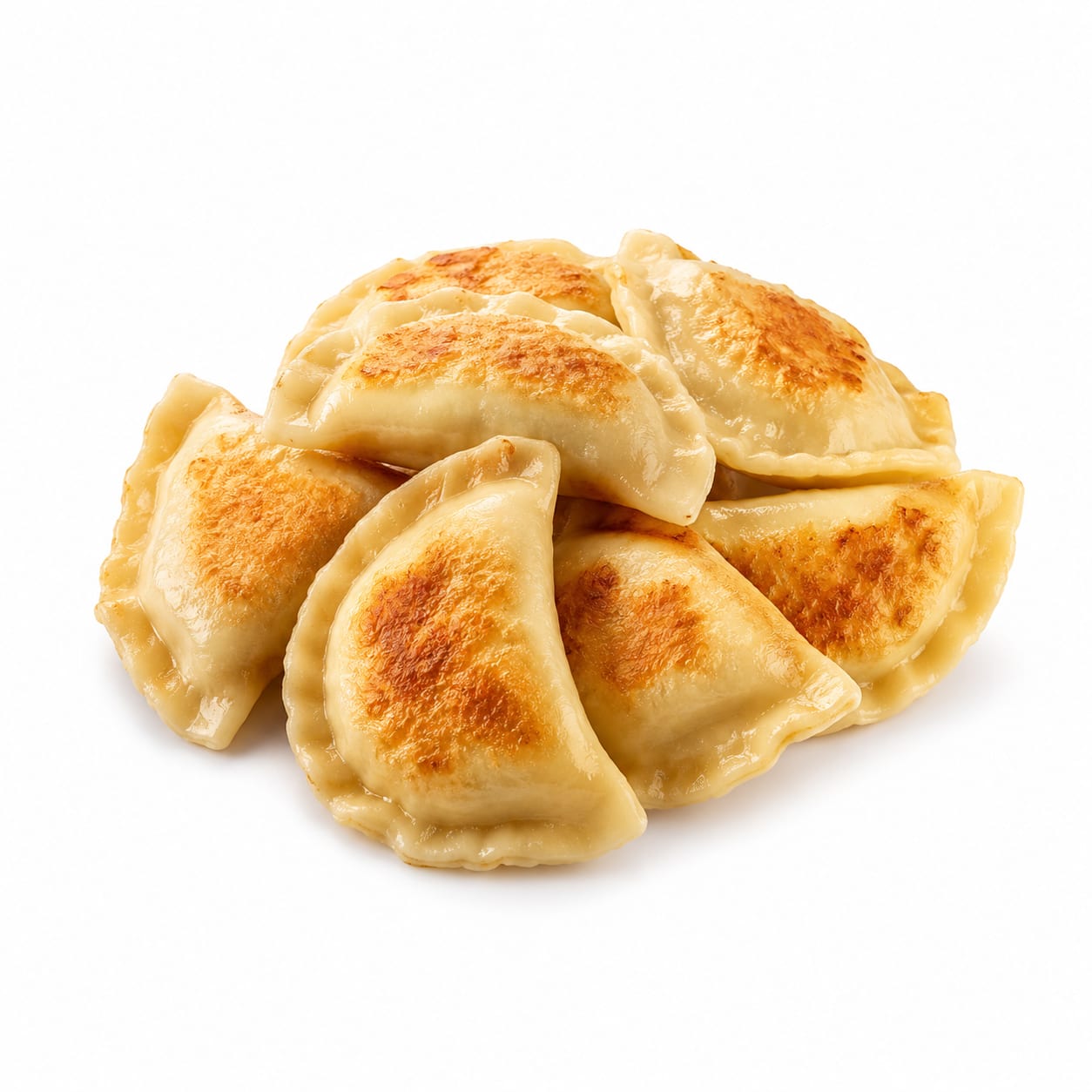
Pierogi
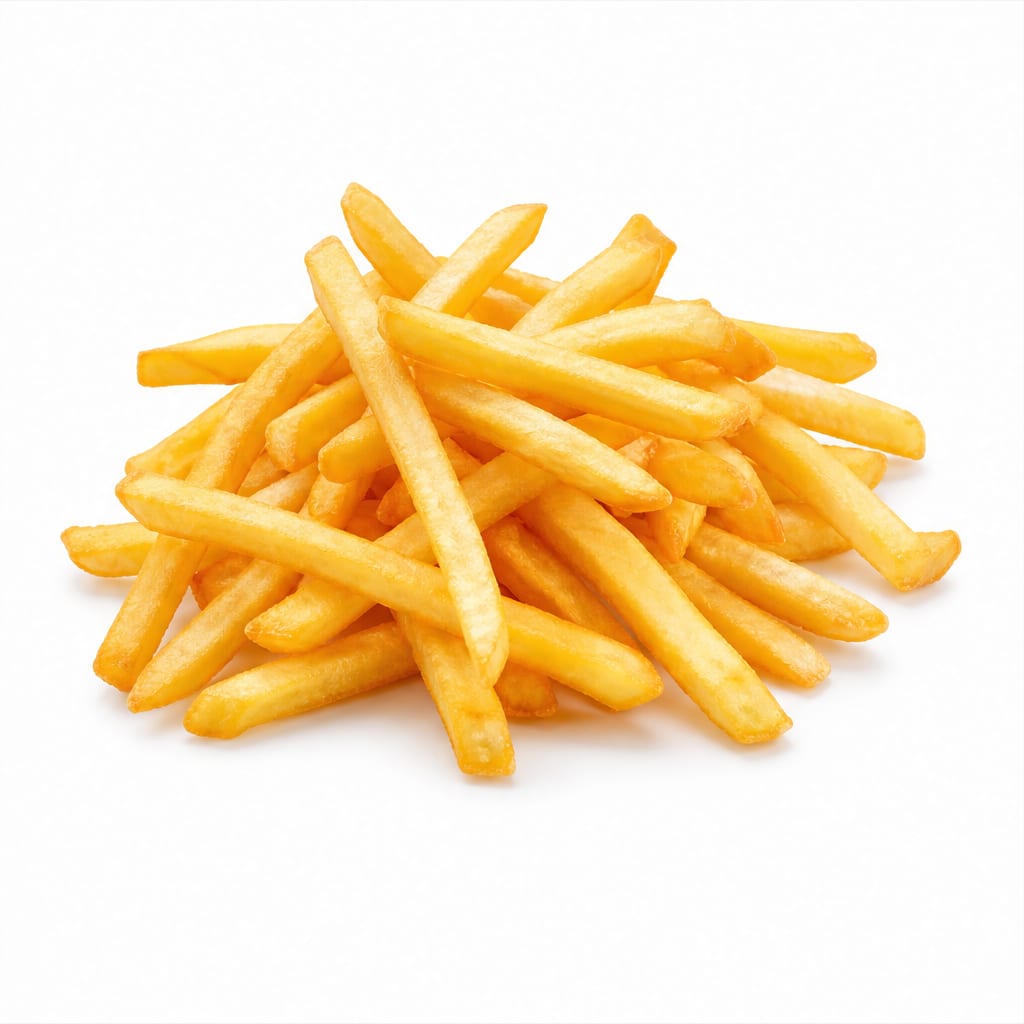
French Fries
Pierogi offer more balanced nutrition with protein from fillings, while French fries are mostly empty carbs and frying oil.
Pierogi score higher due to protein content from fillings and lower inflammatory fats, whereas French fries are heavily deep-fried with minimal protein or micronutrients.
Pierogi provide better satiety and protein, but French fries are faster and more universally available as a side.
At a glance
Executive summary
Overall
Pierogi
Healthier
Pierogi
More practical
French Fries
Daily use
It depends
Key comparison lenses
Comparing carb-heavy comfort foods
Both foods are starchy staples often craved for emotional satisfaction rather than nutritional value
Deep-fried vs boiled or pan-fried health impacts
The cooking method drastically changes the fat content and inflammatory potential of each food
Satiety from macronutrient balance
Pierogi often contain protein-rich fillings, while fries are mostly starch and fat
Acrylamide and high-heat cooking risks
French fries are a major dietary source of acrylamide due to deep-frying starchy potatoes
Best choice for
Pierogi
- People wanting a filling meal that staves off hunger
- Those seeking comfort food with some protein content
- Home cooks willing to prep or boil rather than deep-fry
French Fries
- People needing a quick, cheap side dish on the go
- Those dining out at fast-food or casual restaurants
- Anyone specifically craving crispy, salty starches
Least suitable for
Pierogi
- People strictly limiting carbohydrates or calories
- Those avoiding dairy, as many fillings contain cheese
- Individuals needing instant grab-and-go food
French Fries
- People managing heart disease or high blood pressure
- Those avoiding deep-fried foods or inflammatory oils
- Anyone tracking blood sugar spikes
Deep comparison
Dimension by dimension
Each lens scores both foods and breaks down who each option suits.
- Dimension 1 · Priority 90Pierogi
Satiety & Fullness
Pierogi · 75French Fries · 45Pierogi keep you full longer thanks to protein and fat from cheese or meat fillings.
Tradeoff
French fries digest quickly, leading to faster hunger return.
Why it matters
Staying full prevents overeating later in the day.
Real-world impact
A pierogi lunch keeps afternoon cravings at bay; a fry lunch leads to a 3 PM energy crash.
Pierogi
- Sustained energy for hours
- Reduced snacking between meals
Better for
- Heavier feeling if overeaten
Worse for
French Fries
- Quick energy replenishment post-exercise
Better for
- Hunger returning within an hour
Worse for
- Dimension 2 · Priority 85Pierogi
Inflammatory Fat & Heart Health
Pierogi · 60French Fries · 30French fries are deep-fried, often in inflammatory seed oils, while pierogi are usually boiled or lightly pan-fried.
Tradeoff
Fries carry a heavy load of oxidized fats; pierogi have less frying oil unless heavily buttered.
Why it matters
High intake of deep-fried fats raises cardiovascular risk over time.
Real-world impact
Regular fry consumption is tougher on your heart than occasional pierogi.
Pierogi
- Lower intake of oxidized cooking oils
- More flexibility in cooking method
Better for
- Can still be high in saturated fat if served with butter or sour cream
Worse for
French Fries
- None regarding heart health
Better for
- High in trans fats or inflammatory omega-6s from fryer oil
Worse for
- Dimension 3 · Priority 75Pierogi
Safety & Processing Risks
Pierogi · 70French Fries · 40Fries contain acrylamide from high-heat frying, a potential carcinogen. Pierogi carry less of this risk.
Tradeoff
Frozen fries often have added preservatives and dextrose; pierogi fillings are usually simpler.
Why it matters
Reducing exposure to high-heat cooking toxins matters for long-term health.
Real-world impact
Baking or boiling pierogi avoids the browning toxins found in crispy fries.
Pierogi
- Lower acrylamide exposure
- Fewer artificial preservatives in traditional recipes
Better for
- Risk of undercooked meat fillings if homemade
Worse for
French Fries
- Consistent commercial food safety standards
Better for
- High acrylamide levels from deep frying starchy potatoes
Worse for
- Dimension 4 · Priority 70French Fries
Convenience & Availability
Pierogi · 50French Fries · 90French fries are available at almost any restaurant or fast-food drive-thru instantly.
Tradeoff
Pierogi require more prep time at home or seeking out specific restaurants.
Why it matters
Easy access often dictates food choices when busy or traveling.
Real-world impact
Grabbing fries on a road trip is effortless; finding pierogi takes planning.
Pierogi
- Easy to batch-cook and freeze at home
Better for
- Hard to find on standard menus
- Takes longer to cook from scratch
Worse for
French Fries
- Universally available as a side dish
- Ready in minutes from frozen or drive-thru
Better for
- Quality varies drastically between restaurants
Worse for
- Dimension 5 · Priority 65Pierogi
Blood Sugar Impact
Pierogi · 45French Fries · 35Both are carb-heavy, but pierogi's protein and fat slow down sugar absorption compared to fries' fast-digesting starch.
Tradeoff
Neither is ideal for strict blood sugar control, but fries cause a sharper spike and crash.
Why it matters
Sharp blood sugar swings lead to fatigue and cravings.
Real-world impact
Fries hit your blood sugar like a wave; pierogi release energy more gradually.
Pierogi
- Slower glucose release due to filling macros
Better for
- Still a high-carb food requiring insulin response
Worse for
French Fries
- None regarding blood sugar stability
Better for
- Rapid spike and subsequent crash
Worse for
Timeline
Health impact over time
Short-term
Hours to days
Pierogi
- Sustained energy from balanced macros
- Comforting and filling without heavy greasiness
French Fries
- Quick energy spike followed by a crash
- Greasy aftertaste and potential indigestion
Long-term
Months to years
Pierogi
- Moderate weight gain risk if eaten in large portions with heavy butter or sour cream
- Better cardiovascular profile compared to deep-fried alternatives
French Fries
- Higher risk of cardiovascular issues due to oxidized frying oils
- Weight gain risk from high calorie density and low satiety
Risk profile
Safety & processing
Pierogi are typically simpler processed dumplings, while commercial French fries often contain preservatives, dextrose, and sodium acid pyrophosphate to maintain color and texture.
Pierogi
High sodium content
mediumPierogi dough and fillings often contain significant salt, especially in store-bought varieties.
Foodborne illness from undercooked filling
lowMeat-filled pierogi must be cooked thoroughly to avoid bacterial contamination.
French Fries
Acrylamide exposure
highDeep-frying starchy potatoes at high temperatures creates acrylamide, a probable carcinogen.
Oxidized cooking oils
mediumReused fryer oil contains degraded, oxidized fats that promote inflammation.
Who wins for whom
Audience fit
Same foods, different winners depending on your goal.
children
PierogiPierogi are less greasy and offer more balanced nutrition, though kids often prefer the taste of fries.
daily consumption
It dependsNeither is ideal for daily eating, but choosing boiled pierogi over deep-fried fries is the lesser evil.
diabetes
It dependsBoth are high in carbs, but Pierogi's fat and protein slow glucose absorption slightly better than fries.
elderly
PierogiBoiled pierogi are easier to chew and gentler on the digestive system than heavy, fried potatoes.
muscle gain
PierogiPierogi provide some protein from cheese or meat fillings, unlike fries which offer almost none.
weight loss
PierogiPierogi offer more protein which helps preserve muscle and control hunger during a calorie deficit.
Your move
Decision guide
Choose Pierogi
- You want a more balanced meal with protein
- You crave comfort food without deep-frying
- You want to stay full longer
Choose French Fries
- You need a quick side dish
- You are eating out with limited options
- You specifically crave crispy, salty carbs
Either works if
- You are treating yourself and portion control is your main focus
Avoid both if
- You are on a strict low-carb or keto diet
- You are managing severe blood sugar issues
Final recommendation
Opt for Pierogi when you have the choice, especially boiled or lightly pan-fried, as they offer better satiety and fewer frying-related risks than French fries.
Practical
Consumer tips
- 1
Boil or bake pierogi instead of heavy pan-frying to keep them lighter.
- 2
If making fries at home, bake them at a lower temperature to reduce acrylamide formation.
- 3
Pair pierogi with a side of vegetables to balance the heavy carb load.
- 4
Watch portion sizes with sour cream and ketchup, as the condiments add hidden calories and sugar.