
Nutrition comparison
Pierogi vs White Rice: Nutrition, Satiety, and Health Comparison
Comparing Pierogi and White Rice? Discover the key differences in blood sugar impact, sodium, and satiety to find out which carb is better for your diet.
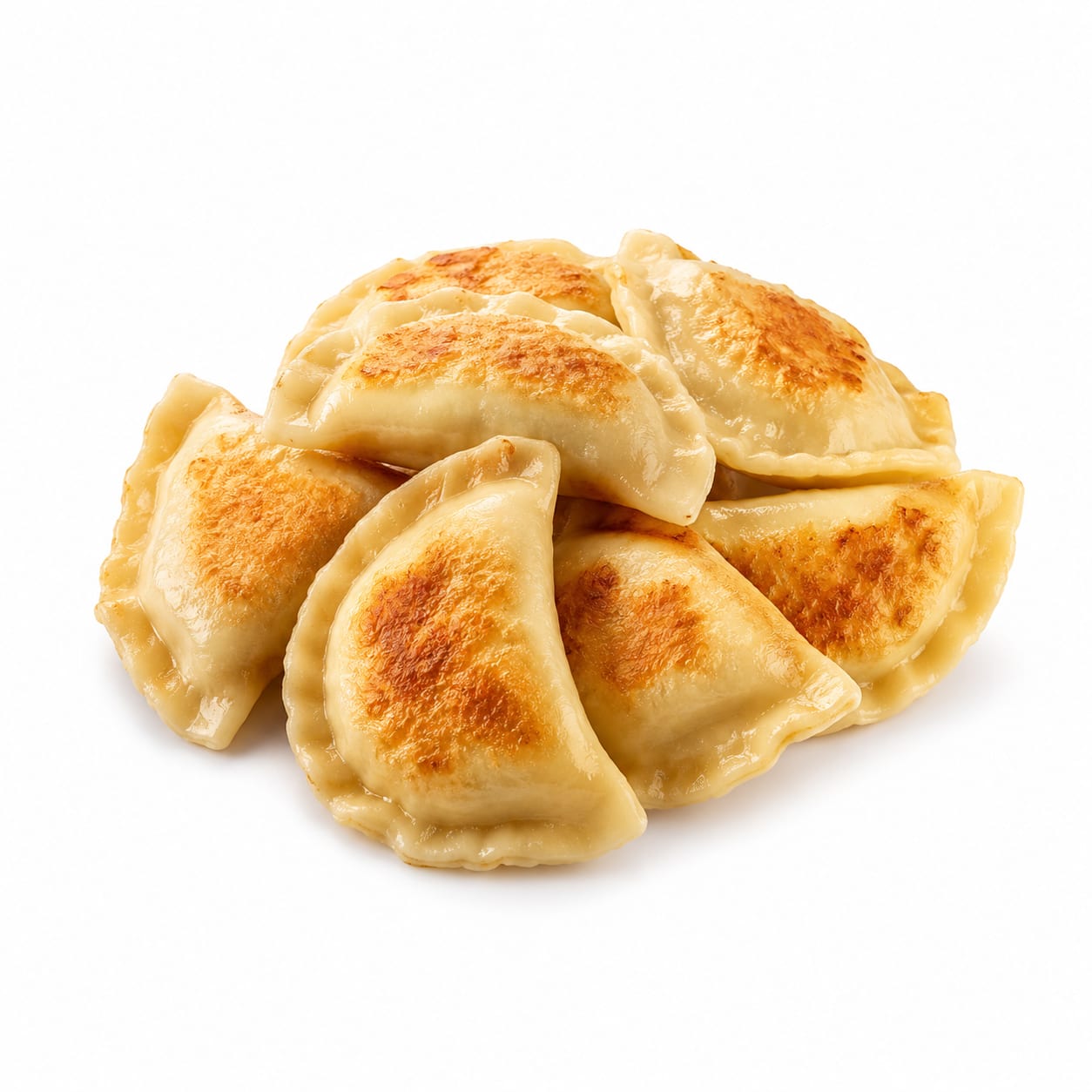
Pierogi
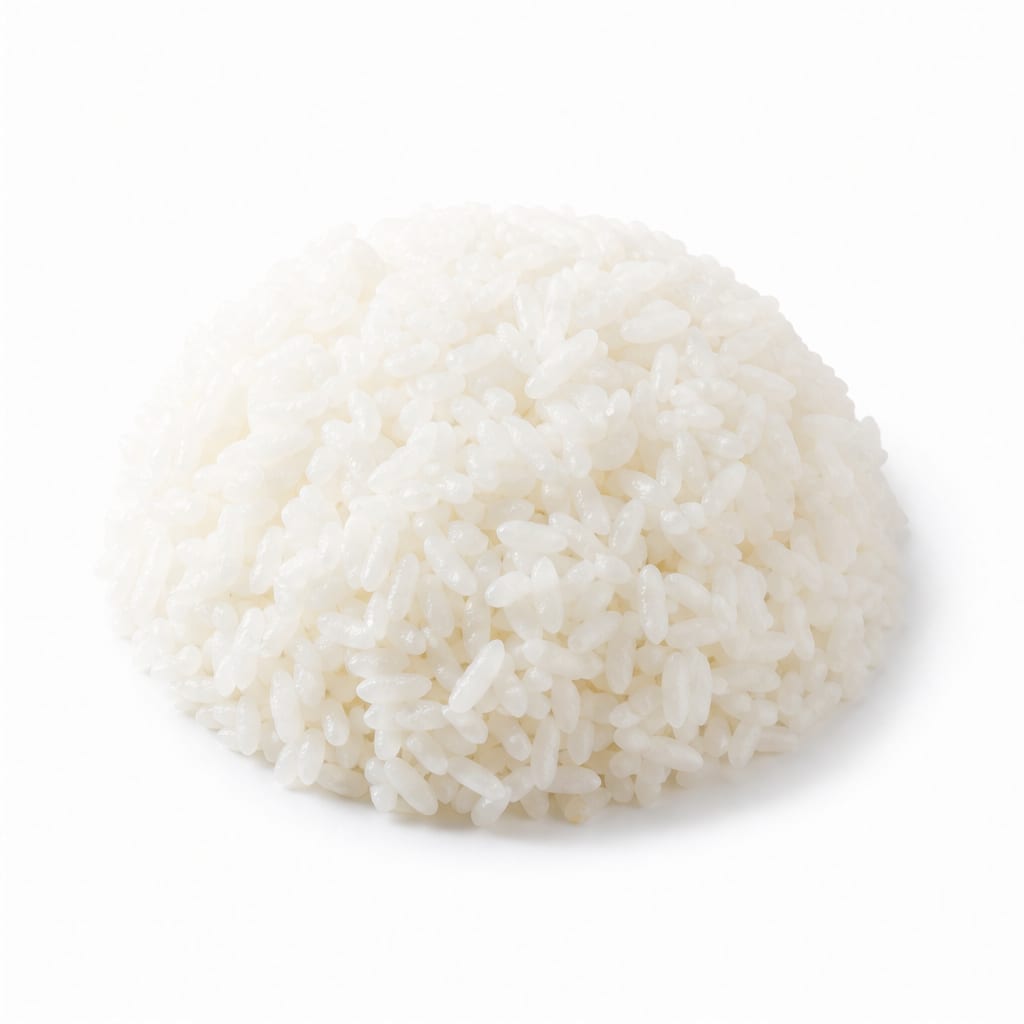
White Rice
Pierogi delivers a heavier, more satisfying comfort meal with built-in fat and protein, while White Rice offers a cleaner, low-sodium carb base that is far easier to pair with nutritious sides.
White Rice scores higher due to its ingredient simplicity, zero sodium, and versatility for building balanced meals. Pierogi scores lower because of its calorie density, sodium load, and processed nature, though it wins on immediate satiety.
Flavor, satiety, and slower digestion from Pierogi versus the dietary flexibility, zero sodium, and ingredient simplicity of White Rice.
At a glance
Executive summary
Overall
It depends
Healthier
White Rice
More practical
White Rice
Daily use
White Rice
Key comparison lenses
Carb quality and blood sugar impact
Both are heavy carbohydrate sources, but their fat and protein profiles drastically change how they affect blood sugar.
Satiety and meal completeness
Pierogi often serves as a complete heavy meal, while White Rice is a side dish that requires protein and fat additions to be filling.
Sodium and heart health tradeoffs
Pierogi can be surprisingly high in sodium, whereas White Rice is naturally sodium-free, making a big difference for cardiovascular diets.
Processing and ingredient simplicity
White Rice is a single-ingredient food, while Pierogi contains dough, fillings, and often preservatives, raising ultra-processing concerns.
Best choice for
Pierogi
- Comfort food cravings on a cold day
- Those needing a calorie-dense, filling meal
- Active individuals wanting slower-digesting carbs before a long day
White Rice
- Post-workout carbohydrate replenishment
- Low-sodium or heart-healthy diets
- Building balanced plates with lean proteins and vegetables
Least suitable for
Pierogi
- Daily consumption due to high sodium and calorie density
- Those managing high blood pressure
- Strict calorie counters
White Rice
- Low-carb or ketogenic diets
- Those who struggle with blood sugar spikes from refined grains
- Needing a standalone satisfying meal
Deep comparison
Dimension by dimension
Each lens scores both foods and breaks down who each option suits.
- Dimension 1 · Priority 90Pierogi
Blood Sugar Stability
Pierogi · 65White Rice · 40Pierogi digests more slowly than White Rice because the fat and protein in the filling slows down carbohydrate absorption.
Tradeoff
You get steadier energy from Pierogi, but at the cost of consuming more saturated fat and calories to achieve that effect.
Why it matters
Eating White Rice alone often leads to an energy crash, whereas Pierogi keeps you fuller for longer without the immediate spike.
Real-world impact
A White Rice lunch might leave you hungry by 3 PM, while a Pierogi lunch will likely keep you full until dinner.
Pierogi
- Steadier afternoon energy
- Avoiding the carb crash from refined grains alone
Better for
- Relying on saturated fat to blunt blood sugar spikes
Worse for
White Rice
- Quick energy after an intense workout
- Easier to pair with high-fiber veggies to manually slow digestion
Better for
- High risk of energy crashes if eaten as a standalone meal
Worse for
- Dimension 2 · Priority 85Pierogi
Satiety and Fullness
Pierogi · 80White Rice · 45Pierogi is far more filling per serving because of its dense filling and fat content, whereas White Rice is easy to overeat before feeling full.
Tradeoff
Pierogi makes you feel stuffed quickly, but that heavy feeling can be uncomfortable compared to the lightness of White Rice.
Why it matters
If you struggle with snacking between meals, Pierogi does a better job of shutting down hunger cues.
Real-world impact
Eating Pierogi feels like a complete, heavy dinner. White Rice feels like a side that leaves you looking for the main course.
Pierogi
- Staying full for hours after eating
- Reducing the urge to snack later
Better for
- That heavy, sluggish feeling after a large portion
Worse for
White Rice
- Lighter meals when you don't want to feel weighed down
- Eating multiple smaller meals throughout the day
Better for
- Overeating because it takes longer to feel satisfied
Worse for
- Dimension 3 · Priority 80White Rice
Sodium and Heart Health
Pierogi · 30White Rice · 95White Rice is naturally sodium-free, while Pierogi—especially frozen or restaurant versions—can pack a surprising amount of salt.
Tradeoff
Choosing Pierogi for flavor and satisfaction means accepting a significant hit to your daily sodium budget.
Why it matters
Consistently high sodium intake is a major driver of high blood pressure and cardiovascular strain.
Real-world impact
A single serving of Pierogi can use up a third of your daily sodium allowance, while White Rice uses zero.
Pierogi
- More flavorful without adding extra salt at the table
Better for
- Risk of water retention and bloating
- Hidden sodium in cheese and dough
Worse for
White Rice
- Keeping blood pressure in check
- Total control over your salt intake
Better for
- Tastes bland without added salt or sauces
Worse for
- Dimension 4 · Priority 75White Rice
Processing and Additives
Pierogi · 35White Rice · 85White Rice is a single-ingredient whole food (though refined), while Pierogi is a manufactured product with dough, fillings, and often preservatives.
Tradeoff
Pierogi offers complex flavors and textures out of the box, but you sacrifice ingredient control and naturalness.
Why it matters
Minimally processed foods are generally easier for the body to process and carry fewer long-term health risks.
Real-world impact
You know exactly what is in your White Rice. With store-bought Pierogi, you are often eating emulsifiers and preservatives.
Pierogi
- Ready-to-eat complex meal with minimal prep
Better for
- Exposure to hidden additives in frozen varieties
Worse for
White Rice
- Clean eating and elimination diets
- Knowing exactly what you are consuming
Better for
- Requires cooking skills and extra ingredients to make a complete meal
Worse for
- Dimension 5 · Priority 70White Rice
Meal Versatility
Pierogi · 40White Rice · 90White Rice is a blank canvas that pairs with almost any cuisine, while Pierogi is a specific Eastern European dish that dominates the plate.
Tradeoff
Pierogi brings its own personality to the meal, but it limits what you can serve it with compared to White Rice.
Why it matters
A versatile carb makes it much easier to eat a wide variety of proteins and vegetables throughout the week.
Real-world impact
White Rice can go alongside salmon, stir-fry, or beans. Pierogi pretty much demands sour cream and caramelized onions.
Pierogi
- A culturally specific, comforting meal experience
Better for
- Meal fatigue if eaten too often
Worse for
White Rice
- Adapting to any flavor profile or cuisine
- Batch cooking for multiple different meals
Better for
- Boring if you don't know how to season or pair it well
Worse for
Timeline
Health impact over time
Short-term
Hours to days
Pierogi
- Heavy fullness that can cause lethargy if overconsumed
- Potential bloating from the dense dough and cheese filling
- High sodium may cause immediate water retention
White Rice
- Quick burst of energy that may fade rapidly if eaten alone
- Very easy on the stomach, often used for digestive upset
- Leaves you hungry again soon without added protein or fat
Long-term
Months to years
Pierogi
- Frequent consumption may contribute to high blood pressure due to sodium
- Calorie density can lead to gradual weight gain if portions aren't managed
- Higher saturated fat intake from cheese and butter impacts heart health
White Rice
- Relying on it as a dietary staple without fiber can increase diabetes risk
- Easily fits into a balanced diet when paired with healthy fats and proteins
- Low sodium supports long-term cardiovascular health
Risk profile
Safety & processing
White Rice is simply a milled grain with nothing added, making it a clean base. Pierogi is a constructed food with multiple ingredients, and frozen versions often contain preservatives to maintain texture and shelf life.
Pierogi
High sodium load
mediumRegularly eating Pierogi can easily push daily sodium intake above recommended limits, straining the cardiovascular system over time.
Foodborne illness from improper storage
mediumBecause Pierogi contains dairy and sometimes meat, leaving frozen Pierogi at room temperature can quickly lead to bacterial growth.
White Rice
Arsenic exposure
lowRice can accumulate arsenic from soil and water. Rinsing rice thoroughly and cooking it in excess water significantly reduces this risk.
Who wins for whom
Audience fit
Same foods, different winners depending on your goal.
children
PierogiPierogi is highly palatable, comforting, and easier to get kids to eat, while providing some protein and fat for growth.
daily consumption
White RiceWhite Rice is a neutral, low-sodium staple that can be eaten daily without the cumulative health risks of the fats and sodium in daily Pierogi consumption.
diabetes
It dependsWhite Rice causes faster blood sugar spikes but is easier to portion control. Pierogi digests slower due to fat, but its carb and calorie density can still challenge blood sugar management. Pairing White Rice with fiber and protein is generally the safer strategy.
elderly
White RiceWhite Rice is extremely easy to chew and digest, and its zero-sodium profile is much safer for aging cardiovascular systems.
muscle gain
White RiceWhite Rice provides fast-digesting carbs ideal for post-workout recovery and replenishing glycogen stores without slowing digestion with heavy fats.
weight loss
White RiceWhite Rice is lower in calories and fat, making it easier to fit into a calorie deficit, provided portions are measured.
Your move
Decision guide
Choose Pierogi
- You are craving a hearty, comforting winter meal
- You need a single dish that provides carbs, fat, and protein together
- You are highly active and need sustained energy for hours
Choose White Rice
- You need a versatile carb base for lean proteins and vegetables
- You are watching your blood pressure or sodium intake
- You want a quick post-workout recovery meal
Either works if
- You just need a carb source to round out a meal
- You are cooking for a family with diverse tastes
Avoid both if
- You are on a strict low-carb or ketogenic diet
- You are trying to maximize fiber intake for gut health
Final recommendation
Choose White Rice as your everyday carb base for its dietary flexibility and clean profile, and save Pierogi for occasional comfort meals where its richness and satisfaction can truly shine.
Practical
Consumer tips
- 1
Boil Pierogi instead of pan-frying them in butter to cut calories and fat significantly.
- 2
Cool cooked White Rice in the fridge before eating to create resistant starch, which lowers its glycemic impact and feeds gut bacteria.
- 3
Rinse White Rice thoroughly before cooking to reduce arsenic levels.
- 4
If eating White Rice alone, add a splash of vinegar or a side of healthy fats to slow down carb absorption.
- 5
Look for handmade Pierogi from local delis rather than mass-produced frozen ones to avoid preservatives and excessive sodium.