
Nutrition comparison
Pierogi vs Potstickers: Which Dumpling Is Healthier?
Compare pierogi and potstickers on protein, carbs, sodium, and satiety. Find out which dumpling fits your health goals and when to choose each one.
Overall winner · Potstickers
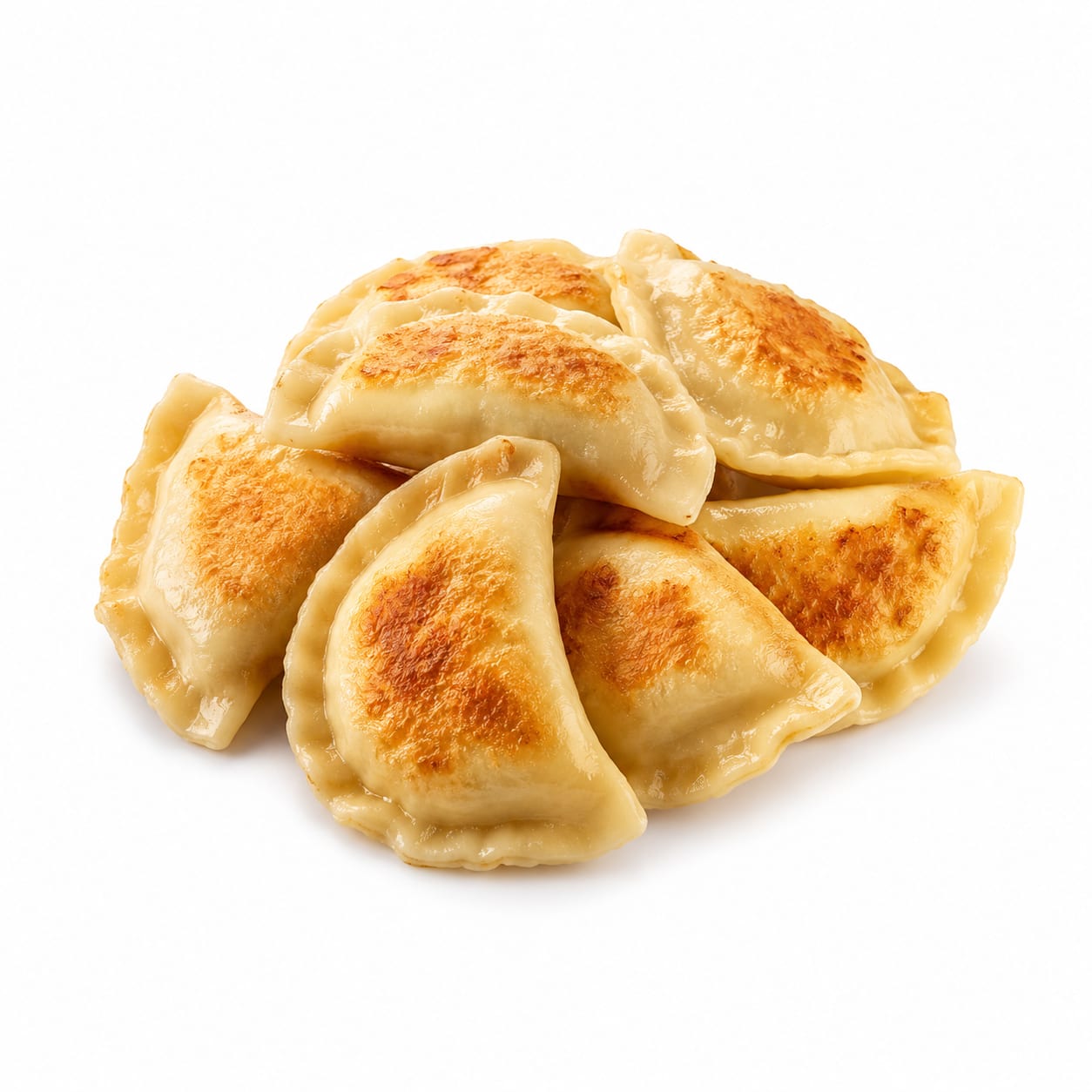
Pierogi
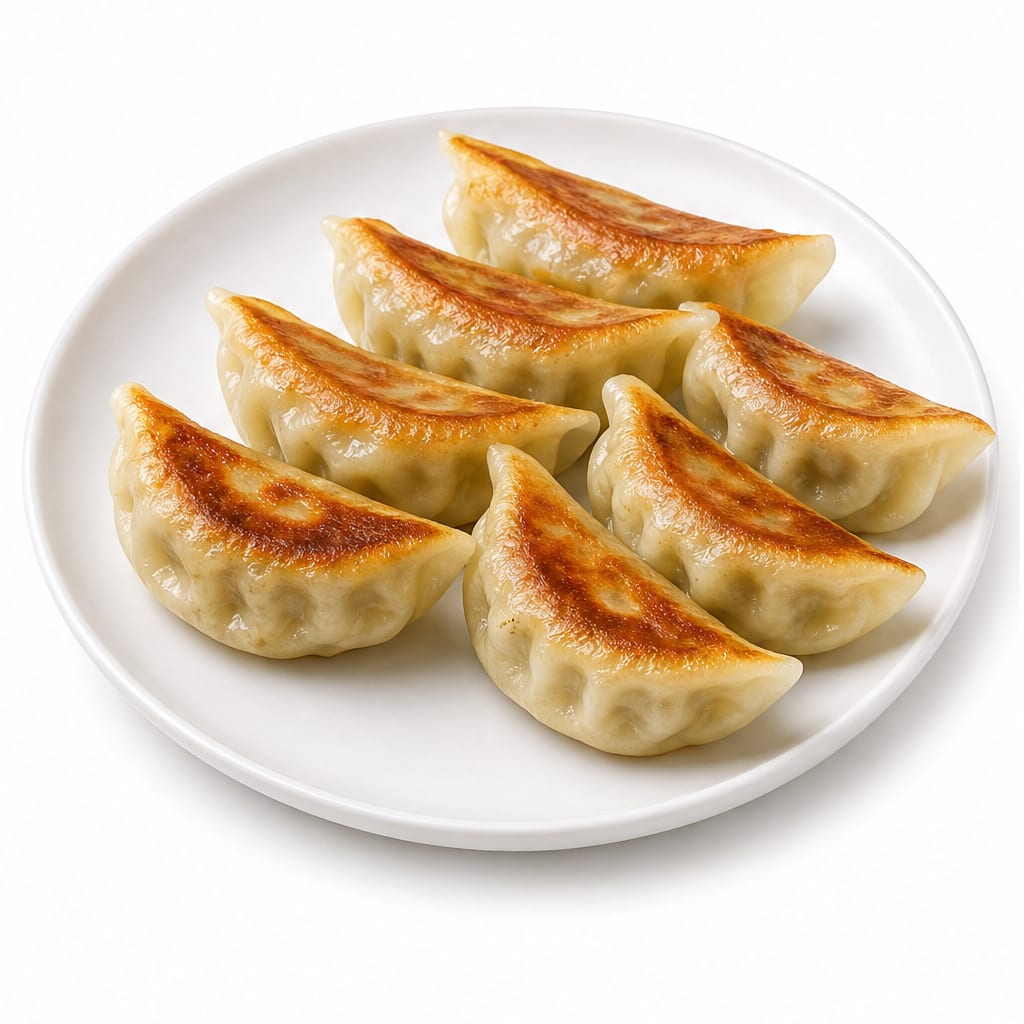
Potstickers
Potstickers edge out pierogi thanks to better protein, more vegetables, and stronger satiety per calorie, though pierogi win on comfort and cultural satisfaction.
Potstickers score moderately higher due to better macronutrient balance, vegetable content, and satiety. Pierogi lose ground on carb density and lower protein, but neither food is a nutritional standout.
Pierogi deliver cozy carb-heavy comfort but leave you hungrier sooner; potstickers balance protein and veggies but come with a sodium hit from soy sauce.
At a glance
Executive summary
Overall
Potstickers
Healthier
Potstickers
More practical
Potstickers
Daily use
Potstickers
Key comparison lenses
carb load vs protein balance
Pierogi are heavily carb-dominant from potato filling and dough, while potstickers deliver more balanced protein from meat fillings
comfort food vs functional meal
Users choosing between these are often deciding between nostalgic comfort eating and a more satiating, protein-forward meal
sodium and sauce impact
Potstickers rely on soy-based dipping sauces that spike sodium, while pierogi use butter and sour cream adding saturated fat
blood sugar stability
Both are refined carb wrappers, but pierogi's potato filling creates a heavier glycemic load
vegetable and fiber content
Potstickers routinely include cabbage and scallions, while traditional pierogi fillings lack vegetables entirely
Best choice for
Pierogi
- Comfort food cravings and emotional eating
- Post-activity carb replenishment
- Polish and Eastern European cultural meals
- Side dish role in a balanced plate
Potstickers
- Weight management and satiety
- Quick weeknight dinners with balanced macros
- Higher protein needs on a budget
- Appetizer or light meal scenarios
Least suitable for
Pierogi
- Low-carb or keto diets
- Blood sugar management
- High-protein dietary goals
- Large portions as a standalone meal
Potstickers
- Low-sodium diets
- Soy allergy sufferers
- Those avoiding pork
- Strict whole-food eaters
Deep comparison
Dimension by dimension
Each lens scores both foods and breaks down who each option suits.
- Dimension 1 · Priority 90Potstickers
protein_quality_and_content
Pierogi · 30Potstickers · 65Potstickers deliver roughly 2-3x more protein per serving thanks to pork or chicken fillings, while pierogi rely mainly on cheese or potato which offer minimal protein.
Tradeoff
Pierogi with cheese filling have some protein but it comes with more saturated fat; potstickers get cleaner protein from leaner meat options.
Why it matters
Protein is the main driver of fullness and muscle maintenance. A potsticker meal keeps you satisfied longer without needing extra sides.
Real-world impact
After a pierogi dinner you are likely hunting for snacks within two hours. Potstickers hold you over much better.
Pierogi
- Vegetarian protein from cheese filling
Better for
- Anyone needing protein above 20g per meal
Worse for
Potstickers
- Post-workout recovery meals
- Sustained energy without crashes
- Older adults preserving muscle
Better for
- Vegetarians and those avoiding meat
Worse for
- Dimension 2 · Priority 85Potstickers
carb_density_and_blood_sugar
Pierogi · 25Potstickers · 50Pierogi pack a double carb punch from both the wheat dough and potato filling, creating a steep glycemic load. Potstickers have thinner wrappers and no starchy filler.
Tradeoff
Neither is low-carb, but pierogi hit your blood sugar harder and faster, especially when pan-fried and served with sweet caramelized onions.
Why it matters
Big carb loads without protein or fiber to slow them down lead to energy spikes followed by crashes and renewed hunger.
Real-world impact
A plate of pierogi can leave you feeling sluggish an hour later, while potstickers with their protein buffer provide steadier energy.
Pierogi
- Endurance athletes carb-loading before events
Better for
- Diabetics and low-carb dieters
Worse for
Potstickers
- Prediabetes or insulin resistance concerns
- Steady afternoon energy
- Avoiding the post-lunch food coma
Better for
- Those who need dense carb calories for training
Worse for
- Dimension 3 · Priority 75Potstickers
vegetable_and_fiber_content
Pierogi · 15Potstickers · 55Potstickers almost always include cabbage, napa, or scallions in the filling, adding fiber and micronutrients. Classic pierogi fillings are potato, cheese, or sauerkraut with minimal green matter.
Tradeoff
Sauerkraut pierogi do offer probiotics and some fiber, but they are less commonly ordered than potato-cheese. Potstickers default to vegetable inclusion.
Why it matters
Fiber slows digestion, feeds gut bacteria, and helps you feel full. Even small amounts of vegetables in a dumpling make a real difference.
Real-world impact
Six potstickers give you a small but meaningful serving of vegetables. Six pierogi give you essentially zero greens.
Pierogi
- Sauerkraut pierogi for probiotic benefits
Better for
- Anyone relying on this as a complete meal
Worse for
Potstickers
- Gut health and regularity
- Sneaking vegetables into picky eaters' meals
Better for
- No significant downside here
Worse for
- Dimension 4 · Priority 72Pierogi
sodium_load
Pierogi · 50Potstickers · 30Potstickers come with soy sauce dipping and often saltier meat fillings, easily pushing past 800mg sodium per serving. Pierogi are seasoned more mildly, though butter and cheese add some salt.
Tradeoff
Pierogi trade sodium for saturated fat from butter and sour cream. Potstickers trade fat for sodium. Pick your metabolic concern.
Why it matters
High sodium meals trigger bloating, thirst, and blood pressure spikes. For salt-sensitive people this matters more than fat content.
Real-world impact
After a potsticker meal you might feel puffy and reach for water. Pierogi are gentler on salt but heavier on richness.
Pierogi
- Hypertension management
- Reducing bloating and water retention
Better for
- No significant sodium concern
Worse for
Potstickers
- Those who tolerate sodium well and stay hydrated
Better for
- Salt-sensitive individuals
- Kidney disease patients
- Evening meals that cause overnight bloating
Worse for
- Dimension 5 · Priority 88Potstickers
satiety_and_fullness
Pierogi · 35Potstickers · 62The protein and vegetable content in potstickers create longer-lasting fullness. Pierogi fill you up quickly with carb bulk but the satiety fades fast.
Tradeoff
Pierogi feel more immediately satisfying in a comfort-food way, but that feeling is short-lived. Potstickers provide a steadier, more functional satiety.
Why it matters
Foods that leave you hungry soon after eating lead to overeating and poor portion control throughout the day.
Real-world impact
Pierogi are the kind of meal where you feel stuffed but are eyeing the fridge again 90 minutes later. Potstickers keep you content for hours.
Pierogi
- Immediate comfort and emotional satisfaction
Better for
- Portion control and overeating risk
Worse for
Potstickers
- Weight management without feeling deprived
- Long work shifts without snack access
- Preventing late-night hunger episodes
Better for
- No significant satiety downside
Worse for
- Dimension 6 · Priority 65It depends
fat_profile
Pierogi · 35Potstickers · 45Pierogi are typically pan-fried in butter and served with sour cream, loading saturated fat. Potstickers use a small amount of oil for the pan-fry, and pork filling adds some fat but less saturated overall.
Tradeoff
Pierogi's saturated fat from dairy is more concerning for heart health, while potstickers' fat is more balanced but still present from pork and cooking oil.
Why it matters
Saturated fat from butter and cream raises LDL cholesterol more consistently than the mixed fats in meat and vegetable oil.
Real-world impact
Regular pierogi consumption with butter and sour cream is harder on your heart than potstickers cooked in a thin layer of oil.
Pierogi
- No significant fat profile advantage
Better for
- Cardiovascular risk reduction goals
Worse for
Potstickers
- Heart-health conscious eaters
- Managing cholesterol levels
Better for
- Those strictly limiting all added fats
Worse for
- Dimension 7 · Priority 60It depends
convenience_and_availability
Pierogi · 55Potstickers · 58Both are available frozen and cook in under 15 minutes. Potstickers have a slight edge because they cook in one pan with no boiling step required.
Tradeoff
Pierogi need boiling before pan-frying, adding a pot to wash. Potstickers go straight from freezer to skillet with water for steaming.
Why it matters
Fewer cooking steps and less cleanup make a food more likely to be chosen on busy nights, which shapes your weekly diet pattern.
Real-world impact
Potstickers are a true one-pan weeknight meal. Pierogi require a pot and a pan, which matters when you are tired and dishes pile up.
Pierogi
- Frozen availability in mainstream grocery stores
Better for
- Busy weeknights with limited cleanup motivation
Worse for
Potstickers
- One-pan cooking convenience
- Faster weeknight dinners
- Less cleanup after cooking
Better for
- Areas with limited Asian grocery access
Worse for
Timeline
Health impact over time
Short-term
Hours to days
Pierogi
- Quick energy from carb-heavy filling but likely crash within 1-2 hours
- Heavy fullness that fades into renewed hunger
- Possible bloating from dense starch and dairy combination
- Comfort and satisfaction from familiar flavors
Potstickers
- Steadier energy from protein-vegetable-carb balance
- Moderate fullness that lasts 3-4 hours
- Thirst and mild bloating from sodium in dipping sauce
- Quick cooking time supports eating at home instead of takeout
Long-term
Months to years
Pierogi
- Regular consumption may contribute to weight gain from calorie density and low satiety
- Saturated fat from butter and sour cream could raise LDL cholesterol over time
- Low vegetable intake when pierogi replace more balanced meals
- Blood sugar spikes from high glycemic load may worsen insulin sensitivity
Potstickers
- Better weight maintenance from protein-driven satiety and portion control
- Sodium from regular soy sauce use could affect blood pressure over time
- Small but consistent vegetable intake supports gut health
- More sustainable as a recurring meal without metabolic downsides if sodium is managed
Risk profile
Safety & processing
Both are processed foods with similar concern levels. Frozen pierogi often contain preservatives and dough conditioners, while frozen potstickers may include MSG, modified starches, and sodium preservatives. Homemade versions of either reduce additive exposure significantly.
Pierogi
Dairy spoilage in cheese filling
mediumCheese-filled pierogi can harbor Listeria if undercooked or left at room temperature. Frozen storage and thorough cooking mitigate this.
Cross-contamination from boiling water
lowBoiling before pan-frying adds a kill step that makes pierogi relatively safe from bacterial concerns when cooked properly.
Potstickers
Undercooked pork filling
highPork potstickers must reach safe internal temperature. The steam-then-fry method can leave centers undercooked if timing is rushed, risking Trichinella or Salmonella.
Soy sauce allergen exposure
mediumSoy and wheat in dipping sauces are common allergens often overlooked when focusing on the dumpling itself.
Who wins for whom
Audience fit
Same foods, different winners depending on your goal.
children
PierogiMilder flavors, softer texture, and familiar cheese-potato combinations make pierogi more kid-friendly, and the boiling step ensures thorough cooking.
daily consumption
PotstickersBetter macronutrient balance and vegetable content make potstickers more sustainable as a regular meal, provided sodium is managed through sauce portioning.
diabetes
PotstickersLower glycemic load and protein buffering slow glucose absorption compared to the double-starch hit of pierogi.
elderly
PotstickersHigher protein helps prevent sarcopenia, and vegetables support digestion. Pierogi's low protein and high simple carbs are less beneficial for aging bodies.
muscle gain
PotstickersMeat filling provides more complete protein with leucine for muscle synthesis, though neither is ideal as a primary protein source.
weight loss
PotstickersHigher protein and better satiety per calorie make potstickers easier to portion-control and less likely to trigger overeating.
Your move
Decision guide
Choose Pierogi
- You are craving deep comfort food and emotional satisfaction matters more than macros tonight
- You need dense carbs after intense endurance training
- You are cooking for kids who reject anything with visible vegetables
- You are serving them as a side dish alongside a protein-forward main
Choose Potstickers
- You want a complete-ish meal that keeps you full for hours without side dishes
- You are managing weight, blood sugar, or protein intake
- You need a quick one-pan dinner on a busy weeknight
- You want vegetables in your meal even when eating dumplings
Either works if
- You are eating occasionally as a treat rather than a dietary staple
- You are willing to modify either with added vegetables or leaner proteins
- You are dining out and both options are available fresh and handmade
Avoid both if
- You are strictly limiting refined carbohydrates or following a keto diet
- You have celiac disease or severe gluten intolerance from wheat wrappers
- You are on a very low-sodium diet and cannot control sauce or seasoning amounts
- You are trying to minimize ultra-processed foods in your daily diet
Final recommendation
For regular meals, potstickers are the smarter choice: more protein, more vegetables, better satiety, and easier cooking. Save pierogi for when comfort matters more than nutrition. If you love pierogi, pair them with a protein side and a green vegetable to close the nutritional gap.
Practical
Consumer tips
- 1
Choose vegetable-heavy potsticker fillings like chicken and cabbage over pork for leaner protein
- 2
Limit soy sauce to a small dip rather than drowning potstickers to cut sodium by 50% or more
- 3
If making pierogi at home, swap half the potato filling for sautéed mushrooms and spinach to boost fiber and nutrients
- 4
Boiled pierogi without the butter pan-fry save significant saturated fat while keeping the comfort factor
- 5
Check frozen potsticker labels for MSG and sodium benzoate if you are sensitive to additives
- 6
Add a side of steamed broccoli or quick stir-fried greens to either dumpling to make it a balanced meal
- 7
Freeze homemade batches of both with healthier fillings to have better versions ready than store-bought