
Nutrition comparison
Pierogi vs Ramen Noodles: Which Comfort Food Is Actually Better for You?
Compare pierogi and ramen noodles on nutrition, sodium, processing, and satiety. Discover which comfort food keeps you fuller and which one to limit.
Overall winner · Pierogi
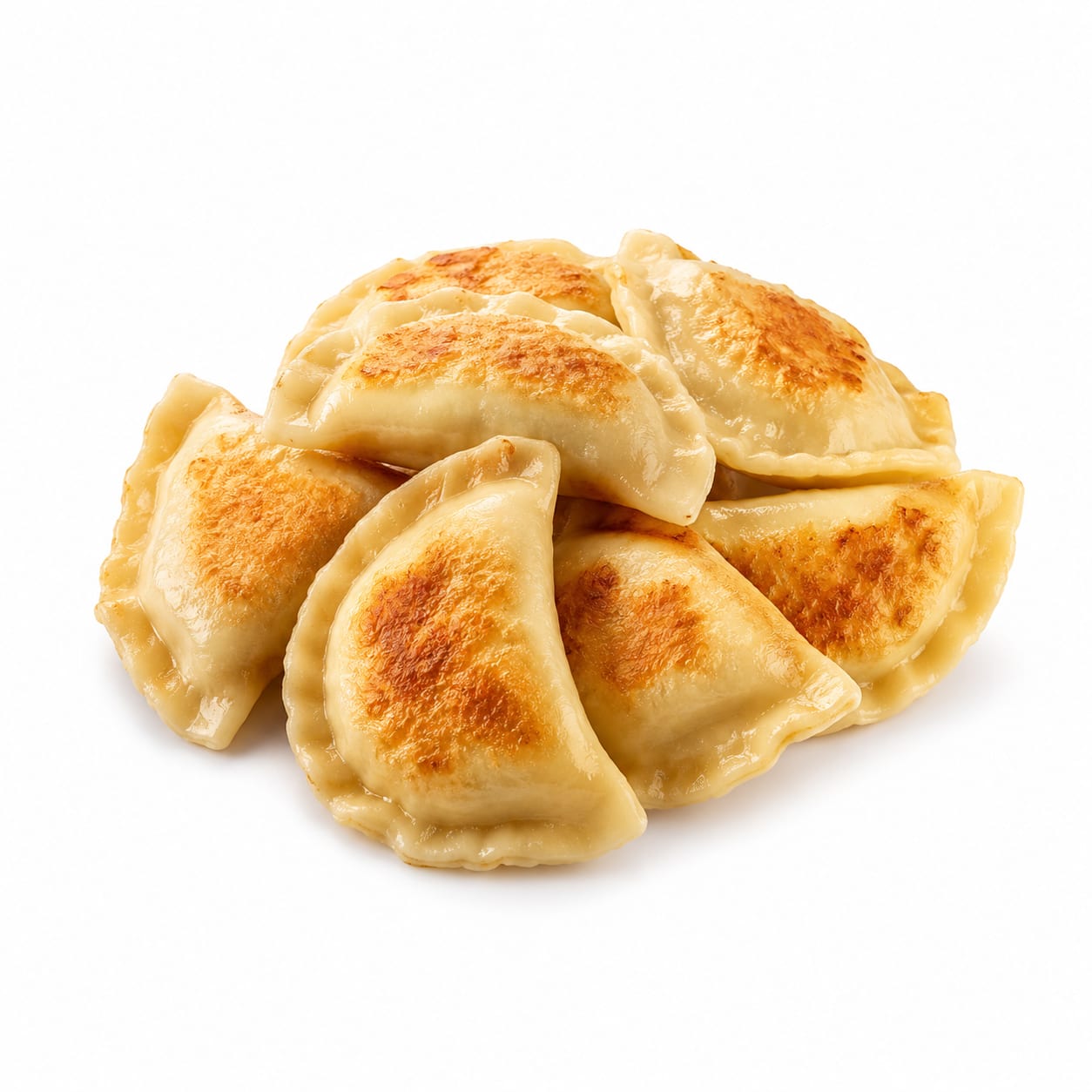
Pierogi
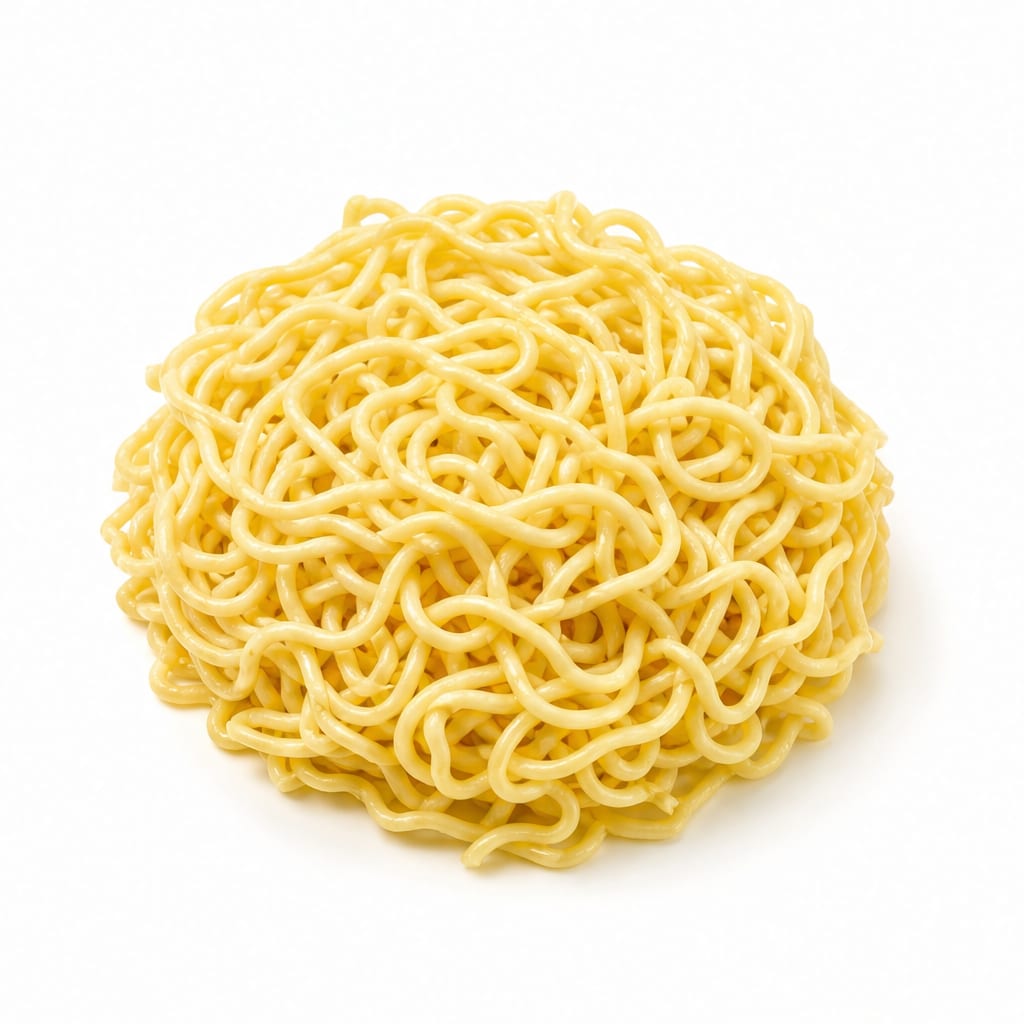
Ramen Noodles
Pierogi edges out ramen thanks to more whole ingredients, better satiety, and far less sodium, though both are comfort foods best enjoyed in moderation.
Pierogi scores moderately due to better ingredient quality and satiety, while ramen scores low because extreme sodium and ultra-processing outweigh its convenience advantages.
Ramen is faster and cheaper per serving, but pierogi delivers more satisfying nutrition with fewer processed additives and a gentler sodium hit.
At a glance
Executive summary
Overall
Pierogi
Healthier
Pierogi
More practical
Ramen Noodles
Daily use
Pierogi
Key comparison lenses
comfort food tradeoff analysis
Both are beloved comfort foods, so users want to know which indulgence comes with fewer regrets
sodium and heart health comparison
Ramen's notorious sodium load versus pierogi's more moderate salt content is a critical differentiator
ultra-processing concerns
Instant ramen is heavily processed with preservatives while pierogi can be made with relatively whole ingredients
satiety and meal satisfaction
Users choosing between these want to know which will actually keep them full
budget convenience meal planning
Both are affordable go-to meals, so practicality matters for everyday decision-making
Best choice for
Pierogi
- People watching sodium intake
- Those wanting a filling meal that actually satisfies
- Anyone reducing ultra-processed food consumption
- Families looking for a shareable comfort dinner
Ramen Noodles
- Students on the tightest budget
- Anyone needing a meal in under 5 minutes
- Late-night eating when cooking is not happening
- Backpacking or dorm living with limited kitchen access
Least suitable for
Pierogi
- People avoiding wheat and dairy simultaneously
- Anyone needing instant meal prep with zero cooking
- Strict low-carb dieters
Ramen Noodles
- People with hypertension or sodium sensitivity
- Anyone minimizing ultra-processed food intake
- Those prone to bloating or water retention
Deep comparison
Dimension by dimension
Each lens scores both foods and breaks down who each option suits.
- Dimension 1 · Priority 95Pierogi
Sodium and Heart Health
Pierogi · 55Ramen Noodles · 15Pierogi contains moderate sodium, while instant ramen packs a day's worth of salt in one bowl.
Tradeoff
Ramen's seasoning packets deliver 1500-2000mg sodium per serving, pushing most people over recommended daily limits in a single meal. Pierogi seasoned normally lands closer to 400-700mg.
Why it matters
Regular high-sodium meals raise blood pressure and increase stroke risk over time, even in young healthy people.
Real-world impact
Eating ramen regularly can mean waking up puffy, thirsty, and bloated. Pierogi after dinner feels heavy but without the next-day water weight hangover.
Pierogi
- Blood pressure management
- Reducing water retention
- Long-term heart health
Better for
Ramen Noodles
- Hypertension risk
- Kidney strain with frequent consumption
- Post-meal thirst and bloating
Worse for
- Dimension 2 · Priority 88Pierogi
Processing and Additives
Pierogi · 60Ramen Noodles · 20Pierogi uses recognizable ingredients like flour, potato, cheese, and onions. Instant ramen relies on preservatives, flavor enhancers, and industrial oils.
Tradeoff
Homemade or quality frozen pierogi contain ingredients your grandmother would recognize. Instant ramen noodles are flash-fried in palm oil and preserved with TBHQ, plus MSG and hydrolyzed proteins in the seasoning.
Why it matters
Ultra-processed foods are linked to overeating, gut disruption, and higher disease risk independent of calorie content.
Real-world impact
Ramen leaves you hungry again in an hour partly because ultra-processing strips away natural satiety signals. Pierogi's real-food composition keeps you fuller longer.
Pierogi
- Cleaner ingredient labels
- Fewer preservatives and emulsifiers
- More gut-friendly composition
Better for
Ramen Noodles
- TBHQ and preservative exposure
- MSG sensitivity reactions
- Industrial oil consumption
Worse for
- Dimension 3 · Priority 85Pierogi
Satiety and Fullness
Pierogi · 72Ramen Noodles · 30Pierogi's combination of dough, potato, and cheese or meat filling creates lasting fullness. Ramen digests quickly, leaving you hungry soon after.
Tradeoff
Pierogi delivers dense caloric satisfaction with protein and fat slowing digestion. Ramen's refined carbs and broth pass through fast, triggering hunger again within 1-2 hours.
Why it matters
Meals that fail to satisfy lead to snacking and overeating later, undermining any calorie savings from the original choice.
Real-world impact
A plate of pierogi feels like a real dinner. A bowl of ramen often feels like a warm appetizer that somehow contained 400+ calories.
Pierogi
- Staying full for 4+ hours
- Avoiding late-night snacking after dinner
- Feeling genuinely satisfied after eating
Better for
- Risk of overeating if already very full
Worse for
Ramen Noodles
- Rebound hunger within 90 minutes
- Likelihood of eating again soon after
- Calories without lasting satisfaction
Worse for
- Dimension 4 · Priority 80Ramen Noodles
Convenience and Speed
Pierogi · 45Ramen Noodles · 92Ramen wins decisively on speed and ease. Boiling water and three minutes gets you eating. Pierogi requires boiling or pan-frying for 10-15 minutes.
Tradeoff
Ramen's near-zero prep is unmatched for exhausted weeknights or dorm living. Pierogi demands more attention but still qualifies as easy comfort cooking.
Why it matters
When hunger hits hard and energy is low, convenience often overrides nutritional logic. The best food is one you'll actually make.
Real-world impact
Ramen is the 11 PM too-tired-to-cook solution. Pierogi is the Sunday comfort dinner that takes a little effort but feels more rewarding.
Pierogi
- Feeding multiple people at once
- Creating a sit-down meal experience
Better for
- Requires stovetop attention
- Longer wait when hungry
Worse for
Ramen Noodles
- Minimal cleanup
- Zero cooking skill required
- Ready faster than delivery
Better for
- Dimension 5 · Priority 75Pierogi
Blood Sugar Stability
Pierogi · 45Ramen Noodles · 25Neither food is great for blood sugar, but pierogi's protein and fat from fillings slow glucose absorption somewhat. Ramen's refined carbs hit fast and hard.
Tradeoff
Both are carb-heavy, but ramen's stripped-down refined flour with minimal protein or fat creates sharper spikes. Pierogi's cheese or meat filling blunts the glycemic impact modestly.
Why it matters
Frequent blood sugar spikes lead to energy crashes, cravings, and over time, insulin resistance.
Real-world impact
After ramen, expect the classic crash: sleepy and craving more carbs an hour later. Pierogi causes a slower rise, making the energy dip less dramatic.
Pierogi
- More stable energy for a few hours
- Less severe afternoon crash
Better for
Ramen Noodles
- Sharp blood sugar spike and drop
- Triggering carb cravings after eating
- Energy crash within 60-90 minutes
Worse for
- Dimension 6 · Priority 70Ramen Noodles
Cost and Accessibility
Pierogi · 55Ramen Noodles · 90Instant ramen is one of the cheapest foods available at roughly 25-50 cents per serving. Pierogi costs more but remains budget-friendly.
Tradeoff
Ramen's per-serving cost is hard to beat. Frozen pierogi run $3-6 per package, and homemade requires more ingredients. But pierogi delivers more nutritional value per dollar spent.
Why it matters
Budget constraints drive real food choices daily. Affordability determines what's actually sustainable long-term.
Real-world impact
Ramen lets you eat for a week on $5. Pierogi costs more but actually nourishes you, making it the smarter spend when budget allows.
Pierogi
- More nutrients per dollar spent
- Feeding a family affordantly
Better for
- Higher grocery bill for frequent consumption
Worse for
Ramen Noodles
- Lowest possible cost per meal
- Available at virtually every store
Better for
- Poor nutritional return on even small spending
Worse for
Timeline
Health impact over time
Short-term
Hours to days
Pierogi
- Comforting and satisfying meal experience
- Moderate energy without extreme crash
- Some bloating possible from dough and cheese
- Reasonable satiety lasting 3-4 hours
Ramen Noodles
- Rapid energy spike followed by crash within an hour
- Noticeable thirst from high sodium intake
- Bloating and water retention by next morning
- Hunger returning quickly despite caloric intake
Long-term
Months to years
Pierogi
- Moderate weight gain risk if eaten frequently with butter and sour cream
- Manageable sodium exposure if portions are reasonable
- Occasional comfort food unlikely to harm health significantly
Ramen Noodles
- Regular consumption strongly linked to metabolic syndrome risk
- Chronic high sodium intake raises blood pressure over time
- Ultra-processing associated with increased obesity risk independent of calories
- Possible gut microbiome disruption from preservatives and emulsifiers
Risk profile
Safety & processing
Pierogi are processed but made from recognizable kitchen ingredients. Instant ramen is ultra-processed with industrial preservatives, flash-fried noodles, and chemically enhanced flavor packets.
Pierogi
Dairy spoilage in cheese-filled varieties
mediumCheese and potato fillings can harbor listeria if left unrefrigerated too long, especially in homemade versions.
Foodborne illness from undercooked filling
lowMeat-filled pierogi must reach safe internal temperature, but most are pre-cooked before freezing.
Ramen Noodles
TBHQ preservative exposure
mediumTBHQ is used to preserve the fried noodles. High doses are linked to nausea and vision disturbance, though typical intake is below concerning thresholds.
MSG sensitivity reactions
lowSome people experience headaches, flushing, or sweating from MSG in seasoning packets, though evidence for chronic harm is weak.
Potential styrene leaching from cup packaging
mediumCup noodle varieties may leach styrene into hot broth, a possible carcinogen with repeated exposure.
Who wins for whom
Audience fit
Same foods, different winners depending on your goal.
children
PierogiPierogi offers more balanced nutrition with real ingredients. Ramen's extreme sodium and additives are especially concerning for developing bodies.
daily consumption
PierogiNeither should be daily, but pierogi's lower sodium and cleaner ingredients make occasional consumption far less risky than ramen's cumulative salt and preservative load.
diabetes
PierogiPierogi's protein and fat content slows sugar absorption. Ramen's refined carbs cause sharper glucose spikes that are harder to manage with insulin.
elderly
PierogiOlder adults need sodium moderation and nutrient density. Pierogi provides both better mineral balance and easier digestion than heavily processed ramen.
muscle gain
It dependsNeither is ideal, but pierogi with meat or cheese filling provides more usable protein. Ramen would need egg or meat additions to compete.
weight loss
PierogiPierogi's superior satiety means fewer calories consumed overall throughout the day, despite similar per-serving calorie counts.
Your move
Decision guide
Choose Pierogi
- You want comfort food that actually keeps you full
- Sodium intake matters for your health goals
- You're reducing ultra-processed foods in your diet
- You're feeding a family and want something shareable and satisfying
- You care about recognizing what's in your food
Choose Ramen Noodles
- You have exactly 5 minutes and zero energy to cook
- Your budget is extremely tight this week
- You're in a dorm, hotel, or anywhere with only hot water
- It's 2 AM and anything more involved is not happening
Either works if
- You want a warm comforting meal on a cold night
- Carb cravings are driving your dinner choice
- You're okay with an indulgent meal and plan to eat lighter tomorrow
Avoid both if
- You're strictly limiting carbohydrates
- You need a low-calorie meal option
- You have wheat or gluten sensitivity without alternatives available
Final recommendation
Choose pierogi when you have 15 minutes and want comfort food that actually nourishes. Reserve ramen for genuine emergencies of time, budget, or energy. If ramen is your regular go-to, try upgrading to pierogi a few nights a week — your blood pressure and hunger levels will notice the difference.
Practical
Consumer tips
- 1
If making ramen, use only half the seasoning packet and add frozen vegetables and a boiled egg to improve nutrition dramatically.
- 2
Pan-fry pierogi with onions instead of deep-frying to keep them satisfying without excess oil.
- 3
For pierogi, choose cheese or meat fillings over fruit fillings for better protein and steadier energy.
- 4
If eating ramen regularly, rinse the noodles after cooking to remove surface oil and reduce fat intake.
- 5
Make a large batch of homemade pierogi and freeze them — you get the convenience of frozen food with real ingredients.
- 6
Add sauerkraut as a pierogi topping for probiotics and vitamin C that complement the meal naturally.
- 7
Avoid cup noodle varieties of ramen when possible — the styrene packaging leaching concern adds unnecessary risk.