
Nutrition comparison
Pierogi vs Pizza: Which Comfort Food Is Actually Better for You?
Compare pierogi and pizza on calories, sodium, protein, blood sugar impact, and overeating risk. Find out which comfort food fits your health goals better.
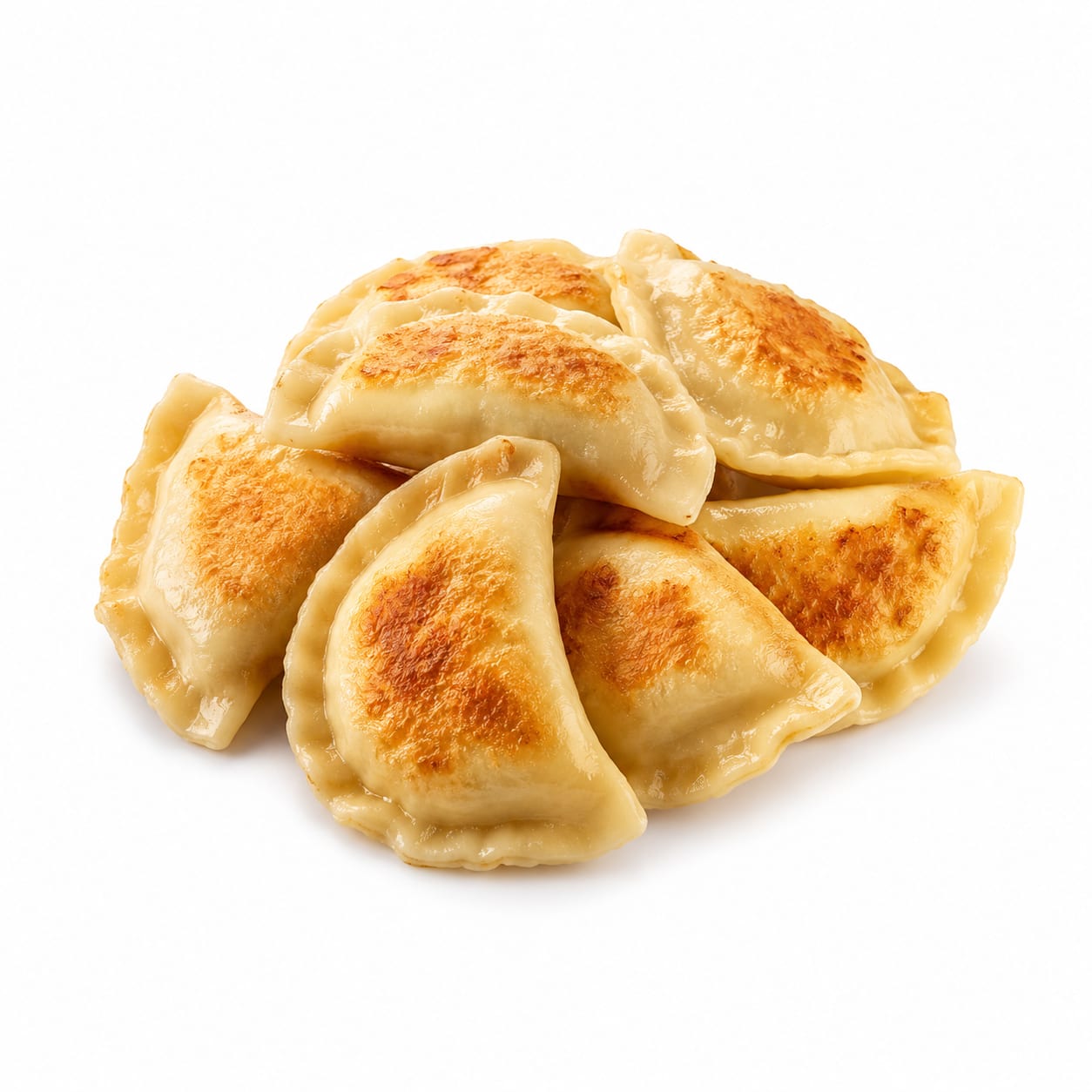
Pierogi
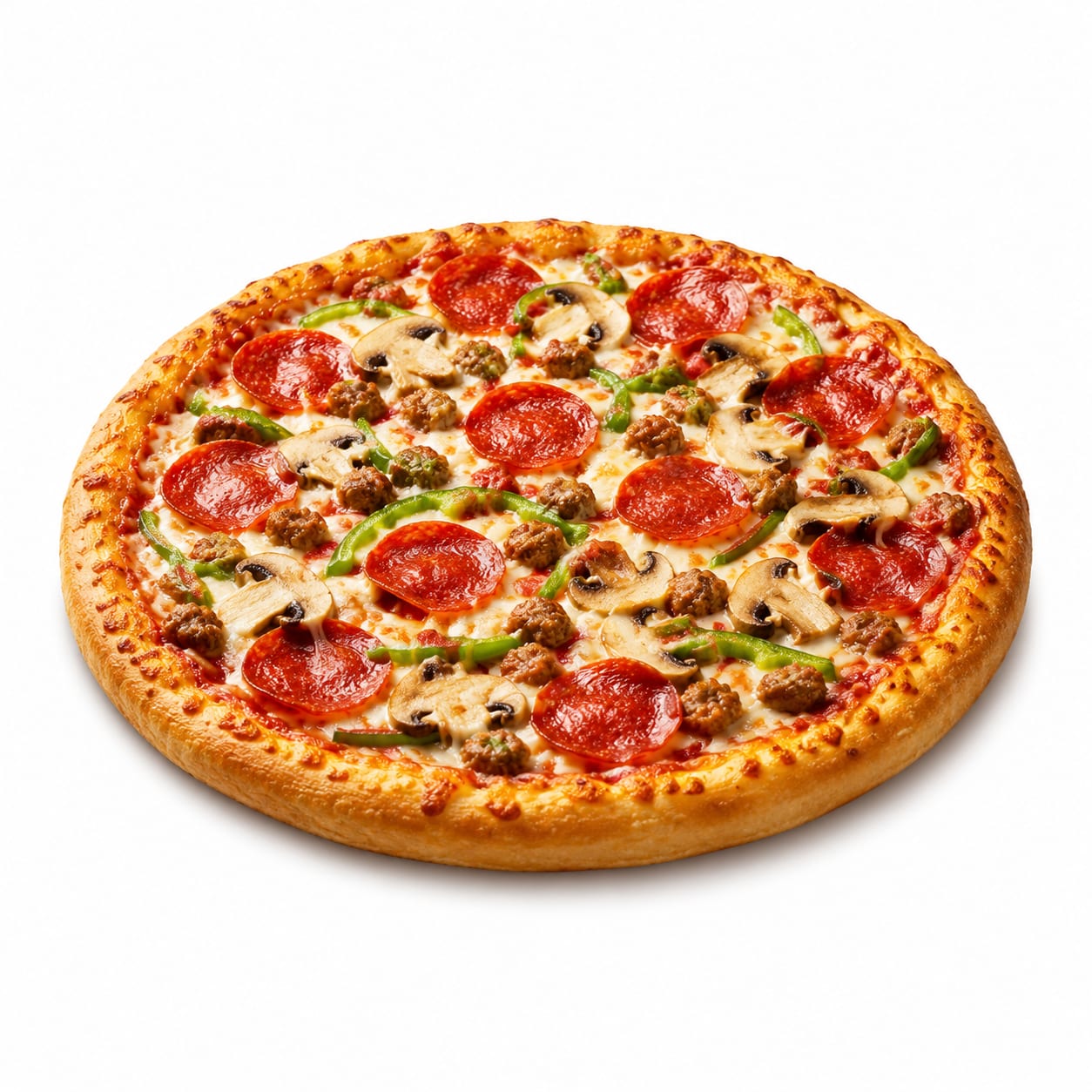
Pizza
Neither is a health food, but pizza edges ahead on versatility and protein while pierogi wins on lower sodium and simpler ingredients.
Pizza scores slightly higher due to better protein content and customization potential, but both are carb-heavy comfort foods with limited nutritional density. The small gap reflects pizza's versatility edge rather than a clear health advantage.
Pizza offers more protein and customization but comes with higher sodium and overeating risk; pierogi are simpler and lighter on salt but carb-heavier with less nutritional flexibility.
At a glance
Executive summary
Overall
It depends
Healthier
It depends
More practical
Pizza
Daily use
It depends
Key comparison lenses
comfort food tradeoffs
Both are beloved comfort foods where emotional satisfaction competes with nutritional concerns
carb-heavy meal comparison
Both are dough-based and carbohydrate-dominant, making blood sugar impact a key concern
portion control and overeating
Both foods are notoriously easy to overeat, but the triggers differ significantly
customization for health
Pizza offers far more topping flexibility, while pierogi fillings are more limited
sodium and processed ingredients
Both can be sodium bombs, but pizza typically carries more processed meat and cheese concerns
Best choice for
Pierogi
- Sodium-sensitive individuals
- Those seeking simpler, fewer-ingredient comfort meals
- People who prefer controlled portions from boiling
- Anyone avoiding processed meats
Pizza
- Higher protein needs after workouts
- Families wanting customizable meals for picky eaters
- People who want vegetable toppings for nutrient density
- Those needing quick delivery or frozen options
Least suitable for
Pierogi
- Low-carb dieters
- People needing high protein intake
- Anyone seeking diverse micronutrients from a single meal
- Gluten-sensitive individuals
Pizza
- Sodium-sensitive individuals with hypertension
- People prone to overeating comfort foods
- Those avoiding processed meats and excess cheese
- Anyone tracking calories closely
Deep comparison
Dimension by dimension
Each lens scores both foods and breaks down who each option suits.
- Dimension 1 · Priority 92Pierogi
Calorie Density and Portion Control
Pierogi · 48Pizza · 38Pierogi are easier to portion since they come in discrete units, while pizza slices invite just-one-more thinking.
Tradeoff
Pierogi portions feel more predictable, but a full plate still packs significant calories from dough and butter.
Why it matters
Overeating is the biggest real-world risk with both foods, and the format that makes stopping easier wins practically.
Real-world impact
Six pierogi feel like a clear endpoint. Two slices of pizza often become four.
Pierogi
- Mindful eaters who need clear stopping points
- Calorie counters who prefer discrete units
Better for
- Anyone who eats pierogi smothered in butter and sour cream
Worse for
Pizza
- Those who naturally stop after one or two slices
- People sharing a meal where portions are pre-divided
Better for
- Late-night snackers who lose track of slices
Worse for
- Dimension 2 · Priority 88Pizza
Protein and Satiety
Pierogi · 35Pizza · 58Pizza delivers more protein from cheese and optional meat toppings, keeping you fuller longer.
Tradeoff
More protein in pizza comes with more saturated fat and sodium from cheese and processed meats.
Why it matters
Protein is the main driver of fullness, and meals lacking it lead to sooner hunger and more snacking.
Real-world impact
After a pierogi dinner, you may be hungry again in two hours. Pizza with toppings can hold you for four.
Pierogi
- Light eaters who prefer smaller meals
Better for
- Athletes or anyone with higher protein needs
Worse for
Pizza
- Active people needing sustained energy
- Anyone trying to avoid between-meal snacking
Better for
- People limiting saturated fat intake
Worse for
- Dimension 3 · Priority 85It depends
Blood Sugar Stability
Pierogi · 36Pizza · 40Both spike blood sugar significantly, but pizza's fat and protein slow absorption slightly.
Tradeoff
Pizza causes a slower but longer glucose elevation, while pierogi create a sharper but shorter spike.
Why it matters
Sharp blood sugar spikes lead to energy crashes and cravings within hours of eating.
Real-world impact
Pierogi can leave you sluggish by mid-afternoon. Pizza may cause a delayed but persistent tiredness.
Pierogi
- Those who prefer a quick energy dip and recovery cycle
Better for
- Insulin-resistant individuals sensitive to sharp spikes
Worse for
Pizza
- Diabetics who need slower glucose absorption
Better for
- Anyone monitoring prolonged elevated blood sugar
Worse for
- Dimension 4 · Priority 82Pierogi
Sodium Load
Pierogi · 52Pizza · 30Pierogi contain far less sodium, especially when boiled and filled with potato or cheese rather than meat.
Tradeoff
Lower sodium in pierogi means less flavor intensity, which people often compensate for with salty toppings.
Why it matters
High sodium intake directly raises blood pressure and is a top concern for heart health.
Real-world impact
A few pizza slices can deliver half your daily sodium. Pierogi typically stay under a quarter.
Pierogi
- People with hypertension
- Anyone on a low-sodium diet
Better for
- Those who douse pierogi in salt and butter
Worse for
Pizza
- Active individuals who lose sodium through sweat
Better for
- Anyone monitoring blood pressure closely
Worse for
- Dimension 5 · Priority 80Pizza
Customization and Nutritional Upgrades
Pierogi · 30Pizza · 68Pizza is a nutritional canvas — vegetables, lean proteins, and lighter cheeses can transform it. Pierogi are harder to upgrade.
Tradeoff
Pizza's customizability also enables worse choices like double pepperoni and stuffed crust.
Why it matters
A food that adapts to your health goals is more sustainable long-term than one that does not.
Real-world impact
A veggie pizza on thin crust is genuinely nutritious. A healthier pierogi option barely exists.
Pierogi
- Traditionalists who enjoy food as-is without modification
Better for
- Anyone trying to increase vegetable intake through meals
Worse for
Pizza
- Home cooks wanting control over ingredients
- Families with different dietary needs at one table
Better for
- People who always choose the least healthy options when given freedom
Worse for
- Dimension 6 · Priority 75Pierogi
Processing and Ingredient Simplicity
Pierogi · 55Pizza · 38Homemade or traditional pierogi use simple dough, potatoes, and cheese. Pizza often involves more processed components.
Tradeoff
Frozen versions of both are heavily processed, but restaurant pizza tends to have more additives than restaurant pierogi.
Why it matters
Fewer ingredients generally means fewer preservatives, emulsifiers, and hidden additives.
Real-world impact
Traditional pierogi feel closer to home cooking. Takeout pizza often contains dough conditioners and preservatives.
Pierogi
- Clean-eating advocates
- Those avoiding ultra-processed foods
Better for
- People buying mass-produced frozen pierogi
Worse for
Pizza
- Anyone making pizza from scratch at home
Better for
- Regular consumers of delivery or frozen pizza
Worse for
- Dimension 7 · Priority 72Pizza
Comfort and Emotional Satisfaction
Pierogi · 62Pizza · 72Both are deeply comforting, but pizza has broader cultural appeal and hits more satisfaction triggers simultaneously.
Tradeoff
Pizza's stronger comfort appeal also makes it a bigger trigger for emotional overeating.
Why it matters
Emotional satisfaction determines whether a meal feels sustainable or leaves you hunting for snacks.
Real-world impact
Pizza night feels like an event. Pierogi night feels like a cozy tradition. Both work, but pizza creates more anticipation.
Pierogi
- Those seeking nostalgic, homey comfort without excess
- People connected to Eastern European heritage
Better for
- People seeking variety in comfort food choices
Worse for
Pizza
- Social gatherings and celebrations
- Anyone needing a reliable mood boost
Better for
- Emotional eaters who struggle to stop at reasonable portions
Worse for
- Dimension 8 · Priority 68Pizza
Convenience and Accessibility
Pierogi · 40Pizza · 78Pizza is available everywhere, delivered hot, and ready in minutes. Pierogi require more effort to find or make.
Tradeoff
Pizza's convenience makes it a default choice, which increases frequency of consumption and health impact.
Why it matters
The easier a food is to get, the more often you will eat it, for better or worse.
Real-world impact
At 9 PM on a Tuesday, pizza is one call away. Pierogi require planning or a specialty store.
Pierogi
- Meal preppers who cook in batches on weekends
Better for
- People who need food fast with zero planning
Worse for
Pizza
- Busy professionals needing quick meals
- Anyone without time to cook
Better for
- Those trying to reduce reliance on convenience foods
Worse for
Timeline
Health impact over time
Short-term
Hours to days
Pierogi
- Quick carbohydrate satisfaction followed by energy dip within 1-2 hours
- Moderate fullness that fades faster than protein-rich meals
- Relatively gentle on digestion when boiled rather than fried
Pizza
- Longer-lasting fullness from fat and protein content
- Possible bloating from heavy cheese and dough combination
- Thirst from high sodium content, especially with processed toppings
Long-term
Months to years
Pierogi
- Regular consumption contributes to high refined carb intake patterns
- Lower sodium load is friendlier to blood pressure over years
- Risk of nutrient gaps if pierogi replace more diverse meals frequently
Pizza
- Frequent pizza consumption strongly correlates with higher sodium and saturated fat intake
- Better protein intake supports muscle maintenance with aging
- Customizable toppings offer a pathway to healthier long-term habits if chosen wisely
Risk profile
Safety & processing
Traditional pierogi use flour, potatoes, cheese, and butter — recognizable ingredients. Commercial pizza frequently includes dough conditioners, preservatives, and processed meats with nitrates. Homemade versions of both reduce concerns significantly, but store-bought pizza carries more additive risk.
Pierogi
Undercooked dough contamination
mediumIf pierogi are not boiled or fried thoroughly, raw flour can harbor bacteria like E. coli.
Dairy spoilage in cheese fillings
lowCheese-filled pierogi left at room temperature too long can develop bacterial growth.
Pizza
Processed meat carcinogens
highPepperoni, sausage, and other processed meats on pizza contain nitrates and are classified as Group 1 carcinogens by WHO.
Listeria from soft cheeses
mediumCertain soft cheeses used on pizza can harbor listeria, especially concerning for pregnant women.
Acrylamide from high-heat baking
lowPizza crust baked at very high temperatures can form acrylamide, a potential carcinogen, though levels are typically low.
Who wins for whom
Audience fit
Same foods, different winners depending on your goal.
children
PizzaKids generally accept pizza more readily, and it is easier to sneak vegetables onto. Pierogi can work but offer less nutritional variety for growing bodies.
daily consumption
It dependsNeither should be daily, but a simple cheese pizza on whole wheat crust could theoretically fit a balanced diet more easily than daily pierogi, which lack vegetable content.
diabetes
It dependsNeither is ideal, but thin-crust veggie pizza causes a slower glucose rise. Pierogi create a sharper spike. Both require careful portioning and pairing with fiber or protein.
elderly
PierogiPierogi are softer and easier to chew, with lower sodium that is gentler on aging cardiovascular systems. Boiled pierogi are particularly easy on digestion.
muscle gain
PizzaPizza provides more protein from cheese and meat toppings, which supports muscle repair and growth more effectively than potato-filled pierogi.
weight loss
It dependsPierogi offer better portion control, but pizza with vegetable toppings provides more volume per calorie. It depends entirely on how each is prepared and portioned.
Your move
Decision guide
Choose Pierogi
- You are watching your sodium intake closely
- You want a comfort meal with simpler, recognizable ingredients
- You prefer meals with natural portion boundaries
- You are cooking for someone with chewing or digestion difficulties
- You crave nostalgic Eastern European flavors
Choose Pizza
- You need more protein in your meal
- You want to load up on vegetable toppings for nutrients
- You are feeding a group with different preferences
- Convenience and speed matter more than perfect nutrition
- You want a meal that feels socially celebratory
Either works if
- You are eating mindfully and can control portions
- You pair the meal with a large side salad or vegetables
- Occasional comfort food fits your overall balanced diet
Avoid both if
- You are strictly limiting refined carbohydrates
- You have celiac disease or gluten intolerance and no gluten-free options
- You are managing diabetes and cannot pair with protein or fiber sides
- You are on a calorie-restricted diet and cannot control portions
Final recommendation
Choose pierogi when sodium matters most and you want simpler ingredients. Choose pizza when you need protein, convenience, or the ability to add vegetables. Neither belongs on your plate daily, but both can fit a healthy lifestyle when portions are controlled and sides include fresh vegetables. The smarter choice is whichever you can enjoy without overeating.
Practical
Consumer tips
- 1
Boil pierogi instead of frying to cut calories and fat significantly
- 2
Choose thin-crust pizza with vegetable toppings and light cheese for the most nutritious option
- 3
Pair either meal with a large green salad to add fiber and slow blood sugar spikes
- 4
Freeze homemade pierogi in batches for healthier convenience food later
- 5
Ask for half the cheese on pizza orders to reduce sodium and saturated fat without sacrificing flavor
- 6
Skip processed meat toppings on pizza — grilled chicken or vegetables are far better choices
- 7
Limit sour cream and butter on pierogi to a small dollop rather than drowning them
- 8
Drink water instead of soda with both meals to avoid compounding the sugar load