
Fruit
Physalis
A low-calorie, sweet-tart berry encased in a papery husk, rich in vitamins and antioxidants.
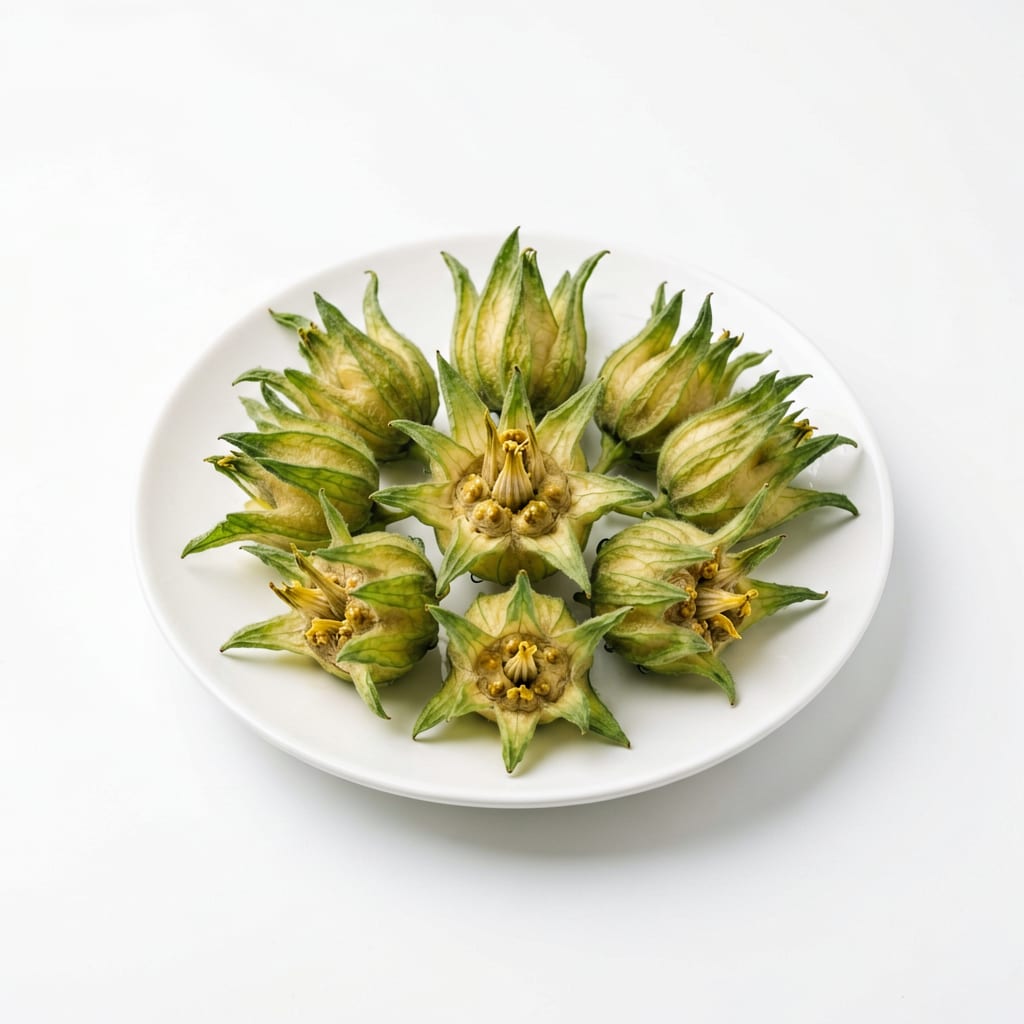
A small, round, yellow-orange fruit encased in a papery husk, known for its sweet and tart flavor profile.
low-calorie antioxidant-rich fruit
Typical serving · 50g
Common varieties · Cape Gooseberry, Goldenberry, Groundcherry, Tomatillo
Overall context score across nutrition, safety, and diet fit
At a glance
Quick facts
Simple indicators based on nutrition, processing, and diet fit.
The story
What makes it unique
Physalis is a low-energy-density fruit with moderate fiber and a low glycemic index. Its digestion speed is moderate due to the fiber content, providing a modest satiety effect. The macronutrient profile is carbohydrate-dominant with minimal fat and protein. As a minimally processed whole food, it retains its natural phytochemical matrix, including unique withanolides.
Varieties: Cape Gooseberry · Goldenberry · Groundcherry · Tomatillo
Per 100g
Nutrition breakdown
Macro balance and key metrics at a glance.
Energy
Density 0.53 kcal/g
Protein
Carbs
Fat
Fiber
Sugar
7.5 g
Sodium
4 mg
Potassium
270 mg
Glycemic index
25
Glycemic load
3
Water content
80%
Standout compounds
Nutrient highlights
Vitamin C
highSupports immune function and collagen synthesis
Vitamin A
moderatePromotes eye health and immune regulation
Dietary Fiber
moderateAids digestion and stabilizes blood sugar
Withanolides
moderateExhibits anti-inflammatory and antioxidant properties
Wellness map
Health scores & processing
NOVA processing scale
Minimally processed · Whole food
Whole fruit consumed in its natural state, requiring only husk removal and washing.
Diet compatibility
- Weight loss
- Muscle gain
- Diabetes
- Gut health
- Low carb
- High protein
- Heart health
Relative standing
Food rankings
Qualitative ranks compared to similar whole foods.
- Satietygood
- Blood sugarexcellent
- Nutrient densitygood
- Fitness fuelmoderate
- Processing qualityexcellent
Eat with confidence
Food safety profile
Physalis has a low contamination risk, partly because the protective papery husk shields the fruit from direct pesticide exposure and environmental pollutants.
Evidence confidence 85%
- Pesticideslow
- Antibioticslow
- Heavy metalslow
- Contaminationlow
Watch for
- Soil debris
- Agricultural residues
Safer choices
Organic physalis to minimize any potential pesticide residue on the husk.
Prep tips
Remove the husk and rinse the fruit under cool water before eating to remove any residual debris.
None significant; generally recognized as safe.
Deep dive
Health analysis
How this food may fit different goals and preparation choices.
Weight loss
Low energy density and moderate fiber help create a feeling of fullness without excess calories.
Blood sugar
Low glycemic index and load prevent rapid blood sugar spikes, making it suitable for glucose management.
Fitness & energy
Provides quick-digesting natural sugars for a mild energy boost, though not sufficient as a standalone fuel for intense endurance.
Gut health
Dietary fiber supports healthy digestion and feeds beneficial gut bacteria.
Processing quality
A whole, unprocessed food that retains its complete nutritional matrix.
Food safety
The natural husk provides a physical barrier against pests and sprays, resulting in very low contamination risk.
Common mistakes
Eating the inedible papery husk or assuming the high sugar content of dried physalis applies to the fresh fruit.
Best preparation
Eat fresh and raw to preserve vitamin C content, or blend into smoothies and salads.
Practical guide
Best use cases
When and how this food fits real eating patterns.
Low-calorie snacking
A sweet and tart alternative to higher-calorie fruits for managing daily intake.
Salad garnish
Adds a burst of color, texture, and acidity to savory green or grain salads.
Dessert topping
Provides natural sweetness and visual appeal to yogurt, oatmeal, or baked goods.
Balance sheet
Pros & cons
Upsides
- Low calorie density supports weight management
- Low glycemic index prevents blood sugar spikes
- Rich in vitamin C and antioxidants
- Natural papery husk protects against pesticide exposure
- Unique sweet-tart flavor adds culinary versatility
Trade-offs
- Often expensive and less available than common fruits
- Not a significant source of protein or dietary fat
- Dried versions are high in sugar and calories
- Tartness may not appeal to all palates
Fit check
Who is it for?
Great match
- low-calorie snacking
- blood sugar management
- adding variety to fruit intake
- garnishing and culinary presentation
Consider alternatives
- strict ketogenic diets
- high-protein diets
- budget-friendly bulk eating
Side by side
How it compares
Open the full head-to-head analysis for nutrition, safety, and practical tradeoffs.
This food
Physalis
VS85% alike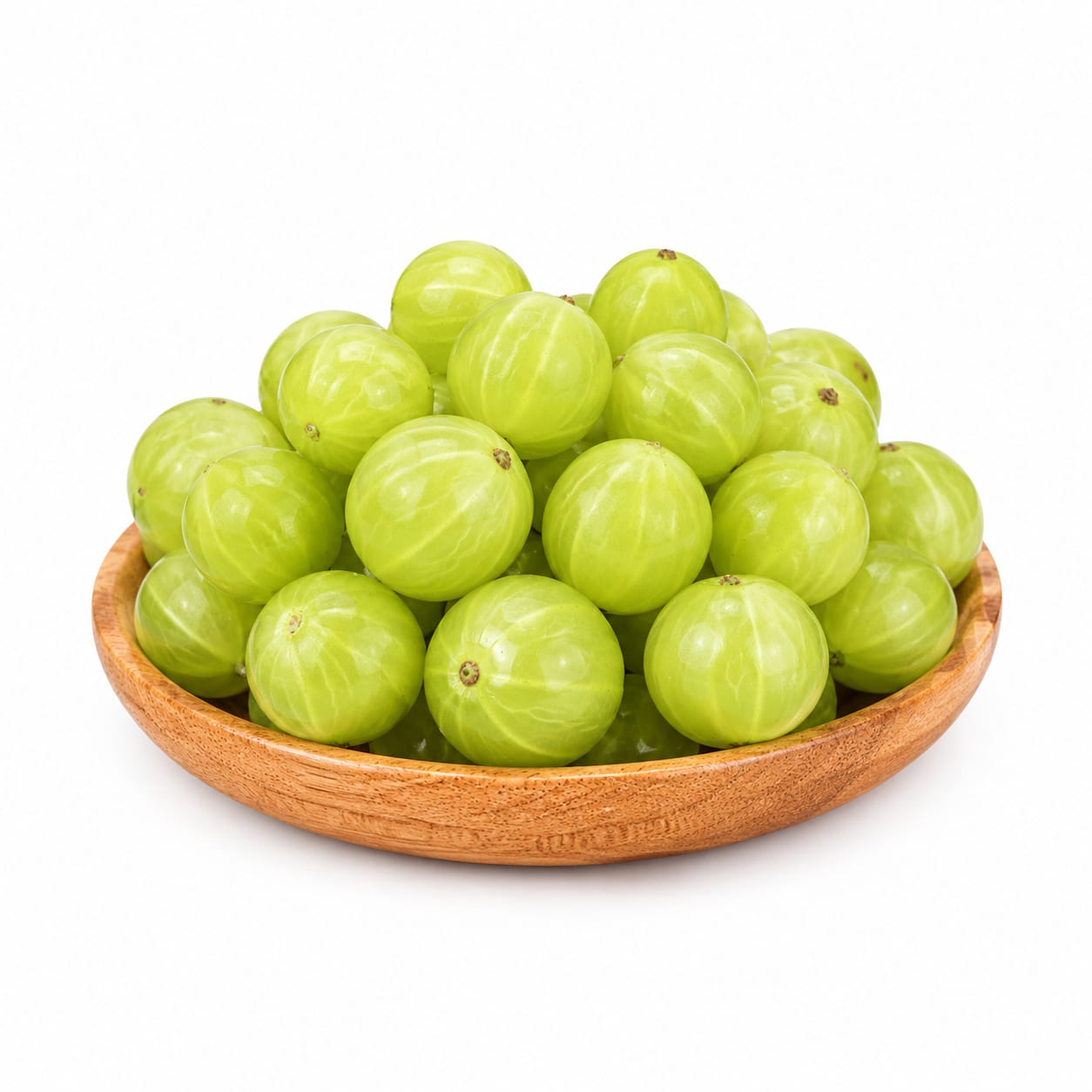
Compare with
Gooseberry
Physalis is sweeter and lower in calories, while gooseberries are tarter and slightly higher in fiber.
Physalis is sweeter and lower in calories, while gooseberries are tarter and slightly higher in fiber.
This food
Physalis
VS80% alike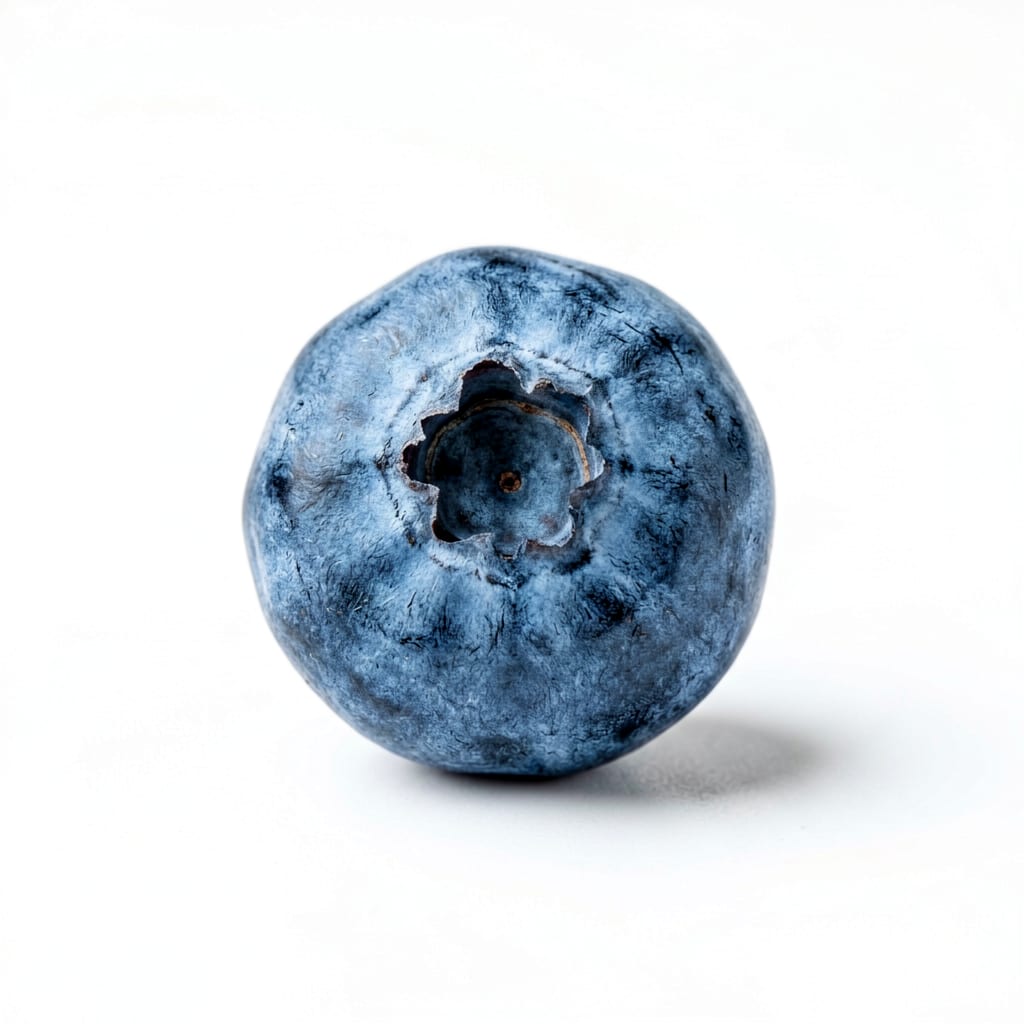
Compare with
Blueberry
Physalis has fewer calories and a lower glycemic impact than blueberries, though both are healthy choices.
Physalis has fewer calories and a lower glycemic impact than blueberries, though both are healthy choices.
This food
Physalis
VS75% alike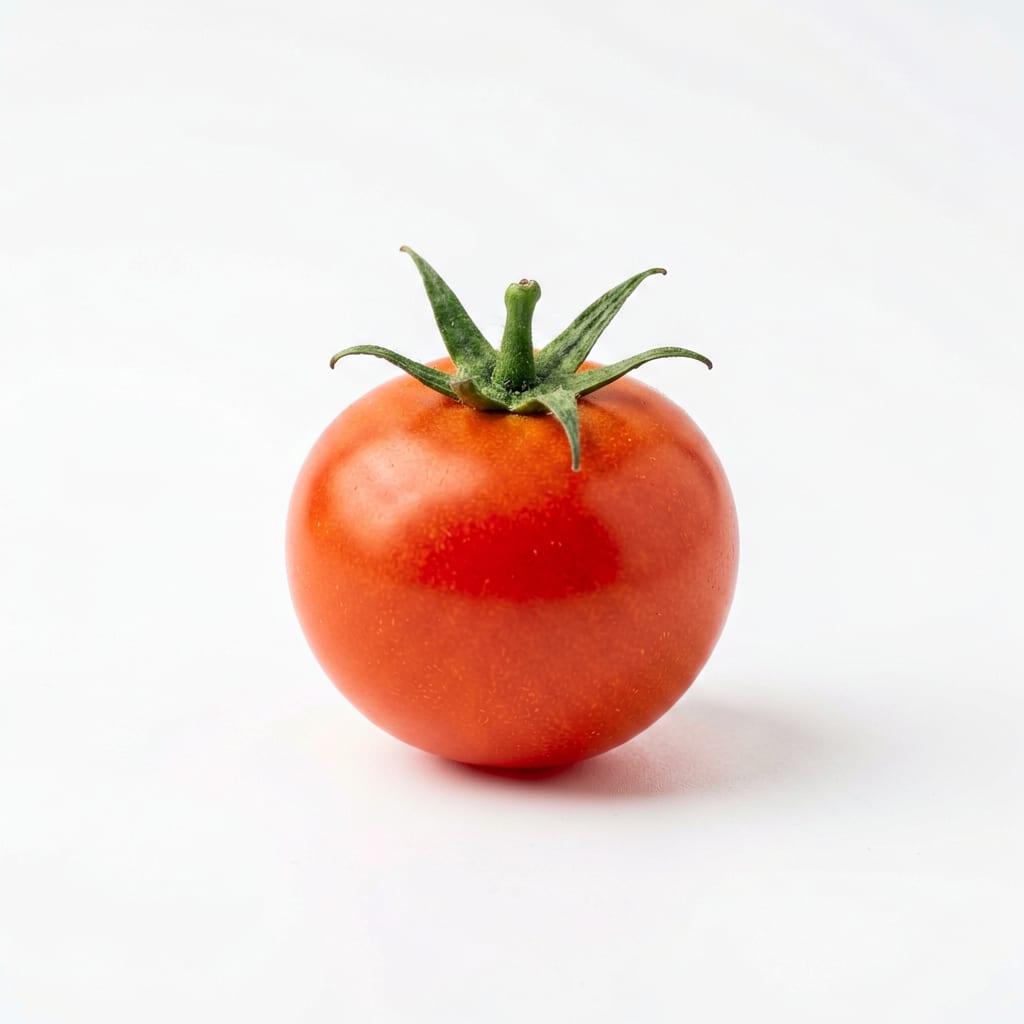
Compare with
Cherry Tomato
Cherry tomatoes are lower in sugar and savory, while physalis offers a sweeter, tart flavor and more vitamin C.
Cherry tomatoes are lower in sugar and savory, while physalis offers a sweeter, tart flavor and more vitamin C.
This food
Physalis
VS70% alike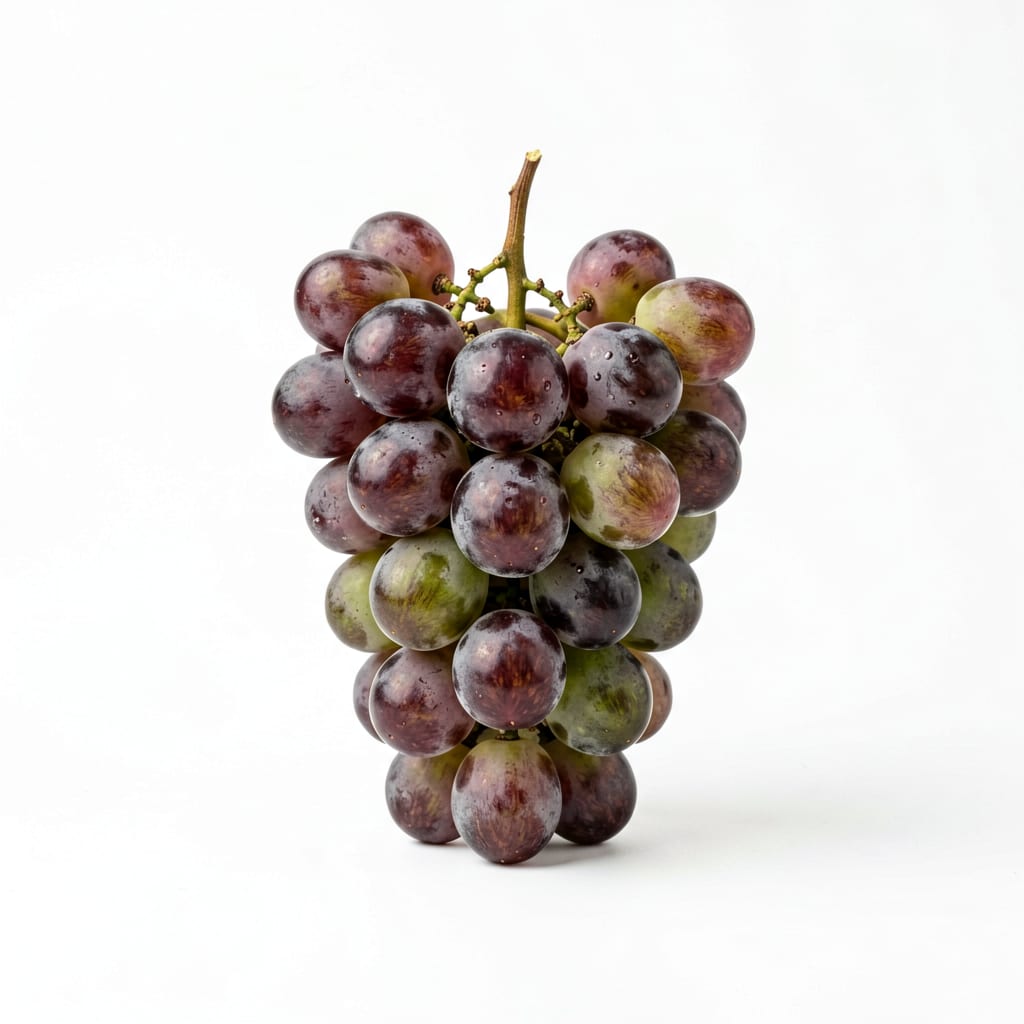
Compare with
Grape
Physalis is significantly lower in sugar and calories than grapes, making it better for blood sugar control.
Physalis is significantly lower in sugar and calories than grapes, making it better for blood sugar control.
This food
Physalis
VS65% alike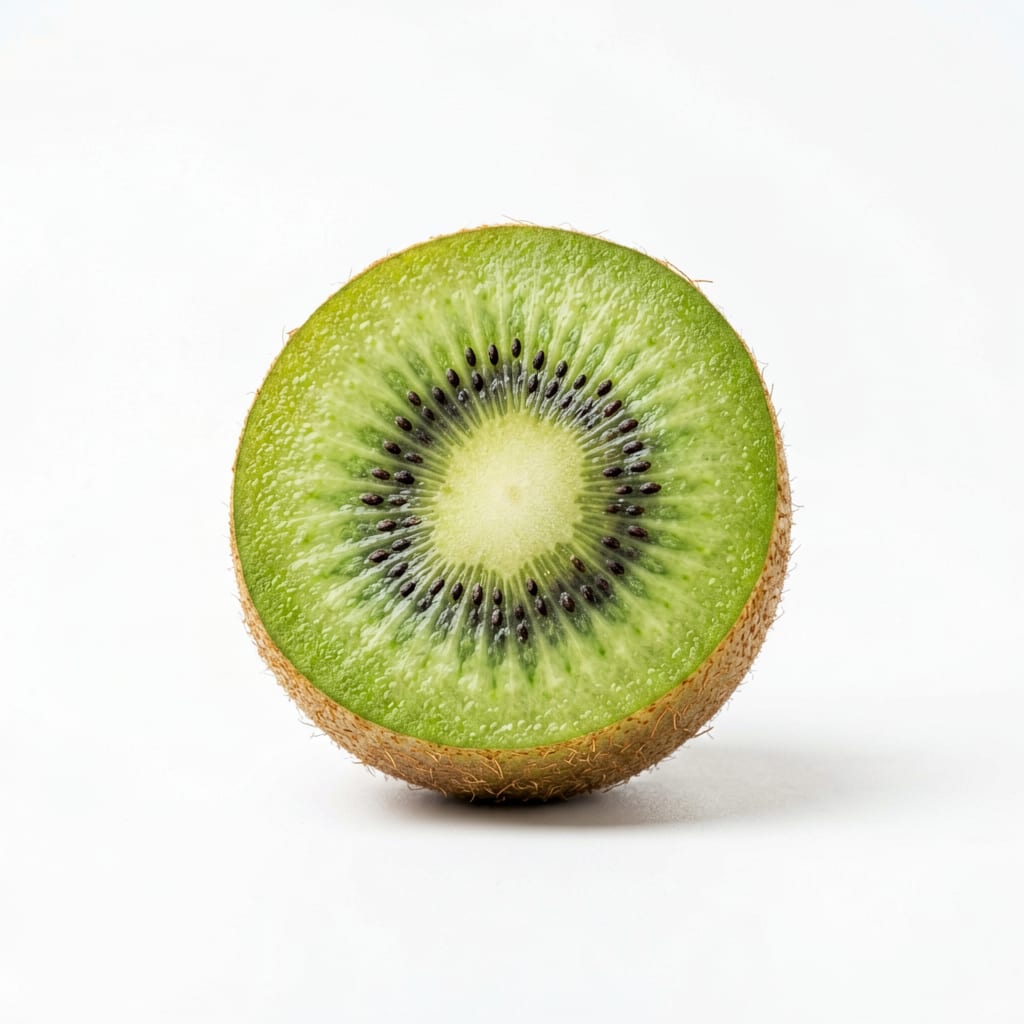
Compare with
Kiwi
Kiwi provides more fiber and vitamin C per serving, but physalis is lower in calories and sugar.
Kiwi provides more fiber and vitamin C per serving, but physalis is lower in calories and sugar.
This food
Physalis
VS65% alike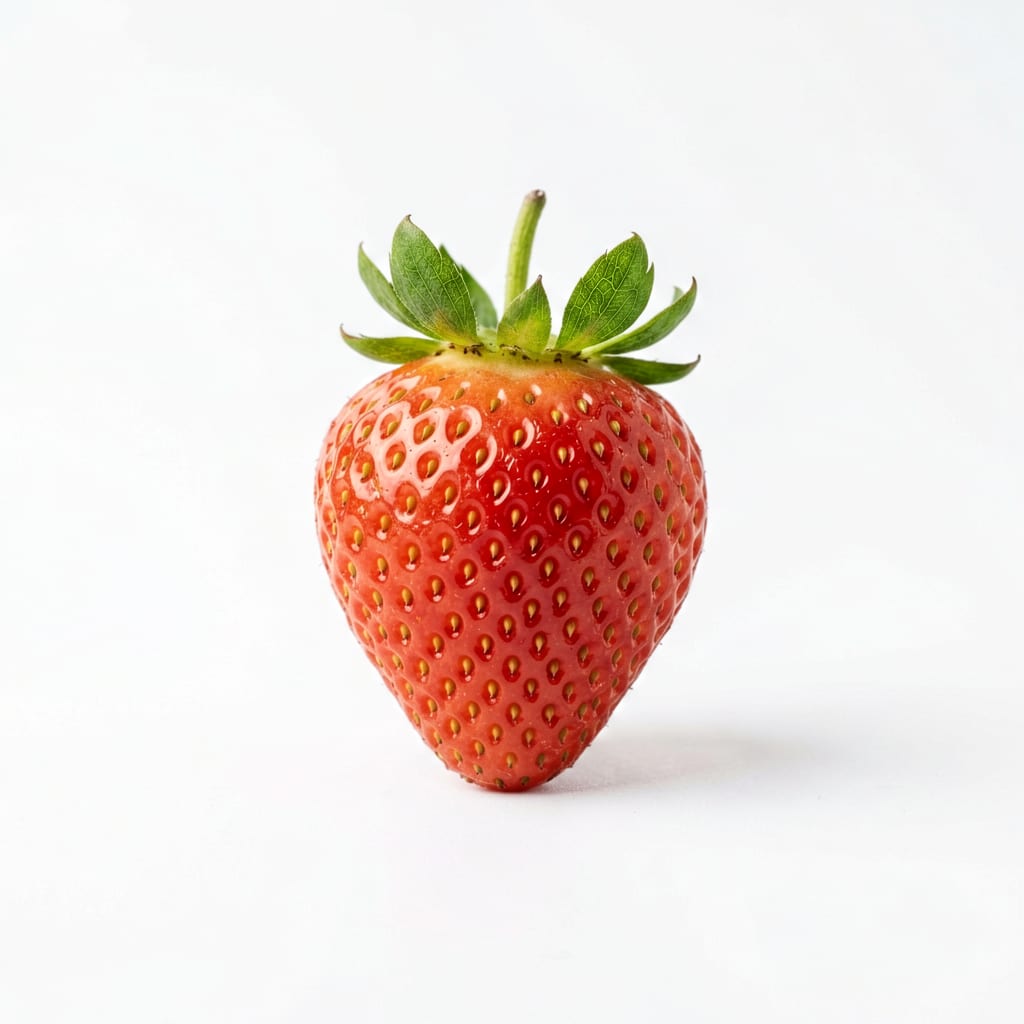
Compare with
Strawberry
Strawberries are slightly lower in calories and sugar, while physalis offers a more concentrated burst of tart flavor.
Strawberries are slightly lower in calories and sugar, while physalis offers a more concentrated burst of tart flavor.
This food
Physalis
VS60% alike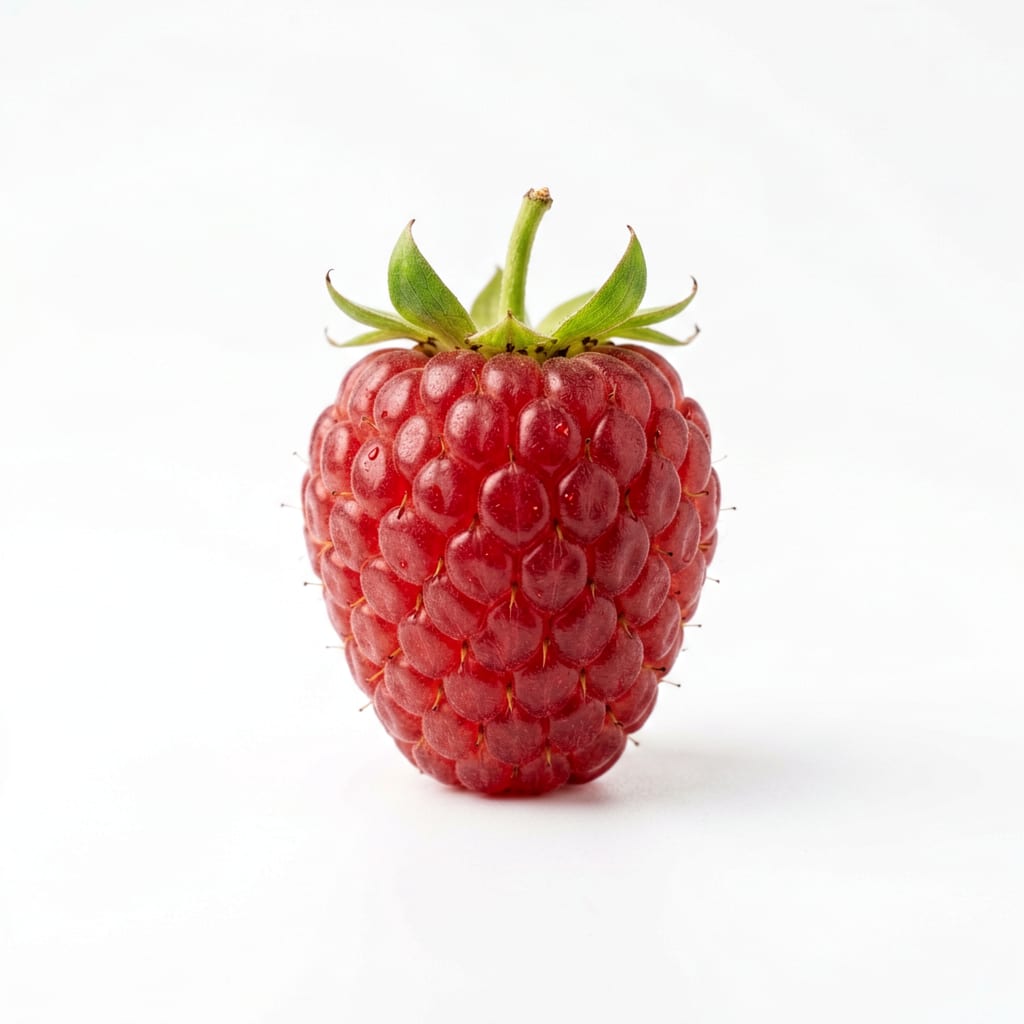
Compare with
Raspberry
Raspberries are superior for fiber and satiety, while physalis provides a unique texture and higher vitamin A.
Raspberries are superior for fiber and satiety, while physalis provides a unique texture and higher vitamin A.
This food
Physalis
VS55% alike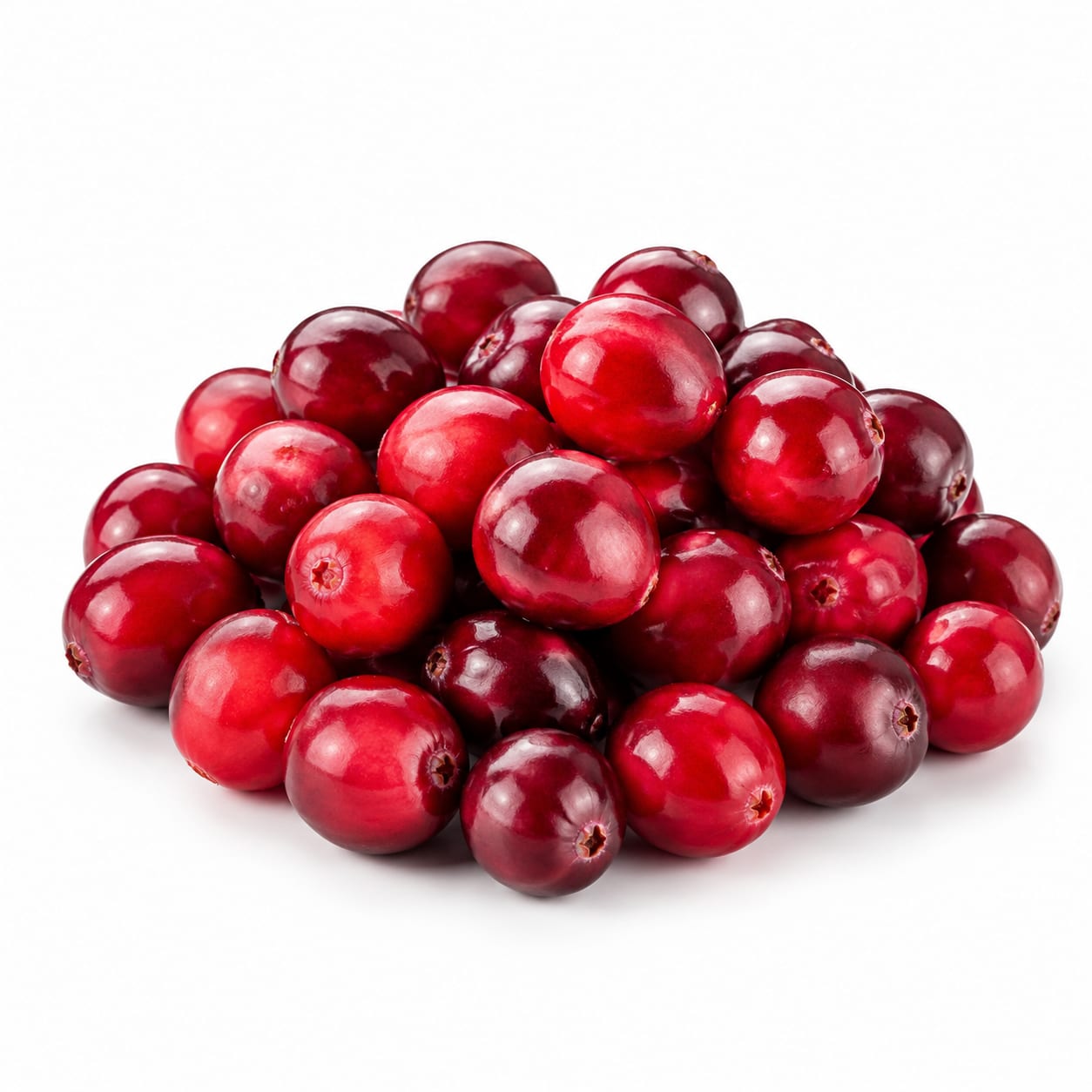
Compare with
Cranberry
Fresh physalis is naturally palatable without added sugar, unlike fresh cranberries which require sweetening.
Fresh physalis is naturally palatable without added sugar, unlike fresh cranberries which require sweetening.
This food
Physalis
VS90% alike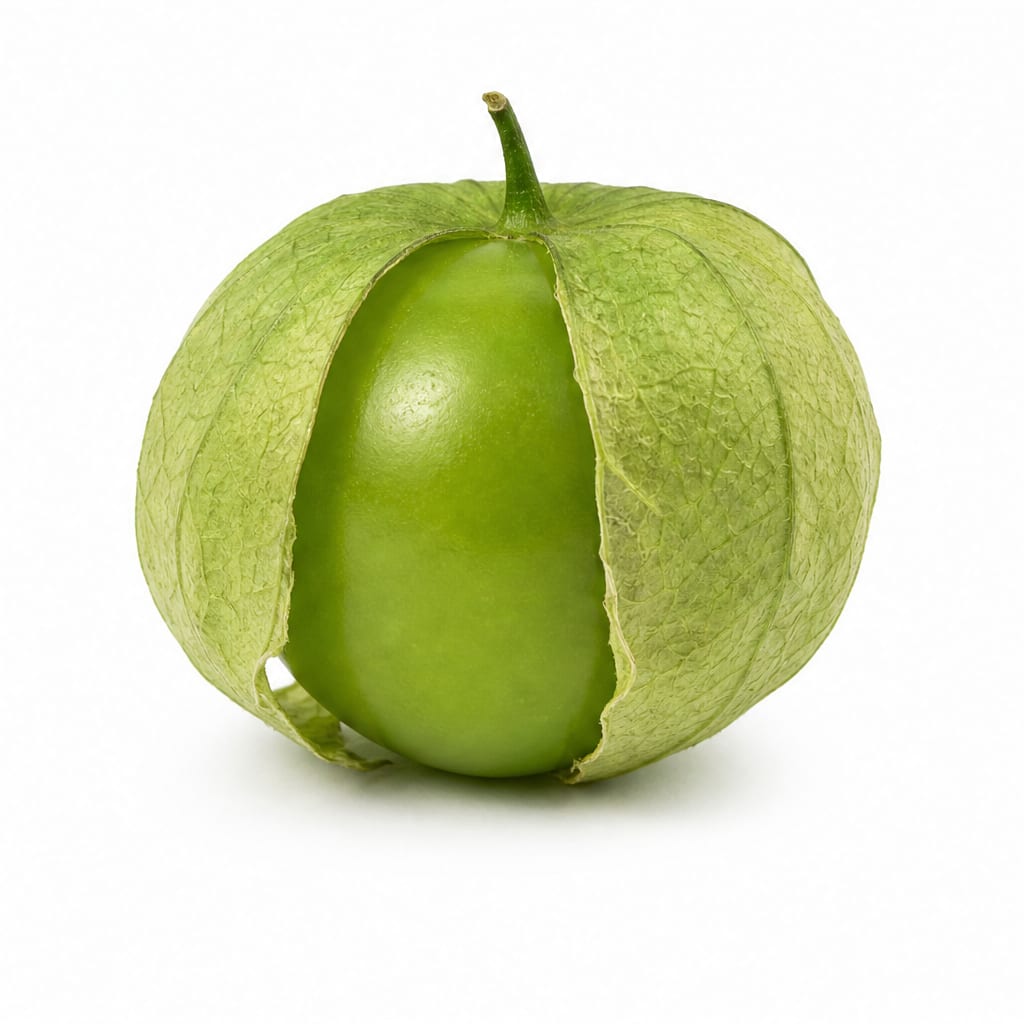
Compare with
Tomatillo
Tomatillos are savory and used in cooking, while physalis is sweeter and eaten as a fresh fruit.
Tomatillos are savory and used in cooking, while physalis is sweeter and eaten as a fresh fruit.
This food
Physalis
VS40% alike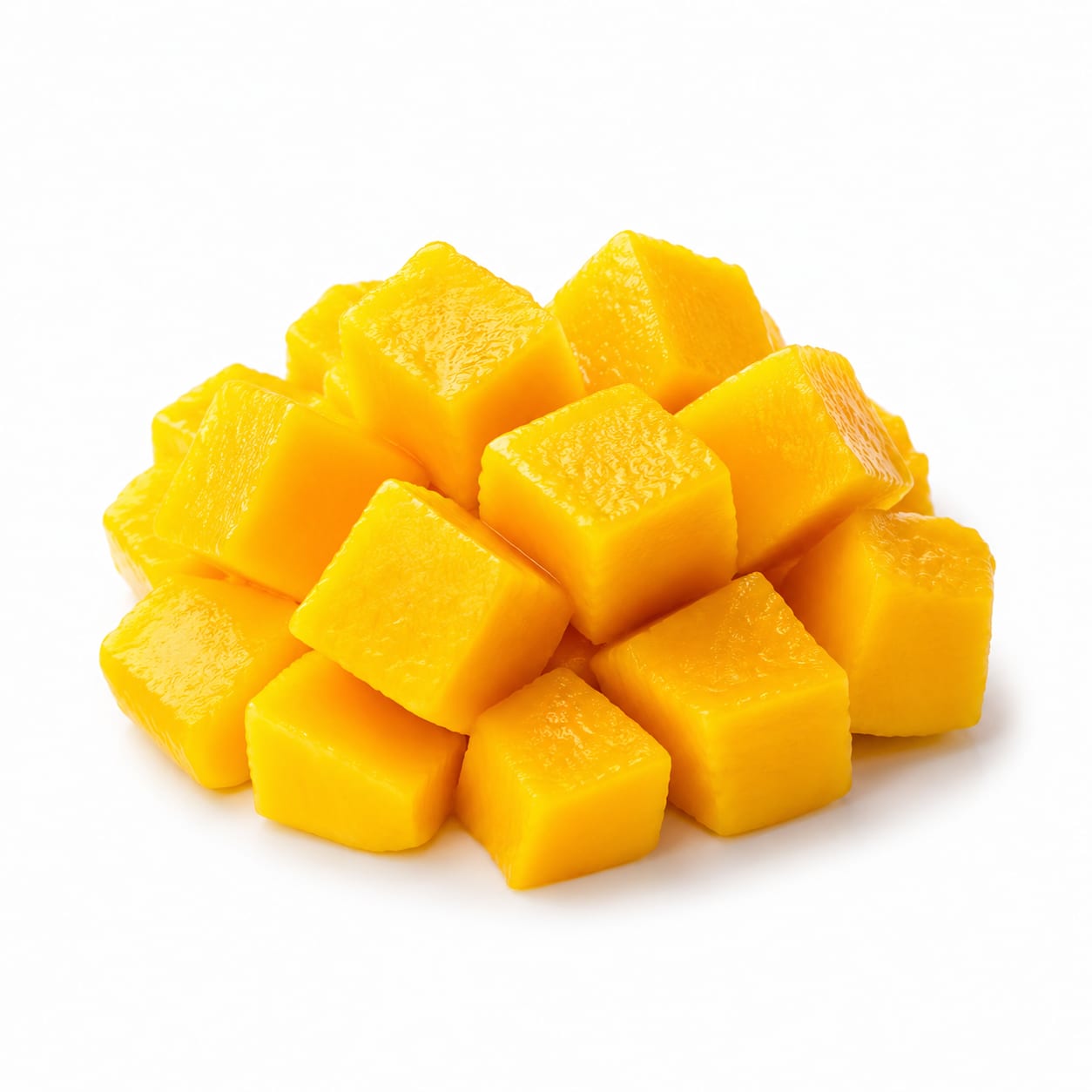
Compare with
Mango
Mangoes offer more quick energy and sweetness, while physalis is a lighter, low-sugar alternative.
Mangoes offer more quick energy and sweetness, while physalis is a lighter, low-sugar alternative.
Common questions
FAQ
Answers aligned with how people search for this food.
Are physalis good for weight loss?
Yes, physalis are low in calories and contain moderate fiber, which promotes satiety and helps control overall calorie intake.
Can diabetics eat physalis?
Yes, physalis have a low glycemic index and glycemic load, meaning they cause a slow, steady rise in blood sugar rather than a sharp spike.
Do you eat the husk of a physalis?
No, the papery husk is inedible and should be removed before eating the fruit inside.
Is physalis high in sugar?
Fresh physalis contains moderate natural sugars (about 7.5g per 100g), but its fiber content slows sugar absorption. Dried physalis is much higher in sugar.
What are the benefits of eating physalis?
Physalis are rich in vitamin C, vitamin A, and unique antioxidants like withanolides, which support immune function and reduce inflammation.
Is physalis the same as a gooseberry?
Physalis is often called Cape gooseberry, but it is not related to the true gooseberry. It belongs to the nightshade family, like tomatoes and tomatillos.
How do you eat fresh physalis?
Simply remove the dry husk, wash the fruit, and eat it raw. It can also be added to fruit salads, desserts, or smoothies.
Transparency
Data confidence
Estimated confidence for nutrition data, interpretation, safety notes, and comparisons.
Nutrition data
Health analysis
Food safety
Comparisons