
Nutrition comparison
Physalis vs Cranberry: Nutrition, UTI Benefits & Sugar Comparison
Compare physalis and cranberry to see which berry is better for UTIs, snacking, and overall health. Discover the hidden sugar trap in cranberry products and the unique benefits of physalis.
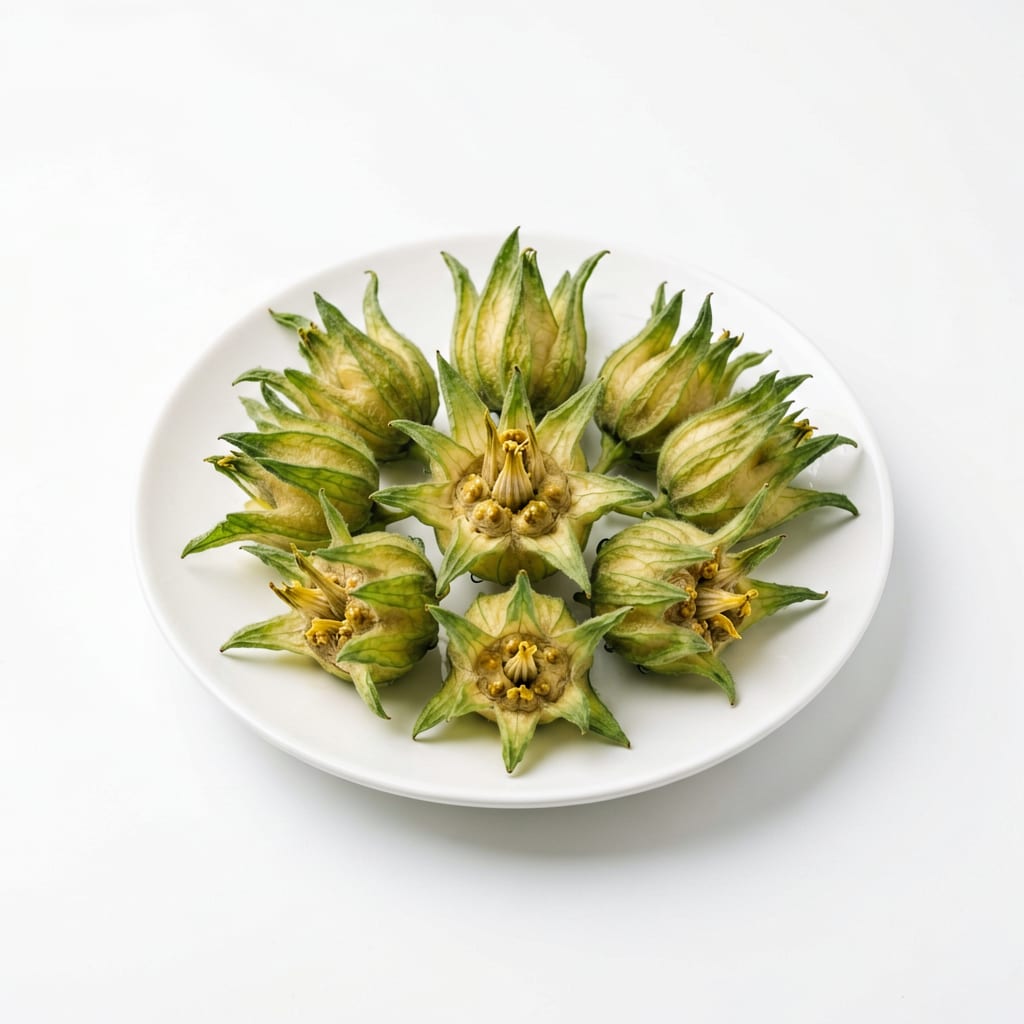
Physalis
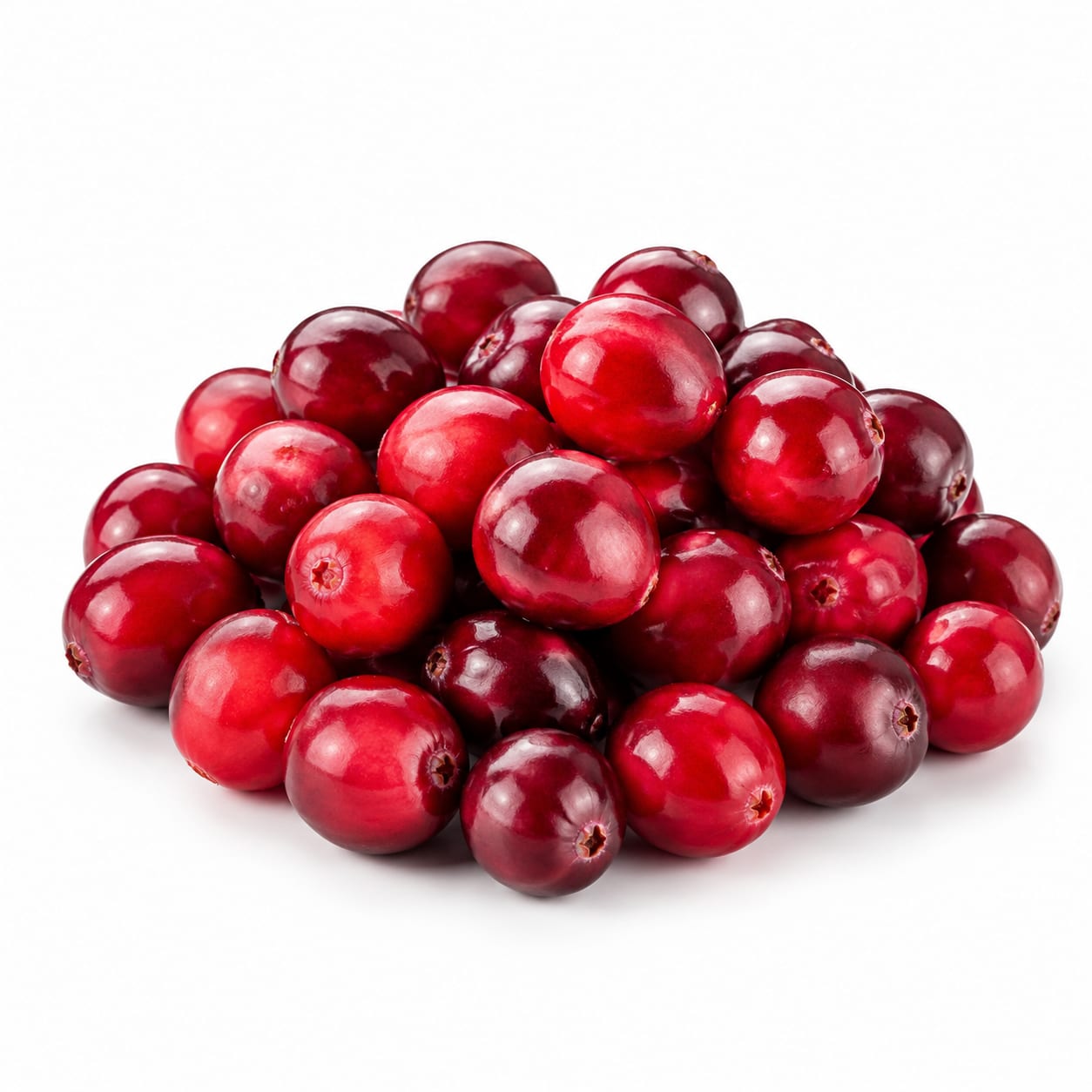
Cranberry
Physalis is a naturally sweet, eye-health-boosting snack, while cranberry is a tart medicinal powerhouse famous for urinary tract protection.
Physalis scores slightly higher for being naturally palatable and rich in vitamin A, but cranberry remains unmatched for urinary tract health, keeping the scores close and highly context-dependent.
Natural palatability versus targeted urinary tract benefits.
At a glance
Executive summary
Overall
It depends
Healthier
It depends
More practical
Physalis
Daily use
Physalis
Key comparison lenses
UTI prevention and urinary tract health
Cranberries are uniquely famous for preventing UTIs, which is the primary reason most people seek them out.
Natural sugar vs added sugar reality
Fresh cranberries are overwhelmingly tart, pushing consumers toward sweetened dried versions or juices, whereas physalis is naturally sweet and palatable raw.
Antioxidant diversity and inflammation
Both berries offer distinct antioxidant profiles—cranberries have proanthocyanidins, while physalis provides withanolides and carotenoids.
Vitamin A and vision support
Physalis is significantly richer in beta-carotene and vitamin A, making it a strong choice for eye health.
Best choice for
Physalis
- People wanting a naturally sweet, grab-and-go fresh snack
- Those focusing on vitamin A intake and eye health
- Anyone avoiding added sugars commonly found in dried cranberries
Cranberry
- Women prone to recurrent urinary tract infections
- People looking for specific anti-adhesion antioxidants
- Those who enjoy tart flavors or use fruit in cooking and baking
Least suitable for
Physalis
- People on blood thinners who need strict vitamin K control
- Those unfamiliar with how to safely prepare them (unripe berries are toxic)
Cranberry
- People sensitive to tart flavors who end up consuming sugary cranberry products
- Individuals prone to kidney stones due to oxalate content
Deep comparison
Dimension by dimension
Each lens scores both foods and breaks down who each option suits.
- Dimension 1 · Priority 95Cranberry
Urinary Tract & Infection Defense
Physalis · 30Cranberry · 98Cranberries contain unique proanthocyanidins that stop bacteria from sticking to the urinary tract walls, a benefit physalis cannot match.
Tradeoff
You gain targeted infection defense with cranberries, but must endure their extreme tartness or navigate added sugars in processed forms.
Why it matters
For anyone suffering from recurrent UTIs, cranberry is one of the most effective natural interventions available.
Real-world impact
Regular cranberry consumption can significantly reduce the need for antibiotics for urinary issues.
Physalis
- Those needing anti-adhesion bacterial protection
Worse for
Cranberry
- Recurrent UTI sufferers
- Women looking for preventive urinary health support
Better for
- Dimension 2 · Priority 85Physalis
Natural Sweetness & Snackability
Physalis · 88Cranberry · 25Physalis is naturally sweet and pleasant to eat raw, while fresh cranberries are overwhelmingly sour and rarely eaten alone.
Tradeoff
Physalis is an easy, satisfying fresh snack, but lacks the intense medicinal draw that makes cranberries worth the tartness.
Why it matters
If a food is too tart to eat raw, people often reach for processed versions loaded with added sugar.
Real-world impact
You can easily pop fresh physalis as a sweet treat, but eating fresh cranberries straight is a challenge for most palates.
Physalis
- Fans of sweet, grab-and-go fruit snacks
- Kids who reject sour flavors
Better for
Cranberry
- People who want a hassle-free raw snack without sweeteners
Worse for
- Dimension 3 · Priority 90Physalis
Real-World Sugar Trap
Physalis · 85Cranberry · 40Because fresh cranberries are so tart, they are mostly consumed as sweetened dried fruit or juice cocktails, adding significant sugar. Physalis requires no added sugar to taste good.
Tradeoff
Choosing cranberry for health benefits often inadvertently introduces added sugars if you choose dried or juiced versions.
Why it matters
The healthiest fruit in the world loses its value if you only eat it coated in sugar or mixed with syrup.
Real-world impact
A handful of sweetened dried cranberries can contain as much sugar as candy, whereas fresh physalis delivers natural sweetness guilt-free.
Physalis
- People strictly avoiding added sugars
- Those tracking daily sugar intake
Better for
Cranberry
- Dieters who accidentally consume excess sugar through cranberry snacks
Worse for
- Dimension 4 · Priority 75Physalis
Vitamin A & Eye Health
Physalis · 90Cranberry · 15Physalis is packed with beta-carotene and vitamin A, far exceeding cranberries, which supports vision and immune function.
Tradeoff
You get strong eye health support from physalis, but miss out on the unique urinary tract antioxidants found in cranberries.
Why it matters
Vitamin A is crucial for preventing night blindness and maintaining healthy skin and immune defenses.
Real-world impact
Eating physalis regularly is an easy way to protect your vision, especially if you lack orange vegetables in your diet.
Physalis
- People needing a vitamin A boost
- Those concerned about long-term eye health
Better for
Cranberry
- Anyone relying on this fruit for meaningful vitamin A intake
Worse for
- Dimension 5 · Priority 80It depends
Antioxidant Diversity
Physalis · 80Cranberry · 85Cranberries offer unique proanthocyanidins, while physalis provides withanolides and carotenoids. Both are powerful but target different body systems.
Tradeoff
Cranberries excel at anti-adhesion and urinary health, while physalis shines in anti-inflammation and cellular protection.
Why it matters
A diverse antioxidant profile protects the body from different types of cellular damage and inflammation.
Real-world impact
Mixing both berries in a diet gives you the broadest spectrum of disease-fighting compounds.
Physalis
- Those seeking anti-inflammatory withanolides
- People wanting carotenoid-based cellular protection
Better for
- People needing anti-adhesion benefits
Worse for
Cranberry
- Those prioritizing cardiovascular and urinary antioxidant defense
Better for
- People needing vitamin A or withanolide benefits
Worse for
Timeline
Health impact over time
Short-term
Hours to days
Physalis
- Provides steady, natural energy from easily digestible carbs
- Satisfies sweet cravings without needing added sugar
Cranberry
- Fresh cranberries can cause mouth pucker and stomach upset if eaten in large quantities raw
- Sweetened cranberry products can cause a rapid blood sugar spike
Long-term
Months to years
Physalis
- Supports eye health and immune resilience through high vitamin A
- Consistent intake of anti-inflammatory withanolides may reduce chronic disease risk
Cranberry
- Significantly lowers the frequency of urinary tract infections
- High oxalate load may contribute to kidney stone formation in susceptible individuals
Risk profile
Safety & processing
While both are natural when fresh, cranberries are rarely eaten that way. The market is flooded with sweetened dried cranberries and juice cocktails that contain added sugars, oils, and preservatives, making real-world cranberry consumption much more processed than typical physalis snacking.
Physalis
Solanine toxicity from unripe berries
mediumUnripe physalis and its leaves/flowers contain solanine, which can cause digestive distress and nausea. Only eat fully ripe, orange berries.
Allergic reactions
lowPeople allergic to other nightshades might experience cross-reactivity with physalis.
Cranberry
Kidney stones
mediumCranberries are high in oxalates, which can bind with calcium and form kidney stones in prone individuals.
Medication interaction
highCranberry juice can interact with blood thinners like warfarin, increasing the risk of bleeding. Consult a doctor if on these medications.
Who wins for whom
Audience fit
Same foods, different winners depending on your goal.
children
PhysalisKids naturally prefer the sweet, mild flavor of physalis over the intense sourness of fresh cranberries, avoiding the need to give them sugar-coated fruit snacks.
daily consumption
PhysalisPhysalis is easier to incorporate daily as a fresh, raw snack without the sugar pitfalls or medication interactions associated with daily cranberry intake.
diabetes
PhysalisPhysalis can be enjoyed fresh without adding sugar, whereas the most common cranberry products (dried and juiced) are loaded with added sugars that spike blood glucose.
elderly
CranberryThe elderly are more prone to UTIs, making cranberry's targeted prevention highly valuable, provided they manage the oxalate and medication interactions.
muscle gain
It dependsNeither fruit is a significant protein source, so both are largely irrelevant for direct muscle gain, though both can serve as healthy carb sources.
weight loss
PhysalisPhysalis is naturally sweet and satisfying without the added sugars typically found in palatable cranberry products, making it easier to stick to a low-sugar diet.
Your move
Decision guide
Choose Physalis
- You want a naturally sweet, low-guilt fresh snack
- You are focused on boosting vitamin A and protecting your vision
- You want to avoid the added sugars commonly found in cranberry products
- You are prone to kidney stones and must avoid high-oxalate foods
Choose Cranberry
- You struggle with recurrent urinary tract infections
- You are on a low-sugar diet but can handle the tartness of fresh cranberries in cooking
- You want targeted anti-adhesion antioxidants for urinary and cardiovascular health
- You are looking for a tart flavor addition to sauces, baked goods, or smoothies
Either works if
- You simply want to diversify your daily fruit and antioxidant intake
- You are mixing berries into a salad or oatmeal for varied flavor and texture
Avoid both if
- You are on a strict low-carb or keto diet and cannot spare the carb grams for fruit
- You have a severe allergy to nightshades (avoid physalis) or take blood thinners (avoid cranberry)
Final recommendation
Let your primary health goal decide. If UTI prevention is your focus, cranberry is the clinical winner—just opt for unsweetened forms. If you want a delicious, daily fresh fruit that supports eye health without the sugar trap, physalis is the easier, sweeter choice.
Practical
Consumer tips
- 1
If you buy dried cranberries, look for unsweetened or low-sugar versions to avoid the candy-level sugar content of standard brands.
- 2
Only eat fully ripe, orange physalis; discard the husk and never eat the leaves or unripe green berries.
- 3
If fresh cranberries are too tart for you, try cooking them down with a natural sweetener like stevia or monk fruit instead of buying pre-sweetened juice.
- 4
Freeze fresh cranberries when they are in season; they last for months and are great straight from the freezer in smoothies.