
Nutrition comparison
Physalis vs Strawberry: Which Berry Is Actually Better for You?
Compare physalis and strawberry on vitamin C, antioxidants, pesticides, weight loss, and daily practicality. Discover when each fruit is the smarter choice.
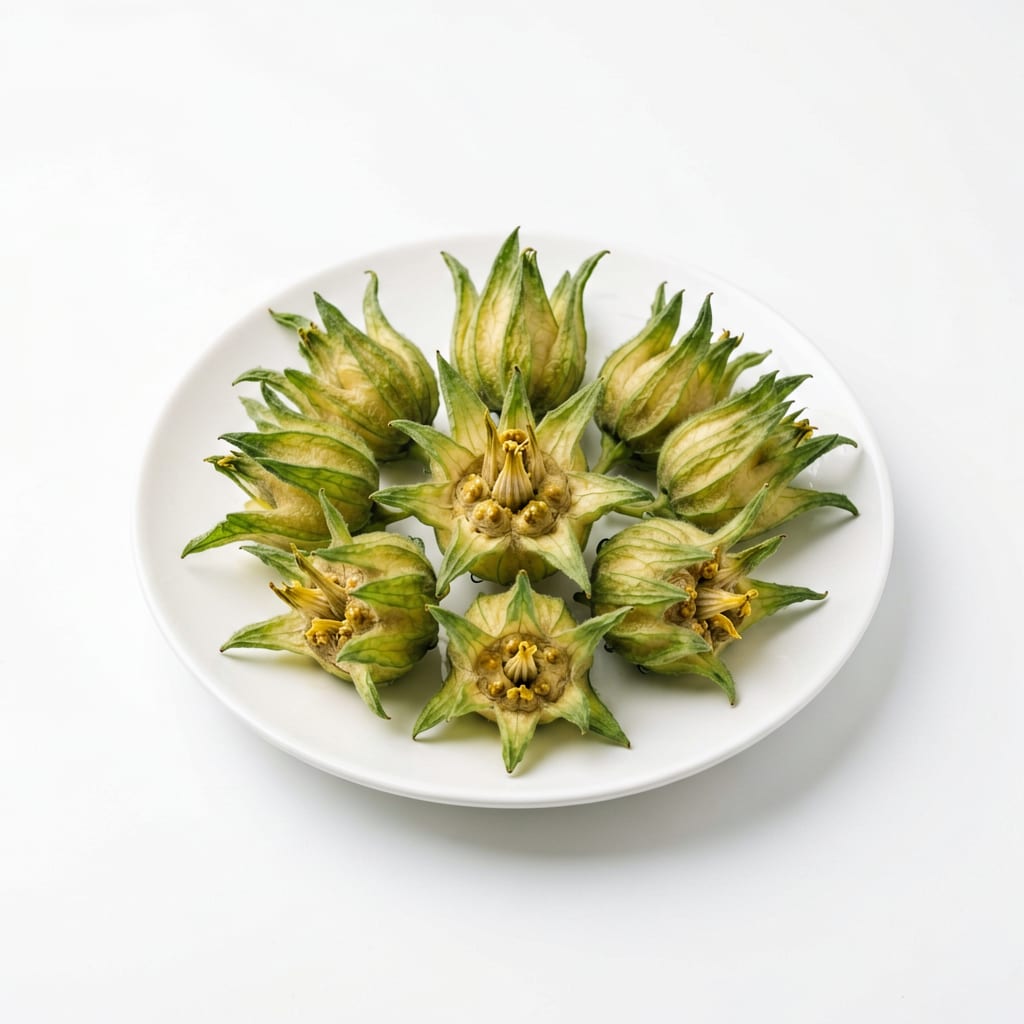
Physalis
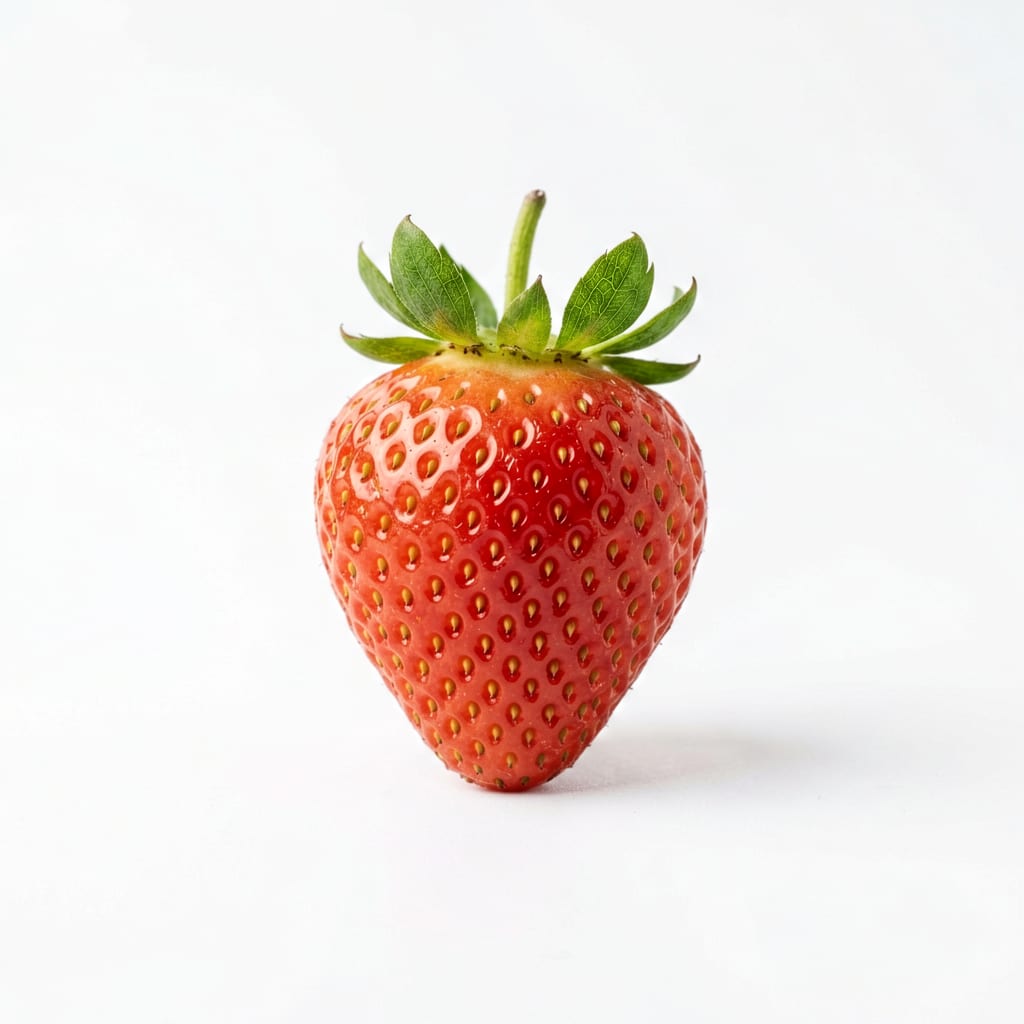
Strawberry
Strawberries win on vitamin C, affordability, and daily practicality. Physalis offers unique anti-inflammatory compounds and lower pesticide risk but costs more and is harder to find.
Strawberries score higher due to superior vitamin C content, widespread availability, and lower cost. Physalis holds niche advantages with unique withanolides and natural husk protection from pesticides, but its limited access and higher price reduce everyday utility.
Everyday nutritional powerhouse versus exotic specialty with rare bioactive compounds you cannot get elsewhere.
At a glance
Executive summary
Overall
It depends
Healthier
Strawberry
More practical
Strawberry
Daily use
Strawberry
Key comparison lenses
antioxidant diversity and unique compounds
Physalis contains rare withanolides not found in common berries, while strawberries offer anthocyanins and ellagic acid — users want to know if exotic means better
everyday practicality and accessibility
Strawberries are available year-round in most stores; physalis is seasonal, expensive, and harder to find — this shapes real-world decisions heavily
vitamin C and immune support
Both are valued for immune-boosting potential, but strawberries deliver significantly more vitamin C per serving
weight management and calorie density
Users comparing fruits often prioritize low-calorie options for snacking and satiety
pesticide and contamination concerns
Strawberries consistently rank on the EWG Dirty Dozen list, while physalis is less pesticide-intensive due to its protective husk
Best choice for
Physalis
- Reducing inflammation through unique withanolides
- Minimizing pesticide exposure without buying organic
- Adding variety to a stagnant fruit rotation
- Exploring novel flavors and culinary presentations
Strawberry
- Maximizing vitamin C intake on a budget
- Reliable daily fruit consumption
- Weight loss and low-calorie snacking
- Family-friendly fruit that kids actually eat
Least suitable for
Physalis
- Budget-conscious weekly meal prep
- Bulk smoothie making
- People who dislike tart or tangy flavors
Strawberry
- Avoiding pesticide residue without buying organic
- Seeking novel or exotic nutrient profiles
- Those bored with common berry flavors
Deep comparison
Dimension by dimension
Each lens scores both foods and breaks down who each option suits.
- Dimension 1 · Priority 90Strawberry
vitamin_C_and_immune_support
Physalis · 55Strawberry · 92Strawberries deliver roughly 59mg of vitamin C per 100g compared to physalis at around 11mg. That is a dramatic difference for immune support.
Tradeoff
Physalis compensates slightly with vitamin A content, but cannot compete on the vitamin C front that most people seek berries for.
Why it matters
If you are reaching for fruit during cold season or after travel, strawberries provide the immune fuel your body actually uses.
Real-world impact
One cup of strawberries covers nearly your entire daily vitamin C needs. You would need to eat five times as much physalis to match that.
Physalis
- Vitamin A intake for skin and eye health
Better for
- Meeting daily vitamin C targets efficiently
Worse for
Strawberry
- Fighting off colds and infections
- Collagen production for skin repair
- Iron absorption when paired with iron-rich meals
Better for
- Vitamin A diversity from fruit sources
Worse for
- Dimension 2 · Priority 88Physalis
unique_bioactive_compounds
Physalis · 91Strawberry · 72Physalis contains withanolides and unique carotenoids that you simply cannot get from strawberries or most other common fruits.
Tradeoff
Strawberries offer ellagic acid and anthocyanins, which are well-studied, but less rare. Physalis provides compounds with emerging anti-inflammatory and anti-cancer research.
Why it matters
Dietary diversity in phytonutrients matters more than total antioxidant count. Physalis adds compounds your body rarely encounters.
Real-world impact
Eating physalis occasionally is like cross-training your immune system — it encounters different chemical signals that may enhance resilience.
Physalis
- Anti-inflammatory withanolide intake
- Carotenoid diversity beyond beta-carotene
- Novel phytonutrient exposure for gut microbiome variety
Better for
- Limited long-term human studies on withanolides from fruit
Worse for
Strawberry
- Well-researched anthocyanin benefits for heart and brain
- Ellagic acid for cellular defense
Better for
- Less phytonutrient novelty compared to exotic fruits
Worse for
- Dimension 3 · Priority 80Strawberry
calorie_density_and_weight_management
Physalis · 62Strawberry · 88Strawberries contain about 32 calories per 100g while physalis runs closer to 53 calories due to higher natural fat and sugar content.
Tradeoff
Physalis is more calorie-dense but also more satiating per piece due to its fat content. Strawberries let you eat more volume for fewer calories.
Why it matters
For grazing or mindless snacking, lower calorie density helps prevent accidental overconsumption.
Real-world impact
You can eat a full cup of strawberries for under 50 calories. The same volume of physalis costs you around 80 calories.
Physalis
- More satiating per individual fruit piece
- Slightly higher healthy fat content slows sugar absorption
Better for
- Higher calorie count limits portion flexibility
Worse for
Strawberry
- Larger portions for fewer calories
- Better for volume eating and feeling full without overeating
- Easier to fit into calorie-tracked meal plans
Better for
- Less fat means slightly faster sugar absorption
Worse for
- Dimension 4 · Priority 75Physalis
pesticide_exposure_and_safety
Physalis · 85Strawberry · 48Strawberries consistently rank number one on the EWG Dirty Dozen list. Physalis grows inside a protective papery husk that shields it from direct pesticide contact.
Tradeoff
Organic strawberries solve the pesticide issue but cost significantly more. Physalis naturally avoids much of this concern even when conventionally grown.
Why it matters
Pesticide residue is a real concern for frequent fruit eaters, especially children and pregnant women.
Real-world impact
If you eat strawberries daily, going organic matters. With physalis, the husk acts as a natural barrier, making conventional options less risky.
Physalis
- Natural husk barrier reduces pesticide residue
- Less likely to appear on high-pesticide produce lists
- Safer conventional option for budget-limited shoppers
Better for
- Less pesticide testing data available due to lower production volume
Worse for
Strawberry
- Organic strawberries are widely available and well-regulated
Better for
- Conventionally grown strawberries carry some of the highest pesticide loads of any fruit
Worse for
- Dimension 5 · Priority 85Strawberry
availability_and_everyday_practicality
Physalis · 30Strawberry · 95Strawberries are available in nearly every grocery store year-round. Physalis is seasonal, specialty, and often two to four times more expensive.
Tradeoff
You can act on a strawberry craving immediately. Physalis requires planning, specialty stores, or online ordering.
Why it matters
The healthiest fruit is the one you actually eat consistently. Availability drives consistency more than nutrient density.
Real-world impact
Strawberries can be a daily habit. Physalis is more like a weekly or monthly treat for most people.
Physalis
- Impresses at dinner parties and in food photography
- Longer shelf life when kept in the husk
Better for
- Hard to find outside specialty or international markets
- Prohibitively expensive for regular use
Worse for
Strawberry
- Available in every supermarket year-round
- Affordable enough for daily consumption
- Easy to find frozen for smoothies and meal prep
- Familiar flavor that requires no acquisition
Better for
- Shorter shelf life, molds quickly in the fridge
Worse for
- Dimension 6 · Priority 70Strawberry
fiber_and_digestive_health
Physalis · 65Strawberry · 74Both provide decent fiber, but strawberries offer slightly more per calorie, making them more fiber-efficient for digestive health.
Tradeoff
Physalis contains pectin which is specifically beneficial for gut lining integrity, but the total fiber advantage goes to strawberries.
Why it matters
Fiber per calorie matters when you are trying to hit 25-30g daily without overshooting your energy needs.
Real-world impact
A cup of strawberries gives you about 3g of fiber for 50 calories. Physalis delivers similar fiber but at a higher calorie cost.
Physalis
- Pectin content supports gut barrier function
- Slightly more diverse fiber types
Better for
- Less fiber-efficient when watching calories
Worse for
Strawberry
- More fiber per calorie consumed
- Seeds contribute insoluble fiber for regularity
Better for
- Less pectin-specific gut healing potential
Worse for
Timeline
Health impact over time
Short-term
Hours to days
Physalis
- Tart flavor can stimulate digestion and appetite
- Moderate sugar content provides gentle energy without sharp spikes
- Unique carotenoids may temporarily boost skin warmth and tone
Strawberry
- High vitamin C quickly supports immune cell activity
- High water content aids hydration on hot days
- Natural sugars provide fast but short-lived energy
Long-term
Months to years
Physalis
- Withanolides may reduce chronic inflammation markers over time
- Carotenoid intake supports long-term eye and skin health
- Dietary variety from exotic fruits may strengthen microbiome resilience
Strawberry
- Consistent vitamin C intake reduces duration and severity of colds over years
- Anthocyanins support cardiovascular and cognitive health with regular consumption
- Ellagic acid contributes to cellular defense against oxidative damage
Risk profile
Safety & processing
Both fruits are typically consumed whole and raw, making them equally natural choices. The main difference is that strawberries are more commonly available in processed forms like jams and flavored products, while physalis is almost always sold fresh or dried with minimal intervention.
Physalis
Allergic cross-reactivity
lowPhysalis belongs to the nightshade family. People with sensitivities to tomatoes or eggplants may experience mild reactions, though this is uncommon.
Unripe fruit toxicity
mediumUnripe physalis contains solanine-like compounds that can cause digestive upset. Always ensure the husk is dry and papery and the fruit is fully golden-orange before eating.
Limited safety data
lowBecause physalis is less commonly consumed globally, there is less surveillance data on contamination or long-term effects compared to major crops.
Strawberry
Pesticide residue
highStrawberries top the EWG Dirty Dozen list most years. Conventionally grown strawberries frequently test positive for multiple pesticide residues, including some linked to hormonal disruption.
Mold and spoilage
mediumStrawberries mold rapidly, sometimes within 1-2 days of purchase. Mold can produce mycotoxins that are harmful if ingested. Inspect berries carefully before eating.
Oral allergy syndrome
lowSome people with birch pollen allergies experience itching or swelling in the mouth when eating fresh strawberries. Cooking usually eliminates this reaction.
Who wins for whom
Audience fit
Same foods, different winners depending on your goal.
children
StrawberryKids generally accept strawberries more readily. The familiar sweet taste and soft texture make it an easy win for daily fruit intake.
daily consumption
StrawberryAffordability, availability, and familiar taste make strawberries a sustainable daily habit. Physalis works better as an occasional addition for variety.
diabetes
StrawberryStrawberries have a lower glycemic load per serving and more fiber per calorie, leading to gentler blood sugar responses.
elderly
StrawberryStrawberries are softer, easier to chew, and their high vitamin C content supports collagen maintenance in aging skin and joints.
muscle gain
StrawberryNeither fruit is a protein source, but strawberries provide more vitamin C which supports collagen synthesis and post-workout tissue repair.
weight loss
StrawberryStrawberries offer more volume and fiber per calorie, making it easier to eat satisfying portions without overshooting daily targets.
Your move
Decision guide
Choose Physalis
- You want to explore unique anti-inflammatory compounds not found in common fruits
- Pesticide exposure concerns you and organic strawberries are not available or affordable
- You are building a diverse phytonutrient portfolio and already eat strawberries regularly
- You enjoy tart, complex flavors and want something visually striking for entertaining
Choose Strawberry
- You need a reliable, affordable daily fruit that delivers consistent vitamin C
- Weight management or calorie control is your current priority
- You are meal prepping or making smoothies in bulk
- You want a family-friendly fruit that requires no introduction or convincing
Either works if
- You simply want a whole-food snack instead of processed options
- You are craving something sweet but want to avoid refined sugar
- You need a fresh fruit topping for yogurt, oatmeal, or desserts
Avoid both if
- You have a known allergy to berries or nightshades
- You are on a very strict low-sugar or ketogenic diet and need to minimize all fruit intake
- You have difficulty digesting raw fruit due to IBS or fructose malabsorption
Final recommendation
Make strawberries your daily driver and treat physalis as a strategic upgrade once or twice a month. This gives you the consistent vitamin C and affordability of strawberries while still capturing the rare withanolides and carotenoids that make physalis uniquely valuable. The best fruit routine is one that includes both familiarity and diversity.
Practical
Consumer tips
- 1
Buy organic strawberries whenever possible — the pesticide difference is significant and worth the extra cost
- 2
Wash strawberries right before eating, not before storing, to prevent faster mold growth
- 3
Look for physalis with fully dry, papery husks — green or moist husks indicate unripe fruit that may upset your stomach
- 4
Freeze strawberries at peak ripeness for smoothies — they retain most of their vitamin C when flash-frozen
- 5
Store physalis in its husk at room temperature for up to a week, or refrigerate for two weeks — the husk naturally extends shelf life
- 6
Add physalis to salads or cheese boards where its tartness and visual appeal shine — it pairs especially well with brie and honey