
Nutrition comparison
Physalis vs Raspberry: Which Berry is Healthier?
Compare Physalis vs Raspberry for weight loss, sugar, fiber, and vitamins. Learn which berry is better for daily health, blood sugar, and nutrition.
Overall winner · Raspberry
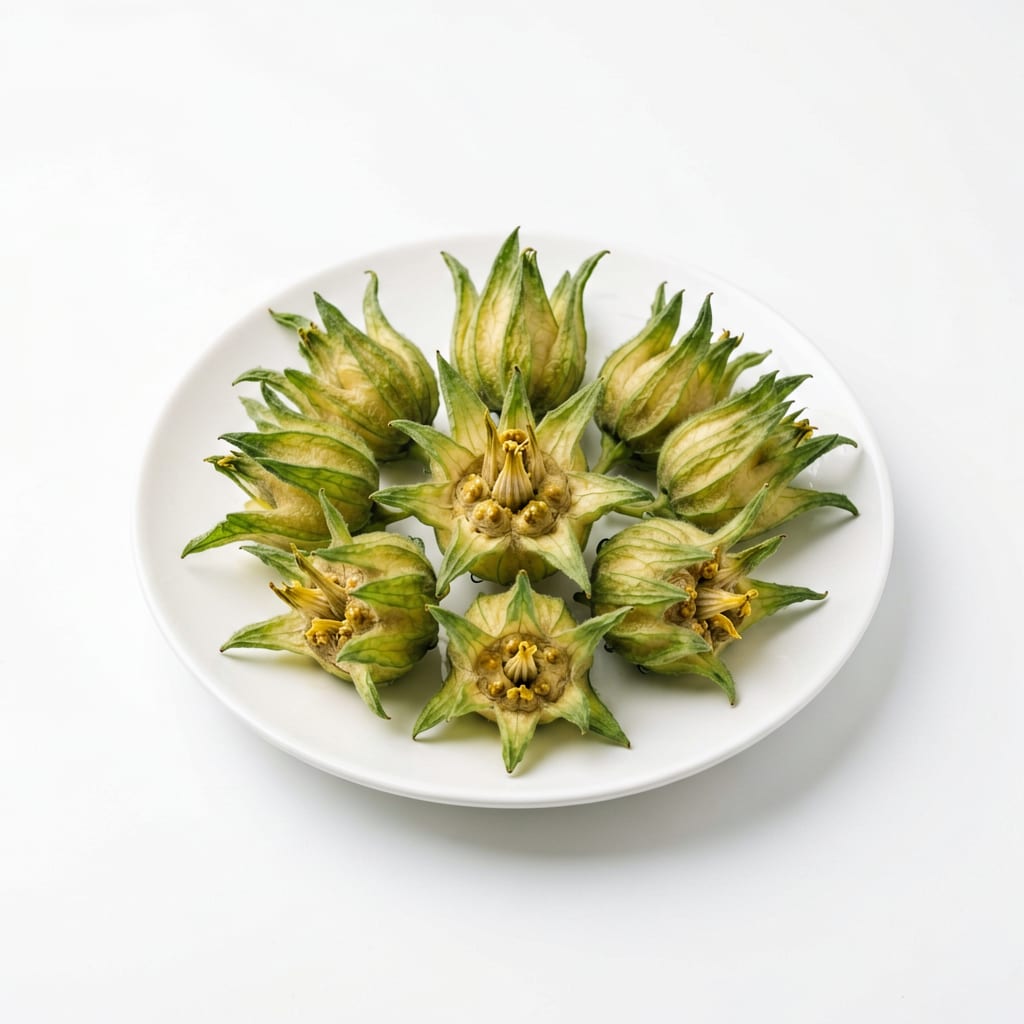
Physalis
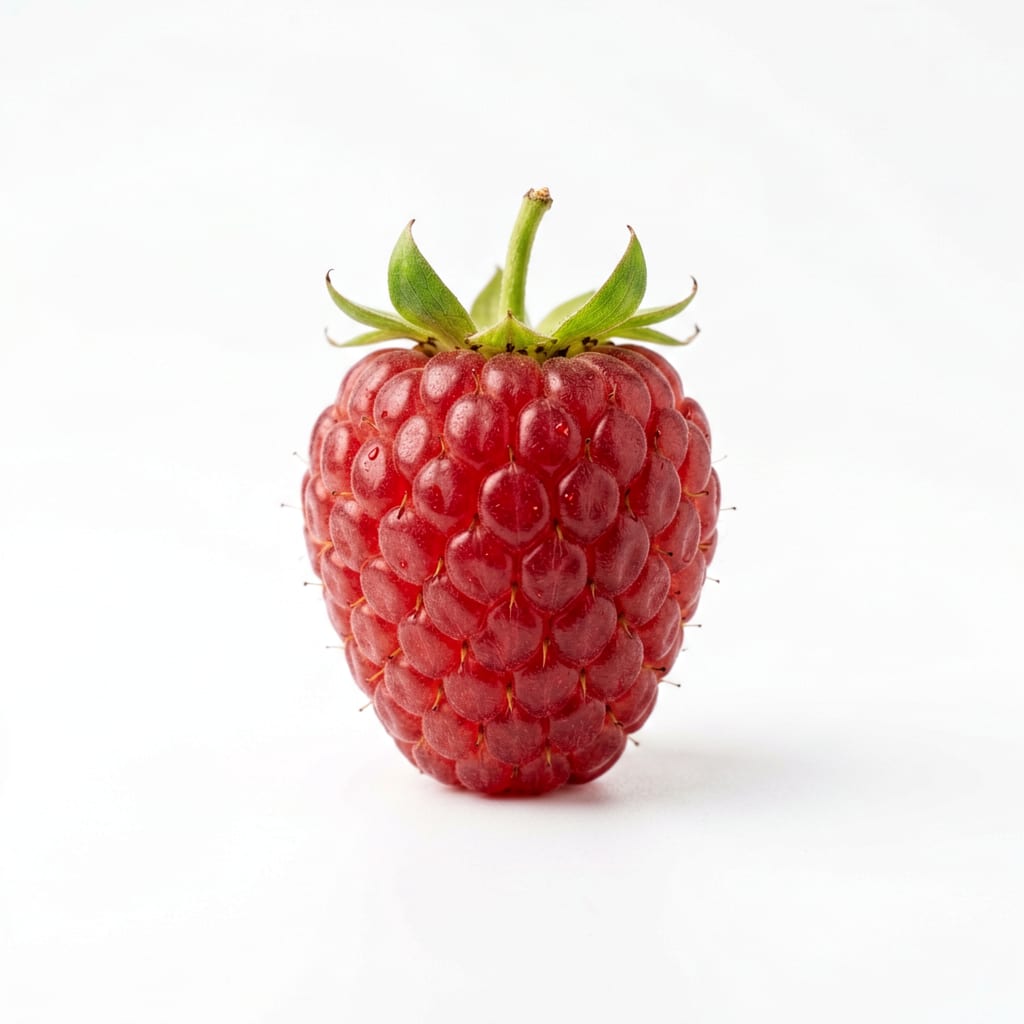
Raspberry
Raspberries win for everyday health thanks to their massive fiber content and low sugar, but Physalis offers a unique nutritional profile with more Vitamin A and iron.
Raspberries score significantly higher due to superior fiber, lower sugar, and better everyday practicality. Physalis remains a strong, nutrient-dense choice but its higher sugar and lower fiber keep it from the top spot.
You trade the blood-sugar-friendly fiber of Raspberries for the tropical sweetness and vitamin diversity of Physalis.
At a glance
Executive summary
Overall
Raspberry
Healthier
Raspberry
More practical
Raspberry
Daily use
Raspberry
Key comparison lenses
Sugar and blood sugar impact
Raspberries are famously low in sugar while Physalis is notably sweeter, making this critical for metabolic health decisions.
Fiber and digestive health
Raspberries provide an exceptional amount of fiber, whereas Physalis offers much less, heavily influencing satiety and gut health.
Micronutrient uniqueness
Physalis brings rare Vitamin A and iron to the table, while Raspberries focus on Vitamin C and manganese.
Everyday practicality and cost
Raspberries are a staple grocery item, while Physalis is often seasonal, exotic, and expensive.
Best choice for
Physalis
- Boosting iron and Vitamin A intake
- Adding exotic variety to a boring diet
- Satisfying a sweet tooth with whole fruit
Raspberry
- Managing blood sugar and insulin levels
- Increasing daily fiber for gut health
- Low-calorie volume eating for weight loss
Least suitable for
Physalis
- Strict low-carb or keto diets
- Budget-conscious weekly meal prep
Raspberry
- Those with salicylate sensitivities
- People seeking high-calorie weight-gain snacks
Deep comparison
Dimension by dimension
Each lens scores both foods and breaks down who each option suits.
- Dimension 1 · Priority 90Raspberry
Sugar and Blood Sugar Impact
Physalis · 55Raspberry · 95Raspberries are a blood sugar dream with minimal sugar, while Physalis packs noticeably more sweetness.
Tradeoff
You get a more satisfying sweet flavor with Physalis, but Raspberries keep your energy steadier.
Why it matters
High-sugar fruits can trigger afternoon energy crashes, whereas low-sugar high-fiber fruits keep you stable.
Real-world impact
Eating Raspberries as an afternoon snack won't cause a sugar crash, whereas Physalis might leave you reaching for more food sooner.
Physalis
- Satisfying dessert cravings naturally
- Quick pre-workout energy
Better for
- Keto and very low-carb diets
- Insulin-resistant individuals
Worse for
Raspberry
- Diabetics managing glucose spikes
- Steady afternoon energy
Better for
- Endurance athletes needing fast carbs
Worse for
- Dimension 2 · Priority 85Raspberry
Fiber and Digestive Health
Physalis · 45Raspberry · 98Raspberries are one of the highest-fiber fruits available, while Physalis is relatively low in fiber.
Tradeoff
Physalis is easier on the stomach if you have acute digestive distress, but Raspberries are far better for long-term gut health.
Why it matters
Fiber is essential for fullness, gut microbiome health, and keeping digestion regular.
Real-world impact
A cup of Raspberries provides over 30% of your daily fiber, making you feel full for hours. Physalis digests quickly, leaving you hungry sooner.
Physalis
- Those with acute digestive flare-ups needing low-fiber
Better for
- Those needing to increase daily fiber intake
Worse for
Raspberry
- Relieving constipation
- Feeling full on fewer calories
Better for
- People on a strict low-residue diet
Worse for
- Dimension 3 · Priority 75Physalis
Micronutrient Uniqueness
Physalis · 88Raspberry · 80Physalis brings rare Vitamin A and iron to the table, while Raspberries rely heavily on Vitamin C and manganese.
Tradeoff
Physalis supports vision and blood health better, while Raspberries excel at antioxidant and bone support.
Why it matters
Vitamin A is hard to find in fruits, making Physalis a standout for eye health and immunity.
Real-world impact
Eating Physalis can genuinely help diversify your vitamin intake, especially if your diet lacks orange or yellow vegetables.
Physalis
- Supporting eye health
- Boosting iron intake for vegetarians
Better for
- Those solely seeking Vitamin C
Worse for
Raspberry
- Immune system support via Vitamin C
- Bone health via manganese
Better for
- Those needing Vitamin A or iron
Worse for
- Dimension 4 · Priority 70Raspberry
Practicality and Availability
Physalis · 40Raspberry · 90Raspberries are a grocery store staple, while Physalis is often seasonal, expensive, and harder to find fresh.
Tradeoff
Physalis is a fun, exotic treat, but Raspberries are easy to buy year-round and incorporate into daily meals.
Why it matters
The healthiest food is the one you can actually afford and find consistently.
Real-world impact
You can throw Raspberries into oatmeal or yogurt any day of the week. Physalis requires a specialty store and a bigger budget.
Physalis
- Special occasion fruit platters
- Impressing dinner guests
Better for
- Budget-conscious households
- Quick grocery runs
Worse for
Raspberry
- Daily breakfast additions
- Affordable weekly meal prep
Better for
- Creating a unique culinary experience
Worse for
Timeline
Health impact over time
Short-term
Hours to days
Physalis
- Provides quick energy from natural sugars
- Satisfies sweet cravings without junk food
Raspberry
- Promotes immediate feelings of fullness
- Stabilizes blood sugar after meals
Long-term
Months to years
Physalis
- Improved vision and immune function from Vitamin A
- Better blood health from added iron
Raspberry
- Reduced risk of type 2 diabetes due to high fiber
- Improved gut microbiome diversity and regularity
Risk profile
Safety & processing
Both Physalis and Raspberries are whole, unprocessed fruits when purchased fresh or frozen. Neither carries artificial additive concerns.
Physalis
Unripe fruit toxicity
mediumUnripe Physalis contains solanine, which can cause digestive distress. Always ensure they are fully ripe and golden before eating.
Pesticide residue
lowThe protective papery husk shields Physalis from direct pesticide application, making it naturally resilient.
Raspberry
Pesticide residue
highRaspberries frequently appear on the EWG's Dirty Dozen list due to high pesticide residue. Buying organic is highly recommended.
Mold and spoilage
mediumRaspberries are highly perishable and prone to mold. Inspect containers carefully and consume within a day or two of purchase.
Who wins for whom
Audience fit
Same foods, different winners depending on your goal.
children
RaspberryRaspberries are easier to source, safer for blood sugar, and their mild flavor is usually well-received by kids.
daily consumption
RaspberryRaspberries are affordable, widely available, and their low sugar profile makes them safe to eat every single day.
diabetes
RaspberryThe extremely low sugar and high fiber content of Raspberries make them exceptionally safe for blood sugar management.
elderly
RaspberryThe high fiber in Raspberries helps combat common age-related digestive slowdowns, and their soft texture is easy to chew.
muscle gain
It dependsNeither fruit is a significant protein source, though Physalis offers slightly more carbs for post-workout glycogen replenishment.
weight loss
RaspberryRaspberries offer massive volume and fiber for very few calories, making it much easier to stay in a deficit.
Your move
Decision guide
Choose Physalis
- You want to boost your Vitamin A and iron intake naturally
- You are looking for a sweet, exotic treat for a special occasion
- You find them fresh and reasonably priced at a local market
Choose Raspberry
- You want to manage your weight or blood sugar effectively
- You need to increase your daily fiber intake
- You want a versatile berry for daily breakfasts and snacks
Either works if
- You just want a whole-food antioxidant boost
- You are tired of eating the same fruits every week
Avoid both if
- You have a severe salicylate sensitivity
- You are on a strict very-low-fiber diet prescribed by a doctor
Final recommendation
Make Raspberries your daily go-to berry for fiber, fullness, and blood sugar control. Treat yourself to Physalis occasionally for its unique tropical flavor and Vitamin A benefits, but watch out for the higher sugar and price tag.
Practical
Consumer tips
- 1
Only eat Physalis that are fully golden-orange; green ones contain bothersome solanine.
- 2
Always buy organic Raspberries to avoid high pesticide exposure.
- 3
Wash Raspberries right before eating, not before storing, to prevent mushy mold growth.
- 4
Freeze Raspberries immediately if you won't eat them within two days to preserve nutrients.
- 5
Use Physalis as a garnish or dessert topping to stretch their high cost while still enjoying their flavor.