
Nutrition comparison
Physalis vs Tomatillo: Nutrition, Sugar, and Health Comparison
Physalis delivers more vitamins and antioxidants but triple the sugar. Tomatillo offers low-calorie savory versatility. Learn which husked fruit fits your health goals.
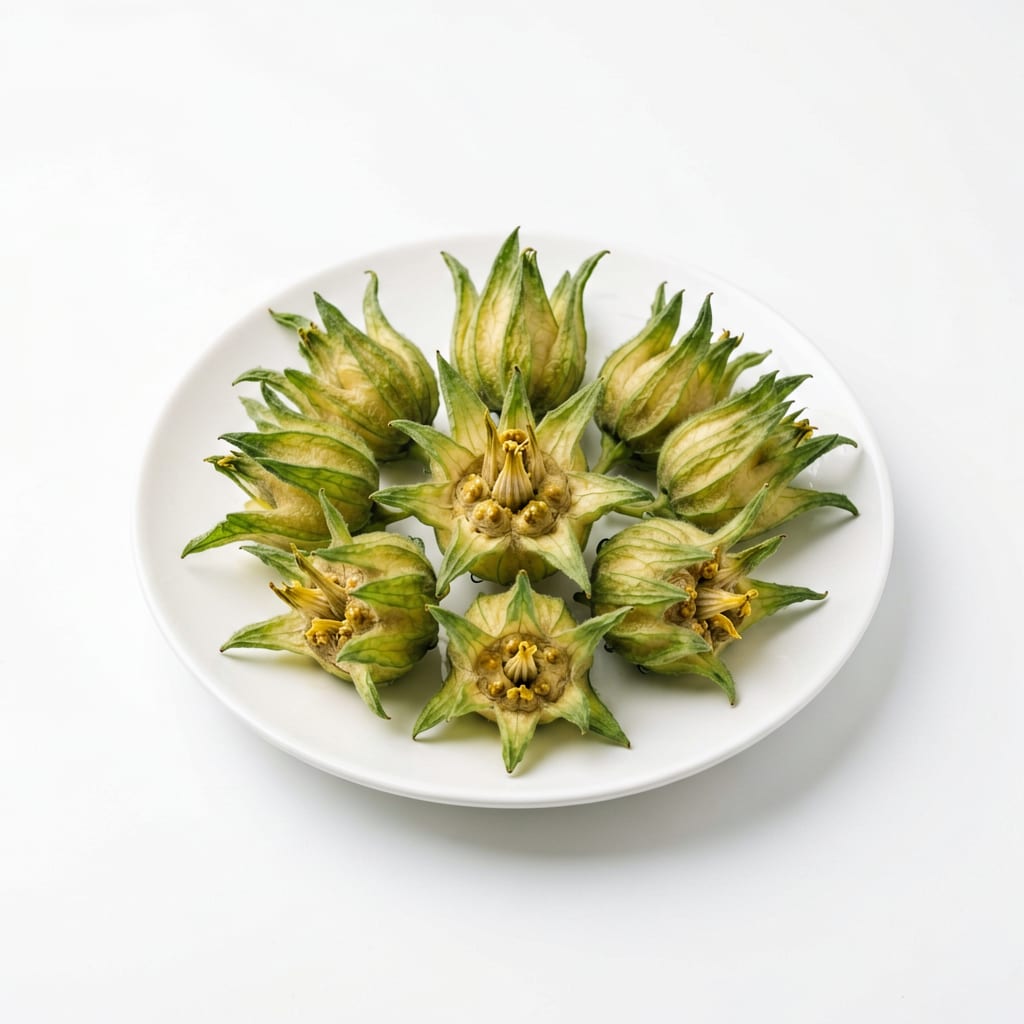
Physalis
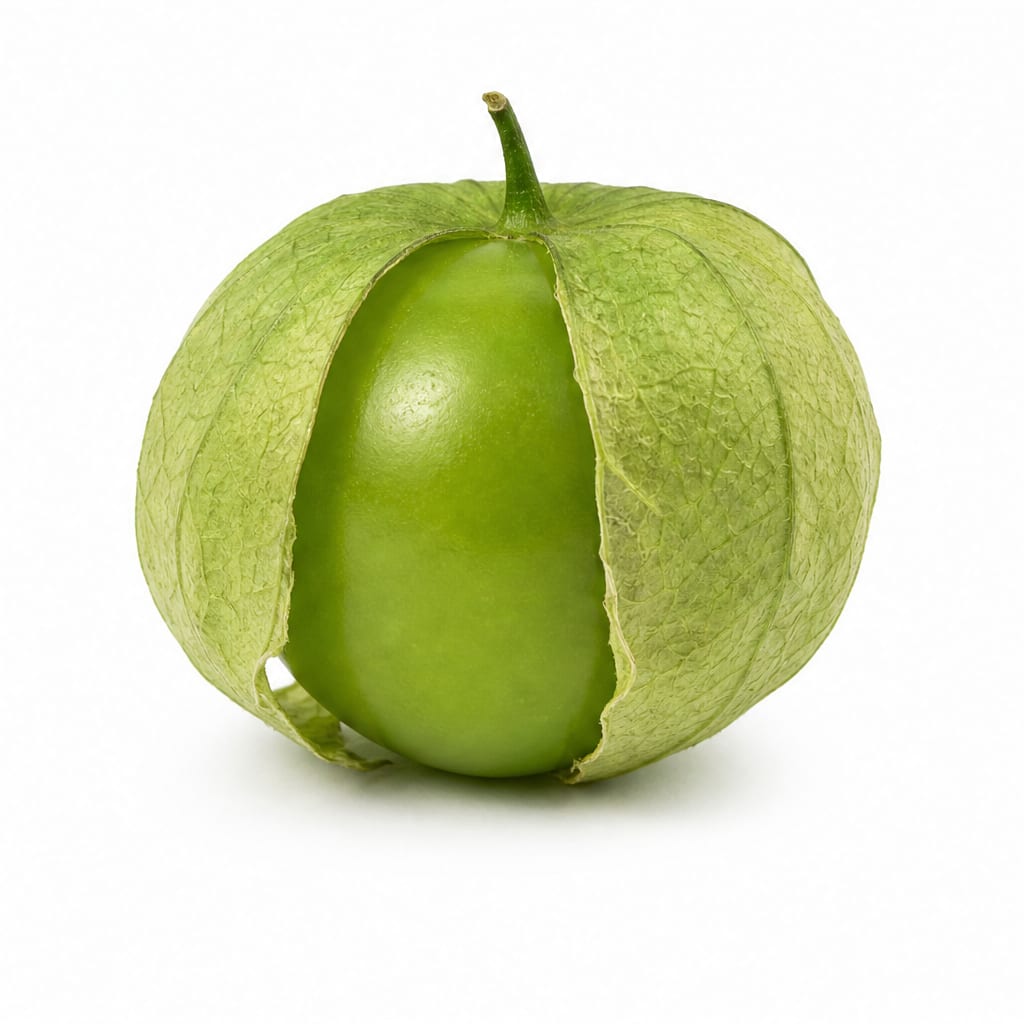
Tomatillo
Physalis wins as a nutrient-dense sweet snack; tomatillo wins as a low-sugar cooking staple. They serve completely different culinary roles.
Physalis scores slightly higher for nutritional density and antioxidant content, but tomatillo's dramatically lower sugar, broader culinary utility, and easier availability close the gap. The near-tie reflects that these foods serve different purposes rather than one being clearly superior.
Physalis delivers more vitamins and antioxidants but with significantly more sugar. Tomatillo offers savory versatility with minimal glycemic impact but less nutritional density per bite.
At a glance
Executive summary
Overall
It depends
Healthier
It depends
More practical
Tomatillo
Daily use
Tomatillo
Key comparison lenses
sugar and glycemic impact
Physalis is notably sweeter with triple the sugar of tomatillo, making this the most consequential nutritional difference
culinary role and versatility
These are fundamentally different eating experiences—sweet snack versus savory cooking staple
antioxidant and anti inflammatory profile
Both contain unique phytochemicals but from different compound classes, creating meaningful tradeoffs
accessibility and everyday practicality
Tomatillo is widely available year-round; physalis remains a specialty item in most markets
solanaceae safety considerations
Both belong to the nightshade family, relevant for sensitive individuals
Best choice for
Physalis
- People wanting a naturally sweet, antioxidant-rich snack
- Anyone seeking vitamin A and carotenoid support
- Those looking for anti-inflammatory withanolides
- Snackers replacing candy with whole fruit
Tomatillo
- Home cooks making salsas, stews, and sauces
- People managing blood sugar who need low-sugar produce
- Anyone on a calorie budget wanting volume and flavor
- Those who want a daily-use cooking ingredient
Least suitable for
Physalis
- People strictly limiting sugar intake
- Those on tight grocery budgets
- Anyone with nightshade sensitivity
- Cooking applications requiring savory flavor
Tomatillo
- People wanting a sweet, satisfying snack fruit
- Those seeking high vitamin A intake
- Anyone looking for a grab-and-go raw food
- Smoothie enthusiasts wanting natural sweetness
Deep comparison
Dimension by dimension
Each lens scores both foods and breaks down who each option suits.
- Dimension 1 · Priority 92Tomatillo
sugar_and_blood_sugar_impact
Physalis · 45Tomatillo · 90Tomatillo contains roughly one-third the sugar of physalis, making it far gentler on blood sugar.
Tradeoff
Physalis tastes significantly sweeter and more satisfying as a snack, but that sweetness comes with a real glycemic cost.
Why it matters
For anyone watching blood sugar—whether diabetic, prediabetic, or simply avoiding energy crashes—this is the deciding factor.
Real-world impact
Eating physalis as an afternoon snack could trigger a mild sugar spike followed by a dip. Tomatillo in a salsa won't budge your blood sugar at all.
Physalis
- Quick energy before exercise
- Satisfying a sweet tooth without refined sugar
Better for
- Blood sugar management
- Fasting-friendly eating windows
Worse for
Tomatillo
- Stable energy throughout the day
- Diabetic-friendly meal components
- Low-carb and keto cooking
Better for
- Satisfying sweet cravings naturally
- Quick carbohydrate energy
Worse for
- Dimension 2 · Priority 85Physalis
vitamin_and_mineral_density
Physalis · 82Tomatillo · 65Physalis delivers more vitamin A, vitamin C, and B vitamins per serving than tomatillo.
Tradeoff
You get more micronutrients from physalis, but you also consume more sugar to get them.
Why it matters
If you're trying to maximize nutrient intake from limited food volume, physalis is more efficient per bite.
Real-world impact
A handful of physalis covers a meaningful chunk of your daily vitamin A needs. You'd need nearly double the tomatillo volume for similar vitamin C intake.
Physalis
- Boosting vitamin A for skin and immune health
- Getting more nutrition from smaller portions
- Supplementing B vitamin intake naturally
Better for
- Those who need to limit vitamin A intake
Worse for
Tomatillo
- Adding vitamin K for bone health
- Getting minerals like manganese and potassium in savory dishes
Better for
- Anyone relying on limited fruit servings for vitamin coverage
Worse for
- Dimension 3 · Priority 80Physalis
antioxidant_and_anti_inflammatory_value
Physalis · 85Tomatillo · 70Physalis contains unique withanolides and high carotenoid levels. Tomatillo offers different antioxidants but at lower concentrations.
Tradeoff
Physalis provides more potent and diverse antioxidant compounds, but tomatillo's antioxidants come packaged with almost no sugar downside.
Why it matters
Chronic inflammation drives most lifestyle diseases. The withanolides in physalis are genuinely rare in common foods.
Real-world impact
Regular physalis consumption may offer anti-inflammatory benefits similar to adaptogenic herbs. Tomatillo contributes antioxidants mainly through its role in vegetable-heavy meals.
Physalis
- Targeting chronic inflammation
- Accessing rare withanolide compounds
- Supporting cellular defense mechanisms
Better for
- Anti-inflammatory benefits offset if sugar drives inflammation in your body
Worse for
Tomatillo
- Antioxidant intake without sugar load
- Combining with other antioxidant-rich vegetables in cooked dishes
Better for
- Lower total antioxidant capacity per serving
Worse for
- Dimension 4 · Priority 88Tomatillo
culinary_versatility_and_everyday_use
Physalis · 40Tomatillo · 88Tomatillo is a kitchen workhorse central to multiple cuisines. Physalis is mostly a niche snack or garnish.
Tradeoff
Tomatillo transforms meals; physalis decorates them.
Why it matters
A food you actually cook with daily beats a superfood you eat occasionally. Consistency drives health outcomes more than peak nutrient density.
Real-world impact
You can build entire meals around tomatillo—salsas, enchiladas, soups. Physalis is eaten out of hand or scattered on a salad at best.
Physalis
- Quick no-prep snacking
- Impressive garnish for entertaining
- Adding to fruit salads and desserts
Better for
- Main dish applications
- Cooking versatility
Worse for
Tomatillo
- Building flavorful sauces and stews
- Creating low-calorie high-flavor meals
- Everyday cooking across multiple cuisines
Better for
- Raw snacking appeal
- Dessert applications
Worse for
- Dimension 5 · Priority 72Tomatillo
calorie_efficiency_and_satiety
Physalis · 55Tomatillo · 78Tomatillo provides more food volume per calorie. Physalis is calorie-denser due to its sugar content.
Tradeoff
Physalis feels more satisfying per serving because of its sweetness, but tomatillo lets you eat more volume for fewer calories.
Why it matters
For weight management, volume eating helps with fullness. For satisfaction, sweetness matters more.
Real-world impact
A cup of chopped tomatillo in a salsa adds roughly 30 calories and significant plate coverage. The same volume of physalis approaches 70 calories and disappears faster.
Physalis
- Feeling satisfied with a small portion
- Replacing higher-calorie sweet snacks
Better for
- Calorie-conscious grazing
- Large-portion meal building
Worse for
Tomatillo
- Volume eating for weight management
- Adding bulk to meals without calorie cost
Better for
- Satisfying sweet cravings
Worse for
- Dimension 6 · Priority 75Tomatillo
availability_and_affordability
Physalis · 30Tomatillo · 80Tomatillo is stocked in most grocery stores year-round. Physalis remains a specialty item with premium pricing.
Tradeoff
The more nutritious option is harder to find and costs significantly more per pound.
Why it matters
The healthiest food is the one you can actually buy and eat regularly. Exotic superfoods fail this test for most people.
Real-world impact
Tomatillo costs $2-4 per pound at most supermarkets. Physalis often runs $6-12 per pound and requires specialty stores or online ordering.
Physalis
- Specialty nutrition targeting
- Gourmet food experiences
Better for
- Budget-conscious households
- Rural areas with limited produce selection
Worse for
Tomatillo
- Weekly grocery shopping on a budget
- Consistent daily access without effort
Better for
Timeline
Health impact over time
Short-term
Hours to days
Physalis
- Quick energy boost from natural sugars
- Possible mild digestive adjustment if eating large quantities due to fiber and seed content
- Satisfying sweet taste reduces cravings for processed sweets
Tomatillo
- Virtually no blood sugar disruption after eating
- Digestive comfort from mild fiber content
- Tangy flavor stimulates appetite and complements savory meals
Long-term
Months to years
Physalis
- Withanolides may reduce chronic inflammation markers over time
- Consistent vitamin A intake supports skin and eye health
- Regular consumption could contribute to sugar load if portions aren't managed
Tomatillo
- Low calorie density supports sustainable weight management
- Regular use in home cooking replaces higher-calorie sauces and condiments
- Vitamin K contributes to long-term bone density maintenance
Risk profile
Safety & processing
Both physalis and tomatillo are typically consumed whole and unprocessed. Neither commonly contains added ingredients when sold fresh. Canned tomatillo may include salt, so check labels if sodium matters to you.
Physalis
Nightshade sensitivity reaction
mediumPhysalis belongs to the Solanaceae family. People with nightshade sensitivities may experience joint pain or digestive discomfort.
Unripe fruit toxicity
lowUnripe physalis contains solanine in trace amounts. Always wait until the husk dries and the fruit turns golden before eating.
Pesticide residue on imported fruit
mediumImported physalis may carry higher pesticide residues due to varying international standards. Washing thoroughly is important.
Tomatillo
Nightshade sensitivity reaction
mediumTomatillo is also in the Solanaceae family and may trigger symptoms in sensitive individuals, though typically milder than reactions to tomatoes or peppers.
Canned tomatillo sodium content
mediumCanned versions often contain significant added salt. Fresh tomatillo avoids this entirely.
Husk mold contamination
lowThe papery husk can harbor mold if stored in humid conditions. Remove husks and inspect before use.
Who wins for whom
Audience fit
Same foods, different winners depending on your goal.
children
PhysalisChildren prefer sweet flavors and physalis is far more appealing as a snack. The small size and fun husk also make it engaging for kids.
daily consumption
TomatilloTomatillo integrates seamlessly into daily cooking without sugar concerns or availability barriers. Physalis works better as an occasional addition.
diabetes
TomatilloTomatillo's minimal sugar content makes it safe for blood sugar management. Physalis can be included in small portions but requires careful tracking.
elderly
TomatilloLower sugar, softer texture when cooked, and easier digestibility make tomatillo more appropriate for older adults managing metabolic health.
muscle gain
It dependsNeither food is relevant for muscle gain. Both provide minimal protein. Choose based on what complements your protein sources flavor-wise.
weight loss
TomatilloTomatillo's low calorie density and zero-sugar profile make it easier to incorporate into calorie-controlled meals without accounting for fruit sugar.
Your move
Decision guide
Choose Physalis
- You want a sweet, nutrient-packed snack instead of candy
- Anti-inflammatory benefits are a priority for you
- You have access to affordable fresh physalis
- You're looking for rare withanolide compounds in your diet
- You eat fruit as a standalone snack rather than in meals
Choose Tomatillo
- You cook regularly and want a versatile savory ingredient
- Blood sugar management matters to you
- You're on a budget and need accessible produce
- You want to add flavor to meals without adding calories or sugar
- You need something you can find at any grocery store
Either works if
- You're simply looking to diversify your produce intake
- Nightshade sensitivity is not a concern for you
- You enjoy exploring less common fruits and vegetables
Avoid both if
- You have confirmed nightshade sensitivity or solanine intolerance
- You're on a strict low-lectin diet
- You experience joint pain flare-ups from Solanaceae family foods
Final recommendation
Keep tomatillo in your regular cooking rotation for its unmatched culinary utility and blood sugar neutrality. Add physalis as an occasional treat when you find it fresh and affordable—think of it as a supplement-style snack rather than a daily staple. Together they complement each other beautifully, but separately, tomatillo is the more practical daily choice.
Practical
Consumer tips
- 1
Choose physalis with dry, papery husks and golden-orange fruit. Green or firm fruit needs more ripening time.
- 2
Remove tomatillo husks and rinse the sticky residue off before using. The stickiness is normal and harmless.
- 3
If physalis is too expensive fresh, look for dried versions—but watch for added sugar in the drying process.
- 4
Roasting tomatillo before blending into salsa deepens its flavor dramatically with zero nutritional downside.
- 5
Store both fruits in the refrigerator after removing husks. They last about two weeks chilled.
- 6
If you're nightshade-sensitive, test both foods in small amounts separately before committing to regular consumption.