
Nutrition comparison
Physalis vs Kiwi: Nutrition, Digestion, and Daily Value Compared
Compare Physalis and Kiwi to see which fruit is better for immunity, digestion, and daily snacking. Learn the nutritional tradeoffs between these two superfruits.
Overall winner · Kiwi
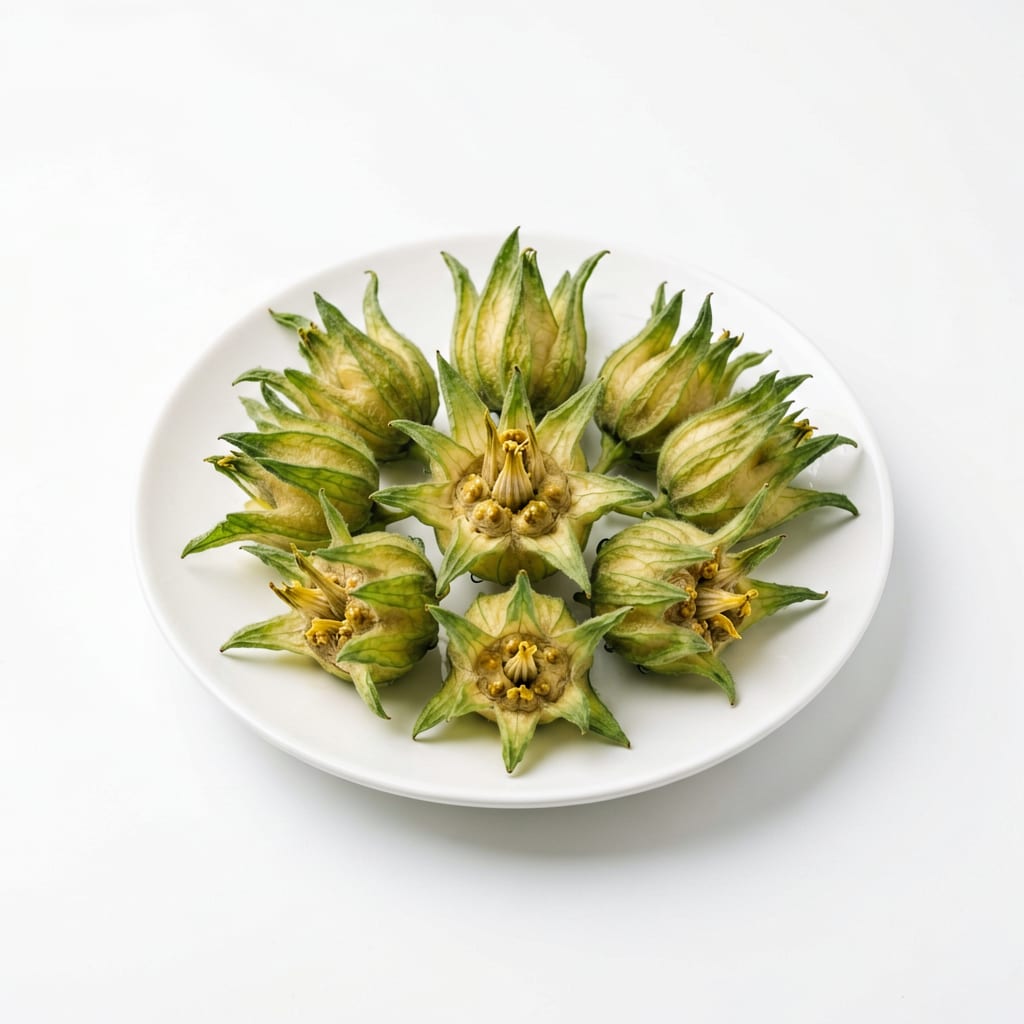
Physalis
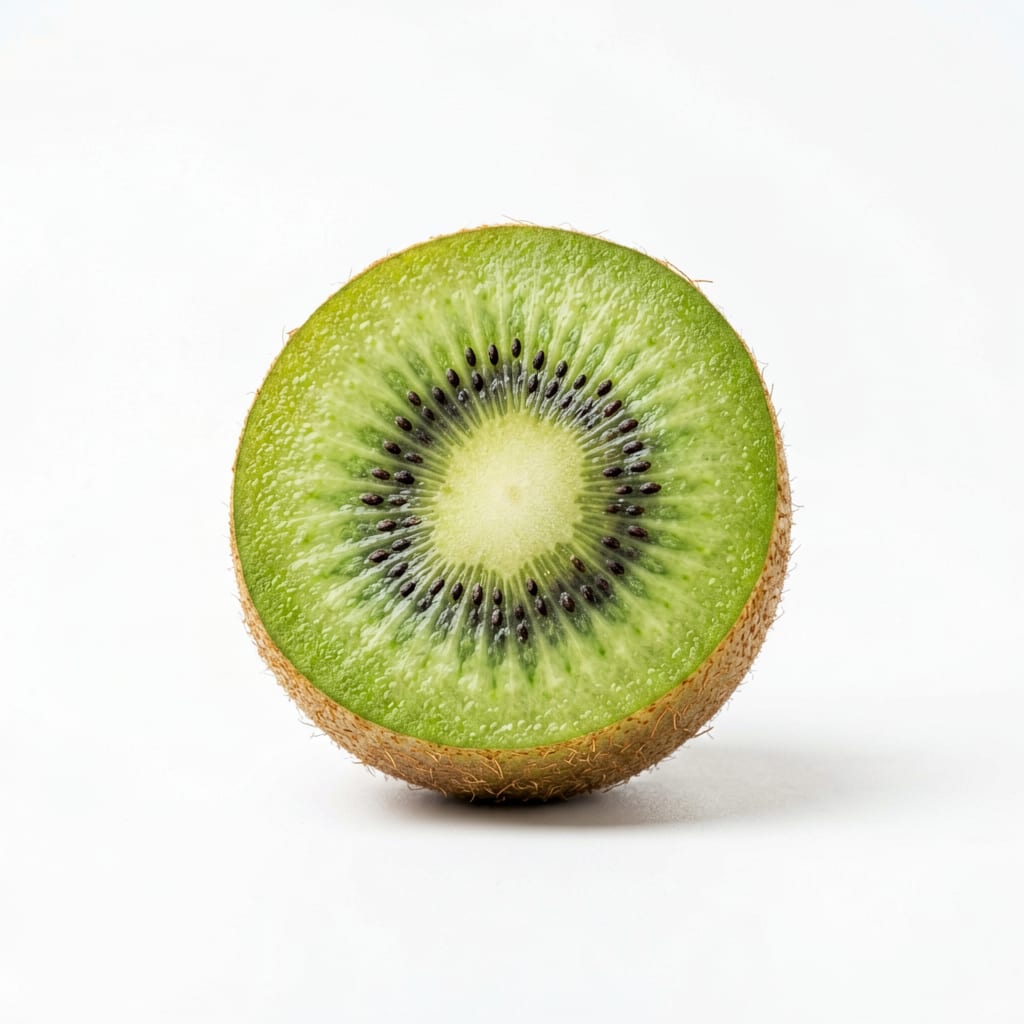
Kiwi
Kiwi is the more practical daily nutritional powerhouse, while Physalis offers unique antioxidants and a tropical treat at a higher price.
Kiwi scores higher due to its exceptional vitamin C content, proven digestive benefits, and everyday accessibility. Physalis is nutritious but less practical for daily use.
Everyday digestive and immune support from Kiwi versus the rare carotenoids and withanolides from Physalis.
At a glance
Executive summary
Overall
Kiwi
Healthier
Kiwi
More practical
Kiwi
Daily use
Kiwi
Key comparison lenses
Exotic vs Everyday Superfruit
Users often weigh the novelty and unique nutrients of specialty fruits against the proven reliability of common superfruits.
Vitamin C vs Vitamin A and Antioxidants
Kiwi is famous for vitamin C, while Physalis offers a different antioxidant profile rich in carotenoids and withanolides.
Digestive Health
Kiwi is well-known for digestive enzymes and fiber, a major reason people choose it over other fruits.
Budget and Accessibility
Physalis is often expensive and seasonal, while Kiwi is a budget-friendly staple available year-round.
Best choice for
Physalis
- Adding variety to your fruit rotation
- Boosting Vitamin A and unique antioxidant intake
- Enjoying a low-effort snack with a natural wrapper
Kiwi
- Daily immune support and vitamin C
- Improving digestion and relieving constipation
- Budget-friendly, consistent nutrition
Least suitable for
Physalis
- Budget-conscious daily snacking
- People who need reliable year-round availability
Kiwi
- People with kiwi allergies (latex-fruit syndrome)
- Those who dislike tart flavors
Deep comparison
Dimension by dimension
Each lens scores both foods and breaks down who each option suits.
- Dimension 1 · Priority 90Kiwi
Immune Support & Micronutrients
Physalis · 70Kiwi · 95Kiwi delivers a massive dose of vitamin C, outshining Physalis for daily immune support.
Tradeoff
Physalis provides more vitamin A and unique withanolides, but Kiwi's vitamin C density is hard to beat.
Why it matters
Consistent vitamin C intake keeps your immune system resilient and your skin healthy.
Real-world impact
Eating a kiwi a day can easily help you skip the vitamin C supplements.
Physalis
- Vitamin A and eye health
- Unique anti-inflammatory compounds
Better for
- Relying on it as your primary vitamin C source
Worse for
Kiwi
- Fighting off colds
- Collagen production for skin
Better for
- Getting vitamin A from your fruit
Worse for
- Dimension 2 · Priority 85Kiwi
Digestive Health
Physalis · 60Kiwi · 90Kiwi contains actinidin, a unique enzyme that breaks down protein and eases digestion, plus excellent fiber.
Tradeoff
Physalis is gentle on the stomach but lacks the specific digestive enzymes and fiber density of kiwi.
Why it matters
Good digestion means less bloating and more comfortable daily rhythms.
Real-world impact
A kiwi after a heavy meal can help you feel lighter and reduce bloating.
Physalis
- A mild, low-acid snack for sensitive stomachs
Better for
- Resolving digestive sluggishness
Worse for
Kiwi
- Relieving constipation
- Breaking down heavy proteins
Better for
- Those with latex-fruit allergies who experience mouth tingling
Worse for
- Dimension 3 · Priority 75Kiwi
Blood Sugar & Energy
Physalis · 65Kiwi · 80Kiwi has a lower glycemic index and more fiber, providing steadier energy than the slightly sweeter Physalis.
Tradeoff
Physalis tastes sweeter and feels more like a treat, but its natural sugars can cause a quicker energy spike.
Why it matters
Stable blood sugar prevents the afternoon crash and keeps cravings in check.
Real-world impact
Kiwi makes a better mid-morning snack that won't leave you hungry an hour later.
Physalis
- A dessert-like fruit experience without refined sugar
Better for
- Overeating due to the small, pop-able size and sweet taste
Worse for
Kiwi
- Sustained energy
- Avoiding sugar spikes
Better for
- People wanting a very sweet fruit to replace candy
Worse for
- Dimension 4 · Priority 70Kiwi
Convenience & Value
Physalis · 45Kiwi · 85Kiwi is available everywhere and budget-friendly, while Physalis is often expensive and harder to find.
Tradeoff
Physalis comes in a natural protective husk that makes it fun to eat, but you pay a premium for the novelty.
Why it matters
The best healthy food is the one you can actually afford and find consistently.
Real-world impact
You can grab a kiwi at any grocery store year-round, but Physalis might require a specialty shop.
Physalis
- A fun, portable snack with its own natural packaging
Better for
- Cost-prohibitive for daily snacking
Worse for
Kiwi
- Weekly grocery budgeting
- Reliable availability
Better for
- Needing a knife to eat easily unless you eat it like an apple
Worse for
Timeline
Health impact over time
Short-term
Hours to days
Physalis
- Quick energy from natural sugars
- Mild antioxidant boost
Kiwi
- Noticeable relief from bloating or constipation
- Immediate vitamin C surge
Long-term
Months to years
Physalis
- Supports eye health through vitamin A
- Reduced inflammation from withanolides
Kiwi
- Stronger immune resilience
- Improved gut microbiome diversity
- Better skin elasticity
Risk profile
Safety & processing
Both Physalis and Kiwi are whole, unprocessed fruits. You are getting pure nutrition with no hidden additives in either choice.
Physalis
Mold under the husk
mediumMoisture can get trapped under the papery husk, leading to hidden mold. Always check the fruit before eating.
Pesticide residue on the husk
lowWhile you discard the husk, handling it can transfer residue to the fruit inside. Wash your hands after peeling.
Kiwi
Latex-fruit allergy cross-reactivity
mediumPeople with latex allergies may experience itching or swelling in the mouth when eating kiwi.
Oxalate content
lowKiwi contains oxalates, which could be an issue for people prone to calcium oxalate kidney stones if consumed in extreme excess.
Who wins for whom
Audience fit
Same foods, different winners depending on your goal.
children
KiwiKiwi is widely loved by kids and easy to mash for babies, whereas Physalis can be a choking hazard for very young children due to its size and shape.
daily consumption
KiwiAffordability, availability, and proven daily gut and immune benefits make Kiwi the superior staple.
diabetes
KiwiKiwi has a lower glycemic index and more fiber, leading to gentler blood sugar responses.
elderly
KiwiKiwi's digestive enzymes and high fiber are excellent for older adults struggling with regularity.
muscle gain
It dependsNeither is a primary muscle-building food, but kiwi's vitamin C aids collagen formation for joint health during heavy training.
weight loss
KiwiKiwi is more filling per calorie due to its high fiber and water content, making it easier to control appetite.
Your move
Decision guide
Choose Physalis
- You want to treat yourself to a unique, dessert-like fruit
- You are focusing on vitamin A and anti-inflammatory antioxidants
- You find them at a good price and want to mix up your fruit routine
Choose Kiwi
- You need a reliable, affordable daily vitamin C source
- You struggle with digestion or constipation
- You want a filling, low-glycemic snack for weight management
Either works if
- You just want a natural, whole-food sweet treat
- You are trying to increase your daily fruit intake
Avoid both if
- You have a severe latex-fruit allergy
- You are on a strict very-low-carb or keto diet
Final recommendation
Keep Kiwi as your daily driver for immune and gut health, and enjoy Physalis as an occasional exotic upgrade when you want something special.
Practical
Consumer tips
- 1
Eat kiwi with the skin on after a good wash to triple your fiber intake and skip the spoon.
- 2
When buying Physalis, peel back the husk slightly to check for mold before purchasing.
- 3
Store kiwi at room temperature to ripen, then move to the fridge to keep it perfect for a week.
- 4
Add sliced kiwi to overnight oats; the actinidin enzyme will help soften the oats and make them easier to digest.