
Nutrition comparison
Physalis vs Blueberry: Which Berry Is Healthier for You?
Compare physalis and blueberry nutrition, antioxidants, sugar, and safety. Discover which berry fits your health goals, budget, and daily routine better.
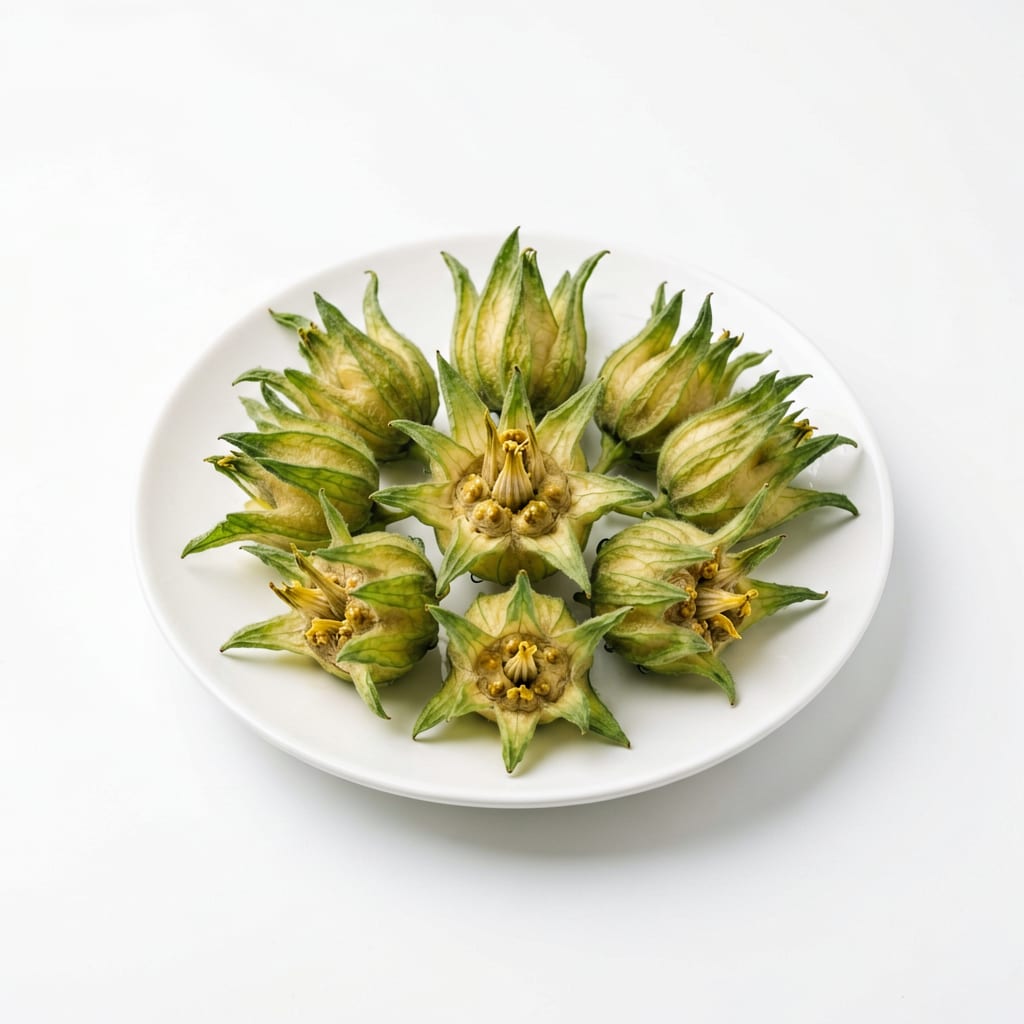
Physalis
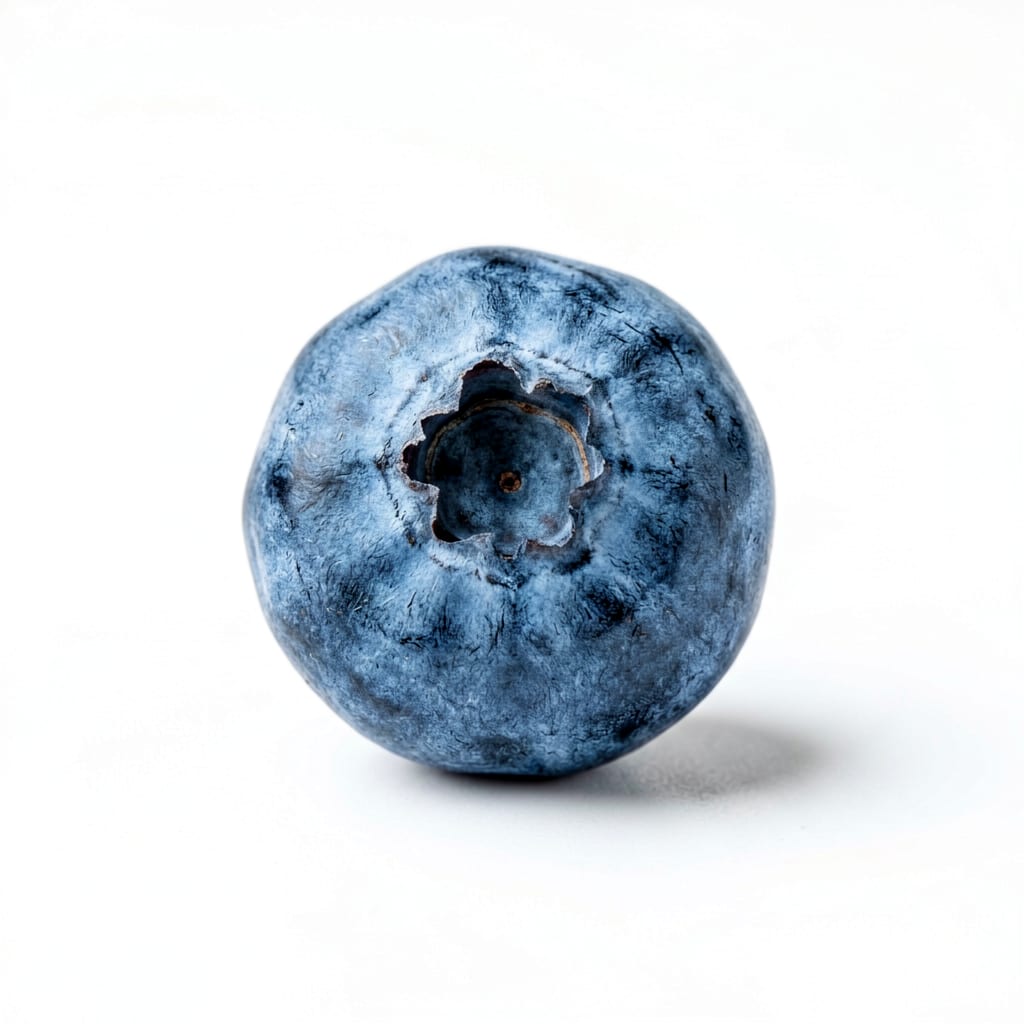
Blueberry
Blueberries win on accessibility, brain-health research, and daily practicality; physalis wins on vitamin A, unique anti-inflammatory compounds, and lower pesticide exposure due to its natural husk.
Blueberries score higher overall due to stronger research backing, universal availability, and proven daily-use benefits. Physalis is nutritionally impressive but limited by cost, access, and smaller evidence base. The gap is modest because physalis offers genuinely unique nutrients blueberries cannot replace.
Convenience and evidence-based cognitive benefits versus exotic nutrient density and cleaner safety profile.
At a glance
Executive summary
Overall
It depends
Healthier
It depends
More practical
Blueberry
Daily use
Blueberry
Key comparison lenses
antioxidant and brain health
Both are prized for unique antioxidant compounds—anthocyanins in blueberries vs withanolides in physalis—making cognitive and anti-inflammatory benefits the central comparison
everyday accessibility and affordability
Blueberries are a grocery staple worldwide; physalis is niche, seasonal, and often expensive, heavily influencing real-world dietary choices
vitamin density and unique nutrients
Physalis offers vitamin A and withanolides rarely found in common berries, while blueberries provide manganese and anthocyanins—users want to know what they uniquely gain
sugar load and blood sugar impact
Both are relatively low-sugar fruits, but subtle glycemic differences matter for diabetics and low-carb eaters comparing berry options
pesticide and contamination safety
Blueberries frequently appear on pesticide concern lists; physalis has a protective husk that reduces spray exposure—a practical safety differentiator
Best choice for
Physalis
- People seeking vitamin A and beta-carotene for skin and eye health
- Those wanting novel anti-inflammatory withanolides not found in common berries
- Consumers prioritizing lower pesticide exposure without buying organic
- Anyone looking to diversify their antioxidant sources beyond typical berries
Blueberry
- Daily brain-health support backed by decades of anthocyanin research
- Budget-conscious shoppers needing affordable, widely available fruit
- Meal preppers who want a berry that stores and freezes reliably
- Parents introducing berries to children who prefer mild, sweet flavors
Least suitable for
Physalis
- Shoppers on a tight grocery budget
- People who need consistent year-round availability
- Anyone unfamiliar with the tart-sour flavor profile
- Those wanting large quantities for smoothies or bulk recipes
Blueberry
- People avoiding conventional pesticide residues who can't afford organic
- Those already eating lots of anthocyanin-rich foods wanting nutrient diversity
- Individuals seeking significant vitamin A from fruit sources
Deep comparison
Dimension by dimension
Each lens scores both foods and breaks down who each option suits.
- Dimension 1 · Priority 93Blueberry
antioxidant_diversity_and_brain_health
Physalis · 72Blueberry · 91Blueberries are the most studied brain-health berry, with strong evidence that anthocyanins slow cognitive decline. Physalis has withanolides—a rare anti-inflammatory class—but far less human research.
Tradeoff
Proven cognitive benefits versus novel but under-researched anti-inflammatory potential.
Why it matters
If you eat berries primarily to protect your brain as you age, blueberries have the data. Physalis may offer similar or complementary benefits, but you're betting on emerging science.
Real-world impact
Eating blueberries regularly is like a well-tested insurance policy for memory. Physalis is a promising supplement to that policy—not a replacement.
Physalis
- Diversifying your antioxidant intake beyond anthocyanins
- Targeting inflammation through withanolide pathways
Better for
- Relying on it as your sole brain-health berry given limited trials
Worse for
Blueberry
- Sustained long-term cognitive protection
- Established daily brain-health habits with clinical backing
Better for
- Getting tunnel vision on one antioxidant class while missing others
Worse for
- Dimension 2 · Priority 87Physalis
vitamin_and_mineral_density
Physalis · 85Blueberry · 73Physalis delivers significantly more vitamin A, vitamin C, niacin, and iron per serving. Blueberries offer more vitamin K and manganese but are less nutrient-dense overall.
Tradeoff
Broader micronutrient coverage versus two highly concentrated specific nutrients.
Why it matters
If you eat fruit partly to fill vitamin gaps, physalis covers more bases—especially vitamin A, which most common berries lack.
Real-world impact
A handful of physalis contributes meaningfully toward your daily vitamin A and iron needs. Blueberries contribute meaningfully toward vitamin K and manganese but leave bigger gaps elsewhere.
Physalis
- Boosting vitamin A for skin, vision, and immune function
- Getting more iron from a fruit source
- Covering B-vitamin needs with natural niacin
Better for
- Expecting high vitamin K—physalis provides less
Worse for
Blueberry
- Supporting bone health and blood clotting with vitamin K
- Meeting manganese needs for metabolism and connective tissue
Better for
- Relying on blueberries alone for broad micronutrient coverage
Worse for
- Dimension 3 · Priority 80Blueberry
sugar_content_and_blood_sugar_stability
Physalis · 74Blueberry · 82Both are low-glycemic fruits, but blueberries have slightly less sugar per serving and a marginally lower glycemic load. Physalis is still blood-sugar friendly but contains more natural sugars.
Tradeoff
Slightly lower sugar impact versus more calories from natural fruit sugars that also carry extra nutrients.
Why it matters
For diabetics or keto-adjacent eaters, every gram of sugar counts. Blueberries give you more volume per sugar gram.
Real-world impact
You can eat a full cup of blueberries for roughly 15g of sugar. The same volume of physalis hits closer to 18-20g—still manageable, but less forgiving if you're tracking tightly.
Physalis
- Getting more nutrients per sugar gram if you tolerate the carbs
Better for
- Overeating portions if you assume all berries are equally low-sugar
Worse for
Blueberry
- Tighter blood sugar control on low-carb or diabetic meal plans
- More generous portion sizes without spiking glucose
Better for
- Missing the extra vitamin payload that comes with physalis's slightly higher sugar
Worse for
- Dimension 4 · Priority 76Physalis
pesticide_exposure_and_safety
Physalis · 88Blueberry · 62Physalis grows inside a protective papery husk that shields the fruit from direct pesticide contact. Conventionally grown blueberries are frequently flagged for pesticide residues.
Tradeoff
Built-in physical protection versus the need to buy organic to achieve similar safety.
Why it matters
If you can't always afford organic blueberries, you're likely ingesting more pesticide residue than you'd get from conventional physalis.
Real-world impact
Physalis essentially comes with its own natural packaging. With blueberries, going organic adds roughly 30-50% to the price—and even then, trace residues can persist.
Physalis
- Saving money by buying conventional without significant pesticide worry
- Avoiding the EWG Dirty Dozen list entirely
Better for
- Assuming zero pesticide risk—husks reduce but don't eliminate exposure
Worse for
Blueberry
- Having abundant organic options available in most stores
Better for
- Consuming conventional blueberries regularly without washing thoroughly
Worse for
- Dimension 5 · Priority 90Blueberry
availability_cost_and_convenience
Physalis · 38Blueberry · 92Blueberries are available year-round in nearly every grocery store at accessible prices. Physalis is seasonal, specialty, and often 3-5x more expensive per pound.
Tradeoff
Exotic nutritional upside versus real-world friction in finding and affording it.
Why it matters
The healthiest fruit only matters if you can actually buy and eat it consistently. Blueberries win on sustainability of habit.
Real-world impact
You can grab blueberries at any supermarket for $3-5 per pint. Physalis often requires specialty stores and runs $8-15 for a small clamshell—if it's in stock at all.
Physalis
- Special occasions or targeted nutrient boosts when available
- Growing your own if you live in a suitable climate
Better for
- Building a reliable daily habit around an unreliable supply
Worse for
Blueberry
- Consistent daily intake without planning or hunting
- Budget-friendly bulk buying and freezing
Better for
- Taking for granted that easy access means you're getting the best possible nutrition
Worse for
- Dimension 6 · Priority 72It depends
digestive_tolerance_and_fiber
Physalis · 76Blueberry · 78Both provide moderate fiber and are gentle on digestion. Blueberries have slightly more fiber per calorie; physalis has small seeds that may irritate very sensitive digestive conditions.
Tradeoff
Marginally better fiber-to-calorie ratio versus slightly more digestive friction from seeds.
Why it matters
For most people, both are easy to digest. But if you have diverticulitis or seed sensitivity, physalis's tiny seeds could be a minor irritant.
Real-world impact
Both make comfortable snacks on an empty stomach. Blueberries edge ahead for IBS or seed-sensitive folks; physalis is fine for everyone else.
Physalis
- Adding texture and crunch that makes snacking more satisfying
Better for
- Seed-related irritation for diverticulitis or sensitive guts
Worse for
Blueberry
- Smoother digestion for seed-sensitive individuals
- Slightly more fiber per serving to support regularity
Better for
- Expecting significant fiber—you still need other sources
Worse for
Timeline
Health impact over time
Short-term
Hours to days
Physalis
- Quick vitamin C boost supporting immune function within hours
- Natural sugars provide a light energy lift without a crash
- The tart flavor can stimulate digestion and appetite
Blueberry
- Rapid antioxidant absorption that begins protecting cells within an hour
- Steady, low-glycemic energy that won't spike then drop
- Mild satiety from fiber and water content, curbing between-meal snacking
Long-term
Months to years
Physalis
- Withanolides may reduce chronic inflammation markers over months and years
- Consistent vitamin A intake supports eye health and skin integrity long-term
- Dietary diversity from unique phytonutrients may reduce disease risk beyond common berries
Blueberry
- Anthocyanin accumulation linked to slower cognitive decline in aging populations
- Regular consumption associated with improved cardiovascular markers over years
- Habitual intake correlates with lower oxidative stress and reduced cellular aging
Risk profile
Safety & processing
Both are whole, unprocessed fruits typically eaten raw. Neither commonly contains added sugars, preservatives, or artificial ingredients when sold fresh. The only processing concern is frozen blueberries with added syrups—always check labels.
Physalis
Allergic reaction to solanine-related compounds
lowPhysalis belongs to the nightshade family. People with nightshade sensitivities may experience mild joint pain or digestive discomfort, though true allergies are rare.
Unripe fruit toxicity
mediumUnripe physalis contains higher solanine levels that can cause nausea or headaches. Always wait until the husk is dry and papery and the fruit is golden-orange before eating.
Blueberry
Pesticide residue exposure
mediumConventional blueberries frequently test positive for multiple pesticide residues. Washing helps but doesn't eliminate all traces. Organic significantly reduces this risk.
Mold and spoilage
lowBlueberries spoil quickly and mold can develop within days. Moldy berries should be discarded entirely, not partially salvaged, as mycotoxins spread invisibly.
Who wins for whom
Audience fit
Same foods, different winners depending on your goal.
children
BlueberryMilder, sweeter flavor and small size make blueberries a kid favorite. Physalis's tartness and husk can confuse or discourage young eaters.
daily consumption
BlueberryAffordability, availability, and ease of incorporating into meals every day make blueberries the more sustainable daily habit.
diabetes
BlueberryLower glycemic load and sugar content make blood sugar management more predictable, though both are acceptable in moderation.
elderly
BlueberryStrong evidence for cognitive protection matters more with age, and the soft texture is easy to chew. Physalis's vitamin A is helpful but less critical than brain support.
muscle gain
It dependsNeither is a muscle-building food. Physalis offers slightly more calories and iron for recovery; blueberries offer better post-workout antioxidant support.
weight loss
BlueberryLower calories and sugar per serving allow more volume for fewer calories, making portion control easier during a deficit.
Your move
Decision guide
Choose Physalis
- You want to broaden your antioxidant intake beyond what common berries offer
- Vitamin A and iron from fruit matter for your specific dietary gaps
- You can find and afford physalis without it feeling like a luxury purchase
- You're concerned about pesticide residues and prefer the husk's natural protection
- You enjoy tart, complex flavors and want something different from everyday fruit
Choose Blueberry
- You want a reliable, affordable brain-health berry you can eat every day
- Blood sugar control is a priority and you need the lowest-sugar option
- You're meal prepping, freezing, or cooking with berries regularly
- You're feeding kids or picky eaters who prefer sweet, mild flavors
- You want the most researched and proven berry for long-term cognitive benefits
Either works if
- You simply want a nutrient-dense, whole-food snack instead of processed options
- You're rotating berries for antioxidant diversity—both are excellent choices
- You eat fruit primarily for vitamin C and general immune support
Avoid both if
- You have a severe berry or nightshade allergy—consult your doctor
- You're on a very strict ketogenic diet tracking every gram of carbohydrate
- You're looking for significant protein or fat—neither fruit provides these
Final recommendation
Make blueberries your daily driver and treat physalis as a powerful supplement to your berry rotation. Blueberries give you proven, affordable, consistent benefits. Physalis gives you rare nutrients and a cleaner safety profile when you can find it. The best approach is both—diversity always beats dependency on a single superfood.
Practical
Consumer tips
- 1
Always remove the physalis husk before eating—it's not digestible and can be a choking hazard for small children
- 2
Wash blueberries thoroughly even if organic—mold spores and residue cling to the delicate skin
- 3
Freeze blueberries in a single layer on a baking sheet before bagging to prevent clumping for smoothies
- 4
If physalis is too tart, pair it with a sweeter fruit or a drizzle of honey rather than reaching for processed snacks
- 5
Buy organic blueberries when possible—the pesticide difference is meaningful and the price premium has shrunk in recent years
- 6
Look for physalis with dry, golden husks—green husks mean unripe fruit with higher solanine levels
- 7
Add blueberries to oatmeal or yogurt after cooking to preserve heat-sensitive anthocyanins