
Nutrition comparison
Physalis vs Gooseberry: Which Tart Berry Is Better for You?
Physalis and Gooseberry compared on vitamin C, sugar, antioxidants, taste, and daily usability. Find out which unique berry fits your health goals and palate.
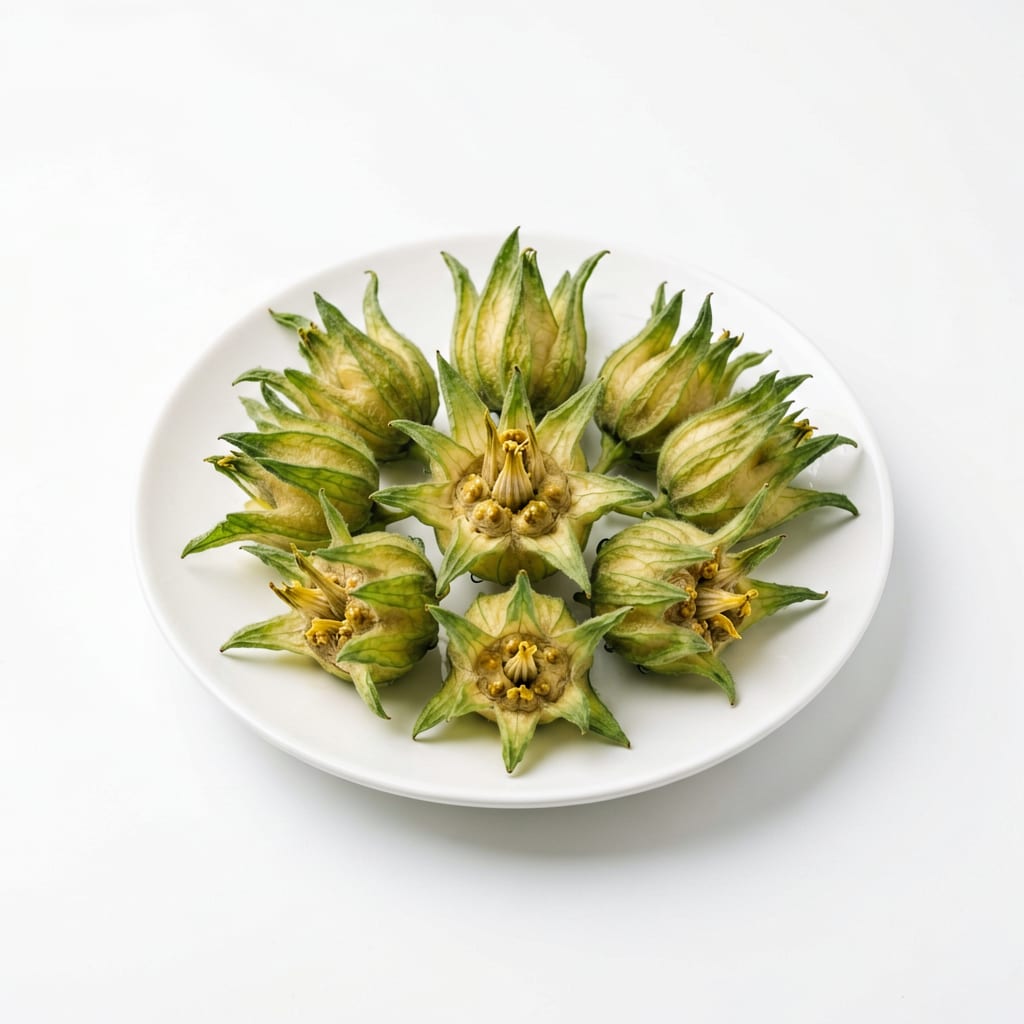
Physalis
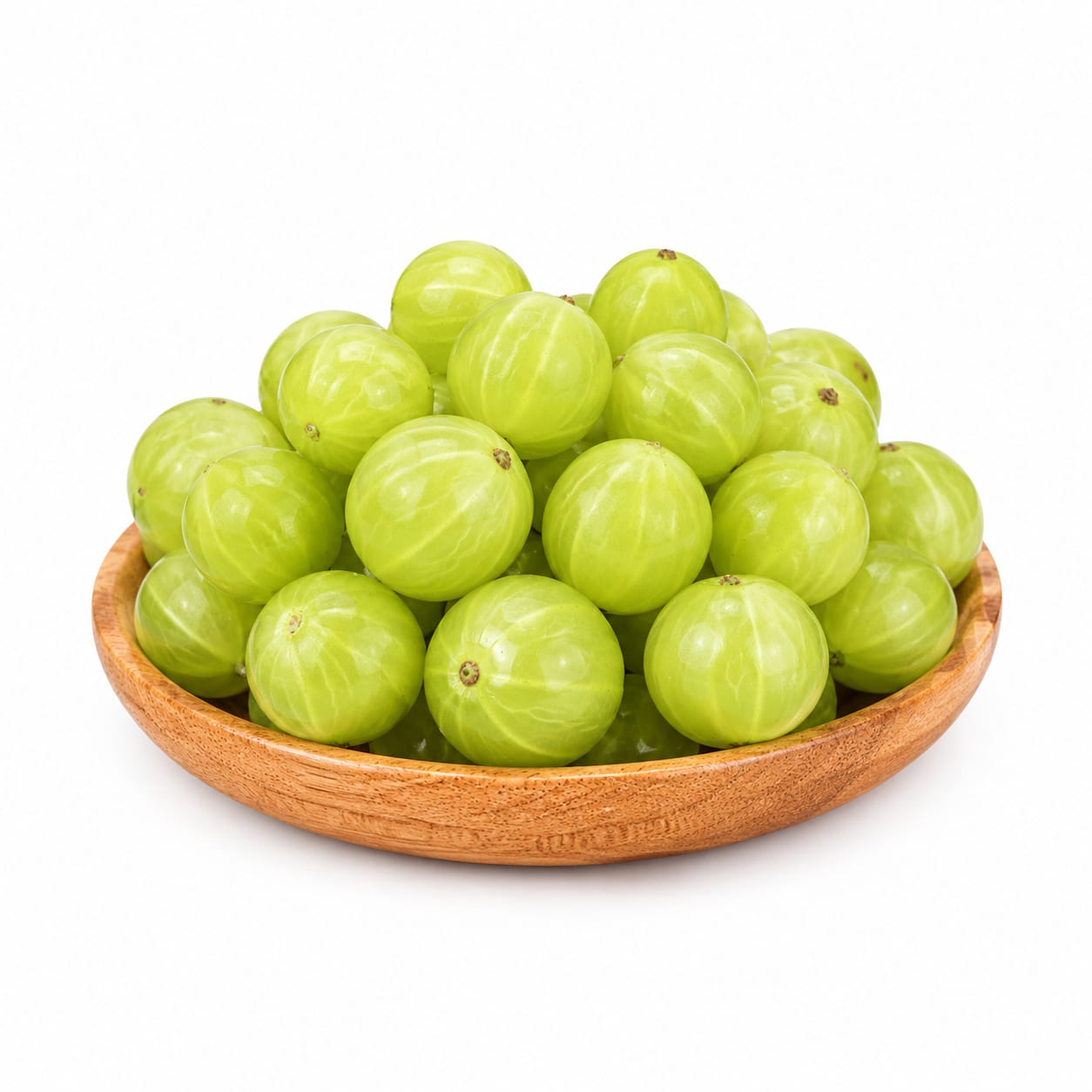
Gooseberry
Gooseberry delivers far more vitamin C and less sugar, but Physalis is far more enjoyable raw and offers unique anti-inflammatory compounds. Your pick depends on whether you prioritize nutrient density or eating pleasure.
Gooseberry edges ahead nutritionally with superior vitamin C and lower sugar, but Physalis scores well for palatability and unique phytonutrients. The close scores reflect that the better choice is highly context-dependent.
Gooseberry is the nutritional powerhouse but punishes your tastebuds raw; Physalis is the sweeter, gentler option that you will actually want to eat daily.
At a glance
Executive summary
Overall
It depends
Healthier
Gooseberry
More practical
Physalis
Daily use
Physalis
Key comparison lenses
Vitamin C potency and immune support
Gooseberry is famously one of the richest fruit sources of vitamin C, while Physalis offers a more moderate but still meaningful amount
Raw palatability and snacking enjoyment
Gooseberry is extremely tart raw, while Physalis is sweeter and more pleasant to eat fresh, making daily snacking habits very different
Antioxidant diversity and anti-inflammatory value
Physalis contains unique withanolides and carotenoids, while Gooseberry brings anthocyanins and high vitamin C — different antioxidant strategies
Blood sugar impact and weight management
Gooseberry is lower in sugar and calories, making it more favorable for glucose-conscious users
Availability and everyday practicality
Both are specialty fruits with limited mainstream availability, but Gooseberry has broader temperate-climate distribution
Best choice for
Physalis
- People who want a pleasant raw snack they will actually eat consistently
- Those seeking anti-inflammatory and eye-health benefits from carotenoids
- Anyone who finds very tart fruits unappealing and avoids them
- Tropical and subtropical climate dwellers with local access
Gooseberry
- People prioritizing maximum vitamin C intake for immune support
- Those managing blood sugar or following low-sugar eating patterns
- Home cooks wanting a versatile fruit for jams, pies, and preserves
- Anyone in temperate climates where Gooseberry grows locally
Least suitable for
Physalis
- People strictly limiting sugar who want the lowest-sugar fruit option
- Those with solanaceae family allergies (nightshade sensitivity)
- Budget-conscious shoppers — Physalis is often expensive and imported
Gooseberry
- People who dislike very sour flavors and will not eat the fruit raw
- Those wanting a sweet, satisfying standalone snack without preparation
- Anyone expecting a mild, easy introduction to unfamiliar berries
Deep comparison
Dimension by dimension
Each lens scores both foods and breaks down who each option suits.
- Dimension 1 · Priority 92Gooseberry
Vitamin C and Immune Support
Physalis · 55Gooseberry · 95Gooseberry is a vitamin C juggernaut, delivering roughly 4-5 times more than Physalis per serving. If immune support is your priority, this is not close.
Tradeoff
You get dramatically more vitamin C from Gooseberry, but you may need to cook or sweeten it to make it palatable, which can reduce some vitamin C content.
Why it matters
Vitamin C is water-soluble and must be replenished daily. A single serving of Gooseberry can cover most of your daily needs; Physalis cannot.
Real-world impact
Eating Gooseberry regularly during cold season gives you a meaningful immune edge. Physalis helps, but you would need other C sources to match it.
Physalis
- People who get vitamin C from other sources and want broader antioxidant coverage
Better for
- Those relying on one fruit as their primary vitamin C source
Worse for
Gooseberry
- Anyone wanting to maximize immune support from a single fruit
- People who do not supplement vitamin C and rely on food sources
Better for
- People who only eat fruit raw and cannot tolerate sourness — cooking reduces vitamin C
Worse for
- Dimension 2 · Priority 88Physalis
Raw Palatability and Snacking Satisfaction
Physalis · 85Gooseberry · 45Physalis is sweet-tart with a pleasant tropical flavor that most people enjoy raw. Gooseberry is aggressively sour and astringent, making raw snacking a challenge for many.
Tradeoff
Physalis is the fruit you will actually reach for as a snack; Gooseberry often requires sugar, cooking, or mixing with other fruits to become enjoyable.
Why it matters
The healthiest fruit is the one you eat consistently. A nutrient-dense fruit you avoid because it tastes harsh provides zero benefit.
Real-world impact
Physalis sits easily in a lunchbox or fruit bowl. Gooseberry raw is an acquired taste — most people prefer it baked into a crumble or stewed with honey.
Physalis
- Casual snackers who want a no-prep, enjoyable fruit
- Parents introducing kids to new fruits — sweetness helps acceptance
- Office snackers wanting something light and pleasant
Better for
- Those who find the papery husk and texture unusual or off-putting
Worse for
Gooseberry
- Sour fruit enthusiasts who enjoy tart flavors like lemon or cranberry
- Home cooks who enjoy transforming fruit into preserves and desserts
Better for
- Anyone with low tolerance for sour flavors who will simply avoid eating it
- People wanting a grab-and-go snack without preparation
Worse for
- Dimension 3 · Priority 85It depends
Antioxidant Diversity and Anti-Inflammatory Value
Physalis · 80Gooseberry · 78Physalis brings unique withanolides and beta-carotene for eye and inflammatory health. Gooseberry counters with anthocyanins and massive vitamin C. Different strategies, similar overall value.
Tradeoff
Physalis targets inflammation and oxidative stress through carotenoids and withanolides; Gooseberry fights through sheer vitamin C volume and anthocyanins.
Why it matters
Chronic inflammation drives most age-related disease. Both fruits help, but through different pathways — eating both would be ideal.
Real-world impact
Physalis may feel more protective for joint and eye concerns. Gooseberry may feel more protective for immune and skin health. Both are legitimate long-term allies.
Physalis
- People concerned about eye health and age-related vision decline
- Those managing chronic inflammatory conditions like arthritis
Better for
- Those who need proven, well-studied antioxidant mechanisms — withanolide research is still emerging
Worse for
Gooseberry
- People focused on skin health and collagen support
- Those wanting broad cellular protection through high vitamin C
Better for
- People already supplementing high-dose vitamin C who want different antioxidant pathways
Worse for
- Dimension 4 · Priority 78Gooseberry
Blood Sugar Impact and Weight Management
Physalis · 60Gooseberry · 82Gooseberry is significantly lower in sugar and calories, making it the safer choice for blood sugar management and weight-conscious eating.
Tradeoff
Gooseberry's low sugar comes with intense sourness that may push you toward adding sweeteners. Physalis is naturally sweeter but carries more sugar.
Why it matters
For anyone monitoring glucose — diabetics, prediabetics, low-carb eaters — the sugar difference between these fruits is meaningful.
Real-world impact
A bowl of Gooseberry will not spike your blood sugar. A bowl of Physalis delivers a modest but real sugar load that requires awareness.
Physalis
- Active individuals who burn through fruit sugar easily
- People using fruit as pre-workout energy
Better for
- Those who need to keep sugar intake under strict control
Worse for
Gooseberry
- Diabetics and prediabetics monitoring glucose closely
- Anyone on a calorie-controlled or low-sugar eating plan
- People practicing intermittent fasting who want minimal insulin response
Better for
- People who compensate for sourness by adding sugar, negating the low-sugar advantage
Worse for
- Dimension 5 · Priority 72Gooseberry
Cooking Versatility and Culinary Use
Physalis · 55Gooseberry · 82Gooseberry is a classic cooking fruit with deep tradition in jams, pies, chutneys, and sauces. Physalis is mostly eaten fresh or used as a garnish.
Tradeoff
Gooseberry transforms beautifully with heat and sugar; Physalis loses its delicate flavor and texture when cooked and is best enjoyed raw.
Why it matters
If you enjoy cooking with fruit, Gooseberry opens far more recipe possibilities. Physalis is essentially a fresh-eating-only fruit.
Real-world impact
Gooseberry season means pies, crumbles, and preserves. Physalis season means adding them to salads or eating out of hand. Very different kitchen roles.
Physalis
- Raw food enthusiasts who do not cook fruit
- People who want a decorative garnish for desserts or cocktails
Better for
- Those wanting a fruit that performs well in baked goods
- People looking for jam-making fruit
Worse for
Gooseberry
- Home bakers and preserve makers
- Anyone wanting a fruit that works in both sweet and savory dishes
- People who enjoy making chutneys and sauces
Better for
- Raw food purists who will not cook or sweeten their fruit
Worse for
- Dimension 6 · Priority 68Physalis
Digestive Tolerance and Gut Friendliness
Physalis · 78Gooseberry · 62Physalis is gentler on the stomach with its softer acidity and pectin content. Gooseberry's intense organic acids can irritate sensitive stomachs, especially raw.
Tradeoff
Gooseberry's acidity that makes it tart also makes it harder on sensitive digestive systems. Physalis offers a smoother experience.
Why it matters
If you have acid reflux, GERD, or a sensitive stomach, the difference in acidity between these fruits matters for daily comfort.
Real-world impact
Physalis after a meal feels light and easy. Raw Gooseberry can trigger heartburn in prone individuals, especially on an empty stomach.
Physalis
- People with acid reflux or GERD
- Those with sensitive stomachs who react to highly acidic fruits
- Anyone wanting a gentle before-bed fruit option
Better for
- Those with solanaceae sensitivity who may react to Physalis
Worse for
Gooseberry
- People with robust digestion who tolerate acidic foods well
- Those wanting digestive stimulation from organic acids
Better for
- Anyone with GERD, gastritis, or acid sensitivity
- People who experience heartburn from citrus or vinegar — similar acidity profile
Worse for
Timeline
Health impact over time
Short-term
Hours to days
Physalis
- Provides a pleasant energy lift from natural sugars without a sharp crash
- Supports hydration with high water content
- Mild digestive comfort from pectin and lower acidity
Gooseberry
- Delivers a rapid vitamin C boost that can be felt in immune resilience within days
- Can cause mouth puckering and stomach discomfort if eaten raw in quantity
- Very low sugar means no blood sugar spike, but may leave you wanting more food
Long-term
Months to years
Physalis
- Carotenoids from Physalis accumulate to support eye health over years
- Withanolides may help moderate chronic inflammation with consistent intake
- Natural sugar content requires portion awareness for metabolic health
Gooseberry
- Sustained high vitamin C intake supports collagen, skin elasticity, and vascular health
- Anthocyanins contribute to cardiovascular and cognitive protection over decades
- Low sugar intake from Gooseberry supports insulin sensitivity long-term
Risk profile
Safety & processing
Both Physalis and Gooseberry are whole, unprocessed fruits typically sold fresh with no additives. The only processing concern is that imported Physalis is sometimes treated with post-harvest fungicides to extend shelf life during shipping.
Physalis
Solanaceae family allergic cross-reactivity
mediumPhysalis belongs to the nightshade family. People with sensitivities to tomatoes, eggplant, or peppers may experience reactions. Unripe Physalis contains solanine, which can cause digestive distress.
Post-harvest fungicide residue on imported fruit
lowBecause Physalis is often imported from tropical regions, some shipments receive fungicide treatment. Washing thoroughly and choosing organic reduces this concern.
Gooseberry
Oxalic acid content affecting kidney stone formation
lowGooseberry contains moderate oxalates. People with a history of calcium oxalate kidney stones should moderate intake, though the risk is lower than with spinach or rhubarb.
Dental enamel erosion from high acidity
lowFrequent consumption of raw Gooseberry's strong acids can contribute to enamel wear over time. Rinsing with water after eating helps mitigate this.
Who wins for whom
Audience fit
Same foods, different winners depending on your goal.
children
PhysalisChildren overwhelmingly prefer sweeter, milder fruit. Physalis is far more likely to be accepted and eaten willingly. Gooseberry's extreme tartness usually triggers rejection.
daily consumption
PhysalisConsistency beats intensity. Physalis is pleasant enough to eat daily without dread, while Gooseberry's harshness makes daily raw consumption unlikely for most people.
diabetes
GooseberryGooseberry's significantly lower sugar content and glycemic impact make it the safer choice for blood glucose management. Some evidence also suggests Gooseberry may improve insulin sensitivity.
elderly
PhysalisPhysalis is gentler on aging digestive systems, easier to chew, and its carotenoids support eye health — a priority concern for older adults.
muscle gain
It dependsNeither fruit is a muscle-building food. Physalis offers slightly more carbohydrate for training energy, but the difference is negligible for this goal.
weight loss
GooseberryGooseberry's lower calorie and sugar content makes it more compatible with calorie-controlled eating, though its sourness may lead some people to add sweeteners.
Your move
Decision guide
Choose Physalis
- You want a fruit you will actually look forward to eating every day
- You are concerned about eye health and chronic inflammation
- You have a sensitive stomach or acid reflux issues
- You are feeding children or picky eaters
- You live in a region where Physalis grows locally and is affordable
Choose Gooseberry
- Maximum vitamin C intake is your top priority
- You are managing blood sugar, diabetes, or a low-carb eating plan
- You enjoy cooking and want a versatile fruit for preserves, pies, and chutneys
- You genuinely enjoy tart, sour flavors or are willing to prepare the fruit to make it palatable
- You want the most nutrient-dense option per calorie
Either works if
- You are building a diverse fruit rotation and want both antioxidant profiles
- You have no specific health restrictions and enjoy variety
- You are generally healthy and just want to eat more whole fruit
Avoid both if
- You have a tight grocery budget and need affordable staple fruits — both are specialty items
- You need high-protein or high-calorie foods for recovery or gain
- You are looking for a convenient, widely available everyday fruit — apples or bananas fit better
Final recommendation
If you will only buy one, let your palate decide. Gooseberry is the stronger nutritional choice on paper, but only if you will actually eat it. Physalis is the fruit most people will enjoy consistently, and consistency drives health outcomes more than nutrient density. Ideally, use Gooseberry for cooking and immune support during winter, and Physalis for daily raw snacking year-round.
Practical
Consumer tips
- 1
If buying Gooseberry, look for slightly soft fruits — rock-hard ones will be even more sour. Cooking with a small amount of honey preserves more nutrients than using refined sugar.
- 2
Wash imported Physalis thoroughly to remove potential post-harvest treatments. The papery husk should be dry and intact — wrinkled husks indicate age.
- 3
Freeze Gooseberry when in season for year-round use in smoothies and baked goods — it freezes exceptionally well.
- 4
Avoid unripe green Physalis — it contains solanine and can cause nausea and digestive upset. Only eat fully golden-orange fruits.
- 5
If raw Gooseberry is too sour, try halving it and adding to yogurt with a drizzle of honey. The fat and protein buffer the acidity beautifully.
- 6
Both fruits are seasonal and can be expensive out of season. Buy in bulk during peak season and preserve or freeze.