
Nutrition comparison
Physalis vs Grapes: Which Fruit Is Healthier for Daily Snacking?
Compare physalis and grapes on sugar, antioxidants, cost, and real-world practicality. Find out which fruit fits your health goals and lifestyle better.
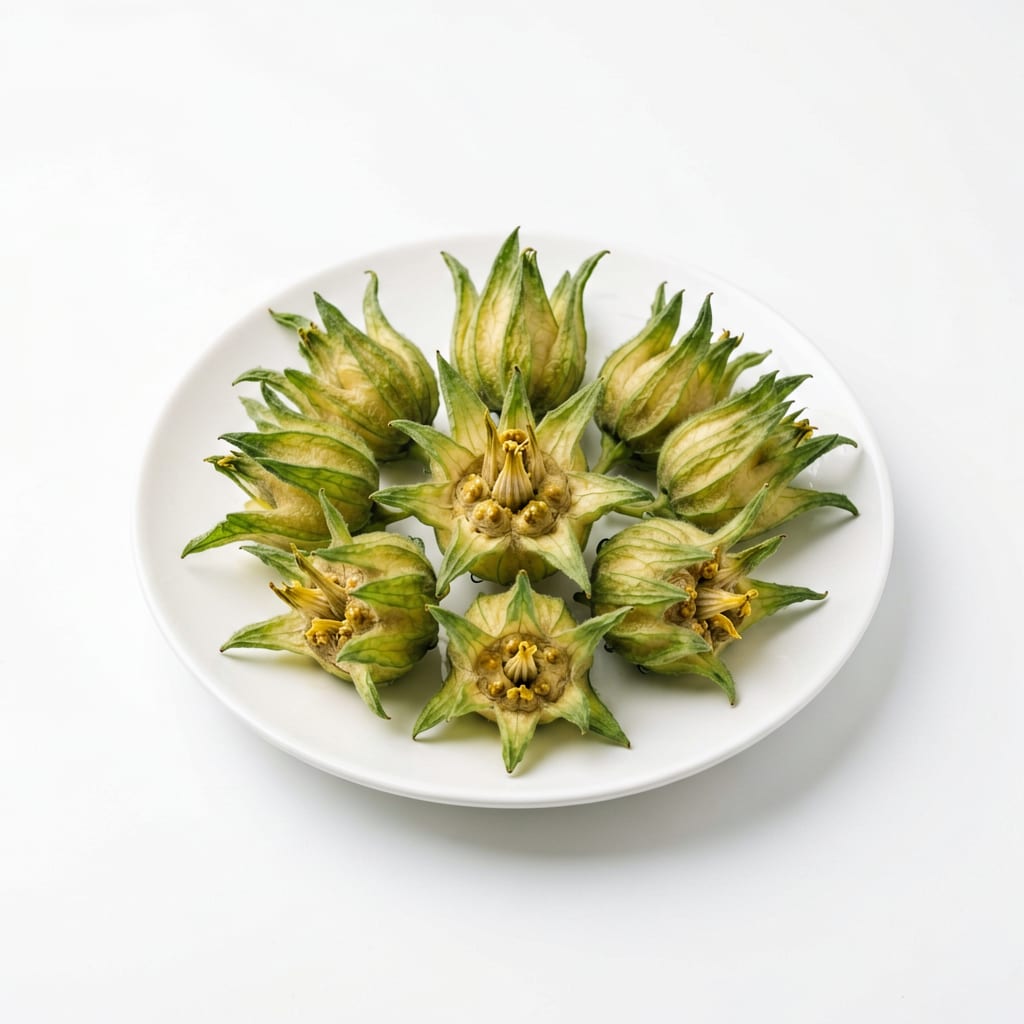
Physalis
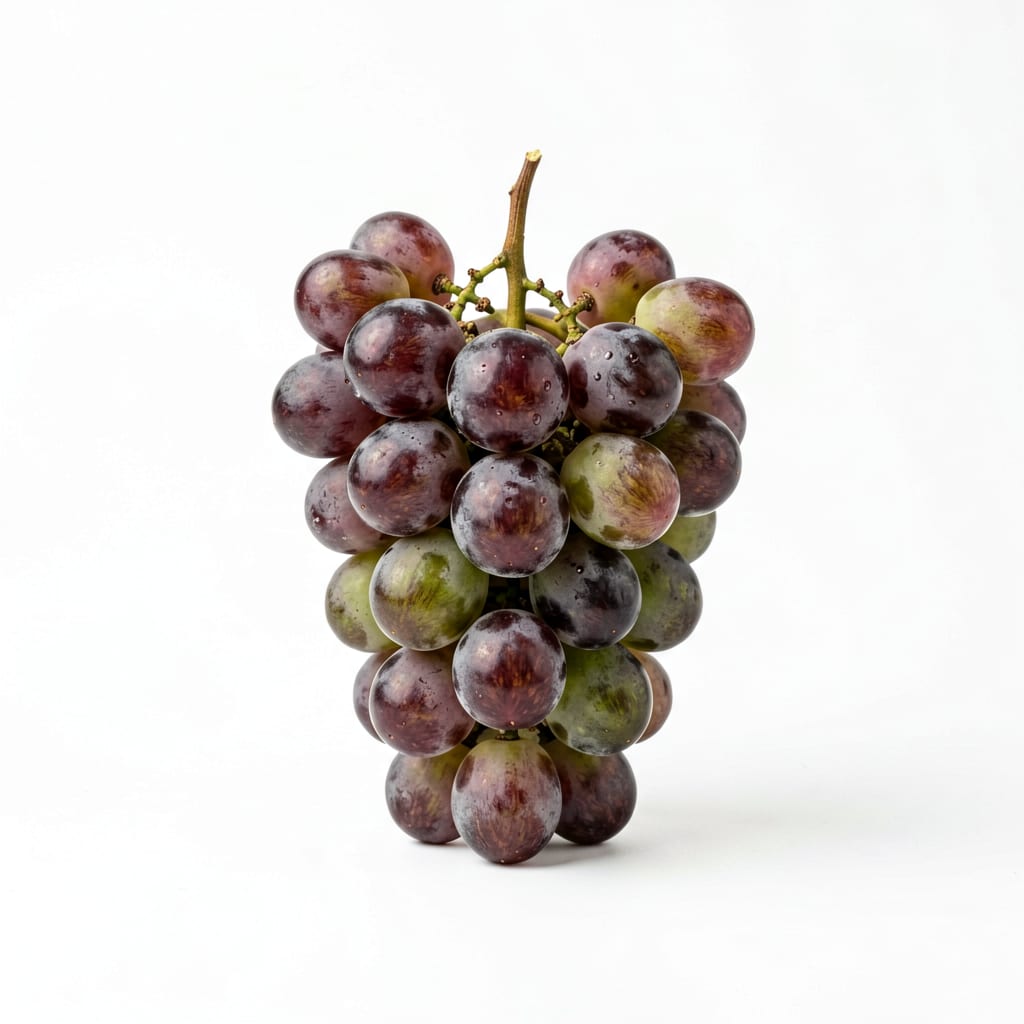
Grape
Physalis wins on nutrition and sugar control, but grapes win on convenience, cost, and everyday realism.
Physalis scores higher nutritionally due to lower sugar, higher vitamin C, and unique antioxidant compounds, but grapes score close behind because their practical advantages — availability, price, and ease of consumption — matter enormously in real daily decisions.
Physalis delivers more nutrients per calorie with less sugar, but grapes are dramatically more accessible and affordable for daily eating.
At a glance
Executive summary
Overall
It depends
Healthier
Physalis
More practical
Grape
Daily use
Grape
Key comparison lenses
sugar and blood sugar management
Grapes are notably high in sugar compared to most fruits, while physalis offers a lower-sugar alternative with a similar sweet-tart satisfaction
everyday practicality and accessibility
Grapes are ubiquitous and cheap; physalis is exotic, seasonal, and expensive — this shapes real-world decisions heavily
antioxidant diversity and unique compounds
Physalis contains rare withanolides not found in common fruits, while grapes are famous for resveratrol — users want to know which antioxidant profile matters more
snacking behavior and overeating risk
Grapes are notoriously easy to overeat due to high palatability and low satiety, while physalis naturally portions itself
Best choice for
Physalis
- People managing blood sugar or reducing fruit sugar intake
- Those seeking unique antioxidants and anti-inflammatory compounds
- Adventurous eaters wanting nutrient density over calorie density
- Anyone who struggles with overeating sweet fruits
Grape
- Families needing affordable, kid-friendly fruit
- Athletes needing quick natural energy and carbs
- People who want reliable year-round fruit access
- Those prioritizing convenience and minimal prep
Least suitable for
Physalis
- Budget-conscious shoppers — physalis is expensive and hard to find
- People who need large quantities of fruit for meal prep
- Anyone unfamiliar with the flavor may find it too tart
Grape
- People strictly limiting sugar intake
- Those prone to mindless snacking — grapes disappear fast
- Anyone concerned about pesticide exposure on thin-skinned fruit
Deep comparison
Dimension by dimension
Each lens scores both foods and breaks down who each option suits.
- Dimension 1 · Priority 92Physalis
sugar_and_blood_sugar_impact
Physalis · 82Grape · 48Physalis has roughly half the sugar of grapes per serving, making it far gentler on blood sugar.
Tradeoff
You trade the instant sweet satisfaction of grapes for steadier energy and less insulin demand.
Why it matters
Grapes can spike blood sugar quickly, especially eaten in large handfuls. Physalis delivers sweetness without the same rollercoaster.
Real-world impact
A bowl of grapes can leave you hungry again in 30 minutes. Physalis keeps things steadier for longer.
Physalis
- Diabetics and pre-diabetics
- Low-carb and keto-curious eaters
- People who get energy crashes from sweet fruit
Better for
- Anyone needing quick post-workout sugar replenishment
Worse for
Grape
- Endurance athletes needing fast carbs
- Children who need calorie-dense snacks
Better for
- Insulin-resistant individuals
- People trying to cut sugar cravings
Worse for
- Dimension 2 · Priority 85It depends
antioxidant_and_phytonutrient_profile
Physalis · 78Grape · 75Physalis offers rare withanolides with anti-inflammatory potential; grapes provide resveratrol and anthocyanins backed by stronger research.
Tradeoff
Physalis has more exotic compounds with emerging science; grapes have well-studied polyphenols with proven cardiovascular benefits.
Why it matters
Both fruits punch above their weight in antioxidants, but the types serve different purposes — inflammation vs. heart health.
Real-world impact
If heart health is your priority, grapes (especially dark ones) have more evidence behind them. For general anti-inflammatory support, physalis is intriguing.
Physalis
- People focused on anti-inflammatory diets
- Those wanting nutrient diversity beyond common fruits
Better for
- Anyone who values strong clinical evidence over emerging research
Worse for
Grape
- People prioritizing cardiovascular health
- Those who want well-researched, proven antioxidant benefits
Better for
- People already eating grapes regularly who want phytonutrient variety
Worse for
- Dimension 3 · Priority 78Physalis
vitamin_and_mineral_density
Physalis · 80Grape · 55Physalis delivers significantly more vitamin C, vitamin A, and niacin per calorie than grapes.
Tradeoff
You get more immune-supporting and skin-health nutrients from physalis, but grapes offer decent vitamin K that physalis lacks.
Why it matters
Per calorie eaten, physalis is the more nutrient-dense choice — more vitamins for less sugar.
Real-world impact
A handful of physalis covers a meaningful chunk of daily vitamin C. You would need to eat a lot of grapes to match that.
Physalis
- People wanting maximum nutrition per calorie
- Anyone boosting immune support through food
Better for
- Those who eat a varied diet already rich in vitamin C
Worse for
Grape
- People who need more vitamin K for bone and blood health
Better for
- Anyone relying on fruit as a primary vitamin source
Worse for
- Dimension 4 · Priority 80Physalis
snacking_behavior_and_portion_control
Physalis · 76Grape · 45Physalis naturally limits overeating through its tartness and papery husk. Grapes are one of the easiest fruits to overconsume.
Tradeoff
Grapes are more immediately pleasurable to eat, but that pleasure makes portion control harder.
Why it matters
The 'bowl of grapes' effect is real — people routinely eat 300+ calories without noticing. Physalis slows you down.
Real-world impact
Physalis feels like a mindful snack. Grapes feel like grazing food that disappears before you realize it.
Physalis
- Emotional eaters who benefit from built-in portion limits
- Anyone tracking calories who wants fruit without risk of overdoing it
Better for
- Those wanting a generous, satisfying fruit bowl experience
Worse for
Grape
- People who struggle to eat enough and need palatable calorie sources
Better for
- Anyone who has finished a whole bag of grapes and felt regret
Worse for
- Dimension 5 · Priority 88Grape
availability_cost_and_convenience
Physalis · 30Grape · 92Grapes are available everywhere, year-round, and cheap. Physalis is specialty, seasonal, and often expensive.
Tradeoff
The healthiest fruit option does not matter if you cannot find or afford it regularly.
Why it matters
Consistency beats perfection. A fruit you actually eat daily outweighs a superior fruit you buy twice a year.
Real-world impact
Grapes are in every grocery store. Physalis requires specialty shops or farmers markets and can cost 3-5x more per pound.
Physalis
- People with access to specialty markets or who grow their own
- Those who treat fruit as an occasional premium experience
Better for
- Anyone living in areas without specialty produce
- People who need affordable bulk fruit
Worse for
Grape
- Budget-conscious families
- Anyone who needs reliable fruit access in any season
- People who shop at conventional grocery stores
Better for
- Those willing to pay more for superior nutrition per calorie
Worse for
Timeline
Health impact over time
Short-term
Hours to days
Physalis
- Gentler blood sugar response with less post-snack energy dip
- Vitamin C boost supporting immediate immune function
- Tart flavor can feel refreshing and appetite-satisfying
Grape
- Quick energy from natural sugars — good for immediate fuel
- Hydration boost from high water content
- Easy to eat too many, leading to a sugar crash if overconsumed
Long-term
Months to years
Physalis
- Lower cumulative sugar exposure supports metabolic health over years
- Withanolides may contribute to reduced chronic inflammation with regular consumption
- Higher vitamin C intake supports skin aging and immune resilience
Grape
- Resveratrol from dark grapes supports cardiovascular health with consistent intake
- High long-term sugar load if grapes are a daily staple eaten in large amounts
- Vitamin K contributes to bone density maintenance over decades
Risk profile
Safety & processing
Both fruits are whole, unprocessed foods eaten in their natural state. Neither typically contains added ingredients. The only processing concern is that some grapes are treated with sulfur dioxide for preservation, and physalis is sometimes sold dried with added sugar.
Physalis
Unripe fruit toxicity
mediumUnripe physalis contains solanine-like alkaloids that can cause digestive distress. Only eat fully ripe, golden-orange fruit.
Allergic cross-reactivity
lowPeople allergic to nightshades may react to physalis, as it belongs to the Solanaceae family.
Grape
Pesticide residue
highGrapes consistently rank on the Dirty Dozen list. Their thin skin absorbs and retains pesticides. Washing helps but does not remove all residue. Organic is strongly recommended.
Choking hazard for young children
mediumWhole grapes are a leading choking hazard for children under 4. Always cut grapes lengthwise before serving to young kids.
Who wins for whom
Audience fit
Same foods, different winners depending on your goal.
children
GrapeKids generally prefer the sweet taste of grapes, they are affordable in bulk, and are widely available — just cut them for safety.
daily consumption
GrapeGrapes win on consistency — they are available, affordable, and familiar enough to actually eat every day.
diabetes
PhysalisSignificantly less sugar and a gentler glycemic impact make physalis the safer choice for blood sugar management.
elderly
It dependsGrapes offer hydration and easy chewing, but physalis provides more vitamin C and anti-inflammatory compounds valuable for aging bodies. It depends on whether sugar or nutrient density is the bigger concern.
muscle gain
GrapeGrapes provide faster-digesting carbs useful around workouts, and are easier to eat in the quantities needed for calorie surpluses.
weight loss
PhysalisLower sugar, fewer calories per serving, and natural portion control make physalis easier to fit into a calorie deficit.
Your move
Decision guide
Choose Physalis
- You are watching your sugar intake but still want a satisfying fruit
- You have access to fresh physalis at a reasonable price
- You want nutrient density and unique antioxidants over calorie density
- You tend to overeat sweet fruits and need something self-limiting
Choose Grape
- You need affordable, widely available fruit the whole family will eat
- You want quick natural energy before or after exercise
- You are not concerned about sugar and want a reliable daily staple
- You shop at conventional grocery stores and value convenience
Either works if
- You simply want more fruit variety in your diet
- You rotate fruits seasonally and enjoy both as part of a diverse intake
- Neither fruit is a dietary staple for you — just occasional snacks
Avoid both if
- You are on a strict very-low-carb diet and need to minimize all fruit sugar
- You have a nightshade allergy — physalis is off-limits, and you should confirm grape tolerance
- You cannot access organic grapes and are concerned about pesticide exposure
Final recommendation
Eat physalis when you can find it — its nutritional profile is genuinely superior per calorie. But keep grapes as your everyday fruit, choosing organic when possible, and watch your portions. The best diet includes both, rotated by season and availability.
Practical
Consumer tips
- 1
Buy organic grapes whenever possible — they are one of the highest-pesticide conventional fruits.
- 2
Only eat physalis that is fully ripe and golden-orange — green or unripe fruit can cause stomach upset.
- 3
Freeze grapes for a refreshing slow-eat snack that naturally prevents overconsumption.
- 4
If buying dried physalis, check for added sugar — some brands sweeten heavily.
- 5
Wash grapes thoroughly with a baking soda soak to reduce surface pesticide residue.
- 6
Try physalis in salads or as a garnish if the tart flavor is too intense on its own.
- 7
Cut grapes lengthwise for any child under 4 — round grapes are a serious choking hazard.