
Nutrition comparison
Physalis vs Cherry Tomato: Which Snack Is Healthier?
Compare physalis and cherry tomatoes on calories, sugar, antioxidants, and practicality. Find out which is better for weight loss, blood sugar, and daily snacking.
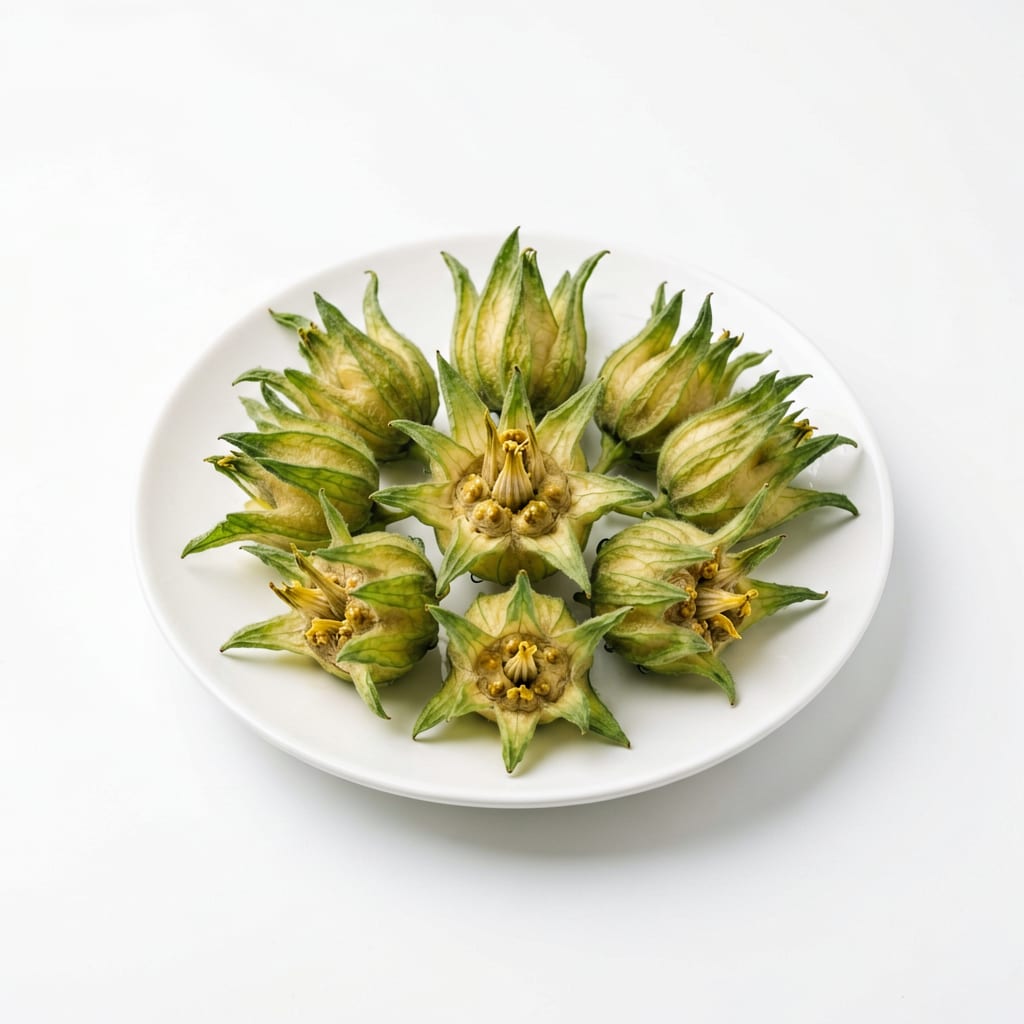
Physalis
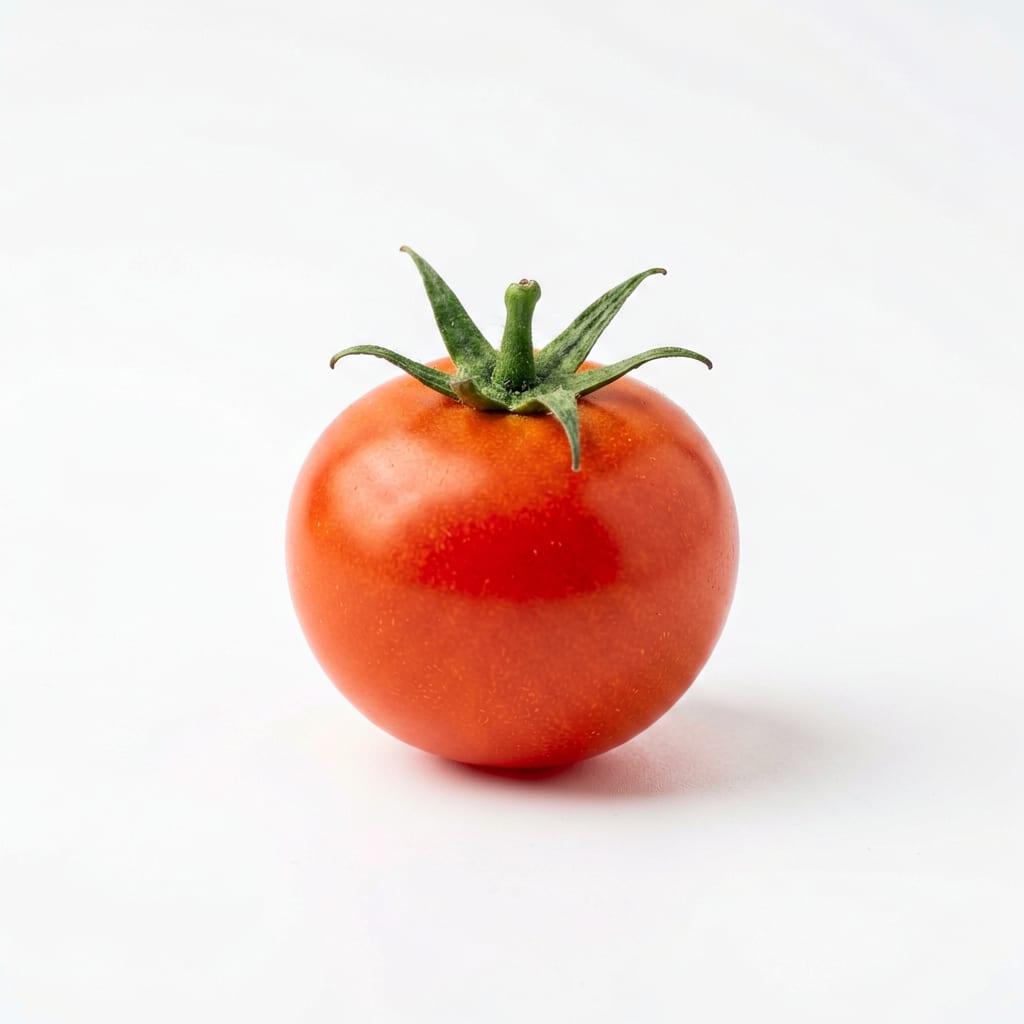
Cherry Tomato
Cherry tomatoes win on daily practicality, low calories, and blood sugar control. Physalis wins on unique antioxidants and vitamin density. Your pick depends on what you value more: everyday reliability or exotic nutritional upside.
Cherry tomatoes score higher due to superior practicality, lower sugar, and broader culinary use. Physalis earns strong marks for unique antioxidants and vitamin density but loses ground on cost, availability, and sugar content.
Physalis delivers more vitamins and rare antioxidants but costs more and packs more sugar. Cherry tomatoes are the lean, versatile, everyday workhorse with less nutritional flair.
At a glance
Executive summary
Overall
It depends
Healthier
It depends
More practical
Cherry Tomato
Daily use
Cherry Tomato
Key comparison lenses
snack choice for weight management
Both are popular small snackable produce items, but their calorie and sugar profiles differ significantly
antioxidant and micronutrient density
Physalis offers unique withanolides while cherry tomatoes deliver lycopene, making this a key differentiator
everyday practicality and accessibility
Cherry tomatoes are ubiquitous and cheap; physalis is seasonal, pricier, and harder to find
blood sugar impact
Physalis contains notably more sugar, which matters for diabetics and low-carb eaters
culinary versatility
Cherry tomatoes integrate into savory dishes effortlessly; physalis is more niche
Best choice for
Physalis
- Antioxidant enthusiasts seeking unique compounds like withanolides
- People wanting a vitamin A and C boost in a single snack
- Those looking for an exotic, satisfying treat with tropical flavor
- Anyone bored with common produce and wanting variety
Cherry Tomato
- Weight-conscious snackers who want maximum volume for minimal calories
- People managing blood sugar or following low-carb diets
- Home cooks needing a versatile ingredient for salads, sauces, and roasting
- Budget-minded shoppers seeking affordable daily nutrition
Least suitable for
Physalis
- Strict low-carb or keto dieters due to higher sugar content
- Budget-constrained households needing affordable daily produce
- People who need easily available produce year-round
Cherry Tomato
- Those seeking high vitamin A intake from a single source
- People wanting a sweet, dessert-like snack fruit
- Anyone looking for rare or exotic antioxidant compounds
Deep comparison
Dimension by dimension
Each lens scores both foods and breaks down who each option suits.
- Dimension 1 · Priority 92Cherry Tomato
calorie efficiency and weight management
Physalis · 55Cherry Tomato · 92Cherry tomatoes deliver far more food volume per calorie, making them ideal for weight management. Physalis is roughly 3-4 times more calorie-dense.
Tradeoff
You get more flavor intensity and satisfaction from physalis per bite, but far fewer bites per calorie budget.
Why it matters
If you snack mindlessly, cherry tomatoes let you eat more volume without consequences. Physalis can quietly add calories if you treat them like a freebie snack.
Real-world impact
A bowl of cherry tomatoes costs you roughly 30 calories. The same bowl of physalis runs 100+ calories. That difference compounds over a week of snacking.
Physalis
- People who struggle to eat enough and want calorie-dense whole foods
Better for
- Calorie counters who assume all small fruits are equally light
Worse for
Cherry Tomato
- Anyone tracking calories or trying to lose weight
- Mindless snackers who eat by the bowl
Better for
- Underweight individuals needing energy-dense snacks
Worse for
- Dimension 2 · Priority 88Physalis
antioxidant profile and unique compounds
Physalis · 88Cherry Tomato · 72Physalis contains rare withanolides and carotenoids you simply cannot get from cherry tomatoes. Cherry tomatoes counter with lycopene, which is powerful but more common in diets overall.
Tradeoff
Physalis offers antioxidant diversity that cherry tomatoes cannot match. But cherry tomatoes provide lycopene, which has stronger long-term heart health evidence.
Why it matters
If your diet already includes red tomatoes and tomato products, adding physalis introduces entirely new beneficial compounds. If it does not, cherry tomatoes fill a more critical gap.
Real-world impact
Eating physalis occasionally is like taking a specialty supplement. Eating cherry tomatoes daily is like taking a well-studied essential. Both help, but they serve different purposes.
Physalis
- People already eating tomatoes regularly who want antioxidant variety
- Those interested in anti-inflammatory compounds with emerging research
Better for
- Those expecting proven clinical outcomes from withanolides, which still lack strong human trials
Worse for
Cherry Tomato
- Anyone not getting regular lycopene from other tomato products
- People prioritizing heart health with the most evidence-backed antioxidants
Better for
- People already consuming lots of cooked tomatoes and getting ample lycopene
Worse for
- Dimension 3 · Priority 82Cherry Tomato
blood sugar impact
Physalis · 52Cherry Tomato · 88Cherry tomatoes are extremely blood sugar friendly with minimal sugar per serving. Physalis contains roughly 3-4 times more sugar per serving.
Tradeoff
Physalis tastes more like a treat, but that sweetness comes with a real glycemic cost. Cherry tomatoes keep glucose steady but offer less snacking excitement.
Why it matters
For diabetics and insulin-resistant individuals, this difference is not trivial. A handful of physalis can cause a noticeable glucose bump that cherry tomatoes will not.
Real-world impact
If you are monitoring blood sugar, you can eat cherry tomatoes freely. With physalis, you need to count them like you would count grapes.
Physalis
- Active individuals who want a natural sweet snack with some fiber to buffer absorption
Better for
- Insulin-resistant individuals who need to minimize sugar from all sources
Worse for
Cherry Tomato
- Diabetics and pre-diabetics
- Low-carb and keto dieters
- Anyone experiencing afternoon energy crashes from sugar spikes
Better for
- Athletes needing quick natural carbohydrate after training
Worse for
- Dimension 4 · Priority 78Physalis
vitamin and mineral density
Physalis · 84Cherry Tomato · 68Physalis is notably richer in vitamin A, vitamin C, niacin, and thiamin per serving. Cherry tomatoes provide decent vitamin C and potassium but less overall micronutrient punch.
Tradeoff
You get more vitamins per bite from physalis, but you would need to eat more calories to match the vitamin C from a larger serving of cherry tomatoes.
Why it matters
If you eat small portions or have limited appetite, physalis delivers more nutritional value per gram. If you eat larger volumes, cherry tomatoes close the gap through quantity.
Real-world impact
A small serving of physalis covers a meaningful chunk of your daily vitamin A needs. You would need to eat nearly double the cherry tomatoes to get similar vitamin coverage.
Physalis
- People with small appetites who need nutrient density per bite
- Anyone low in vitamin A or B vitamins
Better for
- Anyone assuming the higher vitamin density justifies unlimited consumption
Worse for
Cherry Tomato
- Those who eat large volumes and get vitamins through quantity
- People primarily seeking potassium for blood pressure management
Better for
- Those relying on a single snack as a major vitamin source
Worse for
- Dimension 5 · Priority 85Cherry Tomato
practicality, cost, and availability
Physalis · 35Cherry Tomato · 95Cherry tomatoes are available year-round in any grocery store at low prices. Physalis is seasonal, expensive, and often found only in specialty shops.
Tradeoff
Cherry tomatoes are the most convenient produce item you can buy. Physalis requires effort to find, costs significantly more, and has a shorter reliable season.
Why it matters
The best healthy food is the one you actually eat consistently. Cherry tomatoes make consistency easy. Physalis makes it a project.
Real-world impact
You can grab cherry tomatoes at any gas station produce rack. Finding fresh physalis might require a farmers market trip or specialty delivery, and you will pay 3-5 times more per pound.
Physalis
- People who enjoy seeking out specialty ingredients and treat food as an experience
Better for
- People who will not go out of their way for produce
- Those on tight food budgets
Worse for
Cherry Tomato
- Busy families needing reliable affordable produce every week
- Anyone living in areas without specialty grocery access
- Meal preppers who buy in bulk
Better for
- Culinary adventurers who find everyday produce boring
Worse for
- Dimension 6 · Priority 75Cherry Tomato
culinary versatility
Physalis · 48Cherry Tomato · 93Cherry tomatoes work in salads, roasting, sauces, skewers, pasta, and sandwiches. Physalis is mostly eaten raw or used as a garnish and in desserts.
Tradeoff
Cherry tomatoes are a kitchen staple that enhances nearly any savory dish. Physalis is a specialty ingredient with a narrow but delightful range.
Why it matters
If you want one ingredient that does everything, cherry tomatoes are hard to beat. Physalis is more of a special occasion addition.
Real-world impact
You can build an entire meal around cherry tomatoes. With physalis, you are mostly adding a garnish or eating them as a standalone snack.
Physalis
- Home cooks wanting to impress with unique dessert toppings or cocktail garnishes
- People who enjoy raw snacking and do not cook much
Better for
- People wanting a versatile ingredient for everyday cooking
Worse for
Cherry Tomato
- Anyone who cooks savory meals regularly
- Meal preppers needing one ingredient that works across multiple dishes
Better for
- Those specifically looking for sweet fruit applications
Worse for
Timeline
Health impact over time
Short-term
Hours to days
Physalis
- Provides a quick natural energy boost from higher sugar content
- Vitamin C supports immediate immune function
- The unique tart-sweet flavor can satisfy sweet cravings without turning to candy
Cherry Tomato
- Extremely light on digestion with minimal glycemic impact
- Hydrating due to high water content, helpful in hot weather
- Provides steady energy without any crash risk
Long-term
Months to years
Physalis
- Withanolides may support anti-inflammatory and immune health over time, though human evidence is still emerging
- Consistent vitamin A intake supports eye health and skin integrity
- Higher sugar intake from frequent consumption could become a concern if not moderated
Cherry Tomato
- Regular lycopene intake is strongly associated with reduced cardiovascular risk
- Low calorie density supports sustainable weight management over years
- Potassium content contributes to long-term blood pressure regulation
Risk profile
Safety & processing
Both physalis and cherry tomatoes are whole, unprocessed foods typically sold fresh and raw. Neither carries meaningful additive concerns. The main difference is that physalis is sometimes sold dried with added sugar, which would change the calculus entirely. Always check labels on dried physalis products.
Physalis
Allergic reaction to solanaceous compounds
lowPhysalis belongs to the nightshade family. People with nightshade sensitivities may experience joint pain or digestive discomfort, though true allergies are rare.
Unripe fruit toxicity
mediumUnripe physalis contains solanine-like compounds that can cause nausea and digestive distress. Always ensure the husk is dry and papery and the fruit is fully golden-orange before eating.
Pesticide residue on imported varieties
lowImported physalis may carry higher pesticide residues depending on origin country. Washing thoroughly is recommended, and organic is preferable when available.
Cherry Tomato
Pesticide residue on conventional varieties
mediumCherry tomatoes frequently appear on the Environmental Working Group's Dirty Dozen list. Conventional varieties often carry notable pesticide residues. Organic is strongly recommended.
Salmonella and foodborne illness
lowCherry tomatoes have been linked to occasional salmonella outbreaks. Washing before eating and avoiding damaged fruit reduces risk significantly.
Who wins for whom
Audience fit
Same foods, different winners depending on your goal.
children
Cherry TomatoCherry tomatoes are sweet enough to appeal to kids, easy to pack in lunchboxes, and widely available. Physalis can be a fun novelty but the husk is a choking hazard for very young children and the tartness is hit-or-miss with picky eaters.
daily consumption
Cherry TomatoCherry tomatoes are affordable, available year-round, and easy to incorporate into any meal. Physalis works as an occasional addition but is too expensive and hard to find for true daily use.
diabetes
Cherry TomatoCherry tomatoes have negligible sugar and will not spike blood glucose. Physalis contains enough sugar per serving that diabetics need to portion carefully and account for the carbohydrates.
elderly
Cherry TomatoCherry tomatoes are gentle on digestion, support hydration, and provide lycopene for heart health. Physalis is also fine in moderation but the higher sugar content is less ideal for older adults managing metabolic conditions.
muscle gain
It dependsNeither food is a muscle-building staple. Cherry tomatoes offer slightly better post-workout hydration, while physalis provides marginally more carbs for glycogen replenishment. Both are neutral for this goal.
weight loss
Cherry TomatoCherry tomatoes provide maximum snacking volume with minimal calories. You can eat an entire pint for under 100 calories. Physalis is too calorie-dense to eat freely while cutting weight.
Your move
Decision guide
Choose Physalis
- You want antioxidant diversity and already eat tomatoes regularly
- You are looking for a nutrient-dense sweet snack that feels like a treat
- You enjoy seeking out specialty produce and do not mind the cost
- You need more vitamin A and B vitamins in a small serving
Choose Cherry Tomato
- You want a low-calorie snack you can eat freely without tracking
- You are managing blood sugar, insulin resistance, or diabetes
- You need a versatile ingredient that works across dozens of recipes
- You are on a budget and want maximum nutritional value per dollar
- You want something you can find at any store, any day of the year
Either works if
- You just want a fresh, whole-food snack and both are available
- You are already eating a varied diet and neither fills a critical gap
- You are rotating produce for gut microbiome diversity
Avoid both if
- You have a nightshade sensitivity or allergy, as both belong to the Solanaceae family
- You are seeking a significant protein source, as neither provides meaningful protein
Final recommendation
Make cherry tomatoes your daily default and treat physalis as a special addition. Cherry tomatoes give you the consistency, affordability, and blood sugar stability that supports long-term health habits. Physalis adds unique antioxidants and a welcome flavor change, but its higher sugar, cost, and limited availability make it better as a weekly or occasional choice rather than a staple. If you can afford both, rotating them gives you the best of both worlds: lycopene from cherry tomatoes most days, withanolides from physalis when you find them fresh.
Practical
Consumer tips
- 1
Choose organic cherry tomatoes whenever possible, as conventional varieties consistently rank high for pesticide residue
- 2
Look for physalis with fully dry, papery husks. Green or moist husks indicate unripe fruit that may cause stomach upset
- 3
Store cherry tomatoes at room temperature for best flavor. Refrigeration kills their taste and texture
- 4
Physalis keeps longer in the refrigerator and can last up to two weeks when the husk is intact
- 5
Avoid dried physalis with added sugar, as it transforms a whole food into something closer to candy
- 6
Freeze cherry tomatoes whole on a baking sheet, then transfer to bags for easy addition to sauces and soups later
- 7
If you find physalis expensive, check frozen options which can be more affordable and still retain most nutrients